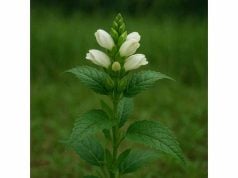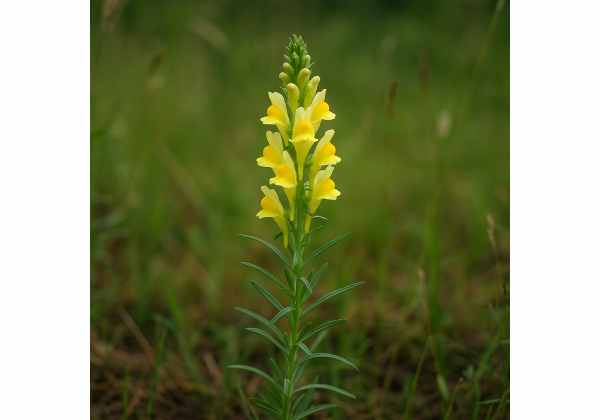
Toadflax, Linaria vulgaris, is a yellow-flowered herb sometimes called butter-and-eggs or common toadflax. Although many people know it as a hardy roadside wildflower, it also has a long history in European folk medicine and a smaller but intriguing body of modern phytochemical research. Traditional herbalists used the aerial parts, especially the flowering tops, for digestive sluggishness, mild water retention, skin irritation, hemorrhoids, and liver-related complaints. Modern interest focuses less on folklore alone and more on the plant’s flavonoids, iridoid glycosides, alkaloids, and related compounds that may help explain its antioxidant, anti-inflammatory, and mild antimicrobial potential.
Still, toadflax is not a mainstream clinical herb. The research is promising but limited, and most of the stronger claims remain preclinical rather than proven in human trials. That makes a balanced view especially important. Toadflax may deserve more attention than it gets, but it should be used with care, not romanticized as a cure-all. For most readers, it is best understood as a traditional herb with genuine biochemical interest and a clear need for more evidence.
Core Points
- Toadflax shows promising antioxidant and anti-inflammatory activity, largely linked to flavonoids such as linarin and pectolinarigenin.
- Traditional uses focus on mild digestive support, fluid balance, topical soothing, and hemorrhoid care rather than major disease treatment.
- A traditional infusion often uses about 2 to 4 g of dried aerial parts per cup, but this is a folk range rather than a clinically validated dose.
- Pregnant or breastfeeding people, children, and anyone using it instead of proper care for edema, bleeding, or liver symptoms should avoid self-directed use.
Table of Contents
- What toadflax is and why it attracted herbal interest
- Key ingredients and medicinal profile of Linaria vulgaris
- Toadflax health benefits and what the evidence suggests
- Traditional and modern uses of toadflax
- Forms dosage and how Linaria vulgaris is usually prepared
- How to choose a product and avoid common mistakes
- Safety side effects interactions and who should avoid toadflax
What toadflax is and why it attracted herbal interest
Toadflax is a perennial herb in the plantain family, even though older books often place it in the figwort family. It grows narrow, bluish-green leaves and distinctive snapdragon-like yellow flowers with orange centers. Native to much of Europe and northern Asia, it later spread widely beyond its original range and is now considered invasive in parts of North America. That weed status can make it seem like a plant with little value, but many invasive plants also carry long herbal histories, and toadflax is one of them.
In traditional medicine, the whole plant or the flowering aerial parts were typically used. Old herbal sources describe it as a mild diuretic, laxative, hepatic herb, and external remedy for irritated skin, poorly healing areas, and hemorrhoids. In some traditions it was also associated with coughs, sluggish digestion, and fluid stagnation. These uses were practical rather than glamorous. Toadflax was not usually treated as a grand tonic. It was more often a problem-solving herb for mild but stubborn complaints.
That pattern helps explain why modern readers sometimes overlook it. Toadflax does not have the strong brand identity of a famous herb such as milk thistle or echinacea. It also suffers from a trust problem: because it is a common field plant, people may assume it is either harmless and weak or potentially toxic and best avoided. The truth is more nuanced. Toadflax contains active plant compounds that clearly matter biologically, but it has not been studied enough in humans to support bold therapeutic claims.
There is also some cultural confusion around the plant. The common name “toadflax” can sound folkloric rather than medicinal, and the plant is sometimes confused with ornamental snapdragon relatives or other Linaria species. That matters because the evidence base is already limited, and confusion about identity only weakens it further. A serious herbal discussion should always refer to the correct plant, Linaria vulgaris, and should distinguish traditional use from verified clinical evidence.
What makes toadflax worth discussing today is not a single dramatic result. It is the combination of repeated traditional uses and a chemistry profile that gives those uses some plausibility. Like other humble bitters and field herbs, it sits in the same broad conversation as dandelion for digestive and liver support: practical, biologically active, and most useful when expectations remain grounded.
Key ingredients and medicinal profile of Linaria vulgaris
The medicinal interest in toadflax comes from its phytochemistry. Researchers studying Linaria vulgaris and the broader Linaria genus have identified several groups of compounds that help explain the plant’s traditional uses and modern preclinical potential. The most important among them are flavonoids, iridoid glycosides, phenolic compounds, and alkaloid-related constituents.
Flavonoids are the most discussed group. These include compounds such as linarin, pectolinarin, acetylpectolinarin, and pectolinarigenin. These names may sound technical, but they matter because they are strongly linked with the plant’s antioxidant and anti-inflammatory profile. Flavonoids can influence oxidative stress, inflammatory signaling, cellular protection, and, in some experimental settings, lipid metabolism and nervous system resilience. Toadflax does not rely on a single star molecule. Instead, it seems to benefit from a cluster of flavonoid compounds working together.
Iridoid glycosides are another important part of the story. One of the best-known is antirrhinoside, which appears in significant amounts in Linaria species and has often been treated as a chemical marker for the genus. Iridoids are common in many medicinal herbs and are often associated with bitter taste, plant defense, and biological activity. Their presence gives toadflax some of its traditional bitter-herb character.
The plant has also been reported to contain alkaloid-type constituents, including vasicine or related quinazoline compounds in some older analyses. These help explain why toadflax has sometimes been associated with respiratory and bronchodilatory folk use, although that does not mean the whole herb should be treated as a proven respiratory remedy. Alkaloid-rich plants can be pharmacologically interesting and also demand extra respect when dosing is uncertain.
Organic acids, phenylethanoids, and other polyphenolic compounds add to the plant’s profile. In infusion studies, toadflax preparations have shown notable radical-scavenging ability, especially against certain reactive oxygen species. This does not prove direct human benefit, but it does strengthen the case that the herb is chemically active in ways that align with traditional use.
Taken together, the medicinal profile of Linaria vulgaris looks like this:
- antioxidant
- mildly anti-inflammatory
- mildly antimicrobial
- potentially hepatoprotective
- gently diuretic and laxative in traditional practice
- topically soothing in some folk applications
That profile is broad, but it is not fully proven. The key difference between a phytochemical profile and a clinical indication is evidence in people. Toadflax has the former much more clearly than the latter. This is why it should be described as a promising herb rather than an established therapy.
For readers familiar with gentle urinary or fluid-balance herbs, the traditional logic of toadflax may feel similar to corn silk for mild urinary support, although the chemistry and historical uses are not identical. Toadflax is more bitter, more flavonoid-focused, and less clearly established as a simple soothing herb.
Toadflax health benefits and what the evidence suggests
The most responsible way to talk about toadflax health benefits is to keep three layers separate: traditional use, mechanistic plausibility, and actual clinical proof. Toadflax performs reasonably well on the first two and weakly on the third. That does not make it unimportant, but it does mean readers should treat the claims as developing rather than settled.
The clearest modern theme is antioxidant activity. An infusion of Linaria vulgaris has demonstrated strong scavenging action against several reactive species in laboratory testing, and the plant’s flavonoid content supports this finding. This matters because oxidative stress is tied to inflammation, tissue injury, and metabolic strain. Antioxidant activity is not a cure in itself, but it is often one of the first clues that a traditional herb may deserve deeper study.
Anti-inflammatory potential is another likely benefit. Compounds such as pectolinarin and pectolinarigenin are repeatedly discussed for their ability to modulate inflammatory pathways in cell and animal models. This fits with older external uses for irritated tissues and with internal uses for sluggish or inflamed states. Still, no one should confuse that with proof that toadflax treats arthritis, liver disease, or bowel disease in humans.
There is also preclinical evidence for liver and metabolic support. Flavonoid-rich extracts from Linaria vulgaris have shown protective effects against hyperlipidemia and fatty liver changes in mice. This is an intriguing result because it aligns with the herb’s old reputation as a hepatic or cholagogue plant. Even so, animal models do not automatically translate into human benefit, and they certainly do not justify using toadflax as a stand-alone treatment for liver disease.
Specific isolated compounds from toadflax have also shown neuroprotective or cell-protective effects in laboratory studies. Pectolinarigenin, for example, has been explored for its ability to reduce oxidative stress and apoptosis in experimental neural models. This points to real biological activity, but it does not mean that drinking toadflax tea produces the same effect in the body.
A balanced summary of likely benefits would include:
- support against oxidative stress
- mild inflammatory modulation
- possible support for lipid and liver metabolism in preclinical settings
- traditional assistance with mild digestive sluggishness and water retention
- possible soothing value in minor topical applications
What should not be claimed is just as important. Toadflax is not proven for serious liver disorders, major edema, chronic inflammatory disease, or neurologic disease. It is not a validated cure for hemorrhoids or skin ulcers. It may support mild symptoms or fit into traditional wellness routines, but the evidence does not support dramatic language.
This is the same sort of middle ground seen with many older topical and digestive herbs. A comparison with calendula for traditional tissue support is useful here: both herbs have interesting chemistry and real traditional value, but the strongest medical claims still outpace the strongest human evidence.
Traditional and modern uses of toadflax
Toadflax is one of those herbs whose traditional uses feel more coherent than its modern branding. Older herbal practice generally used it for complaints that were visible, practical, and modest in scale. It was commonly described as a remedy for constipation, sluggish bile flow, mild fluid retention, urinary irritation, hemorrhoids, skin eruptions, and poorly healing or irritated tissues. In some traditions it was also mentioned in connection with coughs, asthma, or congestion, likely because of alkaloid-associated activity and bitter expectorant logic.
These older uses cluster into a few themes.
- Digestive and hepatic support: Toadflax was often treated as a bitter and cleansing herb for sluggish digestion or “stuck” elimination.
- Urinary and fluid balance support: The plant was used as a mild diuretic when the goal was to encourage urine flow and reduce minor puffiness.
- Topical care: Washes, compresses, or ointments were used on hemorrhoids, skin irritation, festering wounds, and minor inflammatory surface problems.
- Bowel stimulation: In some traditions the herb was used as a mild laxative when the system felt slow or congested.
Modern wellness use still follows these patterns, though usually in softer language. Instead of “hepatic” or “blood cleansing,” marketers may say liver support, drainage support, or detox support. Instead of “external wash for sores,” they may say topical soothing or botanical care for minor skin discomfort. The meanings often overlap even when the words change.
The most sensible modern uses of toadflax are the ones that remain close to the traditional pattern and the current evidence base. Mild digestive complaints, a carefully chosen topical preparation, or an occasional herbal tea for stubborn heaviness all fit within a reasonable historical frame. Problems arise when the herb is pushed too far and starts being sold as though it were a clinically established treatment.
For example, hemorrhoids are a traditional use that still makes practical sense. A diluted external wash or a careful multi-herb salve may be consistent with how the plant was used historically. But that is different from claiming toadflax is a proven hemorrhoid treatment. The same is true for skin irritation. A mild external preparation may have value, especially when paired conceptually with astringent or soothing herbs such as witch hazel for topical support, but it should not replace proper care for infected, severe, or persistent lesions.
The same caution applies internally. Toadflax may fit within a gentle bitter-herb routine, but it should not be used to self-treat jaundice, unexplained swelling, bleeding, or persistent bowel symptoms. Traditional use is a clue, not a guarantee. When the condition is minor and clearly understood, tradition may offer helpful options. When the condition is serious or unclear, proper evaluation matters more than heritage.
Forms dosage and how Linaria vulgaris is usually prepared
Dosage is one of the hardest topics with toadflax because the herb has a long folk history but very little clinically validated modern dosing. That means the most honest guidance combines what is traditionally common with a strong reminder that “common” does not mean “proven.” If someone chooses to use toadflax, conservative use makes more sense than aggressive dosing.
The aerial parts, especially the flowering tops, are the parts most often used. They are commonly prepared as:
- simple infusions
- stronger decoction-style teas
- tinctures
- topical washes
- compresses or salves in multi-herb formulas
A traditional tea range often cited by modern herbal sources is about 2 to 4 g of dried aerial parts per cup, usually taken once or twice daily to start. This should be treated as a folk range rather than a validated clinical dose. People new to the herb are better off beginning at the low end and watching closely for tolerance.
A cautious adult approach might look like this:
- Start with 2 g dried herb in hot water for one cup.
- Drink once daily for several days.
- Increase only if well tolerated and if the intended use is minor and non-urgent.
- Avoid prolonged continuous use unless guided by a practitioner.
For tinctures, the main rule is to follow the specific product label. Tinctures vary too much in strength and extraction ratio to give one reliable number that fits every bottle. The same applies to capsules. A capsule of powdered herb and a concentrated extract are not interchangeable.
Topical use is often easier to justify than internal use, especially for folk applications such as diluted washes or compresses. Even here, moderation matters. The plant is bioactive enough that it should not be poured onto large areas of broken skin or used heavily on children or very sensitive skin.
Timing depends on the goal. When used traditionally for digestive or hepatic support, toadflax was often taken before meals or in small daily amounts. When used for bowel or urinary support, it was typically used short term rather than indefinitely. When used topically, it was applied to localized areas, not as a generalized skin tonic.
Two practical dosage rules are worth remembering. First, there is no strong evidence that more works better. Second, the herb’s chemistry suggests that high or prolonged use is more likely to create side effects than dramatic added benefit.
For readers thinking specifically about gentle digestive or fluid-balance herbal routines, toadflax belongs closer to the “small, careful cup of tea” end of the spectrum than to the “high-dose daily supplement” model. That distinction prevents a lot of trouble.
How to choose a product and avoid common mistakes
A good toadflax product should look precise, not mystical. Because this herb is not highly standardized and is often sold in small herbal markets, product quality matters more than the average buyer may realize. Many disappointing or risky experiences come not from the herb itself, but from poor sourcing, vague labeling, or the assumption that a common field plant must be safe in any form.
The first thing to check is the Latin name. The label should say Linaria vulgaris. If it only says “toadflax,” that is not enough. Other Linaria species exist, and common names are rarely precise enough for medicinal use. This is especially important because ornamental or wild-collected material may not match the plant expected in traditional herbal practice.
The second thing to check is plant part. Aerial herb, flowering tops, whole plant, and extract are not the same thing. A product that clearly states the plant part is much easier to evaluate than one that hides behind a broad herbal name.
Look for:
- the exact Latin binomial
- the plant part used
- whether the herb is dried cut material, powder, tincture, or extract
- lot testing or contaminant screening when possible
- clear ingredient labeling without needless filler or perfume
Wild-harvested herbs bring an additional issue: contamination. Toadflax often grows on roadsides, embankments, and disturbed land. That makes harvesting from random patches a poor idea. Plants from polluted soil, spray zones, or heavy roadside dust should never be turned into medicine.
A few mistakes are especially common with toadflax.
- Using it for vague “detox” goals. This invites overuse and makes it harder to judge benefit.
- Confusing tradition with proof. A plant used for centuries can still be poorly studied.
- Buying a product that does not identify the plant correctly.
- Using it for serious symptoms. Swelling, jaundice, bleeding, or persistent bowel complaints need evaluation, not guesswork.
- Combining too many herbs at once. This makes side effects and benefits impossible to sort out.
Some buyers also make the mistake of assuming the strongest use of toadflax is internal. In reality, one of the more sensible folk uses is topical and limited in scope. For example, if someone is exploring botanicals for minor irritated skin or localized discomfort, comparing toadflax with a more familiar topical herb such as calendula in soothing skin preparations can help keep expectations realistic.
The best toadflax products are the least dramatic ones: clearly labeled, modest in dose, and honest about limits. That is usually a good sign in herbal medicine.
Safety side effects interactions and who should avoid toadflax
Toadflax is not among the best-studied herbs for safety, and that fact should shape how it is used. A plant can have interesting chemistry and long folk use while still lacking enough modern evidence to define its safety margin with confidence. For that reason, toadflax should be treated as a cautiously used herb, not a casual wellness tea.
The most likely side effects are digestive:
- stomach upset
- cramping
- loose stools
- nausea
- excessive bowel stimulation if overused
These fit with the herb’s traditional laxative reputation. A small amount may feel helpful for some people, while a larger amount may simply irritate the gut. This is one reason why high doses do not make much sense.
Skin sensitivity is another concern. Some sources describe yellow toadflax as irritating, and older toxicology discussions suggest that contact sensitivity or moderate allergenicity is possible in susceptible people. A patch test is wise before using any topical preparation broadly.
People who should avoid self-directed use include:
- pregnant or breastfeeding people
- children
- anyone with significant liver disease
- people with unexplained edema or fluid retention
- those with chronic diarrhea or bowel irritation
- anyone with a known allergy to this herb or a strong history of plant sensitivity
Medication interactions are not deeply mapped, but caution is reasonable with:
- diuretics
- laxatives
- drugs affected by dehydration or bowel changes
- complex medication regimens where even mild herb effects matter
Older toxicology discussions also suggest that certain toadflax constituents may have central nervous system and reproductive relevance at sufficiently high experimental doses, which is one more reason to avoid casual heavy use. That does not mean a modest traditional infusion is automatically dangerous. It means the herb is active enough that restraint is appropriate.
One of the biggest safety issues is delay of care. Toadflax has traditional uses for hemorrhoids, urinary complaints, liver stagnation, and skin irritation. Those terms can tempt people to self-treat conditions that are much more serious than they appear. Blood in stool, jaundice, significant swelling, painful urination, infected skin lesions, or severe constipation are not situations for experimenting with an under-researched herb.
A sensible safety summary is simple: short-term cautious use may be tolerated by some healthy adults, especially in traditional tea or topical forms, but the evidence is too limited to justify bold dosing, long-term routine use, or self-treatment of important symptoms. Used within that limit, toadflax may have value. Used outside it, the uncertainty becomes the main story.
References
- Chemical constituents and biological activities of the genus Linaria (Scrophulariaceae) 2015 (Review)
- Linarin, a Glycosylated Flavonoid, with Potential Therapeutic Attributes: A Comprehensive Review 2021 (Review)
- Isolation and Biological Properties of the Natural Flavonoids Pectolinarin and Pectolinarigenin-A Review 2020 (Review)
- Pectolinarigenin Improves Oxidative Stress and Apoptosis in Mouse NSC-34 Motor Neuron Cell Lines Induced by C9-ALS-Associated Proline-Arginine Dipeptide Repeat Proteins by Enhancing Mitochondrial Fusion Mediated via the SIRT3/OPA1 Axis 2023 (Preclinical Study)
- Flavonoids extracted from Linaria vulgaris protect against hyperlipidemia and hepatic steatosis induced by western-type diet in mice 2018 (Preclinical Study)
Disclaimer
This article is for educational purposes only and is not medical advice. Toadflax is a traditional herb with interesting phytochemistry, but there is not enough human evidence to confirm safe or effective use for most medical conditions. It should not replace diagnosis, prescription care, or evaluation of symptoms such as jaundice, persistent swelling, bleeding, severe bowel changes, or infected skin problems. Speak with a qualified healthcare professional before using toadflax if you are pregnant, breastfeeding, taking medication, or managing a chronic health condition.
If this article helped you, please share it on Facebook, X, or another platform you prefer.