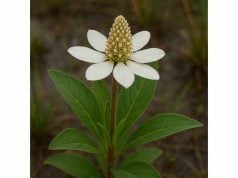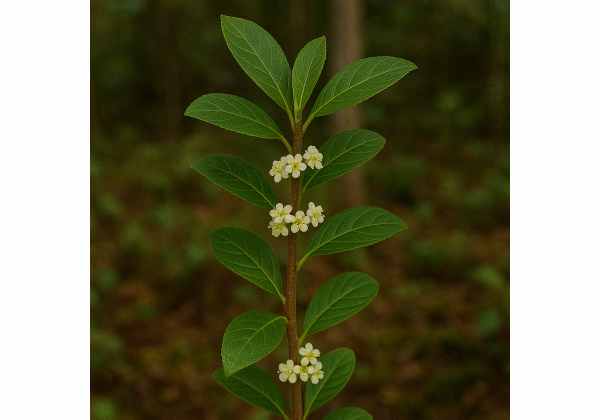
Yerba mate is a traditional South American infusion made from the dried leaves and twigs of Ilex paraguariensis, an evergreen holly tree. For many people, its first appeal is obvious: it offers steady stimulation, a distinctive earthy taste, and a ritual of drinking that feels more intentional than a hurried cup of coffee. But yerba mate is more than a caffeine source. It also contains chlorogenic acids, saponins, theobromine, and other plant compounds that help explain its long-standing reputation for supporting alertness, metabolism, and antioxidant balance.
What makes yerba mate especially interesting is the overlap between cultural use and modern research. It has centuries of traditional use in Argentina, Paraguay, Uruguay, and southern Brazil, yet it is now studied for cardiometabolic effects, glucose handling, and inflammatory pathways. Still, expectations need balance. Yerba mate can be genuinely useful, but it is not a cure-all, and its benefits depend on dose, preparation, timing, and individual sensitivity. Understanding how it works makes it much easier to use well and safely.
Quick Overview
- Yerba mate may improve alertness and reduce fatigue because it contains caffeine and related methylxanthines.
- It may support antioxidant and cardiometabolic health, though the strongest human evidence is still modest.
- A practical intake is about 3 to 6 g dried leaves per 240 to 300 mL cup, usually 1 to 3 cups daily.
- People who are pregnant, highly caffeine-sensitive, anxious, or dealing with uncontrolled blood pressure should avoid medicinal-style use.
Table of Contents
- What Yerba Mate Is and Why It Stands Out
- Key Ingredients and Medicinal Properties
- Yerba Mate Benefits for Energy Metabolism and Heart Health
- Does It Help with Weight Control and Blood Sugar
- How to Use Yerba Mate in Tea Powder and Extract Form
- Dosage Timing and Daily Intake Limits
- Yerba Mate Safety Side Effects and Interactions
What Yerba Mate Is and Why It Stands Out
Yerba mate is a plant infusion prepared from the leaves and young stems of Ilex paraguariensis. It belongs to the holly family, not to the tea plant, yet it occupies a similar place in daily life: it is brewed, shared, and used for both pleasure and function. In its traditional setting, mate is often prepared in a gourd and sipped through a metal straw, with repeated additions of hot water to the same leaves. It may also be served cold as tereré, especially in warm climates.
Part of its appeal comes from how different it feels from other caffeinated drinks. Coffee often delivers an immediate, sharp stimulant effect. Black tea can feel lighter and more tannic. Yerba mate sits somewhere in between. It is earthy, bitter, and slightly grassy, but also layered and adaptable. Many people describe it as alerting without being as abrupt as strong coffee, though that experience depends heavily on serving size and total caffeine.
Its cultural background matters too. Yerba mate is not a trendy laboratory product dressed up as tradition. It has a real place in South American social and medicinal life. Historically, it has been used to increase stamina, ease fatigue, support digestion after meals, and help people stay mentally engaged during long periods of work or travel. That long use history does not prove every modern claim, but it does provide context for why mate has remained important.
From a health perspective, yerba mate stands out because it combines stimulation with a rich polyphenol profile. The leaves provide caffeine, but they also contain chlorogenic acids, saponins, and smaller amounts of related alkaloids such as theobromine. That is one reason mate is often discussed as more than just “herbal coffee.” It is closer to a functional plant beverage with overlapping energy, metabolic, and antioxidant interests.
It also sits in an interesting botanical space beside guayusa for steady energy, another caffeinated holly leaf beverage. Both are traditional drinks with caffeine and chlorogenic acids, but yerba mate is typically more bitter, more widely studied, and more deeply tied to cardiometabolic research.
The best way to think about yerba mate is neither romantic nor dismissive. It is a culturally rooted, stimulant-rich herbal beverage with a strong phytochemical profile and meaningful everyday uses. Its value is real, but it becomes most useful when it is understood as a beverage herb with benefits, limits, and dosing realities rather than as a miracle tonic.
Key Ingredients and Medicinal Properties
Yerba mate’s activity begins with its chemistry. The most recognized compound is caffeine, but that is only part of the story. Mate also contains chlorogenic acids, caffeoylquinic acids, saponins, theobromine, and small amounts of minerals and other phenolic compounds. Together, these give the drink its stimulant effect, bitter structure, antioxidant activity, and much of its medicinal reputation.
Caffeine is the simplest ingredient to understand. It blocks adenosine receptors, which reduces the feeling of sleepiness and increases alertness. That is why mate is commonly used in the morning, before physical work, or during mentally demanding tasks. The caffeine content can vary a great deal depending on the product, the leaf-to-water ratio, repeated pours, water temperature, and whether the blend includes stems or additives. In practice, one serving may be mild while another may rival strong tea or even coffee.
Chlorogenic acids are the next major piece. These polyphenols are also well known from coffee and are frequently discussed in relation to antioxidant balance, glucose handling, and vascular effects. In yerba mate, they help explain why the beverage attracts interest beyond simple stimulation. They may contribute to reduced oxidative stress and may play a role in some of the metabolic effects seen in early human and animal studies.
Saponins are another important group. They are bitter, foam-forming plant compounds that may contribute to anti-inflammatory and lipid-related effects. Yerba mate saponins are one reason the plant is sometimes described as having cardioprotective or cholesterol-related potential, although those benefits remain more suggestive than settled.
Then there are smaller supporting compounds. Theobromine, better known from cacao, may subtly shape the feel of the beverage. It is not the main stimulant in mate, but it may contribute to the drink’s broader methylxanthine profile. There are also rutin, dicaffeoylquinic acids, and other phenolics that help create a chemically dense infusion.
Taken together, these ingredients support several broad medicinal properties:
- Stimulant and wakefulness-promoting
- Antioxidant
- Mildly anti-inflammatory in preclinical models
- Potentially cardiometabolic-supportive
- Potentially appetite- and digestion-modulating
The word “potentially” matters. Yerba mate’s phytochemistry is impressive, but chemistry alone does not guarantee strong clinical outcomes. Some effects are well understood, especially stimulation. Others remain promising but incomplete.
A useful comparison is green tea and its polyphenol profile. Both beverages combine caffeine with antioxidant compounds, but they differ in taste, preparation, and dominant phytochemicals. Green tea leans on catechins, while yerba mate leans more on chlorogenic acids and related compounds. That difference helps explain why the beverages are often discussed together but should not be treated as identical.
So when people ask what makes yerba mate medicinal, the answer is not one miracle compound. It is the combination of caffeine, polyphenols, saponins, and a long history of use that gives the plant its distinctive identity.
Yerba Mate Benefits for Energy Metabolism and Heart Health
Yerba mate’s clearest everyday benefit is improved alertness. Because it contains caffeine, it can reduce fatigue, sharpen wakefulness, and improve the sense of mental readiness. For people who dislike the taste or intensity of coffee, this alone can make mate useful. But research interest has gone further, especially into cardiometabolic and inflammatory markers.
The energy effect is the easiest to explain. Mate can help people feel more awake, more task-ready, and sometimes more physically willing to move. This is one reason it is popular before work, study, exercise, or long driving periods. It is not unique in this respect, but its blend of caffeine and other plant compounds may create a different sensory experience than a standard coffee drink.
There is also evidence that yerba mate may affect cardiometabolic health in modest ways. Human trials suggest that regular intake may improve some measures such as blood pressure, inflammatory signaling, endothelial function, or selected lipid markers in certain groups. These findings are encouraging, especially when mate replaces less favorable beverage habits, but they should not be overstated. Benefits are not universal across all studies, and the magnitude is usually moderate rather than dramatic.
The most realistic health advantages appear to be these:
- Better alertness and reduced tiredness
- A meaningful antioxidant contribution from daily intake
- Possible support for vascular and inflammatory balance
- Potential modest support for lipid and glucose handling in selected people
This does not mean yerba mate should be treated as a cardiovascular treatment. Rather, it may fit into a heart-conscious routine in the same way other polyphenol-rich beverages do: as one useful dietary input among many. Its value becomes more believable when it is seen as part of a broader pattern that includes sleep, exercise, fiber intake, and overall diet quality.
One helpful way to frame mate is in relation to coffee and caffeine intake. Coffee is the more dominant modern stimulant beverage and has its own large research base. Yerba mate is not necessarily stronger or more proven, but it offers a different phytochemical mix and a different drinking culture. For some people, that makes it easier to use regularly and more enjoyable over time.
There is also a practical distinction between short-term and long-term benefits. The alertness effect is immediate and reliable. The possible cardiometabolic benefits are slower, smaller, and dependent on repeated intake. A person will notice the caffeine in a cup of mate the same day. They may never clearly “feel” any improvement in endothelial function or inflammation, even if those changes are occurring.
That difference matters because many people judge herbs by how they feel in the first hour. Yerba mate delivers one clear short-term effect and several possible longer-term advantages. When used with realistic expectations, that is a strength rather than a disappointment.
Does It Help with Weight Control and Blood Sugar
This is the area where yerba mate generates some of the strongest curiosity and the most confusion. It is often marketed for weight loss, appetite control, blood sugar support, and “fat burning.” There is some basis for that interest, but the honest answer is mixed. Yerba mate may help at the margins, yet it is not a dependable stand-alone solution for obesity or diabetes.
Research suggests that yerba mate may improve some glycemic outcomes in selected settings. Recent reviews of randomized controlled trials report promising changes in postprandial glucose, HbA1c, and insulin resistance markers in some groups. At the same time, effects on fasting glucose, body mass index, waist circumference, and lipids have often been inconsistent or not significant overall. That pattern matters. It suggests there may be real physiological activity, but not one that supports exaggerated claims.
Several mechanisms could explain the interest. Chlorogenic acids may influence glucose absorption and post-meal metabolism. Caffeine may raise energy expenditure slightly in the short term. Saponins and polyphenols may affect inflammatory or lipid-related pathways. Yerba mate may also help some people reduce snacking or replace sugary drinks, which can indirectly support weight management. Yet those are modest, behavior-linked benefits, not magic.
The most useful way to think about mate and body weight is practical rather than promotional:
- It may reduce the need for sweetened energy drinks.
- It may modestly blunt appetite in some people.
- It may help energy and motivation for physical activity.
- It may produce small metabolic shifts over time in some users.
Those are real possibilities, but they are not the same as proven fat loss. A person who drinks mate on top of a high-calorie diet and little movement should not expect a meaningful transformation. By contrast, someone who uses it to replace sugar-sweetened drinks and improve morning alertness may notice that it supports better habits.
For blood sugar, caution is equally important. Yerba mate is not a substitute for glucose-lowering medication, a structured meal plan, or medical monitoring. At best, it looks like a promising adjunct beverage in some populations. People with prediabetes or metabolic syndrome may be the most likely to benefit, but even there, the evidence is still developing.
It is also worth comparing expectations with other cognitive or metabolic botanicals. People sometimes look to ginkgo for cognitive support, but mate works through a very different path. Ginkgo is usually discussed for circulation and cognition over time, while mate produces a faster stimulant effect and only a modest metabolic promise.
So does yerba mate help with weight control and blood sugar? Possibly, in moderate and indirect ways. It may be part of a helpful routine. What it does not deserve is a marketing story that turns a traditional caffeinated leaf into a guaranteed weight-loss herb.
How to Use Yerba Mate in Tea Powder and Extract Form
Yerba mate can be used in several ways, and the form matters because the experience and dose can change significantly. The most traditional form is loose leaf prepared in a gourd, but many people now use tea bags, powdered blends, bottled beverages, or standardized extracts.
The classic preparation involves filling a gourd partly with dried mate, tilting it to keep the leaves on one side, inserting a metal straw, and adding hot water gradually. This method encourages repeated pours and extended sipping, which can make the total intake much larger than one ordinary cup. That is part of the ritual, but it is also why beginners sometimes underestimate how much caffeine they are consuming.
A simpler modern approach is to brew mate like tea:
- Use hot but not boiling water, often around 70 to 80 degrees Celsius.
- Steep for 3 to 5 minutes for a lighter cup.
- Steep longer or rebrew for a stronger result.
- Drink it plain or with lemon, mint, or a small amount of sweetener if needed.
Cold-brewed mate or tereré can be a good option for warm weather and may feel gentler, though it is still caffeinated. Ready-to-drink products are convenient but often vary widely in caffeine, sweetness, and added flavors. Some include guarana, sugar, or other stimulants, which changes the product more than many labels make obvious. That is why it helps to read ingredient lists carefully, especially when a beverage markets itself as “natural energy.” In those formulas, the experience may resemble guarana-heavy stimulant blends more than traditional mate.
Extracts are another category. These may appear in capsules, powders, or concentrated liquids, sometimes standardized for caffeine or polyphenols. They can be useful when someone wants consistency, but they also make it easier to consume mate as a supplement rather than a beverage. That shift matters because the body often handles a slowly sipped infusion differently from a fast, concentrated dose.
For everyday use, tea is usually the best place to start. It is easier to titrate, easier to stop if it feels too strong, and closer to the plant’s traditional context. Powdered forms can work in smoothies or functional drinks, but they may blur the line between food and stimulant supplement. Extracts make the most sense for carefully labeled products and for users who understand total caffeine intake from all sources.
In practical terms, mate works best when preparation matches the goal. A mild morning cup is different from an all-day gourd, and both are different from a concentrated pre-workout capsule. Choosing the form with intention is one of the easiest ways to keep the herb useful instead of excessive.
Dosage Timing and Daily Intake Limits
Yerba mate dosing is less about one perfect number and more about managing total exposure. The leaf can be brewed lightly or strongly, served hot or cold, and re-infused several times. Because of that, practical dosage guidance works better than rigid milligram claims.
For loose-leaf tea, a sensible starting point is about 3 to 6 g of dried leaves per 240 to 300 mL cup. Many people do well with 1 to 3 cups daily, especially when they are not also using coffee, energy drinks, or pre-workout stimulants. Traditional gourd drinking may use much more leaf overall, but the extraction occurs gradually and over repeated pours, which makes the actual intake harder to estimate.
A reasonable progression looks like this:
- Start with one modest cup in the morning.
- Assess alertness, heart rate, digestion, and sleep that same day.
- Add a second serving only if you tolerate the first well.
- Avoid increasing dose simply because the flavor becomes familiar.
Timing matters as much as dose. Yerba mate is usually best in the morning or early afternoon. Late-day use can interfere with sleep, especially in people who metabolize caffeine slowly. It can also worsen evening reflux or nervous tension. Taking it with or after food may feel gentler for people who get stomach irritation from bitter or caffeinated drinks on an empty stomach.
For extracts, the label becomes essential. One product may deliver a mild polyphenol-focused dose, while another is designed to act more like a stimulant. It is safest to look for the caffeine content per serving when available and then add that to the rest of your daily intake from coffee, tea, soda, chocolate, or supplements.
In broad safety terms, many healthy adults do best keeping total caffeine under about 400 mg per day from all sources. Some will need much less. People who are pregnant are typically advised to stay below 200 mg per day, though medicinal-style mate use in pregnancy is still not ideal.
A few practical rules help:
- Use less if you are small-framed, anxious, or caffeine-sensitive.
- Use less if you already drink coffee.
- Use less if sleep quality matters more than stimulation.
- Do not assume “herbal” means caffeine-free or gentle.
Some readers mainly want focus and endurance. In that case, mate may fit as a beverage alternative rather than as a stack with multiple stimulants. Others want a milder, more polyphenol-focused routine and may compare it with cocoa and theobromine-rich drinks, which generally stimulate less intensely.
Yerba mate works best when it is budgeted the way coffee should be budgeted: with attention to total intake, timing, and the rest of the diet. More leaf and more pours do not automatically produce better benefits. Often they just produce more caffeine.
Yerba Mate Safety Side Effects and Interactions
Yerba mate is generally well tolerated by healthy adults when used reasonably, but it is not risk-free. The main safety issues relate to caffeine, beverage temperature, stimulant sensitivity, and possible interactions with medications or medical conditions.
The most common side effects are familiar to anyone who has overdone caffeine:
- Jitteriness
- Faster heartbeat or palpitations
- Anxiety or inner restlessness
- Insomnia
- Stomach irritation, nausea, or reflux
These effects are more likely when mate is brewed very strong, consumed repeatedly through the day, combined with coffee or energy drinks, or used by people who are naturally caffeine-sensitive. They are also more likely with concentrated extracts than with ordinary tea.
People who should be especially cautious include those with uncontrolled hypertension, significant anxiety, panic symptoms, insomnia, arrhythmias, reflux disease, and stimulant sensitivity. Pregnancy and breastfeeding also call for caution because mate can meaningfully contribute to caffeine intake. In children and adolescents, regular high-stimulant use is generally a poor fit.
Medication interactions are important too. Yerba mate may compound the effects of stimulants and may be less comfortable when combined with certain asthma drugs, decongestants, high-caffeine pre-workouts, or other activating supplements. It may also feel harsher in people taking medicines that already raise heart rate or disturb sleep.
One safety issue specific to mate is heat. Repeated intake of very hot beverages has been linked with higher esophageal cancer risk, and the concern appears to relate mainly to temperature rather than to mate alone. In plain terms, scalding-hot mate is a bad idea. Letting the drink cool to a comfortable temperature is a simple and meaningful safety step.
There is also variation in product quality. Some commercial yerba mate products differ substantially in flavor, stems, additives, smoke exposure, and caffeine intensity. Bottled beverages may include large sugar loads. Powdered energy blends may contain much more than plain mate. The safest choice is usually a plain, clearly labeled product used in a measured way.
A few simple safety habits make a big difference:
- Do not drink it scalding hot.
- Do not pile it on top of several other caffeine sources.
- Do not use it late if your sleep is already fragile.
- Stop or reduce it if it worsens reflux, anxiety, or palpitations.
For people who want an evening herbal drink instead of a stimulant, peppermint tea for digestion is usually a far better choice than mate after dinner.
Used well, yerba mate can be part of a healthy routine. Used carelessly, it becomes just another overconsumed stimulant. The difference usually comes down to temperature, timing, dose, and self-awareness.
References
- Bioactive Compounds of Ilex paraguariensis: A Critical Update on Extraction, Gastrointestinal Stability, and Technological Applications 2025 (Review)
- Yerba Maté and its impact on glycemic control and metabolic health: a systematic review and meta-analysis 2025 (Systematic Review)
- Yerba Mate (Ilex paraguariensis St. Hill.) Tea May Have Cardiometabolic Beneficial Effects in Healthy and At‐Risk Subjects: A Randomized, Controlled, Blind, Crossover Trial in Nonhabitual Consumers 2025 (RCT)
- Spilling the Beans: How Much Caffeine is Too Much? 2024 (Official Guidance)
- Drinking Coffee, Mate, and Very Hot Beverages 2018 (IARC Monograph)
Disclaimer
This article is for educational purposes only and is not a substitute for medical advice, diagnosis, or treatment. Yerba mate contains caffeine and other active compounds that may not be appropriate for everyone, especially people who are pregnant, breastfeeding, highly caffeine-sensitive, taking stimulant-related medicines, or managing heart rhythm, anxiety, sleep, or blood pressure concerns. Speak with a qualified healthcare professional before using yerba mate in medicinal amounts or alongside prescription drugs.
If this article helped you, please share it on Facebook, X, or any platform you prefer so others can find trustworthy herbal information.