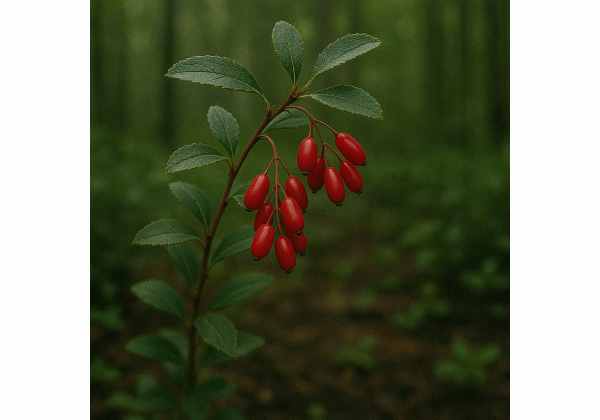
Zereshk, the bright red fruit of Berberis vulgaris, is both a traditional food and a longstanding medicinal plant. It is especially familiar in Persian cuisine, where dried barberries add tartness and color to rice dishes, but its history reaches much further into herbal medicine. Different parts of the plant have been used for digestive complaints, fever, liver and gallbladder support, metabolic health, and inflammatory conditions. That broad reputation comes from a complex chemical profile. The fruit is rich in anthocyanins, organic acids, and antioxidant polyphenols, while the bark and roots contain berberine and related alkaloids that have attracted modern scientific attention.
What makes zereshk especially interesting is that it sits at the meeting point of food, tradition, and pharmacology. It may support cardiometabolic health, antioxidant balance, and inflammatory control, but the evidence is not equally strong for every use. Fruit, extract, and berberine-rich preparations are not the same thing, and that distinction shapes both benefits and safety. A careful guide has to separate them rather than treat “barberry” as one simple remedy.
Top Highlights
- Zereshk may support blood sugar and lipid balance, especially in berberine-rich preparations and standardized supplements.
- The fruit also provides antioxidant polyphenols that may support vascular and inflammatory health.
- A food-based amount such as 10 g dried fruit daily has been used in clinical research, while berberine-style supplements often use 500 mg two or three times daily.
- Fruit, bark, root, and berberine extracts do not have the same strength, chemistry, or safety profile.
- Avoid medicinal use during pregnancy, breastfeeding, in infants, and with diabetes or blood pressure medicines unless a clinician advises it.
Table of Contents
- What Zereshk Is and Why the Plant Parts Matter
- Key Ingredients and Medicinal Properties
- Potential Health Benefits of Zereshk
- Traditional Uses and Modern Therapeutic Interest
- How Zereshk Is Used and Common Preparations
- Dosage, Timing, and How to Think About Different Forms
- Safety, Side Effects, and Interactions
What Zereshk Is and Why the Plant Parts Matter
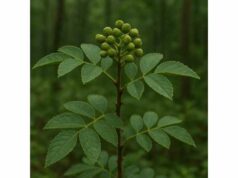
Zereshk usually refers to the fruit of Berberis vulgaris, commonly called barberry. It is a thorny shrub native to parts of Europe, western Asia, and North Africa, and it has been cultivated widely in Iran, where dried zereshk is both a staple ingredient and a recognized traditional remedy. That dual identity matters. Many people first meet zereshk as a food, yet much of the medical interest around the plant comes from compounds concentrated more strongly in the root, bark, and stem than in the fruit itself.
This is one of the most important distinctions in the entire topic. The fruit is valued for tart flavor, anthocyanins, phenolic compounds, and antioxidant activity. The root and stem bark contain much more berberine and related isoquinoline alkaloids, including palmatine, jatrorrhizine, and berbamine. When people talk about blood sugar support, cholesterol effects, antimicrobial activity, or metabolic syndrome, they are often really talking about berberine-rich barberry preparations, not simply a spoonful of dried fruit on rice.
That does not make the fruit unimportant. Quite the opposite. Zereshk fruit has its own value as a polyphenol-rich botanical food, and some human studies have used dried fruit itself. But it does mean readers should avoid a common mistake: assuming that the culinary berry, a whole-plant extract, and a purified berberine capsule all have the same potency. They do not.
Traditional medicine also used different plant parts differently. The berries were often viewed as cooling, sour, and supportive for digestion and feverish states. The bark and roots were used more aggressively for bile-related problems, infections, diarrhea, and metabolic complaints. In modern supplement language, that translates to a spectrum: food-like fruit on one end, pharmacologically stronger alkaloid-rich preparations on the other.
This is also where naming can mislead. “Barberry,” “zereshk,” “Berberis vulgaris,” and sometimes even “berberine” get discussed as if they were interchangeable. They are related, but not identical. Berberine is one important alkaloid found in barberry, not the entire herb. A careful article has to keep those layers separate.
The clearest takeaway is simple: if you want to understand zereshk, you have to ask which part of the plant is being used, in what form, and for what goal. Without those details, the topic becomes vague very quickly.
Key Ingredients and Medicinal Properties
The medicinal profile of zereshk comes from two main chemical families: alkaloids and polyphenols. Which family matters most depends on the plant part. That is why Berberis vulgaris can behave partly like a functional food and partly like a concentrated botanical supplement.
The best-known alkaloid is berberine. It is concentrated mainly in the root, stem bark, and rhizomes rather than the fruit. Berberine is the compound most often associated with blood sugar regulation, lipid effects, gut microbial effects, and anti-inflammatory activity. It is also the reason barberry is frequently mentioned alongside other berberine-containing herbs. Readers who want a deeper look at the isolated compound may find it helpful to compare it with berberine’s metabolic actions and dosing, because many supplement claims about zereshk are really claims about berberine.
Alongside berberine, barberry contains palmatine, jatrorrhizine, berbamine, and other alkaloids that may contribute to antimicrobial, anti-inflammatory, and metabolic effects. These compounds are not equally studied, but they help explain why the whole plant has a broader profile than a single purified extract.
The fruit, however, shifts the picture. Zereshk berries are richer in anthocyanins, phenolic acids, flavonoids, organic acids, and vitamin-associated antioxidant components. These compounds are especially relevant for antioxidant protection, vascular support, and the fruit’s sour, astringent character. This means the berry’s health value is not only “a mild source of berberine.” It also acts as a polyphenol-rich fruit with its own nutritional and phytochemical identity.
From a practical herbal perspective, zereshk’s medicinal properties can be grouped into several broad themes:
- Metabolic support, especially for glucose handling and lipids
- Anti-inflammatory potential, through alkaloids and polyphenols
- Antioxidant activity, especially from the fruit
- Digestive and biliary support, rooted in traditional use
- Antimicrobial potential, shown mainly in experimental settings
It is important not to blur “mechanism” and “proof.” Berberine-rich plants have compelling mechanisms: AMPK activation, effects on glucose transport, modulation of inflammatory mediators, and influence on lipid metabolism. But mechanisms alone do not mean every zereshk product produces strong clinical results. A dried fruit sold as a culinary ingredient is not the same as a standardized barberry alkaloid supplement.
One useful way to think about zereshk is this: the fruit leans more toward food plus antioxidant herb, while the bark and root lean more toward alkaloid-based medicinal herb. The whole plant is pharmacologically interesting, but its behavior changes with the part used. That is why smart dosing and safe use begin with chemistry, not just tradition.
Potential Health Benefits of Zereshk
The most credible potential benefits of zereshk fall into four broad categories: metabolic support, cardiovascular support, inflammatory balance, and antioxidant protection. Even here, though, the strength of evidence depends heavily on whether the preparation is dried fruit, barberry extract, or berberine-rich supplementation.
Metabolic support is probably the strongest modern area of interest. Clinical and meta-analytic data suggest that Berberis vulgaris preparations may improve fasting blood glucose, insulin resistance, triglycerides, total cholesterol, and LDL cholesterol in some populations. These results are encouraging, but they are usually modest rather than dramatic, and many trials are small or heterogeneous. In other words, zereshk appears promising as an adjunct for metabolic health, not as a replacement for established medical care.
Cardiovascular and vascular support is also plausible. Some randomized research on barberry fruit has shown improved flow-mediated dilation and favorable changes in inflammatory biomarkers in people with hypertension. That matters because it suggests the fruit itself, not just purified alkaloids, may have vascular value. Still, the evidence base is not large enough to treat zereshk as a standalone cardiovascular therapy.
Anti-inflammatory and immunomodulatory effects are a third area of interest. Berberine and related compounds appear able to influence inflammatory cytokines, oxidative stress pathways, and cellular signaling linked to chronic low-grade inflammation. This is one reason zereshk is often discussed in relation to metabolic syndrome, obesity, and inflammatory stress. For readers comparing food-based metabolic herbs, cinnamon for blood sugar support is another commonly discussed option, though its chemistry and dosing logic differ from barberry.
Antioxidant support is the clearest benefit of the fruit itself. The berries contain anthocyanins and phenolic compounds that may help protect lipids, blood vessels, and tissues from oxidative damage. This does not make zereshk a miracle “anti-aging” berry, but it does justify interest in the fruit as a medicinal food.
Possible practical benefits may include:
- Mild improvement in lipid markers with regular use
- Support for glucose control when used as part of a broader plan
- Better vascular function in selected cardiometabolic settings
- Additional antioxidant intake from the fruit
- Traditional digestive and appetite-related support
What zereshk has not clearly proven is equally important. It is not established as a cure for diabetes, fatty liver disease, obesity, infection, or hypertension. It may help in these areas, especially as an adjunct, but the leap from “helpful signal” to “treatment answer” is too large for the current evidence.
The most honest conclusion is that zereshk is a high-interest herb with real metabolic and anti-inflammatory promise, especially when berberine-rich forms are involved. But its benefits are best understood as supportive and context-dependent rather than definitive on their own.
Traditional Uses and Modern Therapeutic Interest
Zereshk has a long history that cannot be reduced to one modern supplement claim. In Persian, Middle Eastern, and broader traditional medical systems, barberry was used for digestive discomfort, poor appetite, diarrhea, fever, bile-related complaints, liver sluggishness, and inflammatory states. The sour fruit and the bitter bark played different roles, and that pattern mirrors what modern phytochemistry now suggests.
The fruit was often used in ways that blended food and medicine. Sour berries were taken to cool the body, stimulate appetite, and support digestion. This food-as-medicine pattern remains one of zereshk’s most attractive qualities. It can be part of a meal and still carry meaningful phytochemicals. The bark and root, by contrast, belonged more clearly to medicinal practice and were used in stronger, more astringent, and more bitter preparations.
Modern research interest has narrowed and intensified. Today, zereshk is most commonly studied for:
- Metabolic syndrome and type 2 diabetes support
- Lipid lowering and cardiovascular risk markers
- Inflammation and oxidative stress
- Liver and digestive applications
- Berberine-centered therapeutic effects
This modern focus reflects a broader trend in herbal medicine: a traditional plant becomes especially attractive once one major compound can be tied to known biochemical pathways. In barberry’s case, that compound is berberine. Yet a caution is necessary here. Once a plant becomes “the berberine plant” in the public mind, the fruit’s culinary and antioxidant identity can get overlooked. Zereshk is not only a delivery system for one alkaloid.
Modern therapeutic interest has also expanded to microbiome and antimicrobial questions. Berberine-containing plants have shown relevant activity in gastrointestinal and microbial research, but many of those findings come from isolated berberine, test-tube models, or non-barberry species. That is why a careful writer should not promise that ordinary zereshk fruit behaves like a broad antimicrobial medicine.
Another useful point is that traditional use does not always equal modern ideal use. Historical medicine often used combinations, decoctions, and diagnostic systems that do not map neatly onto present-day supplement bottles. In modern settings, people may take barberry for blood sugar because they have heard about berberine, while another person uses dried zereshk purely as a tart antioxidant food. Both are engaging the same plant, but not the same intervention.
That blend of culinary relevance, traditional depth, and modern biochemical interest is what makes zereshk distinctive. It is not merely a spice, not merely a phytochemical source, and not merely a folk remedy. It lives at the intersection of all three. That richness is also why careful distinction between food use and medicinal use is essential.
How Zereshk Is Used and Common Preparations
Zereshk is used in several very different ways, and the form chosen often determines whether it behaves more like a food or more like a supplement.
The most familiar form is dried fruit. This is the classic culinary zereshk used in rice dishes, stews, and tart fruit mixes. In this form, it acts primarily as a functional food: flavorful, antioxidant-rich, and relatively gentle compared with root or bark preparations. People interested in mild daily use often begin here because food-based forms are easier to integrate and less likely to feel pharmacologically heavy.
A second form is fruit extract. These products are sold in capsules, powders, or liquids and may be standardized loosely to polyphenols or described only as barberry fruit extract. They are often marketed for metabolic support, antioxidant activity, or cardiovascular wellness. This is where label quality matters. A product that does not specify whether it is fruit-only or whole-plant makes it hard to predict what you are taking.
A third form is root or bark extract, which is usually much more relevant to berberine-centered effects. These preparations are more likely to influence glucose, lipids, gut symptoms, and drug interactions. They are also the forms that demand the most caution.
A fourth form is purified or semi-purified berberine supplementation, which may or may not prominently mention barberry on the label. This is common in modern metabolic-health products, but it is really a berberine supplement more than a whole-food zereshk preparation.
Traditional forms have included:
- Decoctions of bark or root
- Sour fruit infusions
- Powders mixed with other herbs
- Food-based medicinal use in meals
Modern consumer use often follows one of these goals:
- Culinary antioxidant use through dried fruit
- Metabolic support through capsules or tablets
- Digestive or liver interest through extracts
- Adjunctive supplement use alongside other metabolic herbs
For digestive comfort alone, many people actually tolerate gentler herbs more easily. Someone mainly seeking stomach soothing may do better starting with ginger for digestive comfort, because zereshk’s stronger alkaloid-rich forms are not always the simplest first-line choice.
A final practical point is that not every “barberry” product reflects traditional zereshk use. Some are highly processed berberine-delivery products. Others are genuinely dried fruit. Still others combine fruit, bark, and unrelated botanicals. A product label that clearly names the species, plant part, and standardized content is far more trustworthy than one that simply says “barberry support.”
The best preparation depends on the goal. Food-like use favors the fruit. Stronger metabolic use often points toward extracts. Safety and clarity improve when that distinction is made from the start.
Dosage, Timing, and How to Think About Different Forms
There is no single universal dose for zereshk because the plant is used in multiple forms. A realistic dosage discussion has to separate dried fruit, whole extracts, and berberine-rich supplements.
For dried fruit, a practical food-based amount can be modest. Human research has used around 10 g of dried barberry fruit per day in some cardiovascular settings. That is a reasonable reference point for food-like use, especially when the goal is antioxidant support or dietary inclusion rather than aggressive metabolic therapy. In practice, this may amount to a small daily serving used in meals.
For barberry fruit extract, the right amount depends heavily on the product. Many labels give ranges in the few-hundred-milligram range, but without a standardized active marker, these numbers can be difficult to compare. A fruit extract standardized to polyphenols is not the same as a whole-plant powder.
For berberine-rich or barberry alkaloid supplements, clinical literature often revolves around 500 mg taken two or three times daily, usually with meals. This dosing pattern reflects berberine-style supplementation more than whole zereshk fruit use, but many readers come to barberry precisely because of that metabolic literature. If a person is using barberry primarily for glucose or lipid support, this is the sort of dosing pattern they are likely to encounter in research and clinical-review summaries.
Timing matters too:
- Take fruit as food with meals or as part of the diet.
- Take berberine-rich supplements with meals to improve tolerance and help align with post-meal glucose control.
- Start low and increase slowly, especially if you are sensitive to digestive side effects.
- Judge results over several weeks, not a few days, for lipid or metabolic goals.
What should someone expect? Not a dramatic overnight effect. Zereshk is better understood as a gradual support herb. If it helps, the effects are more likely to appear as modest improvements in metabolic markers, inflammatory tone, or subjective digestive comfort rather than a strong day-one sensation.
This is also where form selection matters. Someone who wants food-based support may not need an alkaloid-heavy product. Someone who wants structured lipid support might be better served by a clearly standardized supplement. Readers comparing botanicals for cholesterol or liver-related support sometimes also look at artichoke for digestion and cholesterol, which is helpful because it reminds us that different herbs can target similar outcomes through very different mechanisms.
The most important dosage rule is restraint. A culinary fruit amount, a fruit extract, and a berberine capsule should never be treated as interchangeable. Smart use begins by matching the form to the goal, then choosing the lowest sensible amount that fits the purpose.
Safety, Side Effects, and Interactions
Zereshk is often described as both a food and a remedy, which can make it seem automatically gentle. That is only partly true. The fruit is generally the mildest form, especially in culinary amounts. But root, bark, whole-plant, and berberine-rich supplements deserve much more caution.
The most common side effects are gastrointestinal:
- nausea
- abdominal cramping
- diarrhea or constipation
- bloating
- bitter aftertaste
- reduced appetite in some users
These effects are more common with berberine-rich or concentrated preparations than with ordinary dried fruit. Starting low and taking supplements with food can help, but it does not remove interaction risk.
The biggest safety concerns involve pregnancy, breastfeeding, and infancy. Berberine and berberine-containing herbs are generally avoided in these settings because of concerns about bilirubin metabolism and the risk of kernicterus in newborns and infants. This is one of the clearest reasons not to treat barberry as a casual “natural” remedy for everyone.
Medication interactions matter as well. Extra caution is warranted with:
- diabetes medications, because combined blood-sugar-lowering effects may become too strong
- blood pressure medicines, especially if the person is already prone to low readings
- anticoagulants or complex cardiovascular regimens, where herb-drug overlap should be reviewed carefully
- drugs processed through liver transport or enzyme systems, because berberine can affect metabolism and transport pathways
People with liver disease, kidney disease, serious gastrointestinal disease, or major chronic illness should use medicinal doses only with professional guidance. Zereshk may look like a simple fruit, but higher-potency forms behave more like pharmacologically active supplements.
It is also important not to overgeneralize safety from food use. A person who tolerates zereshk in rice may still react poorly to concentrated bark extract or berberine capsules. The move from food to supplement changes the risk calculation.
Who should be especially cautious or avoid medicinal use?
- pregnant or breastfeeding women
- infants and young children
- people taking glucose-lowering medication
- people with unstable blood pressure or multiple cardiovascular medicines
- anyone using high-potency berberine products without supervision
One final safety point is honesty about evidence. While clinical reviews often describe berberine as relatively well tolerated at usual doses, “relatively well tolerated” does not mean universally safe. It means many adults can use it without major problems, provided the dose, form, and context are appropriate.
The safest approach is simple: keep food use separate from medicinal use, respect the difference between fruit and alkaloid-rich extracts, and do not self-prescribe stronger products just because zereshk is familiar in the kitchen.
References
- The effect of barberry supplementation on components of metabolic syndrome: a grade assessment systematic review and meta-analysis of randomized controlled trials 2025 (Systematic Review and Meta-Analysis)
- Anti-inflammatory, antioxidant, and immunomodulatory effects of Berberis vulgaris and its constituent berberine, experimental and clinical, a review 2024 (Review)
- Efficacy of Berberis vulgaris and Berberis integerrima on glycemic indices and weight profile in type 2 diabetic patients: A systematic review and meta-analysis of randomized controlled trials 2024 (Systematic Review and Meta-Analysis)
- The effect of barberry (Berberis vulgaris) consumption on flow-mediated dilation and inflammatory biomarkers in patients with hypertension: A randomized controlled trial 2021 (RCT)
- Berberine and barberry (Berberis vulgaris): A clinical review 2019 (Clinical Review)
Disclaimer
This article is for educational purposes only and does not replace medical advice, diagnosis, or treatment. Zereshk can refer to culinary fruit, whole-plant preparations, or berberine-rich supplements, and these forms do not have the same potency, effects, or safety profile. Do not use barberry or berberine-containing products as a substitute for prescribed care for diabetes, hypertension, high cholesterol, liver disease, or any chronic medical condition. Speak with a qualified healthcare professional before using medicinal doses if you are pregnant or breastfeeding, take prescription medicines, have significant digestive, liver, or kidney disease, or are considering giving any barberry product to a child.
If this article helped you, please share it on Facebook, X, or another preferred platform so others can find a careful, evidence-aware guide to zereshk.