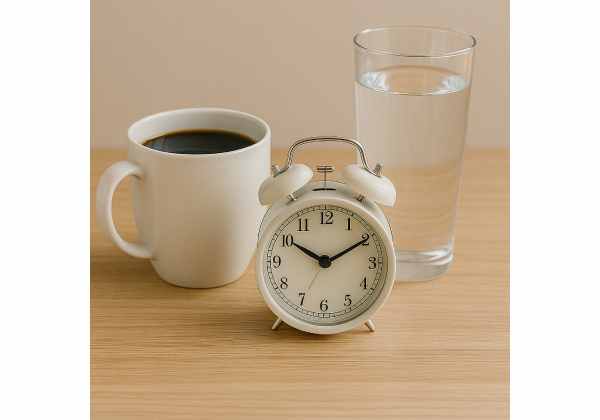
Coffee often enters a weight-loss routine as a quick fix: a mug to blunt hunger, push through a workout, or survive a short night. Sometimes it helps. Sometimes it quietly backfires. The difference is usually not whether you drink caffeine at all, but when you drink it, how much you use, and whether it protects or disrupts the habits that matter most for fat loss.
That is what makes caffeine timing worth paying attention to. A well-timed cup of coffee can make training feel easier, improve alertness, and help you stay consistent on low-energy days. A poorly timed one can chip away at sleep, increase jitteriness, and make cravings and overeating harder to manage later. In this guide, you will learn what caffeine can realistically do for weight loss, the best time to drink coffee, when to stop, how pre-workout timing fits in, and how to build a daily caffeine routine that supports results instead of sabotaging them.
Table of Contents
- What caffeine can and cannot do
- Best time to drink coffee
- When to stop caffeine for better sleep
- Coffee before workouts and meals
- How much caffeine is too much
- A practical daily caffeine plan
What caffeine can and cannot do
Caffeine can support weight loss, but it is a support tool, not a primary driver. That distinction matters because people often expect too much from coffee and too little from the basics. Caffeine may slightly reduce appetite for some people, improve alertness, and make exercise feel easier. Those effects can help you follow through on the habits that actually move body weight over time: eating in a sustainable deficit, training regularly, walking more, and sleeping enough to manage hunger well.
What caffeine does well is improve function in the short term. A cup of coffee can make an early workout feel more manageable. It can sharpen focus when you are trying not to drift into mindless snacking. It can help you feel more ready to move when energy is low. That can indirectly support fat loss because consistency improves when daily friction goes down.
What caffeine does not do well is create meaningful fat loss on its own. Even when it modestly increases alertness, thermogenesis, or training output, those effects are usually small compared with the impact of your overall food intake and activity pattern. You still need a plan that would work even without caffeine. Think of coffee as a lever that can make that plan easier to execute, not as the plan itself.
This is where expectations often go wrong. Someone skips breakfast, drinks two large coffees, crushes hunger until noon, then overeats later because they are wired, underslept, and ravenous. On paper, caffeine looked helpful. In practice, it just delayed the problem. That is why timing matters as much as dose. If caffeine improves your day without disrupting your eating rhythm or sleep, it can be useful. If it pushes your appetite into a rebound cycle, the benefit disappears.
A more realistic way to use caffeine is to ask whether it helps you do one of three things better:
- Keep your energy stable enough to follow your routine
- Train or walk with more consistency
- Avoid using fatigue as a reason to abandon your plan
If the answer is yes, it may be worth keeping. If the answer is no, or if it clearly hurts sleep and appetite control, it needs adjusting. Weight loss still comes back to fundamentals like a sustainable calorie deficit and a routine that you can repeat on ordinary days. Caffeine can support those fundamentals, but it cannot replace them. It works best when it helps you show up for training, steps, meal structure, and recovery, not when it becomes the thing you depend on to “force” fat loss.
Best time to drink coffee
For most people, the best time to drink coffee for weight loss is in the first half of the day, when it can improve alertness and performance without colliding with sleep. That sounds simple, but there are a few useful details under that rule.
Morning caffeine is often the lowest-risk choice because it lines up with when many people want help the most: waking up, getting mentally focused, starting work, or training before the day gets crowded. If you already have a predictable morning routine, coffee fits well there because it is easier to use consistently and easier to keep away from bedtime.
A common online claim says you should always wait 90 to 120 minutes after waking before having coffee. The logic is usually tied to cortisol, but the practical evidence for a mandatory delay is weak. If waiting helps your stomach or prevents you from stacking caffeine too early, that can be a useful personal rule. But it is not a requirement for fat loss or energy management. Many people do perfectly well with coffee soon after waking, especially if they are training early or need to be alert quickly.
A better question is not “How long should I force myself to wait?” but “When does caffeine help me most without pushing later cups too far into the day?” For one person, that is coffee with breakfast at 7:00 a.m. For another, it is coffee at 9:30 a.m. after a short walk and some water. Both can work.
It also helps to think in caffeine windows rather than isolated cups:
- Early morning: useful for wakefulness, commuting, and early exercise
- Late morning: often the best time for a second cup if you want one
- Early afternoon: possible for some people, but this is where sleep risk starts climbing
- Late afternoon and evening: usually the danger zone for people trying to lose weight without disrupting recovery
If you use intermittent fasting, coffee can fit into that pattern too, but be honest about what it does to your appetite. For some people, black coffee makes a fasting window easier. For others, it just delays hunger and leads to a bigger, less controlled first meal later. If that is your pattern, your issue may be less about discipline and more about meal structure, as discussed in intermittent fasting timing.
The best time to drink coffee is the time that gives you a clear upside with the fewest downstream costs. In practice, that usually means front-loading most of your caffeine earlier rather than spreading it across the whole day.
When to stop caffeine for better sleep
If your goal is weight loss, the question “when should I stop caffeine?” matters as much as “when should I start?” Poor sleep can quietly undo the benefits of caffeine by making hunger harder to manage, reducing training quality, lowering daily movement, and increasing the odds of extra evening calories.
For many adults, a good default is to stop full-strength caffeine at least 8 hours before bed. If you are sensitive to caffeine, older, smaller-bodied, prone to anxiety, or regularly notice that sleep feels lighter after an afternoon coffee, a 10- to 12-hour cutoff may fit better. If your intake is modest and you metabolize caffeine quickly, you may tolerate a small dose later than that. But most people underestimate how much afternoon caffeine affects them, especially when the effect shows up as lighter sleep, more awakenings, or feeling “tired but wired” rather than obvious insomnia.
This is where caffeine timing becomes a weight-loss issue rather than just a sleep issue. When sleep drops, appetite often gets louder and cravings get harder to ignore. Decision-making also gets sloppier. The evening dessert you would usually skip becomes more tempting. The workout you planned for the next morning feels negotiable. That is one reason sleep duration matters so much during fat loss: poor recovery makes the whole plan feel harder.
A few signs your caffeine cutoff is too late:
- You fall asleep later than intended even when you feel tired
- You wake during the night more than usual
- Your sleep feels shallow or unrefreshing
- You need more caffeine the next day to feel normal
- Evening hunger or snack cravings are stronger after short sleep
The “more caffeine because I slept badly because I had more caffeine” loop is common. It does not always look dramatic. Sometimes it is just a noon coffee becoming a 2:30 p.m. coffee, then an evening scroll session, then one less hour of sleep, then more caffeine again the next morning.
It also helps to remember that caffeine is not the only sleep variable. Late screens, bright light, and inconsistent bedtimes can amplify the problem. If you are troubleshooting sleep while using caffeine strategically, your cutoff works better when paired with basics like reduced evening screen stimulation and a calmer wind-down, similar to the ideas in blue light and sleep habits.
The simplest approach is to anchor your bedtime first, then count backward. If you usually sleep at 10:30 p.m., your last regular caffeinated drink might be around 2:30 p.m. or earlier. If you sleep at midnight, some people can tolerate a slightly later cutoff. Start conservatively, then adjust based on real sleep quality, not just whether you technically fell asleep.
Coffee before workouts and meals
Caffeine timing gets more interesting when workouts and meals enter the picture. Used well, coffee can improve performance and make movement feel easier. Used poorly, it can crowd out food, worsen hydration habits, or create a crash that makes later eating harder to manage.
For exercise, many people do best with caffeine about 30 to 60 minutes before training, especially when using coffee, espresso, or a standard caffeinated drink. That window often gives enough time for the stimulant effect to build without pushing caffeine too far into the day. This can be especially useful before harder cardio, interval work, or strength sessions that feel mentally demanding. If you are trying to maintain a steady exercise habit, a well-timed coffee may help you get more from the same session and lower the odds of skipping it.
That said, more is not automatically better. A pre-workout drink with a very high caffeine dose may improve alertness while also raising jitters, stomach discomfort, or sleep disruption later. Weight loss depends on repeatable training, not on one over-caffeinated session. In that sense, the best pre-workout caffeine routine is the one that helps you follow the kind of plan outlined in effective weight-loss exercise without making recovery worse.
Coffee around meals is more individual. Some people like coffee with breakfast because it suppresses appetite just enough to prevent grazing. Others end up under-eating early, then arriving at lunch or dinner with extreme hunger. If that sounds familiar, caffeine may be masking hunger rather than helping you manage it.
A few practical patterns tend to work well:
- Coffee with or after breakfast if you want alertness without replacing the meal
- Coffee before a morning or midday workout, then a meal or snack soon after
- Avoid using coffee as the only thing standing between you and obvious hunger
- Keep an eye on whether coffee pushes you toward a late, oversized first meal
Hydration is another factor people overcomplicate. Moderate coffee intake can fit into a healthy hydration pattern, but caffeine should not replace water entirely. If your day starts with two coffees and no water, energy and appetite cues can feel muddier than they need to. Pairing coffee with the basics from smart hydration strategies usually works better than treating coffee as your only morning fluid.
Finally, watch the coffee-plus-food quality trap. A plain coffee is very different from a large blended drink with syrups, whipped cream, and several hundred calories. The caffeine may be the headline, but the add-ins change the energy balance fast. Timing matters, but so does what is actually in the cup.
How much caffeine is too much
For most healthy adults, moderate caffeine intake is more useful than aggressive intake. Once the dose climbs too high, the downside starts to overtake the benefit. You may feel more alert for a while, but jitteriness, anxiety, stomach upset, elevated heart rate, and worse sleep can erase any advantage for weight loss.
A practical way to think about caffeine is by dose ranges, not just by number of drinks, because cups vary widely:
- Low dose: roughly 50 to 100 mg
Often enough for a mental lift or a small pre-walk boost - Moderate dose: roughly 100 to 250 mg
Common for one normal coffee or a stronger pre-workout effect - High dose: roughly 300 to 400 mg or more
More likely to disrupt sleep, trigger side effects, or create dependence
The same amount can feel very different from person to person. Body size, genetics, medications, hormonal shifts, sleep debt, and habitual use all change your response. One person can drink an espresso after lunch and sleep fine. Another feels wired from a mid-morning coffee. That is why rigid rules are less useful than honest pattern tracking.
You should be more cautious if you:
- Are very sensitive to stimulants
- Have anxiety, panic symptoms, reflux, or frequent palpitations
- Are pregnant, trying to become pregnant, or breastfeeding
- Use medications that interact with caffeine metabolism
- Work shifts or already have fragile sleep
This section is also where weight-loss logic often breaks down. People under-eat, sleep badly, and rely on caffeine to keep functioning. Then they need still more caffeine because recovery keeps getting worse. That pattern can raise stress, make cravings louder, and blur hunger cues. When your system feels overstimulated, the issue may not be lack of willpower. It may be that your routine is leaning too hard on caffeine and not enough on food structure, sleep, and recovery.
If you often feel shaky, ravenous later in the day, or unusually reactive to stress, do not only ask whether caffeine is too high. Ask what it is compensating for. Chronic undersleeping and unmanaged pressure can make caffeine feel necessary while also making it less effective. That is one reason poor recovery and stress-related cravings so often travel together.
Sleep loss itself can also make appetite harder to regulate through changes in satiety and hunger signals, which is why the sleep side of caffeine timing matters so much for fat loss. If you are constantly drinking caffeine to offset bad sleep, you may be worsening the very appetite instability that makes weight loss harder, much like the patterns discussed in sleep and hunger hormone changes.
A practical daily caffeine plan
The best caffeine schedule for weight loss is not the most optimized one on paper. It is the one you can repeat without thinking too hard and without damaging sleep. A good plan respects three things: your bedtime, your hardest energy demands, and your personal sensitivity.
A simple structure looks like this:
- Choose your bedtime first.
Your last caffeine cutoff should be built backward from when you actually plan to sleep, not from a generic rule. - Put your main caffeine earlier in the day.
For many people, that means one cup in the morning and, if desired, a second in late morning or early afternoon. - Match caffeine to a purpose.
Drink it to support wakefulness, training, or a demanding mental block of work. Avoid “background sipping” all day. - Set a hard stop.
Once you know your cutoff, treat it as a default rule rather than a daily debate. - Track what happens at night.
If sleep gets lighter, move the cutoff earlier before increasing the dose.
Here are three example patterns:
- Early sleeper: bed at 10:00 p.m.; caffeine around 7:00 a.m. and 11:00 a.m.; stop by early afternoon
- Midnight sleeper: caffeine around 8:00 a.m. and 1:00 p.m.; avoid “just one more” at 5:00 p.m.
- Early-morning trainer: small coffee before training, breakfast after, then one later-morning cup if needed
The most useful refinement is to reduce decision fatigue. Keep your routine boring in a good way. Same mug, same time block, same cutoff. That is how caffeine becomes a tool instead of a temptation. Habit rules tend to work better than daily negotiation, especially if you already use methods like habit stacking elsewhere in your routine.
It is also smart to watch for “calorie creep” around coffee. Sugary drinks, flavored creamers, and routine café add-ons can quietly turn caffeine into a daily energy surplus. If your coffee habit is worth 200 to 400 calories per day, timing alone will not fix the problem. A plain coffee with milk is very different from a dessert-style drink.
Finally, remember that your caffeine plan should still work on weekends, stressful workdays, and travel days. If your schedule only works under ideal conditions, it is not a real plan. A resilient version might mean one strong morning coffee, one optional earlier second cup, and a non-caffeinated afternoon ritual so you do not feel deprived. That could be decaf, herbal tea, sparkling water, or a short walk. Consistency comes from having a replacement, not just a restriction.
The goal is not to squeeze every last stimulant benefit from caffeine. The goal is to use it enough to help your routine and not so much that it damages the sleep and appetite control that weight loss depends on.
References
- The effect of caffeine on subsequent sleep: A systematic review and meta-analysis 2023 (Systematic Review)
- Dose and timing effects of caffeine on subsequent sleep: a randomized clinical crossover trial 2025 (RCT)
- International society of sports nutrition position stand: caffeine and exercise performance 2021 (Position Stand)
- Spilling the Beans: How Much Caffeine is Too Much? 2024 (Government Guidance)
- Caffeine in Foods 2025 (Government Guidance)
Disclaimer
This article is for general educational purposes only and is not a substitute for medical advice, diagnosis, or treatment. If you are pregnant, breastfeeding, highly sensitive to caffeine, have heart rhythm symptoms, anxiety, reflux, or take medications that may interact with caffeine, get individualized advice before making major changes to your intake.
If this article helped you, please share it on Facebook, X (formerly Twitter), or any other platform where it could help someone build a smarter weight-loss routine.