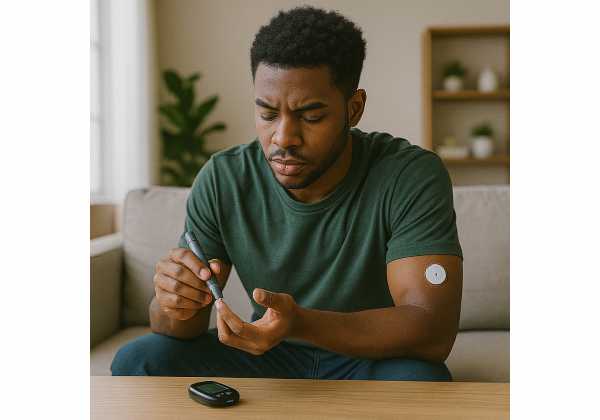
Insulin sensitivity describes how well the body responds to insulin, the hormone that helps move glucose from the bloodstream into cells. Strong insulin sensitivity supports steady energy, healthy body composition, lower cardiometabolic risk, and better aging because the body needs less insulin to handle the same meal. Poor insulin sensitivity, often called insulin resistance, forces the pancreas to release more insulin to keep glucose in range. Blood sugar can look “normal” for years while insulin stays high behind the scenes.
For healthy aging, insulin sensitivity is not a single lab value or a perfect fasting glucose reading. It is a pattern across waist size, muscle mass, triglycerides, HDL cholesterol, blood pressure, fasting insulin, A1c, post-meal glucose, sleep, movement, and liver health. The most useful targets are practical: keep glucose stable, build muscle, reduce visceral fat, improve fitness, and catch rising risk early enough to reverse course.
Table of Contents
- What Insulin Sensitivity Means
- Why Insulin Sensitivity Matters for Longevity
- Testing and Targets
- Body Composition, Muscle, and Liver Fat
- Food, Timing, and Glucose Patterns
- Exercise, Sleep, and Recovery
- Common Mistakes
- Building Your Personal Targets
What Insulin Sensitivity Means
Insulin sensitivity means the body needs only a modest amount of insulin to move glucose into muscle, liver, and fat cells. After a meal, carbohydrates break down into glucose, blood glucose rises, and the pancreas releases insulin. Insulin tells muscle cells to store glucose as glycogen, tells the liver to reduce glucose output, and helps fat cells store energy when energy intake exceeds immediate needs.
Insulin resistance means the same amount of insulin produces a weaker response. The pancreas compensates by releasing more insulin. Early on, fasting glucose and A1c often stay within standard ranges because the pancreas works harder. This compensation hides the problem. A person can have normal fasting glucose but high fasting insulin, rising triglycerides, increasing waist circumference, fatty liver, post-meal glucose spikes, and fatigue after high-carbohydrate meals.
Insulin sensitivity changes throughout the day. It is usually better after exercise, during active daylight hours, and after good sleep. It often worsens with sleep restriction, high stress, late-night eating, visceral fat gain, inactivity, illness, and certain medications. This is why one lab result never tells the full story.
The most important tissues are muscle, liver, and visceral fat:
- Muscle is the main storage site for meal-derived glucose. More trained muscle gives glucose more places to go.
- The liver controls fasting glucose by releasing stored glucose overnight and between meals.
- Visceral fat sits deep in the abdomen around organs. It sends inflammatory and hormonal signals that worsen insulin resistance.
- Fat cells under the skin store energy more safely than visceral fat. The problem is not body fat alone; it is where fat accumulates and how inflamed or overfilled fat tissue becomes.
Insulin sensitivity also differs from insulin production. Some people make plenty of insulin but respond poorly to it. Others lose beta-cell function, meaning the pancreas cannot make enough insulin. Type 2 diabetes often involves both processes: insulin resistance plus declining insulin secretion. Longevity-focused prevention aims to improve sensitivity early, before the pancreas has to compensate for years.
Why Insulin Sensitivity Matters for Longevity
Strong insulin sensitivity supports healthspan because it protects blood vessels, metabolism, liver function, muscle quality, and brain energy regulation. It does not guarantee long life by itself, but poor insulin sensitivity sits near the center of several major age-related risks.
Insulin resistance raises the chance of prediabetes and type 2 diabetes. It also travels with high blood pressure, high triglycerides, low HDL cholesterol, abdominal fat, fatty liver, sleep apnea, chronic inflammation, and higher cardiovascular risk. These conditions often appear together as metabolic syndrome. The pattern matters more than any single number.
Insulin resistance also affects the brain. The brain does not rely on insulin in the same way muscle does, but insulin signaling influences appetite, blood vessel health, inflammation, and energy handling. Diabetes and midlife insulin resistance are linked with higher risk of cognitive decline. A deeper look at this connection belongs in insulin resistance and brain aging, but the practical message is simple: metabolic health protects more than blood sugar.
High insulin levels also make weight management harder for some people. Insulin itself is not “bad.” It is essential for life. The problem is chronic overexposure: frequent high-calorie intake, low activity, poor sleep, and visceral fat can keep insulin demand elevated for much of the day. Over time, the body loses flexibility. It becomes less efficient at switching between using glucose after meals and using stored fat between meals.
Better insulin sensitivity improves several aging-relevant outcomes:
- Lower fasting and post-meal glucose exposure
- Lower insulin demand for the same meal
- Lower triglycerides and improved HDL patterns
- Less liver fat and lower ALT in many people with fatty liver
- Better blood pressure control
- Easier fat loss or weight maintenance
- More stable energy and fewer food cravings
- Better response to training and carbohydrate intake
For longevity, the aim is metabolic room to maneuver. A metabolically flexible body handles a higher-carbohydrate meal, a missed workout, travel, a poor night of sleep, or a stressful week without a large and lasting glucose disruption. That resilience is built through repeated daily signals: muscle contraction, protein-rich meals, fiber, earlier food timing, adequate sleep, and waist reduction when needed.
Testing and Targets
Useful insulin-sensitivity tracking combines standard diagnostic markers with earlier warning signs. Standard diabetes cutoffs identify disease states. Longevity-focused targets sit upstream of those cutoffs and help detect drift before formal prediabetes appears.
A1c, fasting glucose, and fasting insulin form a practical starting panel. A1c estimates average glucose over roughly 2–3 months. Fasting glucose shows blood sugar after an overnight fast. Fasting insulin shows how much insulin the body needs in that fasting state. Pairing glucose and insulin is more informative than glucose alone; A1c, fasting glucose, and fasting insulin ranges help reveal whether “normal glucose” is being maintained at the cost of high insulin.
A fasting insulin result also allows calculation of HOMA-IR, a rough estimate of insulin resistance based on fasting glucose and fasting insulin. It is not a perfect test, and different labs use different insulin assays, but it helps track direction over time. For people with unclear results, an oral glucose tolerance test or mixed-meal test gives a more dynamic picture. The differences between HOMA-IR, OGTT, and mixed-meal testing become important when fasting labs look acceptable but symptoms, waist size, family history, or post-meal readings suggest higher risk.
| Marker | Standard concern range | Longevity-oriented target zone | How to use it |
|---|---|---|---|
| Fasting glucose | 100–125 mg/dL suggests prediabetes; 126 mg/dL or higher suggests diabetes when confirmed | Often 70–90 mg/dL, with context | Track trend, not one morning reading. Sleep, illness, stress, and late meals shift results. |
| A1c | 5.7%–6.4% suggests prediabetes; 6.5% or higher suggests diabetes when confirmed | Often about 5.0%–5.4% without hypoglycemia or anemia-related distortion | Useful for long-term pattern, but less reliable with anemia, kidney disease, pregnancy, recent blood loss, or altered red blood cell turnover. |
| Fasting insulin | No universal diagnostic cutoff | Commonly low single digits to mid-single digits µIU/mL in insulin-sensitive adults | Best interpreted with fasting glucose, waist size, triglycerides, HDL, and repeat testing. |
| HOMA-IR | No single global cutoff | Often below 1.5 as a favorable pattern; rising above 2 suggests closer review | Use as a trend marker. Lab methods and population differences affect interpretation. |
| Triglycerides | 150 mg/dL or higher is elevated | Often below 100 mg/dL, especially with healthy HDL and waist size | Rises with insulin resistance, excess alcohol, high refined carbohydrate intake, and liver fat. |
| Waist-to-height ratio | Higher values suggest more abdominal risk | Often below 0.5 | Simple home metric that reflects visceral-fat risk better than weight alone. |
Continuous glucose monitoring adds another layer when used correctly. A CGM shows post-meal peaks, overnight glucose, dawn rise, and variability. It does not measure insulin. A flat glucose line after a meal does not prove strong insulin sensitivity if the pancreas released a large amount of insulin to keep glucose controlled. Still, continuous glucose monitoring for healthy aging helps identify meals, timing, sleep patterns, and stressors that drive glucose higher than expected.
Good targets are also safe targets. Very low glucose is not a longevity badge. Recurrent hypoglycemia, under-eating, excessive fasting, or overtraining can raise stress hormones and harm sleep, thyroid patterns, mood, performance, and muscle. The best metabolic profile combines normal glucose, modest insulin demand, strong muscle, stable energy, good sleep, and sustainable eating.
Body Composition, Muscle, and Liver Fat
Body composition often predicts insulin sensitivity better than scale weight alone. Two people with the same body mass index can have very different metabolic risk. The difference often comes from muscle mass, visceral fat, liver fat, fitness, genetics, sleep, and medication exposure.
Visceral fat is a major driver. A growing waist, especially when paired with high triglycerides, low HDL cholesterol, elevated blood pressure, or fatty liver markers, often signals worsening insulin sensitivity. Waist circumference and waist-to-height ratio are useful because they capture abdominal risk without needing an imaging test. For home tracking, waist-to-height ratio and waist circumference provide a low-cost way to monitor whether fat loss is occurring in the area most tied to metabolic risk.
Muscle is the counterweight. Contracting muscle pulls glucose from the blood through insulin-dependent and insulin-independent pathways. After exercise, muscle remains more glucose-hungry as it restores glycogen. Strength training adds another advantage: it preserves or builds lean mass, which raises the body’s storage capacity for carbohydrate. In midlife and later life, muscle also protects mobility, bone, balance, and independence.
The liver deserves equal attention. In insulin resistance, the liver often releases too much glucose overnight, which raises fasting glucose and contributes to the dawn phenomenon. Excess liver fat also increases triglyceride production and worsens the lipid pattern commonly seen with insulin resistance. Fatty liver can exist even when liver enzymes are only mildly elevated or still within the lab reference range. When ALT, AST, triglycerides, waist size, or fasting insulin rise together, fatty liver screening and lifestyle treatment become important.
A useful way to think about body composition is “storage quality.” Insulin-sensitive bodies store energy well after meals and release it smoothly between meals. Insulin-resistant bodies struggle with overflow: the liver, visceral fat, and blood lipids carry energy that belongs in active muscle or safer fat stores. Improving storage quality usually requires three moves:
- Reduce excess visceral and liver fat. A 5%–10% body-weight reduction often improves insulin sensitivity when abdominal fat is present.
- Train muscle repeatedly. Two to four strength sessions per week create a stronger glucose sink.
- Keep protein high enough during weight loss. Many adults do better with roughly 25–40 g protein per meal, adjusted for body size, appetite, kidney status, and training needs.
Body recomposition beats aggressive dieting for most longevity goals. Rapid weight loss without resistance training increases the risk of lean-mass loss. Smaller calorie deficits, higher protein, walking, and progressive strength work usually produce a better aging profile than repeated crash diets.
Food, Timing, and Glucose Patterns
Food choices influence insulin sensitivity through glucose load, energy balance, fiber, protein, fat quality, meal timing, and the gut-liver axis. The best eating pattern is not the one that produces the lowest glucose after one meal. It is the pattern that keeps glucose and insulin demand reasonable while supporting muscle, nutrient intake, sleep, and adherence.
A strong metabolic plate usually includes protein, high-fiber plants, minimally processed carbohydrates when tolerated, and healthy fats. Protein slows digestion, supports muscle protein synthesis, and improves satiety. Fiber slows glucose absorption and feeds gut microbes that produce short-chain fatty acids. Whole-food fats from olive oil, nuts, seeds, avocado, eggs, fish, and dairy fit better than large amounts of fried or ultra-processed fats.
Carbohydrate quality matters more than carbohydrate fear. Beans, lentils, oats, barley, berries, cooled potatoes, intact whole grains, and vegetables behave very differently from sweet drinks, candy, pastries, and refined snack foods. For active people with good muscle mass, higher carbohydrate intake often works well, especially around training. For people with abdominal fat, fatty liver, high triglycerides, or large post-meal spikes, reducing refined carbohydrates and moderating starch portions often improves markers quickly.
Meal timing changes the response too. Many adults handle carbohydrates better earlier in the day than late at night. A late, large dinner can raise overnight glucose, worsen reflux, impair sleep, and increase next-morning fasting glucose. Earlier dinners and a consistent overnight fasting window often help. For some, time-restricted eating and circadian meal timing improve glucose control because they reduce late eating and align food with daily insulin sensitivity rhythms.
Breakfast deserves individual testing. Some people see better appetite control and lower evening snacking with a protein-rich breakfast. Others prefer a later first meal and maintain stable energy. The strongest breakfast for insulin sensitivity usually contains 25–40 g protein, fiber-rich plants or minimally processed carbohydrates, and limited added sugar. A sweet breakfast with little protein often creates a glucose rise followed by hunger. More detail on breakfast timing and composition helps when morning glucose, cravings, or energy swings are persistent issues.
Practical food moves that often improve insulin sensitivity within weeks include:
- Replace sweet drinks with water, sparkling water, unsweetened tea, or coffee.
- Add 25–40 g protein to the first meal.
- Eat vegetables, beans, or salad before or with starches.
- Choose intact starches over flour-based starches.
- Keep dessert after a protein- and fiber-rich meal rather than eating sweets alone.
- Stop eating 2–3 hours before bed on most nights.
- Use a 10–20 minute walk after higher-carbohydrate meals.
- Limit alcohol when triglycerides, sleep, liver fat, or waist size are concerns.
Glucose spikes need perspective. A brief rise after a mixed meal is normal. Repeated large spikes, slow returns to baseline, high overnight glucose, or big swings after refined carbohydrates point to lower metabolic resilience. The goal is not a perfectly flat line. The goal is an efficient return to baseline with meals that still provide enough nutrients and pleasure to sustain the pattern.
Exercise, Sleep, and Recovery
Exercise is the most direct non-drug tool for improving insulin sensitivity because muscle contraction moves glucose into muscle even when insulin signaling is impaired. The effect starts during activity and continues afterward as muscle restores glycogen and adapts to training.
The best program combines three layers: daily movement, aerobic conditioning, and strength training.
Daily movement lowers glucose exposure by breaking up sedentary time. A 10–15 minute walk after meals often reduces post-meal glucose more than a single longer walk done at another time. Standing, light chores, stairs, gardening, and frequent movement snacks all help because they prevent long periods of inactive muscle.
Aerobic training improves mitochondrial function and fat oxidation. Zone 2 training—steady, conversational effort—builds the engine that helps muscles use fat and glucose efficiently. Many adults benefit from 2–4 weekly sessions of 30–60 minutes, scaled to fitness and recovery. A structured Zone 2 plan for insulin sensitivity works especially well when paired with post-meal walking and resistance training.
Strength training improves insulin sensitivity while protecting muscle and bone. Two to four weekly sessions using squat, hinge, push, pull, carry, and core patterns are enough for many adults. The training should become gradually harder through more reps, better range of motion, heavier loads, or improved control. The metabolic effects of strength training for insulin sensitivity come from both the workout itself and the long-term increase in muscle quality.
High-intensity intervals also improve insulin sensitivity, but dose matters. Short intervals once or twice per week suit some people. Too much intensity, especially with poor sleep or low calorie intake, can backfire through soreness, injury, appetite spikes, or poor recovery. For longevity, the durable plan wins: mostly easy movement, regular strength work, some moderate conditioning, and occasional intensity.
Sleep is not optional metabolic maintenance. One week of shortened sleep can reduce insulin sensitivity in otherwise healthy adults. Poor sleep increases hunger, cravings, evening snacking, stress hormones, and next-day glucose variability. Sleep apnea is especially important because repeated oxygen drops and sleep fragmentation worsen insulin resistance and blood pressure. Snoring, morning headaches, daytime sleepiness, resistant hypertension, and a large neck or waist justify evaluation.
Stress affects glucose through cortisol and adrenaline. During acute stress, the liver releases glucose to prepare for action. That response is useful in danger and unhelpful when triggered daily by rumination, poor sleep, excess caffeine, or constant work pressure. Stress management improves insulin sensitivity indirectly by improving sleep, food choices, training consistency, and blood pressure.
Recovery anchors the whole system. A person who trains hard, under-eats protein, sleeps 5 hours, and relies on caffeine will not get the same insulin-sensitizing effect as someone who trains consistently and recovers well. The body interprets exercise as a beneficial stress only when repair resources are available.
Common Mistakes
The most common insulin-sensitivity mistakes come from focusing on one signal while ignoring the larger pattern.
Mistake 1: Trusting fasting glucose alone. Fasting glucose often rises late in the process. A person can maintain normal glucose for years with high insulin. Pair fasting glucose with fasting insulin, A1c, waist size, triglycerides, HDL cholesterol, blood pressure, and family history.
Mistake 2: Chasing a perfectly flat CGM line. A glucose rise after a real meal is normal. Overreacting to every rise can lead to unnecessary food restriction, anxiety, and lower diet quality. CGM data is most useful for repeated patterns: late meals, low-protein breakfasts, sleep loss, alcohol, refined carbohydrates, and poor recovery.
Mistake 3: Losing weight without protecting muscle. Scale loss that includes muscle loss reduces long-term metabolic capacity. Any fat-loss phase should include strength training, enough protein, and a pace that preserves performance.
Mistake 4: Using fasting as a substitute for food quality. A shorter eating window does not erase the effect of ultra-processed food, low protein, excess alcohol, or low fiber. Fasting works best when it removes late-night eating and simplifies meal rhythm, not when it becomes a license for poor nutrition.
Mistake 5: Training intensely but sitting all day. A hard workout does not fully cancel 10 hours of sitting. Light movement after meals and breaks during long work blocks improve glucose handling in ways that formal workouts alone may miss.
Mistake 6: Ignoring sleep apnea and short sleep. Many people try to fix insulin resistance with diet while untreated sleep apnea keeps glucose, blood pressure, and hunger signals disrupted. Sleep evaluation is a metabolic intervention when symptoms are present.
Mistake 7: Assuming lean means insulin-sensitive. Lean people can develop insulin resistance, especially with low muscle mass, fatty liver, family history, poor sleep, high stress, menopause transition, certain medications, or low fitness. Waist size, triglycerides, fasting insulin, and post-meal patterns still matter.
Mistake 8: Treating “normal range” as optimal forever. Lab reference ranges describe population distributions and diagnostic thresholds, not always early-risk prevention. A rising A1c from 5.1% to 5.6%, fasting glucose creeping from 86 to 99 mg/dL, or triglycerides rising from 80 to 145 mg/dL deserves attention even before a diagnosis appears.
The correction is pattern literacy. Look for clusters. Rising waist plus rising triglycerides plus higher fasting insulin is more meaningful than a single mildly elevated reading. Improving that cluster is more valuable than optimizing one number while the rest drift.
Building Your Personal Targets
A useful insulin-sensitivity plan starts with baseline measurement, then uses the smallest repeatable changes that move the pattern in the right direction. The target is not perfection. It is a durable metabolic profile that supports energy, strength, vascular health, and healthy aging.
Start with a baseline panel:
- Fasting glucose
- Fasting insulin
- A1c
- Lipid panel, including triglycerides and HDL cholesterol
- Blood pressure
- Waist circumference and waist-to-height ratio
- ALT and AST for liver context
- Body weight trend, ideally paired with strength or body-composition tracking
- Optional CGM, OGTT, or mixed-meal test when standard labs do not explain symptoms or risk
Then set targets by priority. A person with a large waist, high triglycerides, and fatty liver should prioritize waist reduction, alcohol reduction, post-meal walking, protein, fiber, and progressive training. A lean person with post-meal spikes may need more muscle, better carbohydrate timing, sleep improvement, or testing for beta-cell function. A highly stressed person with poor sleep may see limited progress until recovery improves.
A simple 12-week insulin-sensitivity reset looks like this:
- Weeks 1–2: Measure and simplify. Record waist, blood pressure, step count, sleep duration, and basic labs. Remove sweet drinks and late-night snacks. Add protein to the first meal.
- Weeks 3–4: Add post-meal movement. Walk 10–15 minutes after the largest meal. Break up sitting every 30–60 minutes.
- Weeks 5–8: Build muscle signals. Strength train 2–3 times weekly. Use basic movements and add load gradually.
- Weeks 9–12: Improve aerobic capacity. Add 2–3 Zone 2 sessions weekly or extend brisk walking. Keep one full recovery day.
- Retest and adjust. Repeat fasting glucose, fasting insulin, A1c if enough time has passed, triglycerides, HDL cholesterol, waist, and blood pressure.
Targets should match the person’s medical context. Older adults, pregnant people, people taking glucose-lowering medication, athletes in heavy training, people with eating disorder history, and people with kidney, liver, endocrine, or cardiovascular disease need individualized targets. Lower is not always better, especially for glucose when medication, frailty, or undernutrition raises hypoglycemia risk.
Insulin sensitivity improves when the body receives the same message from multiple directions: move often, train muscle, sleep enough, eat protein and fiber, reduce visceral fat, avoid constant late eating, and recover from stress. No single habit carries the full burden. The combined pattern creates the metabolic flexibility that supports longer healthspan.
References
- 2. Diagnosis and Classification of Diabetes: Standards of Care in Diabetes-2026 2026 (Guideline)
- Insulin Resistance & Prediabetes 2025 (Official Page)
- Effect of exercise training on insulin-stimulated glucose disposal: a systematic review and meta-analysis of randomized controlled trials 2023 (Systematic Review)
- Effects of resistance training on insulin sensitivity in the elderly: A meta-analysis of randomized controlled trials 2021 (Meta-Analysis)
- Circadian alignment of food intake and glycaemic control by time-restricted eating: A systematic review and meta-analysis 2024 (Systematic Review)
- Time-Restricted Eating in Adults With Metabolic Syndrome: A Randomized Controlled Trial 2024 (RCT)
Disclaimer
This article is educational and does not replace medical care from a qualified clinician. Insulin sensitivity targets should be individualized, especially for people with diabetes, prediabetes, pregnancy, eating disorder history, kidney disease, liver disease, cardiovascular disease, or medications that affect glucose. Always discuss testing, major diet changes, fasting, and exercise changes with a health professional when medical risk is present.