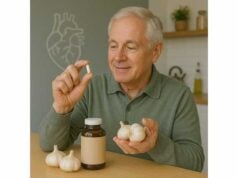
Betaine, also called trimethylglycine or TMG, sits at the crossroads of nutrition, methylation, liver metabolism, and homocysteine control. It is not a proven longevity supplement in the sense of extending human lifespan, but it has a clear biochemical role that makes it relevant to healthy aging: it donates methyl groups that help convert homocysteine back into methionine. That matters because elevated homocysteine often signals problems in one-carbon metabolism, B-vitamin status, kidney function, thyroid function, or rare genetic disorders.
The strongest reason to consider betaine is not vague “methylation support.” It is a measurable pattern: homocysteine is high, the reason has been investigated, B12 and folate are adequate or being corrected, and a clinician agrees that extra methyl-donor support makes sense. Used that way, TMG becomes a targeted tool rather than a forever supplement.
Table of Contents
- What Betaine TMG Is
- How TMG Fits Into Methylation and Homocysteine
- What the Longevity Evidence Shows
- Who Might Benefit From Betaine TMG
- Foods, Doses, and Supplement Forms
- Safety, Side Effects, and Lab Monitoring
- How to Use TMG Wisely
- Common Mistakes With TMG
What Betaine TMG Is
Betaine is a naturally occurring compound made from choline and found in foods such as beets, spinach, quinoa, wheat bran, rye, seafood, and some whole grains. The name “trimethylglycine” describes its structure: a glycine molecule carrying three methyl groups. Those methyl groups are the reason TMG gets discussed in methylation circles.
In the body, betaine has two main jobs. First, it works as an osmolyte, meaning it helps cells manage fluid balance under stress. This role matters in tissues such as the liver, kidney, and gut. Second, it acts as a methyl donor in a specific enzyme reaction that lowers homocysteine. That second role is the reason betaine shows up in discussions about cardiovascular aging, brain health, methylation, and B-vitamin metabolism.
TMG is not the same thing as betaine hydrochloride. Supplement labels create confusion here:
| Form | Main use | Longevity relevance |
|---|---|---|
| Betaine anhydrous or TMG | Methyl donor; homocysteine support | Relevant when homocysteine is elevated and methylation support is appropriate |
| Betaine HCl | Stomach acid support | Not the preferred form for homocysteine-lowering plans |
| Prescription betaine anhydrous | Homocystinuria treatment | Medical use for rare inherited disorders with very high homocysteine |
Most longevity discussions refer to betaine anhydrous or TMG powder/capsules. Prescription betaine is a different context: it treats homocystinuria, a rare disorder in which homocysteine builds up to dangerous levels. That medical use does not mean healthy adults should copy prescription dosing.
Betaine also overlaps with choline. Choline supports cell membranes, acetylcholine production, liver fat export, and methylation. Some choline becomes betaine after oxidation, especially in the liver and kidney. People with low choline intake often have lower methyl-donor reserve, which is one reason nutrition patterns matter before supplementation. For a broader cognitive-nutrition angle, choline and citicoline deserve separate attention because they are not interchangeable with TMG.
How TMG Fits Into Methylation and Homocysteine
Homocysteine is an amino acid made during normal methionine metabolism. It is not something you eat directly in meaningful amounts. Your body makes it, then either recycles it back into methionine or moves it down the transsulfuration pathway toward cysteine and glutathione-related chemistry.
TMG supports one route for recycling homocysteine. In the liver and kidney, the enzyme betaine-homocysteine methyltransferase, often shortened to BHMT, transfers a methyl group from betaine to homocysteine. Homocysteine becomes methionine, and betaine becomes dimethylglycine.
The body has another major remethylation route that relies on folate and vitamin B12. In that pathway, 5-methyltetrahydrofolate donates a methyl group, vitamin B12 helps transfer it, and homocysteine becomes methionine. Vitamin B6 supports the transsulfuration pathway that moves homocysteine toward cysteine.
This means homocysteine is more like a traffic signal than a single diagnosis. A high value points to possible issues in several places:
- Low folate, vitamin B12, or vitamin B6 status
- Low riboflavin status, especially in some MTHFR-related patterns
- Low choline or betaine intake
- Kidney impairment, because kidney function strongly affects homocysteine clearance
- Hypothyroidism, inflammation, smoking, heavy alcohol intake, or certain medications
- Rare inherited disorders such as CBS deficiency or cobalamin metabolism defects
A homocysteine result makes the most sense alongside B12, folate, and homocysteine testing, rather than as a standalone number. Serum B12 alone also misses some cases, so clinicians often add methylmalonic acid, folate, complete blood count, kidney markers, and medication review when the result is unexpected.
Why “more methylation” is not always better
Methylation is a normal biochemical process, not a wellness score that improves endlessly with higher supplement doses. The body uses methyl groups to build and regulate compounds such as creatine, phosphatidylcholine, neurotransmitters, DNA, and detoxification intermediates. It also controls methylation tightly.
The useful question is whether a person has a measurable bottleneck. If homocysteine is high because B12 is low, TMG alone does not fix the B12 problem. If homocysteine is high because kidney function is reduced, TMG does not make the kidneys younger. If homocysteine is normal and the diet already supplies enough choline, folate, B12, and protein, extra TMG has less obvious value.
This is where the language around “methylation support” gets sloppy. TMG supports one methylation route. It does not automatically improve DNA methylation patterns, reverse biological age, or optimize every methyl-dependent process. Methylation biology is tissue-specific, dose-sensitive, and strongly shaped by diet, genetics, age, disease, and medication use.
What the Longevity Evidence Shows
TMG has human evidence for lowering homocysteine. It does not have human evidence proving longer life, fewer heart attacks, dementia prevention, or slower biological aging in healthy adults.
That distinction matters. Homocysteine is associated with cardiovascular disease, stroke, cognitive decline, bone health issues, and all-cause mortality in many studies. Association means higher homocysteine often travels with higher risk. It does not prove that lowering homocysteine with any one supplement always lowers clinical events.
In nutrition trials, betaine tends to lower homocysteine modestly. Effects vary by dose, baseline homocysteine, folate/B12 status, diet, and study length. A person starting at 8 micromol/L should not expect the same response as someone starting at 18 micromol/L. The response also differs between mild elevations and severe genetic homocystinuria.
Cardiovascular aging
The cardiovascular case for TMG rests on a narrow but reasonable chain: elevated homocysteine is linked with vascular risk, betaine lowers homocysteine, and lower homocysteine might reduce some risk in selected people. The weak link is outcomes. Trials of homocysteine-lowering nutrients, especially B vitamins, have not consistently reduced heart attacks or overall cardiovascular events in broad populations.
TMG also raises a lipid-monitoring issue. Some meta-analytic data suggest betaine supplementation lowers homocysteine while increasing total cholesterol and LDL cholesterol, especially at higher doses. That does not make TMG dangerous by default, but it means homocysteine should not be improved at the expense of apoB or LDL-related risk. Anyone using gram-level TMG for several months should track a lipid panel, and ideally apoB or non-HDL cholesterol. For cardiovascular risk monitoring, apoB and non-HDL cholesterol are more direct than total cholesterol alone.
Brain aging
Homocysteine has a stronger brain-health rationale than many supplement claims because B12, folate, vascular health, and brain aging overlap. High homocysteine often appears in people with poor B-vitamin status, cognitive decline, vascular disease, or kidney impairment. Lowering a high number makes sense when the cause is treatable.
TMG still should not be treated as a cognitive enhancer. The first priorities are correcting B12 deficiency, ensuring adequate folate, reviewing medications that affect B12 or cognition, treating sleep apnea when present, managing blood pressure, and improving metabolic health. TMG is a possible add-on when the homocysteine pattern fits.
Liver and metabolic health
Betaine biology is closely tied to the liver. The liver uses methyl groups to support phosphatidylcholine production, very-low-density lipoprotein export, and methionine metabolism. Animal studies make betaine look broadly protective for fatty liver and metabolic stress, but human results are more mixed.
For longevity-minded adults, liver context matters because fatty liver, insulin resistance, triglycerides, and inflammation often cluster. TMG should not become a shortcut around alcohol reduction, weight loss when needed, higher fiber intake, resistance training, and improved sleep. People with abnormal ALT, AST, triglycerides, waist circumference, or insulin resistance need a broader plan. A structured fatty liver screening approach is more useful than adding methyl donors blindly.
Muscle and performance
Betaine has been studied in sports nutrition, often around 2.5 g/day. Some trials suggest small improvements in power, training volume, or body composition, while others find no meaningful effect. These results do not translate cleanly to longevity.
For healthy aging, the proven levers for muscle are resistance training, adequate protein, creatine when appropriate, sleep, vitamin D correction when low, and enough total calories. TMG sits far behind those. It is more defensible as a homocysteine-targeted supplement than as a primary muscle supplement.
Who Might Benefit From Betaine TMG
TMG fits best when the reason for using it is measurable. The clearest non-prescription use case is elevated homocysteine after the basics have been checked.
A typical target range for homocysteine varies by lab and clinician, but many labs consider 5–15 micromol/L broadly normal, with values above 15 micromol/L often labeled elevated. Longevity-oriented clinicians sometimes prefer a narrower range, often around 7–10 micromol/L, but strict “optimal” cutoffs are not universally agreed on. The higher the result, the more important it becomes to look for causes rather than self-treating.
TMG is more worth discussing when:
- Homocysteine is repeatedly elevated, especially above 12–15 micromol/L.
- B12, folate, and B6 status have been assessed or corrected.
- Kidney function and thyroid status do not fully explain the result.
- Diet is low in choline- and betaine-rich foods.
- A person does not tolerate higher-dose B vitamins or needs additional methyl-donor support.
- There is a medical history that makes homocysteine reduction clinically relevant.
People with low B12 intake or absorption risk should address B12 first. This includes vegans, many vegetarians, people using metformin or proton pump inhibitors, older adults with low stomach acid, and people with a history of bariatric surgery. A TMG capsule does not replace B vitamins for homocysteine when a true deficiency is present.
People with kidney disease need extra care. Homocysteine often rises as kidney function declines, and supplements do not erase the underlying filtration issue. Anyone with reduced eGFR, albumin in urine, or known kidney disease should use clinician-guided lab monitoring. The broader marker pattern is covered in eGFR and albumin-to-creatinine ratio testing.
Pregnant people, people trying to conceive, and those with a history of neural tube defect risk should not use TMG as a substitute for folate guidance. Folate has specific clinical roles that TMG does not replace.
People with bipolar disorder, significant anxiety sensitivity, or a history of unusual reactions to methylated supplements should start cautiously and involve a clinician. TMG does not stimulate everyone, but some people report agitation, insomnia, irritability, or headaches with methyl-donor stacks.
Foods, Doses, and Supplement Forms
Food should come first unless there is a clear clinical reason to supplement. Food sources bring betaine along with fiber, potassium, magnesium, polyphenols, protein, and other nutrients that influence cardiometabolic aging.
Good food sources include:
- Wheat bran and wheat germ
- Spinach
- Beets
- Quinoa
- Rye and whole-grain wheat products
- Shellfish and some fish
- Amaranth and other pseudograins
Dietary betaine intake varies widely. A diet built around refined grains, low vegetable intake, and low seafood intake usually provides less. A diet that includes spinach, beets, whole grains, quinoa, and seafood provides more. Choline intake also matters because the body converts some choline into betaine.
Supplement doses vary by purpose:
| Use pattern | Common dose range | Notes |
|---|---|---|
| General low-dose trial | 500–1,000 mg/day | Often used when tolerance is unknown or homocysteine is only mildly elevated |
| Homocysteine support | 1,000–3,000 mg/day | Works best with lab tracking and attention to B12, folate, B6, kidney, and thyroid status |
| Sports nutrition studies | About 2,500 mg/day | Performance effects are inconsistent and not the main longevity use case |
| Medical homocystinuria treatment | Often 6 g/day or more under medical care | Prescription context; requires specialist monitoring |
For everyday supplement use, 500 mg once daily with food is a sensible starting point. If homocysteine remains elevated and the supplement is well tolerated, some adults use 1,000 mg twice daily. Higher gram-level dosing deserves stronger lab monitoring, especially lipids.
TMG powder is usually cheaper than capsules and makes higher dosing easier, but it tastes mildly sweet and can clump because betaine attracts moisture. Capsules are more convenient for 500–1,000 mg dosing.
Take TMG with a meal. Splitting the dose reduces stomach upset for some people. Morning or lunch dosing is a better fit for anyone who notices sleep disruption.
TMG combines easily with a basic homocysteine plan, but stacking too many methyl donors at once creates confusion. Folate, methylfolate, methyl-B12, SAMe, choline, creatine, and TMG all affect methylation demand or supply in different ways. SAMe is more drug-like and more mood-active than TMG, so people considering both should review SAMe in the longevity context before combining them.
Safety, Side Effects, and Lab Monitoring
TMG is generally well tolerated at common supplement doses, but “generally well tolerated” does not mean risk-free. The most common side effects are digestive: nausea, loose stool, stomach discomfort, or a fishy body odor in susceptible people. Fishy odor relates to trimethylamine metabolism and tends to improve when the dose drops or the supplement stops.
Possible side effects include:
- Nausea or stomach discomfort
- Diarrhea or loose stool
- Headache
- Restlessness or insomnia in sensitive users
- Fishy breath, sweat, or urine odor
- Higher LDL cholesterol or total cholesterol in some users
- Higher methionine, especially in specific metabolic disorders
The lipid issue deserves attention. If TMG lowers homocysteine by 1–2 micromol/L but raises LDL cholesterol or apoB enough to worsen cardiovascular risk, the tradeoff is poor. This is why lab tracking beats guessing.
A practical monitoring plan:
| Marker | Why it matters | When to check |
|---|---|---|
| Fasting homocysteine | Shows whether TMG is doing the intended job | Baseline and after 8–12 weeks |
| B12, folate, methylmalonic acid when appropriate | Identifies deficiencies that TMG does not fix | Before or during the first workup |
| Lipid panel, apoB or non-HDL cholesterol | Checks for unwanted lipid changes | Baseline and after 8–12 weeks at gram-level doses |
| Creatinine, eGFR, urine albumin-to-creatinine ratio | Evaluates kidney contribution to high homocysteine | Baseline if homocysteine is elevated |
| TSH and free T4 when indicated | Hypothyroidism can raise homocysteine | When symptoms or labs suggest thyroid issues |
People with homocystinuria or suspected inherited methylation disorders need specialist care. Prescription betaine labeling warns that patients with CBS deficiency can develop high methionine, and cerebral edema has been reported in patients with severe hypermethioninemia. That warning mainly applies to a rare medical setting, but it shows why very high-dose betaine should not be casual.
People using anticoagulants, antiplatelet drugs, seizure medications, psychiatric medications, thyroid medication, or complex supplement stacks should review TMG with a clinician or pharmacist. Not all combinations are dangerous, but symptom changes become harder to interpret when multiple inputs change at once.
How to Use TMG Wisely
A smart TMG trial starts with a reason, a dose, a timeline, and a stop rule. “Longevity support” is too vague. “My homocysteine was 16.8 micromol/L twice, B12 and folate are being corrected, kidney function is stable, and I want to test whether 1 g/day of TMG improves the number without worsening apoB” is a useful plan.
A simple sequence works well:
- Confirm the homocysteine result with a repeat fasting test if the first result was unexpected.
- Check likely causes, especially B12, folate, kidney function, thyroid status, alcohol intake, smoking, and medication effects.
- Improve food first: leafy greens, legumes, whole grains, eggs or other choline sources when appropriate, seafood, and enough protein.
- Start low, such as 500 mg/day with breakfast or lunch.
- Increase only if needed, commonly to 1,000–2,000 mg/day split with meals.
- Retest homocysteine and lipids after 8–12 weeks.
- Continue only if the lab response and side-effect profile justify it.
This approach treats TMG like a measurable intervention, not a belief system. It also keeps the supplement from distracting from larger drivers of healthy aging: blood pressure, insulin sensitivity, strength, sleep, smoking avoidance, alcohol restraint, dental health, and social connection.
TMG also pairs naturally with creatine in one specific way: creatine synthesis uses a large share of the body’s methylation capacity. Taking creatine reduces the need to make all creatine from scratch, which in theory reduces methylation demand. This does not mean everyone needs both, but it explains why some methylation-focused plans include creatine instead of simply adding more methyl donors. For older adults focused on muscle and cognition, creatine for healthy aging often has a stronger practical case than TMG unless homocysteine is elevated.
Common Mistakes With TMG
The biggest mistake is using TMG to treat a story instead of a lab pattern. Methylation symptoms are vague. Fatigue, brain fog, poor sleep, low mood, and exercise intolerance have dozens of causes. TMG is not a diagnostic shortcut.
Another mistake is ignoring B12. If B12 is low, TMG might lower homocysteine through the BHMT pathway while nerve-related B12 problems continue. Numbness, tingling, balance issues, memory changes, anemia, or high methylmalonic acid need direct B12 evaluation and treatment.
A third mistake is using high doses because prescription doses exist. Prescription betaine doses for homocystinuria are designed for rare disorders with severe biochemical disruption. They do not set a wellness dose for healthy adults.
People also over-focus on MTHFR variants. Common MTHFR variants can influence folate metabolism, but genotype alone does not tell you whether TMG is needed. The phenotype matters more: homocysteine level, folate status, riboflavin intake, B12 status, diet, kidney function, and clinical history.
The final mistake is failing to stop. If 8–12 weeks of TMG does not improve homocysteine, or if it worsens LDL cholesterol, apoB, sleep, anxiety, or digestion, continuing out of habit makes little sense. A supplement that does not improve the marker it was chosen for is just noise.
TMG is best viewed as a targeted homocysteine tool with a real biochemical mechanism and modest human evidence. It belongs in the longevity conversation because methylation, vascular health, liver metabolism, and brain aging intersect. It does not belong on a “must take” list for every adult. The right use is measured, conservative, and tied to labs.
References
- Effect of Nutritional Supplements for Reducing Homocysteine Levels in Healthy Adults: A Systematic Review and Network Meta-Analysis of Randomized Trials 2025 (Systematic Review)
- Effects of low-dose B vitamins plus betaine supplementation on lowering homocysteine concentrations among Chinese adults with hyperhomocysteinemia: a randomized, double-blind, controlled preliminary clinical trial 2023 (RCT)
- Effects of betaine supplementation on cardiovascular markers: A systematic review and Meta-analysis 2022 (Systematic Review)
- Health Functionalities of Betaine in Patients With Homocystinuria 2021 (Review)
- Hyperhomocysteinemia 2022 (Review)
- DailyMed – CYSTADANE- betaine powder, for solution 2026 (Drug Label)
Disclaimer
This article is educational and should not replace care from a qualified health professional. Elevated homocysteine has several possible causes, including vitamin deficiency, kidney disease, thyroid disease, medication effects, and rare inherited disorders. Discuss testing, dosing, pregnancy considerations, and medication interactions with a clinician before using gram-level TMG or combining it with other methylation supplements.