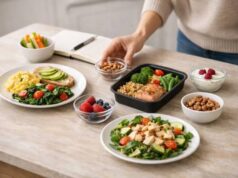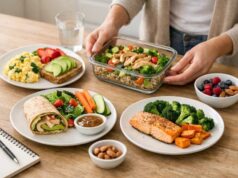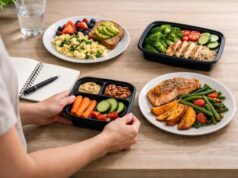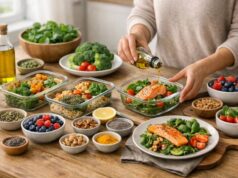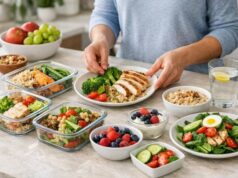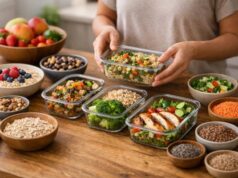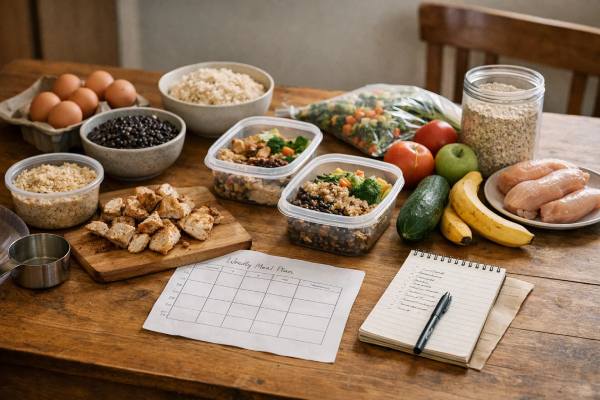
Healthy eating gets expensive fast when every trip to the store turns into a cart full of “diet” products, single-serve snacks, and ingredients you only use once. Budget meal planning for weight loss works better when you ignore the marketing and focus on a short list of filling, flexible foods that can cover several meals. That means more protein and fiber, less waste, fewer convenience purchases, and a plan you can actually repeat next week.
This article explains how to meal plan for weight loss on a budget, which foods give you the most value, how to build a simple week of meals, and where people usually overspend without realizing it.
Table of Contents
- Why Budget Meal Planning Works
- Cheap Foods That Do the Most Work
- Build a Weekly Budget Meal Plan
- A Simple Budget Grocery List
- Low-Cost Meal Ideas for the Week
- Cut Waste and Stretch Your Food
- Common Budget Weight Loss Mistakes
Why Budget Meal Planning Works
Budget meal planning helps with weight loss for a simple reason: it reduces the number of expensive, high-calorie decisions you make when you are tired, rushed, or hungry. When dinner is already planned, lunch is packed, and snacks are intentional, you are less likely to rely on takeout, vending-machine food, coffee-shop extras, or random convenience purchases that quietly wreck both your calorie deficit and your grocery budget.
The biggest shift is mental. Instead of asking, “What sounds good tonight?” you start asking, “What foods can I use in at least two or three meals this week?” That one question improves consistency more than most people expect.
Budget meal planning also pushes you toward the kinds of foods that often work well for fat loss anyway:
- simple protein sources
- filling carbohydrates with good staying power
- high-volume vegetables
- repeatable meals with predictable portions
- fewer impulse foods and less food waste
That is why a budget approach often pairs well with the basics of a calorie deficit. You do not need expensive powders, meal-replacement bars, or tiny portions of premium “clean” foods. You need meals that are satisfying enough to help you stay on track while still fitting your budget.
Another advantage is portion awareness. Budget-minded shoppers usually think harder about how many meals a pack of chicken, a bag of rice, or a carton of yogurt will produce. That naturally leads to more deliberate serving sizes. You are less likely to treat food as endless when you have already mapped out what it needs to cover.
There is also a practical truth that makes cheap meal planning effective: the foods that give the best value are often the foods with the best structure for weight loss. Beans, oats, eggs, potatoes, frozen vegetables, rice, tuna, Greek yogurt, chicken thighs, and ground turkey are not trendy, but they are useful. They are easy to portion, easy to combine, and easy to build into meals that do not leave you starving an hour later.
Most people do not need a complicated budget meal plan. They need a short rotation of affordable breakfasts, lunches, dinners, and snacks that they actually enjoy eating. Repetition is not failure. It is efficiency. If you can cover most of your week with a handful of low-cost staples, you save money, reduce decision fatigue, and make healthy eating much easier to sustain.
Cheap Foods That Do the Most Work
The best budget foods for weight loss are not just cheap. They are cheap and useful. A food earns its place when it is affordable, filling, reasonably nutritious, and flexible enough to work across several meals. That is why smart budget meal planning usually centers on staples instead of specialty products.
A good rule is to build your shopping list around foods that can do at least one of these jobs:
- provide protein
- add volume and fiber
- create inexpensive meal bulk
- store well
- work in more than one recipe
| Food group | Strong budget choices | Why they work for weight loss | Best use |
|---|---|---|---|
| Protein | Eggs, Greek yogurt, canned tuna, cottage cheese, beans, lentils, chicken thighs, ground turkey | Help with fullness and make meals feel complete | Breakfasts, lunches, bowls, soups, snacks |
| Carbohydrates | Oats, potatoes, rice, whole-grain pasta, tortillas, bread, beans | Affordable energy and staying power when portions are sensible | Meal bases, sides, batch cooking |
| Vegetables | Frozen broccoli, mixed vegetables, cabbage, carrots, onions, spinach, canned tomatoes | Add volume for fewer calories and reduce hunger | Stir-fries, soups, skillets, sheet-pan meals |
| Fruit | Bananas, apples, oranges, frozen berries | Easy sweetness, fiber, and snack value | Breakfasts, snacks, yogurt bowls |
| Flavor boosters | Salsa, mustard, soy sauce, hot sauce, garlic, curry powder, taco seasoning | Make cheap staples more satisfying without huge calorie cost | Meal variety without buying many ingredients |
A few categories deserve extra attention.
Beans and lentils are especially strong value foods. They bring fiber, volume, and some protein, which makes them useful for soups, chili, burrito bowls, pasta mixes, and salads. They also stretch pricier proteins further. Half a pound of meat goes much farther when a meal includes black beans or lentils.
Potatoes are often unfairly treated as “bad” diet food, but they are one of the most affordable and filling carb sources you can buy. Baked potatoes, roasted potatoes, and potato bowls can fit very well into weight-loss meals when you watch the butter, oil, and heavy toppings.
Frozen produce is one of the easiest ways to eat better for less. It lasts longer, reduces spoilage, and is usually chopped and ready to cook. For many people, frozen vegetables are more budget-friendly and more realistic than constantly buying fresh produce they do not finish. That is why lists of helpful frozen foods for weight loss usually include vegetables, fruit, and simple proteins before anything else.
Protein staples matter because budget weight loss falls apart when meals are all starch and very little protein. You do not need expensive steak or branded protein foods, but you do want a dependable list. Building around a few basics from a high-protein foods list makes cheap meals much easier to turn into satisfying meals.
The goal is not to buy the absolute cheapest food in the store. It is to buy foods that make staying consistent less expensive.
Build a Weekly Budget Meal Plan
A budget meal plan for weight loss works best when it is built like a system, not like a collection of random recipes. You do not need seven different breakfasts, seven different lunches, and seven different dinners every week. In fact, that usually costs more, wastes more, and makes planning harder.
A simpler approach is to build your week around a repeatable formula.
Start with these five steps:
- Choose two proteins for the week.
Pick one main protein and one backup. Examples: ground turkey and eggs, chicken thighs and Greek yogurt, tofu and canned tuna, or lentils and cottage cheese. - Choose two carbohydrate bases.
Rice and potatoes, oats and tortillas, pasta and beans, or bread and sweet potatoes are enough for most weeks. This keeps variety without forcing you to buy too much. - Choose three vegetables and two fruits.
Mix fresh and frozen. A practical combination might be frozen broccoli, cabbage, onions, bananas, and apples. - Choose one breakfast, two lunches, and two dinners you can repeat.
This is where most people save money. Repeating meals means you buy larger packs, use ingredients fully, and avoid the “one recipe, one expensive ingredient” trap. - Choose one or two planned snacks.
Snacks are where budgets quietly leak. If snacks are part of your week, buy them on purpose instead of improvising.
A useful way to think about the week is:
- one breakfast you can eat 4 to 6 times
- one lunch you can prep
- one second lunch or quick backup
- two dinners you rotate
- one snack option for home
- one portable snack if needed
That kind of structure works especially well if you already think in terms of what to eat in a calorie deficit. Your meals do not need to be perfect. They need to be predictable enough that calories, portions, and hunger stay manageable.
It also helps to choose meals that share ingredients. For example:
- oats, yogurt, bananas, and berries can cover breakfast and snacks
- ground turkey, rice, cabbage, salsa, and onions can make taco bowls and skillet meals
- potatoes, eggs, frozen vegetables, and cottage cheese can cover quick breakfasts or light dinners
- chicken, rice, broccoli, and a sauce can become bowls, wraps, or stir-fries
This overlap is where real savings happen. A good budget meal plan is not about deprivation. It is about efficiency.
If you like more structure, you can also use a repeating weekend routine. One hour of chopping vegetables, cooking a pot of rice, browning meat, and portioning lunches can cover a big part of the week. That is the logic behind a one-hour meal prep plan: do a little work once so you do not pay for disorganization all week.
The best weekly plan is the one you can repeat with small tweaks. Change the seasoning, swap the vegetable, rotate the carb, and keep the system.
A Simple Budget Grocery List
A budget grocery list for weight loss should be boring in the right way. It should not look like a restaurant menu. It should look like a short list of versatile foods you know how to use. The more your list depends on novelty, the harder it becomes to stay affordable.
A practical budget shopping list often includes:
Protein
- eggs
- plain Greek yogurt
- canned tuna or salmon
- chicken thighs or chicken breast on sale
- lean ground turkey or lean ground beef
- beans or lentils
- cottage cheese
- tofu, if it is a good value in your area
Carbohydrates
- oats
- rice
- potatoes
- whole-grain bread or tortillas
- pasta
- beans
- popcorn kernels or plain popcorn
Vegetables
- frozen broccoli
- frozen mixed vegetables
- onions
- carrots
- cabbage
- spinach
- canned tomatoes
- salad greens if you reliably eat them
Fruit
- bananas
- apples
- oranges
- frozen berries
Flavor and cooking basics
- salsa
- mustard
- soy sauce
- hot sauce
- garlic
- a few dried spices
- olive oil or cooking spray
- broth or bouillon
This type of list works because it covers several meal types without forcing specialty purchases. You can turn it into breakfasts, soups, bowls, wraps, snack plates, pasta dishes, and skillet meals with very little extra cost.
When choosing between products, a few simple shopping rules help:
- Compare unit price, not just package price.
- Buy store brands when the ingredient list is essentially the same.
- Use fresh produce for foods you will eat quickly and frozen for foods that often spoil.
- Buy larger packs only when you know you will use them.
- Treat “healthy convenience foods” carefully. Some are useful, but many cost far more per serving than simple staples.
One overlooked budget skill is knowing where to spend a little more. It often makes sense to pay slightly more for foods that improve adherence, such as a yogurt you genuinely like, a seasoning blend you use often, or pre-cut vegetables that prevent takeout later. Budget meal planning is not about buying the cheapest possible option every time. It is about avoiding wasteful spending and putting money where it helps you stay consistent.
If you are just starting, it can help to build your list from a basic weight loss grocery list for beginners and then trim it to the foods you actually eat. A short, repeatable list is usually better than an aspirational one.
Low-Cost Meal Ideas for the Week
The easiest budget-friendly weight-loss meals are the ones that use ordinary ingredients in repeatable combinations. You do not need “cheap diet recipes.” You need inexpensive meals with enough protein, enough fiber or volume, and enough flavor to make them feel satisfying.
Here are practical meal ideas that usually work well.
Breakfast options
- Oatmeal with Greek yogurt and banana
- Eggs and toast with fruit
- Greek yogurt bowl with frozen berries and oats
- Cottage cheese with fruit and a small handful of cereal
- Breakfast burrito with eggs, beans, and salsa
Lunch options
- Turkey, rice, and broccoli bowls
- Tuna and bean salad with chopped vegetables
- Lentil soup with toast or a wrap
- Chicken and cabbage stir-fry
- Egg and potato meal-prep boxes
Dinner options
- Sheet-pan chicken thighs, potatoes, and carrots
- Ground turkey taco bowls with rice, beans, and salsa
- Pasta with lean meat sauce and frozen spinach
- Lentil chili with onions and canned tomatoes
- Stir-fry with rice, mixed vegetables, and eggs or tofu
Snack options
- Greek yogurt
- apples and peanut butter
- cottage cheese and fruit
- popcorn
- boiled eggs
- carrots with hummus
The trick is not simply to choose cheap meals. It is to choose cheap meals that support fullness. Meals built around protein and fiber usually do more for appetite control than meals built mostly around refined snack foods or oversized portions of bread, cereal, or pasta. That is why budget eating tends to work best when you combine economical proteins with filling carbs and vegetables rather than leaning on cheap processed foods alone.
A smart budget week often repeats ingredients in different forms. Ground turkey can become taco bowls one night and stuffed potatoes the next. Oats can be breakfast one day and part of a yogurt bowl on another. Beans can show up in soups, wraps, salads, and chili. This overlap keeps your grocery bill tighter while giving enough variety to stay enjoyable.
You can also mix in faster options for busy days. Meals from cheap high-protein meal ideas or 15-minute weight loss meals are especially helpful when time, not motivation, is the main problem.
If your goal is fat loss, do not focus only on “cheap calories.” Focus on cheap satisfying meals. A large bag of snack crackers may look like a bargain, but it usually does less for hunger than potatoes, eggs, beans, yogurt, or a pot of soup. The lowest-cost food is not always the best value if it leaves you searching for more food soon after.
Cut Waste and Stretch Your Food
One of the fastest ways to lower your food costs is not finding cheaper groceries. It is using more of the groceries you already buy. Food waste is one of the biggest hidden expenses in healthy eating, especially when people buy fresh produce with good intentions but no plan.
A few habits make a big difference.
Cook with a leftovers strategy.
Do not just hope leftovers happen. Decide in advance where they go. Last night’s chicken becomes today’s wrap. Extra roasted vegetables go into eggs. A pot of chili becomes lunch for two days. Cook once, use twice.
Use ingredients in a flexible order.
Eat the most perishable foods first. Salad greens, berries, herbs, and fresh fish need attention earlier in the week. Frozen vegetables, cabbage, carrots, oats, rice, and canned goods can wait.
Stretch expensive foods with cheap foods.
This is one of the best budget skills for weight loss. Add beans to taco meat. Add lentils to pasta sauce. Use potatoes or rice to make a moderate portion of protein more satisfying. Bulk up meals with cabbage, onions, frozen vegetables, or broth instead of adding more calorie-dense extras.
Freeze with intention.
If you know you will not use something in time, freeze it early instead of later. Cooked rice, soups, chili, chicken, bread, berries, and chopped vegetables all freeze well.
Keep one emergency meal category.
This prevents expensive takeout. Good backup meals include eggs and toast, tuna wraps, frozen vegetables with rice and soy sauce, lentil soup, or a potato topped with cottage cheese and salsa.
Another useful tactic is building meals around the ingredients you already have once or twice a week. “Use-up dinners” keep food moving through the kitchen and reduce the need for extra grocery runs. A stir-fry, soup, skillet meal, or grain bowl can absorb a surprising number of leftovers.
This is also where portion planning matters. Buying in bulk only saves money if you actually eat the food. Oversized packs of produce, family-size bakery items, or multi-buy deals can backfire when half gets thrown away. Sometimes the cheaper unit price is still the more expensive choice overall if it creates waste.
Budget meal planning is not only about shopping smarter. It is also about managing your kitchen better after the groceries come home. When ingredients are visible, prepped, and connected to actual meals, healthy eating becomes much less expensive and much less stressful.
Common Budget Weight Loss Mistakes
Many people assume healthy eating is expensive because they keep making the same few budget mistakes. Fixing these often saves more money than hunting for a better coupon or changing stores.
Buying too many “health” products.
Protein bars, meal-replacement shakes, low-carb tortillas, keto snacks, and packaged diet desserts can drain a budget quickly. Some can be useful, but they should not form the backbone of your plan. Simple whole foods usually give better value.
Shopping without checking what you already have.
Buying duplicate rice, spices, frozen vegetables, or canned foods is common. A quick pantry and freezer check before shopping prevents waste and helps you build meals from what is already there.
Planning too many recipes.
Ambitious recipe weeks cost more because they require more unique ingredients. They also tend to leave odd leftovers you never use. A short rotation of repeat meals is usually cheaper and easier.
Underbuying protein and then oversnacking later.
A plan that looks cheap but leaves you hungry often becomes expensive in real life. If your meals are mostly toast, cereal, noodles, and snack foods, you may save money at checkout but spend it back through extra eating later. A few targeted protein purchases usually improve both hunger control and consistency.
Ignoring portion size on calorie-dense foods.
Peanut butter, cheese, nuts, oil, granola, and trail mix can fit into a weight-loss diet, but they are easy to overeat and surprisingly costly per serving. This is one reason the plate method and visual portion guide can be so useful. It keeps meals balanced without making every dinner feel like math.
Treating takeout as a harmless backup.
One or two “emergency” food orders a week can erase a large share of the money you tried to save on groceries. Budget meal planning works best when you expect low-energy days and keep fast home options ready.
Trying to eat like an influencer instead of like yourself.
If you do not normally eat chia pudding, salmon bowls, and artisan smoothie packs, building your budget around them usually fails. Plan around foods you genuinely like and already know how to cook.
In the end, budget weight loss is less about finding the cheapest meal and more about building a system that reduces waste, supports fullness, and limits expensive reactive eating. Cheap food is easy to find. Cheap food that helps you stay consistent is what matters.
References
- Thrifty Food Plan, 2021 2021 (Official Report)
- Obesity in Adults: A 2022 Adapted Clinical Practice Guideline for Ireland 2022 (Guideline)
- Enhanced protein intake on maintaining muscle mass, strength, and physical function in adults with overweight/obesity: A systematic review and meta-analysis 2024 (Systematic Review and Meta-Analysis)
- Downsizing food: a systematic review and meta-analysis examining the effect of reducing served food portion sizes on daily energy intake and body weight 2023 (Systematic Review and Meta-Analysis)
- Cereal Fibers and Satiety: A Systematic Review 2026 (Systematic Review)
Disclaimer
This article is for general educational purposes only. Budget meal planning for weight loss should still be tailored to your calorie needs, medical history, medications, dietary restrictions, and personal preferences, so it is not a substitute for professional medical or nutrition advice, diagnosis, or treatment.
If this article was useful, please share it on Facebook, X, or any other platform where it may help someone eat well and spend less.