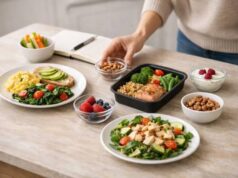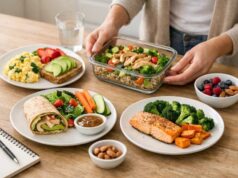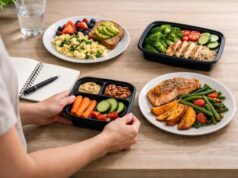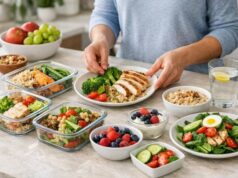
A good weight-loss breakfast is not just low in calories. It should also make the next few hours easier. That means enough protein to blunt hunger, enough fiber or food volume to slow you down, and a calorie level that fits the rest of your day without leaving you desperate for snacks by mid-morning.
The best low-calorie breakfasts are usually simple, repeatable, and built from ordinary foods such as eggs, Greek yogurt, oats, fruit, cottage cheese, and high-fiber breads or cereals. Below, you will find practical calorie targets, meal-building formulas, easy breakfast ideas, common mistakes to avoid, and ways to make breakfast work whether you love eating early or prefer a later first meal.
Table of Contents
- Why low-calorie breakfasts can work
- What keeps you full longer
- Easy low-calorie breakfast ideas
- How to build a filling breakfast
- Common breakfast calorie traps
- Meal prep for busy mornings
- Choosing the right breakfast routine
Why low-calorie breakfasts can work
A low-calorie breakfast can help with weight loss when it creates two things at the same time: a manageable calorie budget and better appetite control. If your breakfast leaves you satisfied on 250 to 400 calories instead of 600 to 900, that difference can make the rest of the day much easier. Over time, those saved calories matter.
But the real advantage is behavioral. Breakfast is often where people either set the tone for the day or accidentally dig an early hole. A filling breakfast tends to reduce impulsive snacking, oversized lunches, and the “I already blew it” mindset that follows a pastry-and-sugary-coffee morning. It can also give structure to the day, which is especially helpful for people who do better with routine.
That said, low-calorie does not mean tiny. A 120-calorie breakfast may technically be low in calories, but if it leaves you hungry an hour later, it often backfires. For many adults trying to lose weight, a more useful target is:
- 250 to 350 calories for a lighter breakfast
- 350 to 450 calories for a more substantial breakfast
- Slightly more if breakfast doubles as a pre-workout meal or if you naturally eat less later in the day
Another key point: breakfast is not mandatory for fat loss. Some people genuinely feel better eating later. Others become ravenous and make poorer choices when they skip it. The goal is not to force a rule. The goal is to find the version of breakfast that helps you stay in a calorie deficit with less friction.
A strong breakfast strategy usually has these traits:
- It is easy enough to repeat several times a week.
- It uses foods you actually like.
- It fits your work schedule and appetite pattern.
- It gives you noticeable fullness for the calories.
That is why the most effective low-calorie breakfasts rarely look flashy. They are built around a short list of foods that digest slowly, provide solid nutrition, and do not create a blood-sugar roller coaster followed by cravings.
What keeps you full longer
Not all 300-calorie breakfasts feel the same in your body. One can carry you comfortably to lunch. Another can leave you opening the snack drawer at 10:00 a.m. The difference usually comes down to protein, fiber, food volume, texture, and how quickly the meal is digested.
Protein is the anchor
Protein is usually the first thing to fix when breakfast is not satisfying. Meals built around eggs, Greek yogurt, cottage cheese, skyr, protein powder, tofu, turkey, or other lean proteins are often far more filling than breakfasts based mostly on refined carbs. For many people, a practical breakfast target is around 20 to 35 grams of protein. This article on protein per meal gives a deeper breakdown of how much is useful across the day.
Fiber slows the meal down
Fiber helps add bulk and can make a relatively low-calorie meal feel bigger. Fruit, oats, chia seeds, berries, high-fiber cereals, beans, vegetables, and whole-grain breads can all help. The goal is not to cram fiber into every bite. It is to combine it with protein so the meal feels steady instead of fleeting. For a closer look at practical targets, see this guide to fiber per meal.
Volume matters more than people expect
A breakfast with a lot of water-rich or air-rich volume usually feels more generous than a dense breakfast with the same calories. Think of the difference between:
- a small bakery muffin
- a bowl of Greek yogurt with berries
- a plate of scrambled eggs with spinach, mushrooms, and tomatoes
- a jar of overnight oats with fruit
The calorie count may be similar, but the physical size and pace of eating are very different.
Chewing and meal structure help
Liquid calories are usually less satisfying than solid food. Smoothies can absolutely work, but many people do better when at least part of breakfast requires chewing. A bowl, wrap, toast, or egg plate often feels more complete than a drink, even at similar calories.
Fat helps, but too much changes the math fast
A little fat improves flavor and staying power. A lot of fat can turn a reasonable breakfast into a calorie bomb without adding much extra fullness. Nut butter, seeds, cheese, avocado, and granola are easy to overshoot. You do not need to avoid them, but measured portions make a big difference.
The sweet spot for most low-calorie breakfasts is simple: high protein, moderate fiber, enough volume to look like a real meal, and just enough fat for flavor. That formula is also the reason breakfasts overlap so much with strategies used in high-protein plate building.
Easy low-calorie breakfast ideas
The easiest way to make breakfast work is to keep a short rotation of meals you can repeat. Variety is nice, but consistency is what usually helps fat loss most. These examples are not rigid prescriptions. They are practical templates you can adjust based on your hunger, calorie target, and food preferences.
| Breakfast | Approx. calories | Protein and fiber | Why it works |
|---|---|---|---|
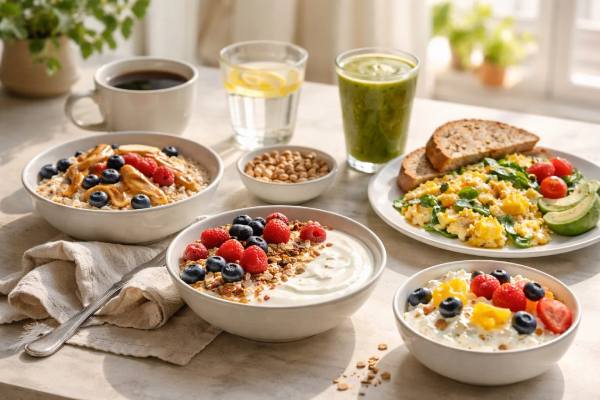
| Nonfat Greek yogurt, berries, and chia seeds | 220–300 | 18–25 g protein, 6–10 g fiber | Fast, cool, high in protein, and easy to portion |
| Two eggs plus egg whites with spinach and salsa | 250–330 | 22–30 g protein, low to moderate fiber | High satiety with very little sugar |
| Overnight oats with protein powder and berries | 300–400 | 25–35 g protein, 6–9 g fiber | Balanced and ideal for busy mornings |
| Cottage cheese, fruit, and a few walnuts | 250–350 | 20–30 g protein, 3–6 g fiber | Great for people who want a savory-sweet option |
| High-fiber toast with scrambled eggs | 280–380 | 20–28 g protein, 5–8 g fiber | Feels like a normal breakfast, not diet food |
| Protein smoothie with fruit, ice, and spinach | 250–350 | 25–35 g protein, 4–8 g fiber | Convenient when chewing a full meal feels hard |
| Breakfast wrap with egg whites, turkey, and vegetables | 300–400 | 25–35 g protein, 5–8 g fiber | Portable and surprisingly filling |
| Skyr or Greek yogurt bowl with cereal and banana slices | 280–360 | 20–30 g protein, 4–7 g fiber | Good for people who want crunch without a pastry |
| Tofu scramble with vegetables and one slice toast | 260–360 | 18–25 g protein, 5–8 g fiber | Useful plant-based option with solid volume |
| Chia pudding with protein yogurt on the side | 300–380 | 20–30 g protein, 8–12 g fiber | Excellent for fullness if you tolerate fiber well |
A few standout combinations work especially well for weight loss:
1. Greek yogurt bowl
Start with plain Greek yogurt, add berries, and finish with chia seeds or a measured spoon of nuts. This gives you protein, fiber, and decent volume without much prep.
2. Protein oats
Oats alone are fine, but oats with added protein are far better for satiety. Stir in protein powder after cooking, or pair oats with Greek yogurt on the side.
3. Egg and vegetable scramble
Eggs plus extra egg whites create a breakfast that feels substantial for modest calories. Add mushrooms, peppers, spinach, onions, or tomatoes to stretch the plate.
4. Smoothie that is actually filling
A good smoothie needs more than fruit. Use protein powder or Greek yogurt, include frozen fruit, add spinach if you like, and use ice for volume. If smoothies tend to leave you hungry, compare your habits with these smoothie ideas for weight loss and keep nut butters, juices, and sweeteners measured.
The best breakfast is usually the one you will make again on Tuesday, not the one that looks most impressive on Sunday.
How to build a filling breakfast
If you do not want recipes, use a formula. A breakfast formula is easier to repeat, easier to track, and easier to adapt when groceries change.
Use this simple structure:
- Pick one main protein.
Examples: Greek yogurt, cottage cheese, eggs, egg whites, tofu, skyr, turkey, or protein powder. - Add one fiber-rich carb or produce source.
Examples: oats, berries, banana, apple, high-fiber toast, beans, or vegetables. - Add volume.
This could be fruit, extra vegetables, ice in a smoothie, or simply a larger serving of low-calorie produce. - Add a small flavor booster.
Examples: cinnamon, salsa, herbs, a measured teaspoon of nut butter, light cheese, or a sprinkle of seeds. - Keep the calorie budget in view.
Low-calorie breakfasts for weight loss work best when they still leave room for lunch, dinner, and snacks you enjoy.
Here are three easy formulas:
- Bowl formula: protein base + fruit + fiber topping
Example: Greek yogurt + berries + chia - Plate formula: eggs or tofu + vegetables + one smart carb
Example: scramble + mushrooms and spinach + one slice toast - Blend formula: protein + fruit + ice + optional greens
Example: whey or soy protein + frozen berries + spinach + ice
If you are unsure how breakfast fits into the bigger picture, it helps to understand what to eat in a calorie deficit rather than obsessing over a single meal. The same applies to calories versus macros. Some people do best when they roughly track protein and calories. Others prefer a more flexible plate-based approach. If you want more structure, this guide to counting macros for weight loss can help.
One overlooked tip is to match breakfast size to real hunger, not ideals. If you are barely hungry at 7:00 a.m., forcing down a huge “healthy” breakfast may not help. A lighter, protein-forward meal can work better. If you are extremely hungry by mid-morning, your breakfast may simply be too small.
That is why a useful breakfast strategy is rarely about perfection. It is about noticing patterns:
- Which breakfast keeps you full the longest?
- Which one leads to snacking?
- Which one is realistic on workdays?
- Which one keeps calories under control without feeling stingy?
When you answer those questions honestly, your best breakfast usually becomes obvious.
Common breakfast calorie traps
Many breakfasts that seem healthy are only “light” on paper. In practice, they are easy to overeat, drink too fast, or top into a calorie range that no longer supports fat loss.
Healthy-looking extras
Granola, nut butter, avocado, honey, dried fruit, full-fat yogurt, cheese, and seeds can all fit in a weight-loss diet. The issue is portion size. A tablespoon can become three very quickly, and those add-ons are dense enough to move breakfast from 300 calories to 600 without changing fullness much.
Coffee drinks that behave like desserts
A plain coffee is very different from a large flavored latte with syrup, milk, sweet cream, whipped topping, or drizzle. For some people, the drink contains almost as many calories as the meal.
Refined-carb breakfasts that disappear fast
Pastries, sugary cereals, oversized muffins, and white bagels can be tasty, but they often provide a lot of calories with limited satiety. That does not mean you can never have them. It means they work better as occasional choices than daily defaults if your goal is appetite control.
Breakfast that is too small to count as a meal
This is the opposite trap. People trying to be “good” sometimes eat a piece of fruit and call it breakfast, then spend the next few hours fighting hunger. That often leads to random snacking, nibbling in the kitchen, or overeating at lunch. A better move is a real breakfast with protein and a clear end point.
Weekend breakfast drift
Weekdays may be disciplined, but weekend brunches often erase the weekly deficit: sweet coffee drinks, restaurant portions, buttery sides, and second helpings. If this pattern sounds familiar, it is not breakfast itself causing the problem. It is portion drift and food environment.
A helpful question is: Would I still choose this breakfast if I had to measure it honestly?
That one question catches most problem foods.
A smarter approach is to keep indulgent breakfast foods, but anchor them. Examples:
- Half a bagel plus eggs instead of a full loaded bagel sandwich
- Pancakes with Greek yogurt on the side instead of pancakes plus bacon plus syrup-heavy coffee
- A bakery item paired with protein, and not treated as the whole meal
The goal is not to remove pleasure. It is to keep pleasure from quietly doubling the calorie cost of the morning.
Meal prep for busy mornings
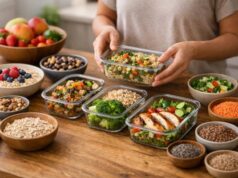
A breakfast is only useful if it happens. That is where meal prep matters. Morning decisions are often made while rushed, distracted, or tired. When breakfast is already handled, you are much less likely to default to pastries, drive-thru choices, or skipping the meal and raiding snacks later.
The easiest prep options are the ones that hold up well for several days:
- Overnight oats in jars
- Washed berries and chopped fruit
- Hard-boiled eggs
- Pre-portioned Greek yogurt bowls
- Cottage cheese cups with fruit
- Frozen smoothie packs
- Egg muffins or baked egg cups
- Breakfast wraps made ahead and refrigerated or frozen
A practical 30-minute breakfast prep session
You do not need a big Sunday production. In half an hour, you can usually prep enough breakfasts for several workdays.
- Boil eggs or bake egg muffins.
- Portion yogurt into containers.
- Mix two to four jars of overnight oats.
- Wash fruit or divide frozen fruit into smoothie bags.
- Put grab-and-go items at eye level in the fridge.
This kind of setup works especially well if you rotate between only two or three breakfasts. It cuts down on decision fatigue and makes your diet feel automatic instead of effortful.
People who enjoy more structure often do well with dedicated high-protein breakfast meal prep, while people with chaotic schedules may prefer the faster templates from 15-minute meals for weight loss.
A few prep tips make a noticeable difference:
- Keep at least one no-cook breakfast available.
- Freeze a backup option for rough mornings.
- Pre-portion calorie-dense toppings instead of free-pouring them.
- Store your best option where you will see it first.
- Have one breakfast that can be eaten in the car or at your desk if needed.
This is where many successful weight-loss routines become boring in the best possible way. The breakfast is not exciting. It is just there, ready, and good enough. That level of convenience often beats a more creative plan that falls apart after three days.
Choosing the right breakfast routine
The right breakfast routine depends on your appetite, work pattern, exercise timing, and the moments when your diet usually unravels. The question is not just, “What is healthiest?” It is, “What helps me stay consistent?”
If you get hungry early
Eat a proper breakfast within the first part of your morning. Focus on protein first, then add fiber and volume. This group usually does well with eggs, yogurt bowls, oats with protein, or breakfast wraps.
If you are not hungry right away
You do not need to force a large meal. A lighter breakfast such as yogurt, a smoothie, or cottage cheese with fruit may be enough. Some people simply do better eating later, but they still need a plan for hunger when it arrives.
If you work out in the morning
A small pre-workout meal may be better than a full breakfast, especially if intense exercise makes eating feel uncomfortable. Then you can eat a more balanced breakfast afterward. Think banana plus yogurt before, then eggs and toast after.
If you overeat later in the day
Breakfast may be more valuable than you think. Some people discover that a higher-protein morning dramatically reduces late-day cravings and evening snacking. Others notice that skipping breakfast becomes a permission slip for overeating later. If that pattern sounds familiar, this article on breakfast skipping and later cravings is especially relevant.
If you prefer fewer meals
That can still work. Weight loss depends on the day as a whole, not breakfast alone. But make sure “I am not a breakfast person” is a genuine preference, not a pattern that leads to rebound hunger, drive-thru lunches, and mindless grazing.
The most effective routine is usually the one that reduces friction and improves appetite control. For one person, that is a 300-calorie yogurt bowl at 7:30 a.m. For another, it is a late-morning egg wrap after the first work block. Neither is automatically superior.
A simple rule helps: Choose the breakfast pattern that makes the next decision easier.
If your breakfast helps you arrive at lunch calm, focused, and moderately hungry instead of starving, it is probably doing its job.
References
- Dietary Guidelines for Americans, 2025–2030 2026 (Guideline)
- Position of the Academy of Nutrition and Dietetics: Medical Nutrition Therapy Behavioral Interventions Provided by Dietitians for Adults With Overweight or Obesity, 2024 2024 (Position Statement)
- The role of dietary fibers in regulating appetite, an overview of mechanisms and weight consequences 2024 (Review)
- Are Dietary Proteins the Key to Successful Body Weight Management? A Systematic Review and Meta-Analysis of Studies Assessing Body Weight Outcomes after Interventions with Increased Dietary Protein 2021 (Systematic Review and Meta-Analysis)
- Effect of breakfast on weight and energy intake: systematic review and meta-analysis of randomised controlled trials 2019 (Systematic Review and Meta-Analysis)
Disclaimer
This article is for general educational purposes only. It is not a substitute for personalized medical, nutrition, or weight-loss advice, especially if you have diabetes, a history of disordered eating, gastrointestinal issues, or take medications that affect appetite or blood sugar.
If you found this article useful, please share it on Facebook, X, or your preferred platform to help other readers build easier, more filling breakfasts for weight loss.