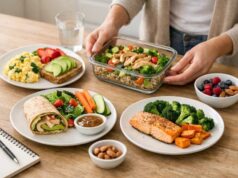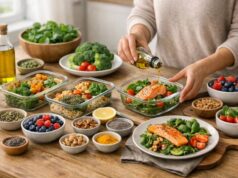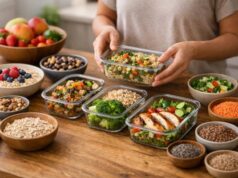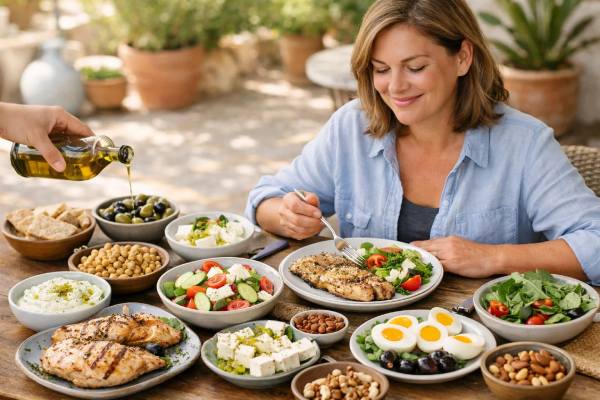
A high-protein Mediterranean diet for weight loss blends two ideas that work well together: the food quality and sustainability of Mediterranean eating, and the hunger-control benefits of higher protein intake. The result is not a rigid diet built around shakes and chicken breast alone. It is a practical way to eat more fish, yogurt, legumes, vegetables, olive oil, fruit, and whole grains while still giving protein a more deliberate role in each meal.
That makes this approach especially useful for people who want to lose fat without feeling like they are living on low-fat diet food or cutting out entire food groups. The key is understanding which Mediterranean foods are naturally protein-rich, how to set macros without overcomplicating them, and how to build meals that are both satisfying and realistic enough to repeat.
Table of Contents
- What a high-protein Mediterranean diet actually means
- Why it can work well for weight loss
- Best foods to build your plan around
- How to set macros without making it complicated
- How to build meals that are filling and balanced
- Sample meal ideas for a high-protein Mediterranean approach
- Mistakes that make this style of eating less effective
What a high-protein Mediterranean diet actually means
A high-protein Mediterranean diet is not a traditional Mediterranean diet with unlimited meat added on top. It is a Mediterranean-style eating pattern that keeps the core structure intact while shifting more of your meals toward foods that raise protein intake in a balanced way.
The Mediterranean pattern itself is centered on vegetables, fruits, beans, lentils, whole grains, olive oil, herbs, nuts, seeds, seafood, yogurt, and moderate amounts of poultry, eggs, and cheese. Red and processed meat are usually less central, and ultra-processed foods are not the foundation. A higher-protein version keeps that same overall pattern but pays closer attention to how much protein shows up across the day.
That usually means meals are built around one clear protein anchor instead of letting protein appear by accident. Breakfast might include Greek yogurt, cottage cheese, eggs, or a higher-protein overnight oats setup. Lunch might use tuna, salmon, chicken, lentils, or chickpeas as the center of the meal instead of treating them like a small add-on. Dinner often leans on fish, shrimp, lean poultry, beans, tofu, or a yogurt-based sauce paired with vegetables and a sensible starch.
The important distinction is that this is still a food-pattern approach, not a bodybuilding cut disguised as Mediterranean eating. Olive oil still has a place. Whole grains still fit. Fruit still fits. Beans still matter. The goal is not to make the diet ultra-low-carb or ultra-low-fat. The goal is to make the Mediterranean pattern more supportive of appetite control, muscle retention, and easier fat loss.
In practice, a high-protein Mediterranean diet often feels more satisfying than a standard “healthy eating” plan because it reduces the common problem of meals that are heavy on produce and carbs but too light on protein. That matters during weight loss, when satiety gets more important, not less. It also fits naturally with the broad structure of a Mediterranean-style menu while borrowing some of the more deliberate meal construction seen in a high-protein, high-fiber meal plan.
One useful way to think about it is this: Mediterranean eating gives you the food quality. Higher protein improves the staying power. Together, they can create a more effective and sustainable weight-loss pattern than either idea poorly applied on its own.
Why it can work well for weight loss
A high-protein Mediterranean diet can work well for weight loss because it addresses several of the biggest reasons people struggle in a calorie deficit. It helps with fullness, keeps meal quality high, and makes it easier to avoid the cycle of eating “healthy” but still feeling unsatisfied.
Protein is the most obvious advantage. Compared with meals that are mostly refined carbs or low-protein snack foods, higher-protein meals tend to keep people full longer and reduce the urge to keep grazing. That does not mean protein is magic. You still need an overall calorie deficit to lose weight. But it does mean the deficit is often easier to maintain when meals actually hold you.
The Mediterranean side of the equation matters just as much. This pattern is naturally rich in foods that improve meal volume and quality: vegetables, legumes, fruit, soups, salads, fish, yogurt, whole grains, and olive oil used with purpose rather than excess. That combination can be especially helpful because weight loss often works best when hunger is managed through more than one lever. Protein helps, but protein plus fiber, food volume, and a reasonable amount of healthy fat usually works better.
There is also a consistency advantage. Many people can follow strict diets for a week or two. Fewer can follow them for months without burnout. Mediterranean-style eating tends to be easier to live with because it is flexible, social, and not built around constant restriction. You can eat grilled fish with potatoes and salad, a bean soup with Greek yogurt, or a chicken and grain bowl with olive oil and herbs and still feel like you are eating normal food.
Another benefit is that this approach often supports better food quality without requiring perfection. It naturally nudges meals away from highly processed combinations that are easy to overeat and toward foods that are more filling calorie for calorie. That aligns well with foods that work well in a calorie deficit and the broader logic behind reducing hunger while losing weight.
A higher-protein Mediterranean approach may also be easier on adherence than more extreme diet styles. Very low-carb or very low-fat plans can work for some people, but many struggle with their rigidity. A Mediterranean framework lets you keep variety and enjoyment while still making your meals more strategic. That balance matters because the best weight-loss diet is rarely the most aggressive one. It is the one you can repeat long enough for results to accumulate.
The main point is not that Mediterranean eating is automatically perfect for fat loss. It is that when you combine its food pattern with more intentional protein intake, you get a structure that is often easier to follow, easier to recover on, and less likely to leave you chasing snacks two hours after every meal.
Best foods to build your plan around
The best foods for a high-protein Mediterranean diet are the ones that raise protein without pulling you away from the core pattern. That usually means leaning on seafood, Greek yogurt, cottage cheese, eggs, legumes, poultry, and a moderate amount of cheese, while still keeping vegetables, fruits, olive oil, and whole grains in regular rotation.
Top protein-rich Mediterranean staples
These foods do most of the heavy lifting:
- Greek yogurt
- Skyr or strained yogurt if available
- Cottage cheese
- Eggs
- Tuna
- Salmon
- Sardines
- Shrimp
- White fish such as cod or haddock
- Chicken breast or thigh
- Turkey
- Lentils
- Chickpeas
- White beans
- Black beans
- Edamame
- Tofu
- Tempeh
- Feta, ricotta, or Parmesan in moderate amounts
Seafood is especially useful because it fits the Mediterranean pattern naturally and often provides a lot of protein for relatively modest calories. Greek yogurt is another standout because it can work at breakfast, in snacks, or as a creamy sauce base. Legumes deserve special attention too. They are not as protein-dense as fish or chicken, but they bring protein, fiber, and meal volume together in a way that makes Mediterranean eating more satisfying.
Supporting foods that make meals work better
A high-protein Mediterranean plan is not built from protein foods alone. It also depends on foods that add volume, balance, and flavor:
- Tomatoes
- Cucumbers
- Leafy greens
- Peppers
- Zucchini
- Eggplant
- Broccoli
- Cauliflower
- Onions
- Berries
- Citrus fruit
- Apples
- Oats
- Potatoes
- Farro
- Quinoa
- Brown rice
- Whole grain bread
- Olive oil
- Olives
- Herbs, garlic, lemon, and vinegar
These foods matter because they make protein-rich meals feel like complete meals instead of diet plates. A bowl of lentils with vegetables and olive oil, grilled salmon with potatoes and salad, or yogurt with berries and oats is much easier to sustain than plain protein with no supporting structure.
Foods to keep more limited
This style of eating usually works best when these foods are present less often or in smaller amounts:
- Processed meats
- Large amounts of fatty cheese
- Pastries and refined bakery foods
- Sugary drinks
- Fried takeout
- Heavy creamy sauces
- Frequent desserts disguised as “healthy treats”
That does not mean total avoidance is required. It just means these foods should not crowd out the more useful staples. If you want a broader reference point for building your list, the choices here overlap naturally with a high-protein foods list and with healthy fats that support satiety.
How to set macros without making it complicated
Macros for a high-protein Mediterranean diet do not need to be rigid, but they do need to be intentional. The goal is not to hit one exact ratio that works for everyone. The goal is to set protein high enough to support fullness and muscle retention, keep fats mostly coming from Mediterranean-style sources, and let carbs fill in the rest according to your calories, preferences, and activity.
For many people trying to lose weight, protein lands well at roughly 25 to 35 percent of total calories, or more practically, around 1.6 to 2.2 grams per kilogram of target or current body weight depending on body size and training status. That is often enough to feel meaningfully higher in protein than a standard diet without turning every meal into a protein challenge.
Dietary fat in this style of eating is usually moderate, not low. A rough range of 30 to 40 percent of calories can make sense for many people, especially because Mediterranean eating naturally includes olive oil, nuts, seeds, olives, and fatty fish. The key is that “healthy fat” still counts toward calories. Olive oil is nutritious, but pouring freely can shrink your deficit faster than expected.
Carbohydrates usually make up the remaining calories. In a high-protein Mediterranean setup, carbs often come from fruit, legumes, potatoes, oats, whole grains, beans, and dairy rather than mostly from refined snack foods. Many people feel best keeping enough carbs to support training, mood, and meal enjoyment rather than automatically forcing the diet low-carb.
| Macro | Practical target | Main food sources |
|---|---|---|
| Protein | Often 25–35% of calories | Fish, yogurt, eggs, poultry, legumes, tofu, cottage cheese |
| Fat | Often 30–40% of calories | Olive oil, nuts, seeds, olives, fatty fish, avocado |
| Carbs | Usually the remainder | Fruit, beans, lentils, oats, potatoes, whole grains, vegetables |
If you do not want to track macros closely, a simpler method works well: aim for a protein source at every meal, include vegetables or fruit often, keep fats intentional, and scale your starch portions based on hunger, activity, and calorie needs. That is often enough to make the diet feel structured without becoming obsessive.
For people who do want more precision, the macro logic here fits closely with weight-loss macro ratios and with a simple formula for setting protein, carbs, and fat. The main thing to avoid is assuming Mediterranean automatically means high-fat or that high-protein automatically means low-carb. Neither has to be true.
How to build meals that are filling and balanced
The easiest way to make this style of eating work is to build meals in a repeatable pattern. That prevents the common problem of eating “Mediterranean” in theory but ending up with meals that are mostly bread, oil, and cheese with not much protein.
A useful formula is:
- Choose one main protein.
- Add at least one produce-rich component.
- Include a smart carbohydrate if it improves fullness and adherence.
- Add fats intentionally, not automatically.
- Use herbs, acid, and seasoning to make the meal satisfying.
Here is what that looks like in practice.
Breakfast could be Greek yogurt with berries, chia, and oats, or eggs with sautéed vegetables and toast. Lunch might be a tuna and white bean salad, grilled chicken over quinoa and vegetables, or lentil soup with cottage cheese or yogurt on the side. Dinner could be salmon with potatoes and broccoli, shrimp with farro and roasted vegetables, or a chickpea and chicken bowl with cucumber, tomato, and tzatziki.
The important part is meal composition. Mediterranean foods are often very healthy, but a Mediterranean meal can still underperform for fat loss if protein is too low and calorie-dense extras are too high. For example, olive oil, nuts, avocado, hummus, olives, and cheese can all be useful foods, but piling several of them into the same meal without paying attention to protein or portions can turn a good meal into a surprisingly calorie-heavy one.
That is why balance matters more than labels. A big salad with 10 olives, half an avocado, feta, two tablespoons of olive oil, and very little protein may sound perfect on paper but can be less filling than a more strategic meal with chicken, vegetables, beans, and a measured amount of olive oil. Likewise, whole grains and legumes usually help this pattern, but they work best when paired with a serious protein source instead of being the only meaningful protein in the dish.
For many people, the sweet spot is one substantial protein source plus one secondary protein contributor. For example:
- Salmon plus lentils
- Greek yogurt plus chia seeds
- Chicken plus chickpeas
- Eggs plus cottage cheese
- Tuna plus white beans
This is where the Mediterranean pattern and protein-per-meal targets work well together. If appetite control is a struggle, the structure also overlaps with ideas from fiber targets per meal. Protein gets most of the attention, but protein plus produce and fiber is what usually makes the meals feel complete.
Sample meal ideas for a high-protein Mediterranean approach
You do not need complicated recipes to make this work. A high-protein Mediterranean diet becomes much easier once you have a few repeatable meals that fit the pattern.
Breakfast ideas
Greek yogurt bowl with berries and oats
Plain Greek yogurt, berries, oats, chia seeds, and cinnamon. Add a small portion of nuts if you want more texture, but keep them intentional rather than dumping them in.
Egg and vegetable skillet
Eggs cooked with spinach, tomatoes, onions, and herbs, served with toast or potatoes. Feta can work as an accent instead of the main event.
Savory cottage cheese plate
Cottage cheese with cucumbers, tomatoes, olive oil, cracked pepper, fruit, and whole grain toast.
Lunch ideas
Tuna and white bean salad
Tuna, white beans, cherry tomatoes, cucumber, red onion, parsley, lemon, and olive oil. This is one of the easiest ways to combine Mediterranean flavor with better protein.
Chicken grain bowl
Chicken breast or thigh, farro or quinoa, roasted vegetables, greens, and a yogurt-based dressing.
Lentil soup with extra protein
Lentil soup paired with Greek yogurt, cottage cheese, or leftover grilled chicken to make it more substantial.
Dinner ideas
Salmon with potatoes and roasted vegetables
A simple Mediterranean-style dinner that works well because it combines protein, carbs, and volume without relying on processed ingredients.
Shrimp and chickpea skillet
Shrimp, chickpeas, tomatoes, garlic, spinach, and herbs served over a moderate portion of rice or farro.
Mediterranean turkey meatballs
Turkey meatballs with tomato sauce, zucchini, and a controlled portion of pasta or crusty bread.
Greek-style chicken tray bake
Chicken, peppers, onions, zucchini, lemon, and herbs baked together and served with potatoes or a bean salad.
Snack ideas
- Greek yogurt with fruit
- Cottage cheese with berries
- Hard-boiled eggs
- Roasted chickpeas
- Edamame
- Smoked salmon on crispbread
- Hummus with vegetables, paired with a protein source if needed
These meals work especially well when you prep one or two proteins ahead of time. That is why many people combine this approach with ideas from high-protein lunch prep and high-protein breakfast prep. The more often you remove friction, the easier the plan is to maintain.
Mistakes that make this style of eating less effective
The first big mistake is assuming Mediterranean eating automatically leads to weight loss. It does not. It can be an excellent framework, but calories still matter. Olive oil, nuts, tahini, pesto, cheese, olives, and avocado are nutritious foods, yet they are also easy to overpour, over-scoop, or overstack.
The second mistake is making the diet “high-protein” in name only. A lot of people say they are eating high protein when most meals still revolve around toast, pasta, rice, salads, or snack foods with only a little protein on the side. If you want this approach to feel different, protein has to become more deliberate.
A third mistake is relying too heavily on cheese as the main protein source. Cheese can absolutely fit, especially in Mediterranean-style meals, but it is usually more useful as a supporting ingredient than the main protein anchor. Meals built mostly around feta, mozzarella, or halloumi can be tasty, but they often deliver more fat and fewer grams of protein than people expect.
Another common problem is under-eating at meals and then overeating later. A tiny salad with a little chicken and some olive oil may look disciplined, but if it leaves you hungry enough to raid the kitchen at night, it was not an effective weight-loss meal. This is where people often do better with more substantial meal structure, more legumes, more protein, and sometimes a better carbohydrate portion.
It is also easy to make the diet too expensive or too idealized. Seafood every day, premium olive oil, specialty grains, and constant fresh produce can make the plan feel harder than it needs to be. Canned tuna, sardines, frozen fish, eggs, yogurt, lentils, beans, and frozen vegetables can all fit perfectly well.
Finally, some people use the Mediterranean label to rationalize restaurant meals that are still very calorie-dense. Hummus platters, creamy dips, large portions of pita, oil-heavy salads, and generous mezze spreads can be easy to overeat. The pattern still needs structure when you eat out, just as it does at home.
If progress stalls, the issue is often not that Mediterranean eating stopped working. It is usually that portion drift, oil creep, snack calories, or protein intake slid in the wrong direction. That is the same kind of drift that shows up in common diet mistakes that stall weight loss, and it is why having a repeatable system matters more than having a perfect food list.
References
- Healthy diet 2026 (Fact Sheet)
- Protein, fiber, and exercise: a narrative review of their roles in weight management and cardiometabolic health 2025 (Review)
- Actual macronutrient composition of the Mediterranean diet and its association with adiposity and inflammation: a cross-sectional real-life study 2025 (Research Article)
- Evaluating the Impact of Mediterranean Diet and Other Dietary Patterns on Metabolic Control in Type 2 Diabetic Patients: a Systematic Review 2023 (Systematic Review)
- Effects of the Mediterranean Diet on the Components of Metabolic Syndrome Contributing to Obesity and Its Related Inflammation 2025 (Review)
Disclaimer
This article is for general educational purposes only and is not a substitute for medical advice, diagnosis, or treatment. If you have kidney disease, diabetes, a history of disordered eating, or another medical condition that affects your protein or calorie needs, get individualized guidance from a qualified clinician or registered dietitian before changing your diet.
If this article helped, please share it on Facebook, X, or your preferred platform so more people can learn how to use a high-protein Mediterranean diet for weight loss in a way that is practical, satisfying, and sustainable.