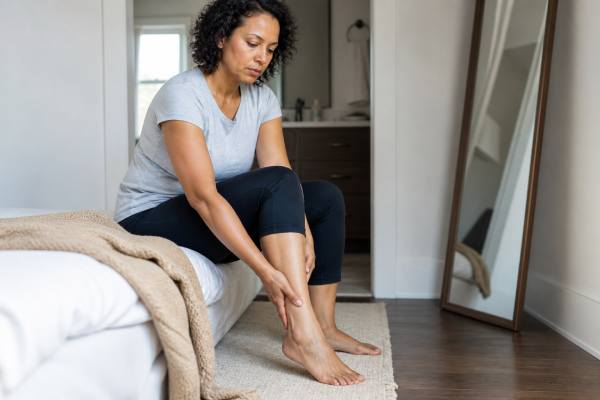
A sudden jump on the scale can feel discouraging, especially when you have been eating consistently, exercising, or managing a medical condition that already makes weight control more complicated. But a higher number does not always mean you gained body fat. Body weight includes fat, muscle, water, glycogen, food in the digestive tract, stool, and normal fluid shifts inside and outside cells.
The key is not to judge one weigh-in in isolation. Temporary water retention often appears quickly and changes quickly. Fat gain usually reflects a sustained calorie surplus over time. Understanding the difference can help you respond calmly, avoid unnecessary restriction, and know when swelling or rapid weight change deserves medical attention.
Table of Contents
- Why the Scale Can Change Fast
- Water Retention vs Fat Gain Signs
- Common Causes of Water Retention
- When Fat Gain Is More Likely
- How to Track Weight Trends
- Hormones, Medications and Medical Causes
- Safe Ways to Reduce Water Retention
- When to Seek Medical Advice
Why the Scale Can Change Fast
A fast scale increase is more often fluid, glycogen, digestion, or inflammation than true fat gain. Body fat changes do happen, but meaningful fat gain usually requires repeated energy surplus, not one salty dinner, one hard workout, or one high-carb day.
Scale weight is a total-body measure, not a body-fat measure. It includes:
- Body fat and lean tissue
- Water inside cells and in the bloodstream
- Glycogen, the stored form of carbohydrate
- Food and fluid recently consumed
- Stool and digestive contents
- Temporary inflammation from training, injury, illness, or stress
- Fluid held in tissues, called edema when it becomes noticeable swelling
That means a person can wake up several pounds heavier without having gained several pounds of fat. A restaurant meal, travel day, late bedtime, menstrual-cycle shift, constipation, or new workout can all make the scale rise quickly. In many cases, the change fades over a few days once routine, hydration, sodium intake, bowel movements, sleep, and activity normalize.
Fat gain works differently. Fat tissue increases when energy intake repeatedly exceeds energy expenditure. The process is influenced by appetite, sleep, hormones, medications, activity, and metabolic adaptation, but it still requires a sustained mismatch over time. A higher weight after a weekend does not automatically mean the weekend “ruined” progress. It may simply mean more sodium, more carbohydrate, more food volume, less sleep, or less movement than usual.
This is why trend tracking matters more than single weigh-ins. If your weekly average is stable or moving down, a one-day spike is probably noise. If your weekly average rises for several weeks and your waist, clothing fit, and eating patterns point in the same direction, fat gain becomes more plausible. For a deeper look at normal ups and downs after weight loss, normal weight fluctuation can help put daily changes in perspective.
Water Retention vs Fat Gain Signs
The fastest way to separate water retention from fat gain is to look at timing, texture, location, and pattern. Water weight tends to appear quickly and fluctuate; fat gain tends to build gradually and persist.
| What you notice | More likely water retention | More likely fat gain |
|---|---|---|
| Speed of change | Weight jumps overnight or within a few days | Weight rises gradually over several weeks |
| Typical trigger | Salty meal, higher carbs, travel, poor sleep, new workout, period, heat, alcohol, constipation | Repeated calorie surplus, larger portions, frequent snacks, lower activity, less tracking consistency |
| How it feels | Puffiness, tight rings, sock marks, bloated abdomen, heavy legs | Clothes feel tighter in a more consistent way, especially around waist, hips, chest, or thighs |
| Skin changes | Possible swelling, shiny skin, or indentation after pressing on swollen tissue | No pitting indentation from fluid; tissue change is more gradual |
| How long it lasts | Often improves within a few days when the trigger passes | Usually persists unless eating, activity, medication, or health factors change |
| Best tracking method | Compare several morning weights and note triggers | Compare 2–4 weeks of averages, waist measurement, and behavior patterns |
Water retention can be general or localized. General water weight may show up as a higher scale number, softer-looking definition, facial puffiness, or a bloated feeling. Localized swelling may appear in the ankles, feet, hands, or lower legs. If pressing a finger into a swollen area leaves a dent that slowly fills back in, that is called pitting edema and is more suggestive of fluid in the tissues than fat.
Bloating can overlap with water retention but is not exactly the same. Bloating is often related to gas, digestion, constipation, food volume, or gastrointestinal sensitivity. Water retention is fluid balance. They can happen together after travel, high-sodium meals, menstrual changes, or big changes in carbohydrate intake. If your main symptom is abdominal pressure, fullness, gas, or bowel-pattern change, bloating versus fat gain may be the more relevant distinction.
A useful question is: “Did my body composition realistically change this much this fast?” If the scale is up four pounds after a salty dinner and your rings feel tight, water is the likely explanation. If your weight average has been climbing for a month and your usual meals have become larger or less structured, fat gain is more likely part of the picture.
Common Causes of Water Retention
Most short-term water retention comes from predictable changes in food, movement, sleep, hormones, environment, or medication. Identifying the trigger is more useful than trying to “flush” water aggressively.
Higher sodium intake is one of the most common reasons for a sudden increase. Restaurant meals, takeout, packaged foods, cured meats, salty snacks, sauces, and soups can contain far more sodium than a typical home-cooked meal. Your body may hold extra water as it regulates sodium concentration. The effect is usually temporary, especially if your next few days are more consistent.
Carbohydrate changes can also move the scale. Carbohydrate is stored as glycogen in muscles and liver, and glycogen is stored with water. If you eat fewer carbs for several days, you may drop water quickly. If you reintroduce carbs, especially after dieting, low-carb eating, or intense training, weight may rise quickly without fat gain. This is one reason a carb increase can look alarming even when it supports training, mood, and dietary flexibility. For more detail on this pattern, water, glycogen and sodium explains why the scale can stall or jump even when fat loss is still occurring.
Exercise can temporarily increase water retention, especially when it is new, harder than usual, or focused on strength training. Muscle damage and repair bring fluid into the area. This can make the scale rise while your body is adapting positively. Soreness, heavier legs, and a higher weight after a hard session often reflect recovery, not failure.
Other common triggers include:
- Menstrual-cycle changes, especially in the days before or during a period
- Poor sleep, which can affect appetite, stress hormones, and fluid balance
- Psychological stress, especially when paired with salty foods, alcohol, or disrupted routines
- Long flights, road trips, and sitting for long periods
- Hot weather, which can worsen ankle and foot swelling
- Alcohol, which can disrupt sleep, hydration, food choices, and sodium balance
- Constipation or slower digestion, which adds weight from retained stool and food volume
- Creatine supplementation, which can increase water stored in muscle
- Recent illness, injury, inflammation, or surgery
Constipation deserves special mention because it can mimic a plateau or sudden gain. It does not mean fat appeared overnight; it means material is moving more slowly through the digestive tract. If bowel changes are part of your pattern, constipation and scale stalls may help you interpret the increase more accurately.
When Fat Gain Is More Likely
Fat gain is more likely when the upward trend persists for several weeks and matches changes in intake, activity, appetite, or medication. One weigh-in is not enough evidence; a pattern is.
A true fat-gain pattern often includes several of the following:
- Your 7-day average is rising for 2–4 weeks.
- Waist measurements are increasing, not just daily scale weight.
- Clothes feel consistently tighter, not only after meals or during the premenstrual phase.
- Eating has become less structured or portions have grown.
- Snacks, alcohol, liquid calories, or “small bites” have increased.
- Step count or daily movement has dropped.
- Workouts have decreased, or recovery has worsened.
- You recently stopped tracking after a fat-loss phase and portions drifted upward.
- Hunger is higher because of poor sleep, stress, a large deficit, or medication changes.
Fat gain can still happen quietly. Portion creep is common because small changes do not feel dramatic at the time. A little more oil, larger snacks, extra bites while cooking, weekend drinks, and less walking may not stand out day to day. Over weeks, however, they can erase a calorie deficit or create a surplus.
It is also possible to gain fat while retaining water, which can make the situation confusing. For example, a month of less activity and higher calorie intake may increase fat, while a salty restaurant weekend adds water on top. In that case, the scale may jump suddenly, then partly drop, but settle at a higher average than before.
Avoid responding to every spike with a harsh diet correction. A better approach is to wait for enough data, then make a measured adjustment. If your trend confirms gain, start with the least extreme fixes: return to consistent meals, restore steps, tighten portions, reduce high-calorie extras, improve sleep, and resume tracking for a short period if needed. If you prefer structured progress checks, a daily weigh-in protocol can help separate trend data from emotional noise.
How to Track Weight Trends
The best way to tell the difference is to track under consistent conditions and compare averages, not single numbers. A calm tracking system prevents unnecessary restriction and helps you notice real changes sooner.
Use this simple process:
- Weigh at the same time of day, ideally in the morning after using the bathroom and before eating or drinking.
- Record the number without judging it.
- Calculate or view a 7-day average.
- Compare this week’s average with the previous 1–3 weeks.
- Add context notes only when they explain a spike, such as travel, a salty meal, poor sleep, constipation, period timing, new workouts, or medication changes.
Daily weighing is not right for everyone. If it increases anxiety, obsessive checking, restriction, or binge-restrict cycles, use 2–3 scheduled weigh-ins per week or rely more on waist measurements, clothes fit, photos, and health behaviors. The goal is better information, not more stress.
Waist measurement is especially useful because water weight can affect the whole body, while fat gain tends to show a more persistent pattern in body measurements. Measure once weekly, at the same time of day, using the same location and tape tension. Do not measure repeatedly throughout the day; digestion alone can change your abdomen.
A short notes column can make patterns obvious. You might write:
- “High-sodium dinner”
- “Period due in 3 days”
- “First leg workout in months”
- “Long flight”
- “Constipated”
- “Slept 4 hours”
- “Started new medication”
- “Ate out three times this weekend”
Over time, these notes teach you your body’s normal rhythm. Some people always rise before menstruation. Some gain after hard lower-body training. Some spike after takeout, air travel, or alcohol. If your waist, weekly average, and habits are steady, these spikes are easier to ignore.
For people actively losing weight, the most useful question is not “What did the scale do today?” but “What is the 2–4 week trend?” A true plateau or gain needs repeated evidence. This is especially important when water is hiding fat loss, because the scale may stay flat while your measurements, photos, or workout performance improve. Tracking progress without the scale can help you avoid missing real changes.
Hormones, Medications and Medical Causes
Hormones, medications, and health conditions can change both fluid balance and fat gain risk. This is why a scale increase should be interpreted in context, especially if it starts suddenly or follows a new prescription.
Menstrual-cycle changes are one of the clearest examples. Many people notice higher weight, breast tenderness, bloating, cravings, constipation, or puffiness before or during a period. This does not mean fat gain occurred. It often reflects fluid shifts, digestion changes, and appetite changes happening together. If the scale repeatedly rises at the same point in your cycle and drops afterward, that pattern is useful information, not a reason to panic. For cycle-related stalls, menstrual-cycle water retention can help explain why progress may seem hidden for several days.
Perimenopause and menopause can add another layer. Hormonal changes may affect sleep, appetite, fat distribution, activity, and water balance. A sudden overnight increase is still more likely fluid, but a longer upward trend may reflect changes in lifestyle, sleep, muscle mass, insulin sensitivity, or energy needs.
Several medications can affect weight or fluid retention. Examples include:
- Corticosteroids such as prednisone, which can increase appetite and cause fluid retention
- Some antidepressants, antipsychotics, and mood stabilizers
- Insulin and some diabetes medications
- Certain blood pressure medicines, including calcium channel blockers that may cause ankle swelling
- NSAIDs in some people, especially with kidney, heart, or blood pressure concerns
- Hormonal medications, which may affect appetite, bleeding pattern, or fluid symptoms
- Gabapentin or pregabalin in some patients
Never stop a prescribed medication because of weight or swelling concerns without medical guidance. Instead, track the timeline: medication name, dose, start date, weight pattern, swelling location, appetite changes, and any shortness of breath, fatigue, dizziness, or pain. If prednisone is part of the picture, steroids, water retention and weight gain explains why the change may be a mix of fluid, appetite, and fat distribution. For broader medication patterns, medications that can affect weight may help you prepare for a clinician conversation.
Medical conditions can also cause rapid weight changes. Heart, kidney, liver, thyroid, venous, lymphatic, and endocrine conditions can affect fluid balance. Cushing syndrome, hypothyroidism, insulin resistance, PCOS, kidney disease, heart failure, venous insufficiency, and lymphedema all require different evaluation and treatment. The pattern matters: sudden swelling, one-sided swelling, swelling with breathlessness, or swelling that does not improve should not be treated as normal “water weight.”
Safe Ways to Reduce Water Retention
The safest way to reduce ordinary water retention is to return to steady habits, not to dehydrate yourself. Most temporary water weight improves when sodium, carbohydrate intake, hydration, sleep, digestion, and movement become consistent again.
Start with the basics:
- Drink enough fluid for pale-yellow urine most of the day, unless your clinician has given you a fluid restriction.
- Return to your usual sodium intake instead of swinging from very salty to extremely low sodium.
- Eat potassium-rich foods such as beans, lentils, potatoes, leafy greens, yogurt, bananas, citrus, and other fruits and vegetables, unless you have kidney disease or take medications that require potassium limits.
- Keep carbohydrate intake consistent rather than cycling between very low and very high intake.
- Walk after meals or take short movement breaks to support circulation and digestion.
- Prioritize sleep for the next few nights.
- Manage constipation with fiber, fluids, routine meals, and gentle movement.
- Elevate legs when ankle swelling follows prolonged sitting or standing.
- Wear comfortable shoes and avoid tight socks or clothing that leaves deep marks.
Do not use laxatives, diuretics, sweat suits, dehydration strategies, or extreme low-carb dieting just to force the scale down. Those methods may reduce water temporarily, but they do not prove fat loss and can be risky. Diuretics are medications with real effects on blood pressure, electrolytes, kidneys, and heart rhythm. They should be used only when prescribed or specifically recommended by a clinician.
If you recently increased exercise, give your body time to adapt. Soreness-related water retention often improves as training becomes more familiar. If you started creatine, a small increase in water stored in muscle can be normal and may support training performance. That is different from unhealthy swelling. For more detail, creatine and water weight explains why the scale may rise without fat gain.
If water retention is frequent, look for patterns rather than chasing every spike. Are most jumps after restaurant meals? Around your period? After travel? During poor sleep? After higher-carb days? Once the trigger is clear, the solution is usually steadier routines, not harsher dieting.
When to Seek Medical Advice
Most mild, short-term scale spikes are not dangerous, but sudden or persistent swelling needs more caution. Water retention can be harmless, but edema can also signal a problem with circulation, veins, lymph flow, kidneys, liver, heart, hormones, or medication side effects.
Seek urgent medical help if swelling is accompanied by:
- Shortness of breath
- Chest pain, chest pressure, or tightness
- Fainting, severe dizziness, confusion, or clamminess
- Coughing blood
- A sudden racing or irregular heartbeat
- Sudden severe swelling
- One-sided leg swelling, especially with pain or tenderness
- Red, hot, painful skin over the swollen area
- Fever or feeling very unwell
- Swelling of the face, lips, tongue, or throat
These symptoms can point to serious conditions such as a blood clot, infection, allergic reaction, heart problem, or fluid in the lungs.
Make a non-urgent appointment if swelling is new, recurring, worsening, or not improving after a few days of home measures. Also check in if you have diabetes, kidney disease, liver disease, heart disease, high blood pressure, pregnancy, recent surgery, or a new medication that seems linked to swelling or rapid weight change.
Before the visit, gather useful details:
- When the weight change or swelling started
- Whether swelling is one-sided or both-sided
- Whether it improves overnight or worsens by evening
- Whether pressing the area leaves a dent
- Recent medication changes, including over-the-counter drugs and supplements
- Shortness of breath, fatigue, chest symptoms, pain, fever, or skin color changes
- Recent travel, injury, illness, high-sodium meals, or menstrual-cycle timing
- Home blood pressure readings if you track them
This information helps your clinician decide whether the issue looks like ordinary fluctuation, medication-related fluid retention, venous swelling, hormonal change, or something that needs testing. If you suspect a prescription is involved, use a structured approach to talking with your doctor about medication-related weight gain rather than stopping treatment on your own.
References
- Body Weight Regulation 2024 (Review)
- Nutrition: Macronutrient Intake, Imbalances, and Interventions 2023 (Review)
- Changes in body weight and body composition during the menstrual cycle 2023 (Clinical Study)
- Evaluation and Management of Patients with Leg Swelling: Therapeutic Options for Venous Disease and Lymphedema 2021 (Review)
- Edema – Symptoms and causes 2023 (Clinical Reference)
- Heart Failure Signs and Symptoms 2025 (Patient Guidance)
Disclaimer
This article is for general educational purposes only and is not a substitute for professional medical advice, diagnosis, or treatment. Rapid weight gain with swelling, shortness of breath, chest symptoms, one-sided leg swelling, severe pain, or new swelling after starting medication should be discussed with a qualified health professional.
If this helped you understand the scale more calmly, consider sharing it on Facebook, X, or your preferred platform so others can avoid mistaking every water-weight spike for fat gain.