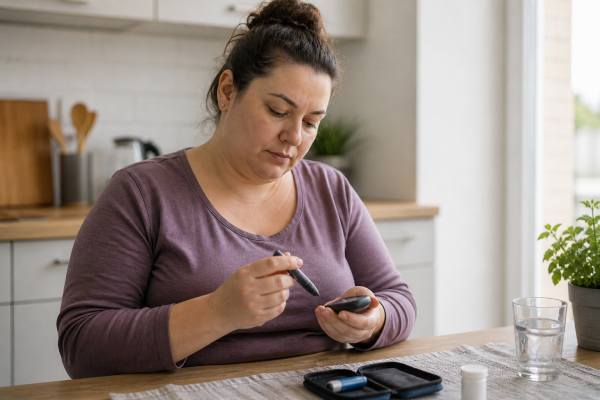
Insulin can be lifesaving, protective, and sometimes frustrating. For many people with diabetes, starting insulin or increasing the dose improves blood sugar but also brings a few extra pounds on the scale. That change can feel discouraging, especially when weight loss or weight maintenance is part of the health plan.
The important point is that insulin itself is not “bad,” and weight gain does not mean treatment has failed. It usually reflects a mix of better glucose use, fewer calories lost through urine, lower blood sugar episodes, appetite changes, fluid shifts, and sometimes a dose or meal pattern that needs adjusting. The goal is not to avoid insulin when it is needed. The goal is to use it safely, match it well to food and activity, and address weight in a way that protects blood sugar control.
Table of Contents
- Why Insulin Can Affect Weight
- What Weight Gain Does and Does Not Mean
- Patterns That Make Gain More Likely
- Eating to Limit Insulin-Related Weight Gain
- Exercise and Daily Movement With Insulin
- Medication and Insulin Adjustments to Discuss
- When to Seek Medical Help
- Questions for Your Next Diabetes Visit
Why Insulin Can Affect Weight
Insulin can contribute to weight gain because it helps the body move glucose out of the bloodstream and into cells, where that energy can be used or stored. When blood sugar improves, the body may stop losing glucose calories through urine, and that alone can change weight.
This is especially common when insulin is started after a period of high blood sugar. Before treatment, glucose may spill into the urine when blood levels are high. That calorie loss is not a healthy weight-loss strategy; it is a sign that diabetes is not controlled. Once insulin lowers blood sugar, fewer calories are lost this way. Some weight regain may simply reflect correction of that unhealthy loss.
Insulin also has an anabolic effect, meaning it supports storage and rebuilding. It helps store glucose as glycogen in muscle and liver, supports fat storage when calories are above needs, and reduces the breakdown of body tissue that can happen during uncontrolled diabetes. In type 1 diabetes, insulin is essential for survival. In type 2 diabetes, insulin may be needed when the body cannot make enough insulin for its needs, when blood sugar remains high despite other medications, during illness, during pregnancy, or when glucose levels need to be brought down quickly.
Weight gain can also happen indirectly. If insulin doses are higher than needed for the amount or timing of food, blood sugar may drop. Treating lows with juice, candy, glucose tablets, snacks, or “just in case” eating can add extra calories. This is not a willpower problem. Hypoglycemia feels urgent because it is urgent. But frequent lows are a signal that the insulin plan may need review.
For people comparing different medications, it helps to understand that not all diabetes treatments affect weight the same way. Some medications are associated with weight gain, some are weight-neutral, and others may support weight loss. A broader overview of diabetes medications linked with weight gain can help put insulin into context.
Insulin-related weight gain often comes from several small mechanisms at once:
- Less glucose lost in urine: Better blood sugar control means the body keeps energy it was previously losing.
- Fewer catabolic effects: The body stops breaking down fat and muscle because glucose is finally usable.
- Hypoglycemia treatment: Repeated lows can lead to repeated extra calories.
- Defensive eating: Fear of lows can lead to eating before activity, bedtime, driving, or work even when glucose does not require it.
- Dose-food mismatch: Insulin doses may not match carbohydrate amount, meal timing, or changing routines.
- Improved appetite: When uncontrolled diabetes improves, appetite and energy may normalize.
High blood sugar itself can make weight management harder by increasing fatigue, thirst, cravings, and inconsistent energy. If that is part of the picture, it may help to understand how high blood sugar can interfere with weight loss before assuming insulin is the only factor.
What Weight Gain Does and Does Not Mean
Weight gain after starting insulin does not automatically mean fat gain, poor choices, or the wrong treatment. The scale can rise from restored glycogen, water shifts, improved hydration, reduced glucose loss, or a true calorie surplus.
The timing matters. A few pounds soon after blood sugar improves may reflect glycogen and water. Glycogen is the stored form of carbohydrate, and it is stored with water. When diabetes is poorly controlled, dehydration and glucose loss can make weight artificially lower. As glucose control improves, the body may rehydrate and replenish stored carbohydrate. That can make the scale rise even if body fat has not changed much.
Over a longer period, however, ongoing weight gain usually deserves a closer look. If weight continues increasing for months, possible explanations include frequent hypoglycemia treatment, portions that no longer match energy needs, less activity, insulin doses that are higher than needed, or other medications that affect appetite or fluid retention.
A useful question is not “Is insulin making me gain weight?” but “What kind of weight change is happening, and what pattern is driving it?”
| Pattern | What may be happening | What to review |
|---|---|---|
| Fast gain in the first 1–3 weeks | Rehydration, glycogen storage, less glucose lost in urine | Blood sugar trend, swelling, hydration, recent high glucose |
| Gradual gain over several months | Calorie intake may now exceed needs, or insulin-food matching may be off | Meal patterns, snacks, lows, activity, dose timing |
| Gain with frequent lows | Extra calories from treating or preventing hypoglycemia | Basal dose, meal insulin, correction doses, activity plan |
| Gain with ankle swelling or shortness of breath | Fluid retention or another medical issue may be involved | Prompt medical review, especially with heart, kidney, or liver history |
| Gain after adding another medication | The change may not be from insulin alone | Full medication list, dose changes, timing of symptoms |
Body composition also matters. Someone who begins resistance training, improves protein intake, and controls glucose better may gain or maintain scale weight while losing waist size. Another person may gain mostly fat because lows, snacks, and larger portions have increased total energy intake. Tracking waist measurement, clothing fit, glucose patterns, and strength can give a more complete picture than scale weight alone.
It is also worth separating fluid from fat. Sudden swelling, tight rings, puffy ankles, or a rapid jump over a few days is different from gradual fat gain. For a closer look at that distinction, see water retention versus fat gain.
The most important caution: do not skip insulin to lose weight. In type 1 diabetes, reducing or omitting insulin can lead to diabetic ketoacidosis, a medical emergency. In type 2 diabetes, stopping insulin without a plan can cause dangerous hyperglycemia, dehydration, infections, and worsening symptoms. Weight concerns are valid, but insulin changes need to be made safely with a diabetes clinician.
Patterns That Make Gain More Likely
Insulin-related weight gain is more likely when blood sugar swings, frequent lows, or eating patterns push calorie intake above the body’s needs. Finding the pattern is more useful than blaming insulin alone.
One common driver is overtreating hypoglycemia. When blood sugar drops, hunger, shakiness, sweating, anxiety, weakness, or confusion can make it hard to stop at the planned amount of carbohydrate. A person may drink juice, eat candy, add crackers, then eat a full meal because the low feels frightening. Rebound high blood sugar may follow, leading to correction insulin, then another low. That cycle can affect both weight and glucose control.
Another driver is “defensive eating.” This means eating extra because a low might happen, not because it has happened. It is understandable for people who have had severe lows, nighttime lows, or lows while driving or exercising. But if defensive eating becomes daily, it can add hundreds of calories without solving the underlying dose or timing issue.
Meal insulin timing can also matter. Taking rapid-acting insulin too early, too late, or without enough carbohydrate can increase lows or highs. Using correction doses too often may create insulin stacking, where insulin from previous doses is still active. Basal insulin that is too high can cause fasting lows, overnight lows, or the need for bedtime snacks. These are not problems to fix by guessing; they are patterns to bring to the care team.
Other contributors include:
- Large swings in carbohydrate intake: Very low-carb meals one day and high-carb meals the next can make dosing harder.
- Irregular meal timing: Skipped meals, late dinners, and unpredictable schedules can increase glucose variability.
- Reduced activity after starting insulin: Some people feel nervous about exercise-related lows and become less active.
- Weight-promoting medications: Steroids, some psychiatric medications, some blood pressure medications, and some diabetes medications may add to the effect.
- Sleep and stress: Poor sleep and high stress can increase appetite and make glucose harder to manage.
- Alcohol: Alcohol can add calories and may increase delayed hypoglycemia risk, especially when combined with insulin.
The most useful tool is a pattern log, not a perfect food diary. For one to two weeks, note insulin doses, meal timing, low blood sugar episodes, activity, bedtime snacks, and weight trend. Continuous glucose monitor data can be especially helpful, but finger-stick logs can also reveal patterns.
Look for repeated situations: lows before lunch, highs after dinner, nighttime drops, weekend swings, or extra snacks before exercise. Once the pattern is clear, the solution may be a dose adjustment, different timing, meal change, exercise plan, or medication review rather than stricter dieting.
Eating to Limit Insulin-Related Weight Gain
The best eating strategy is one that keeps blood sugar steadier, reduces unnecessary lows, and creates a modest calorie balance without extreme restriction. A plan that is too aggressive can backfire by increasing hypoglycemia risk, hunger, and rebound eating.
Protein and fiber are especially useful because they help with fullness and can make meals more satisfying. A balanced plate often includes a protein source, high-fiber carbohydrate, non-starchy vegetables, and a reasonable amount of fat. This does not require a perfect diet or a single “diabetes diet.” It requires meals that are predictable enough to match insulin safely.
For many people, a helpful meal structure looks like this:
- Protein: Eggs, Greek yogurt, cottage cheese, fish, chicken, turkey, tofu, tempeh, lean meat, beans, lentils, or protein-rich meal replacements when appropriate.
- High-fiber carbohydrates: Oats, barley, beans, lentils, fruit, potatoes with skin, whole-grain bread, brown rice, quinoa, or other foods that fit the glucose plan.
- Non-starchy vegetables: Leafy greens, broccoli, peppers, tomatoes, mushrooms, zucchini, cucumbers, cabbage, or frozen vegetable mixes.
- Healthy fats in measured amounts: Olive oil, avocado, nuts, seeds, or nut butter.
A practical starting point is to build meals around protein first, then add fiber-rich carbohydrates in portions that match the insulin plan. For meal-building ideas, a high-protein plate method can make weight management feel less like calorie math and more like a repeatable routine.
Carbohydrate consistency can be more helpful than severe carbohydrate restriction. Some people using insulin do well with lower-carb eating, but others experience more lows, more corrections, or more difficulty dosing. The safest approach depends on the type of diabetes, insulin regimen, glucose monitoring, activity level, kidney health, pregnancy status, and personal preferences.
Hypoglycemia treatment should be planned, not improvised. Many clinicians teach using a measured amount of fast-acting carbohydrate, checking again after a short interval, and repeating if needed. Glucose tablets or measured glucose gel can be easier to dose consistently than open bags of candy or large bottles of juice. After the low is corrected, whether a longer-lasting snack is needed depends on insulin timing, the next meal, activity, and the person’s treatment plan.
To reduce weight gain while staying safe:
- Keep low treatments portioned and easy to measure.
- Avoid using high-fat foods, such as chocolate or pastries, as first-line low treatment because they work more slowly and add extra calories.
- Discuss frequent lows promptly instead of “feeding the insulin” every day.
- Choose filling meals so hunger does not build into evening overeating.
- Avoid skipping meals if that leads to lows or later binge-like eating.
- Build flexible routines for restaurants, travel, and busy workdays.
Fiber can also improve fullness and support more stable post-meal glucose for many people. If increasing fiber, do it gradually and drink enough fluids, especially if constipation is already an issue. For practical targets and food swaps, see daily fiber strategies for weight loss.
The goal is not to eat as little as possible. The goal is to eat enough, consistently enough, and with enough structure that insulin can do its job without pushing you into repeated lows or constant hunger.
Exercise and Daily Movement With Insulin
Movement can help limit insulin-related weight gain by improving insulin sensitivity, supporting muscle, and reducing the amount of insulin some people need over time. The challenge is doing it without triggering lows.
Exercise affects blood sugar differently depending on insulin on board, food, intensity, duration, fitness level, and time of day. A slow walk after a meal may lower post-meal glucose gently. A long bike ride may cause lows during or after activity. High-intensity intervals may raise glucose temporarily in some people because of stress hormones. Strength training may improve insulin sensitivity and protect lean mass, even when scale weight changes slowly.
For weight management, the most sustainable approach usually combines daily movement with some form of resistance training. Walking, cycling, swimming, resistance bands, machines, dumbbells, and bodyweight exercises can all work. The “best” exercise is the one a person can repeat safely.
Post-meal walking is a simple place to start. Even short walks after meals can reduce glucose spikes for some people and may help reduce the need for correction doses. A structured guide to 10-minute walks after meals can be useful for turning that idea into a routine.
People using insulin should plan exercise with glucose safety in mind:
- Check glucose before activity if recommended by the care team.
- Carry fast-acting carbohydrate.
- Know whether insulin is peaking during the planned activity.
- Be cautious with exercise after correction doses.
- Watch for delayed lows after longer or harder sessions.
- Consider a medical ID if at risk for severe hypoglycemia.
- Ask for specific instructions for pump settings, basal adjustments, or snack needs if using intensive insulin therapy.
Strength training deserves special attention. During weight loss, preserving muscle helps maintain function, mobility, and metabolic health. Muscle also stores glucose, and improving muscle fitness can support better glucose handling. The goal does not have to be bodybuilding. Two to three sessions per week of progressive, joint-friendly strength work can make a meaningful difference over time.
Daily movement outside workouts also matters. Steps, household tasks, standing breaks, errands, and short walks can reduce sedentary time and increase energy expenditure without feeling like formal exercise. For people worried about lows, these smaller bouts may feel less intimidating than long workouts.
If activity keeps causing lows, do not simply eat more every time and accept the weight gain. Bring the pattern to the clinician or diabetes educator. The solution may be a dose change, different timing, pump setting adjustment, pre-exercise glucose target, or a more precise snack plan.
Medication and Insulin Adjustments to Discuss
Many people can reduce insulin-related weight gain by improving the treatment plan, but insulin changes should be made with a qualified clinician. The safest adjustment is the one based on glucose data, hypoglycemia history, medication list, and the type of diabetes.
For type 1 diabetes, insulin is not optional. Weight management focuses on matching insulin more accurately to meals and activity, reducing unnecessary lows, improving food quality, protecting muscle, and considering adjunct treatments only when appropriate. Some non-insulin medications used in type 2 diabetes are not approved or are higher risk in type 1 diabetes, especially because of diabetic ketoacidosis concerns. Specialist guidance matters.
For type 2 diabetes, insulin may be one part of a broader plan. Depending on the person’s health history, kidney function, cardiovascular risk, glucose level, insurance coverage, and medication tolerance, clinicians may consider medications that are weight-neutral or associated with weight loss. These may include metformin, GLP-1 receptor agonists, dual incretin medications, or SGLT2 inhibitors in appropriate patients. These medications are not right for everyone, and some require extra caution.
A broader plan for weight loss with type 2 diabetes often includes nutrition, activity, glucose-lowering medications, sleep, stress management, and regular follow-up rather than focusing only on insulin.
Insulin regimen also matters. Some people do better with basal insulin alone. Others need mealtime insulin. Some use premixed insulin for simplicity, while others need more flexible basal-bolus dosing. Pump therapy or automated insulin delivery may help selected people reduce glucose variability, though technology is not a weight-loss treatment by itself. The right choice depends on safety, skills, cost, support, and glucose patterns.
Questions to discuss include:
- Is my basal insulin dose causing lows when I have not eaten?
- Am I using correction doses too often?
- Do I need a different insulin-to-carbohydrate ratio?
- Are nighttime lows leading to bedtime snacking?
- Is my meal insulin timing right?
- Would a different insulin type or delivery method reduce lows?
- Are any other medications increasing appetite, fluid retention, or weight?
- Are there weight-neutral or weight-supportive diabetes medications that fit my health profile?
- Would meeting with a certified diabetes care and education specialist help?
For people with insulin resistance, improving insulin sensitivity can sometimes reduce insulin requirements over time. That does not mean insulin resistance is solved by willpower; it is affected by genetics, body composition, sleep, activity, medications, hormones, liver fat, and other health conditions. A practical guide to weight loss with insulin resistance can help connect these pieces.
Never change insulin based only on weight concerns. A dose that is too low can cause persistent hyperglycemia. In type 1 diabetes, insulin omission can quickly become life-threatening. In type 2 diabetes, severe hyperglycemia can also become dangerous, especially during illness, dehydration, infection, or steroid use.
When to Seek Medical Help
Some weight changes on insulin are expected, but rapid gain, swelling, severe lows, or symptoms of very high blood sugar need medical attention. Weight should be reviewed as part of diabetes care, not treated as a separate issue.
Contact your diabetes care team promptly if you notice:
- Frequent low blood sugar, especially at night or during driving.
- Severe lows requiring help from another person.
- Repeated highs despite taking insulin as prescribed.
- Rapid weight gain over days to weeks, especially with swelling.
- Shortness of breath, chest discomfort, or new trouble lying flat.
- Vomiting, dehydration, abdominal pain, fruity-smelling breath, or confusion.
- Unexplained weight loss with high blood sugar.
- Fear of taking insulin because of weight gain.
- Deliberately skipping or reducing insulin to control weight.
Symptoms such as vomiting, abdominal pain, deep or labored breathing, confusion, severe weakness, or high glucose with ketones can signal diabetic ketoacidosis and require urgent evaluation. This is especially important for people with type 1 diabetes, people using insulin pumps, and anyone who has reduced insulin during illness.
Severe hypoglycemia is also urgent. If a person is confused, unconscious, having a seizure, or cannot safely swallow, emergency treatment is needed. People at risk for severe lows should ask about glucagon, teach close contacts how to use it, and review driving, exercise, and alcohol safety.
Weight gain after a medication change should be documented. Note the date insulin started or changed, other medication changes, appetite changes, swelling, lows, and glucose trends. This makes the visit more productive and helps separate insulin effects from other causes. If the timing points to a new prescription, this guide on weight gain after starting a new medication may help you organize what to track.
Medical review is also important if weight gain comes with signs of thyroid disease, Cushing syndrome, depression, sleep apnea, kidney disease, heart failure, menopause-related changes, or binge eating. These conditions do not mean weight management is hopeless. They mean the plan may need medical treatment, different expectations, or more support.
Questions for Your Next Diabetes Visit
A focused visit can turn weight concerns into a safer insulin plan. Bring glucose data, insulin doses, low episodes, weight trend, and a short list of questions so the appointment does not become vague or rushed.
Start with the pattern that bothers you most. For example: “I have gained 8 pounds since starting basal insulin,” “I am treating lows four nights per week,” or “I snack before every walk because I am afraid of dropping.” Specific examples are easier to solve than a general statement that insulin is causing weight gain.
Useful questions include:
- What part of my insulin plan is most likely contributing to weight gain?
Ask whether basal insulin, mealtime insulin, correction doses, timing, or hypoglycemia treatment seems most relevant. - Am I having more lows than I realize?
Nighttime lows, mild lows, or fast drops on a CGM can drive extra eating even if they do not feel dramatic. - Could my basal dose be too high?
Basal insulin should usually cover background needs, not require regular snacking to prevent lows. - Do my meal doses match my actual meals?
If carbohydrate intake varies widely, you may need more education on dose matching or a simpler meal structure. - Should I adjust insulin around exercise?
Ask for written instructions for walking, strength training, longer workouts, and sick days. - Are there other medications that could help reduce insulin needs or support weight goals?
This is especially relevant in type 2 diabetes, but the answer depends on your health profile. - What weight trend would concern you?
Ask what amount or speed of gain should trigger a follow-up. - Can I meet with a diabetes educator or dietitian?
Insulin skills, meal planning, low treatment, and exercise safety often improve with hands-on teaching. - What should I never change without calling you?
This is especially important for people with type 1 diabetes, pump users, pregnancy, kidney disease, or a history of severe lows. - What is my plan for illness, missed meals, travel, and alcohol?
These are common times for glucose swings and extra eating.
It may also help to prepare for the conversation itself. Many people worry their concerns will be dismissed, or they feel embarrassed about weight gain. A practical guide to talking to your doctor about medication-related weight gain can help you describe the issue clearly and ask for options.
The bottom line is simple: insulin may affect weight, but it can often be managed without sacrificing blood sugar safety. The safest path is not stopping insulin or forcing a harsh diet. It is understanding the pattern, reducing avoidable lows, building filling meals, moving consistently, and working with your care team to make the insulin plan fit your real life.
References
- 9. Pharmacologic Approaches to Glycemic Treatment: Standards of Care in Diabetes-2026 2026 (Guideline)
- 8. Obesity and Weight Management for the Prevention and Treatment of Diabetes: Standards of Care in Diabetes-2026 2026 (Guideline)
- 6. Glycemic Goals, Hypoglycemia, and Hyperglycemic Crises: Standards of Care in Diabetes-2026 2026 (Guideline)
- Management of Hyperglycemia in Type 2 Diabetes, 2022. A Consensus Report by the American Diabetes Association (ADA) and the European Association for the Study of Diabetes (EASD) 2022 (Consensus Report)
- Type 2 diabetes in adults: management 2026 (Guideline)
- Treating obesity in type 1 diabetes mellitus – review of efficacy and safety 2024 (Review)
Disclaimer
This article is for general educational purposes only and is not a substitute for medical advice, diagnosis, or treatment. Insulin doses, diabetes medications, hypoglycemia plans, and weight-loss strategies should be personalized with a qualified healthcare professional, especially for people with type 1 diabetes, pregnancy, kidney disease, severe hypoglycemia, or very high blood sugar.
If you found this helpful, consider sharing it on Facebook, X (formerly Twitter), or your preferred platform so others managing diabetes and weight concerns can use it too.