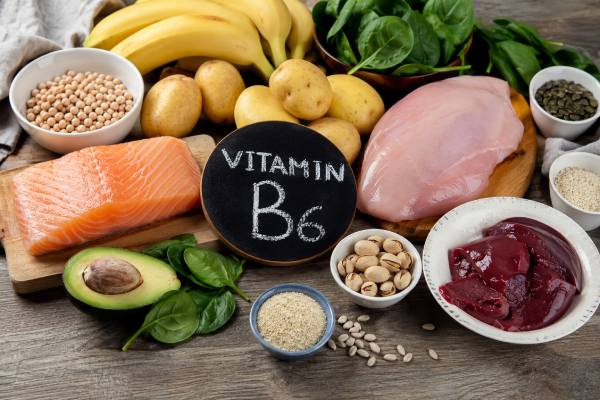
Vitamin B6 rarely gets the same attention as vitamin D, zinc, or vitamin C, yet it plays a quiet, essential role in immune function every day. Your body uses it to help build amino acids, support hemoglobin formation, regulate inflammation, and help immune cells communicate properly. When intake is too low, the effects may be subtle at first: low energy, mouth soreness, skin changes, or a feeling that recovery is not quite what it should be. In more advanced cases, deficiency can affect the nervous system, mood, and blood health.
What makes vitamin B6 tricky is that both too little and too much can cause problems. Most people can meet their needs through food, but supplements, fortified products, medical conditions, and certain medications can change the picture. This article explains how vitamin B6 supports immunity, how deficiency shows up, which foods help most, and how to stay within a safe daily range.
Quick Facts
- Vitamin B6 helps support normal immune cell activity, hemoglobin production, and protein metabolism.
- Low vitamin B6 can contribute to mouth sores, glossitis, dermatitis, anemia, and weaker immune function.
- Food sources usually provide enough vitamin B6 for healthy adults without the risks linked to high-dose supplements.
- High supplemental doses can cause nerve-related side effects, especially when used for long periods.
- A practical target is to meet daily needs mostly through foods such as chickpeas, fish, poultry, potatoes, and bananas.
Table of Contents
- How vitamin B6 supports immunity
- Signs of low vitamin B6
- Who is more likely to fall short
- Best foods for vitamin B6
- How much you need and safe doses
- When testing and supplements make sense
How vitamin B6 supports immunity
Vitamin B6 is not a single compound but a family of related forms, with pyridoxal 5′-phosphate, often shortened to PLP, serving as the main active coenzyme in the body. That active form is involved in more than 100 enzyme reactions, many of them linked to amino acid metabolism. This matters for immune health because the immune system depends on a constant supply of proteins, signaling molecules, and rapidly dividing cells. A nutrient that helps direct protein handling and cellular metabolism can have effects that ripple far beyond one pathway.
In immune terms, vitamin B6 helps support lymphocyte function and normal production of signaling molecules that help immune cells coordinate their response. It also contributes to hemoglobin formation, which matters indirectly because oxygen delivery supports tissue repair and the function of high-demand systems, including the immune system. When vitamin B6 status drops, immune activity may become less efficient rather than dramatically “shut down.” This is one reason people can feel a slow decline in resilience before they notice a classic deficiency sign.
Vitamin B6 is also relevant to inflammation control. It participates in pathways tied to homocysteine metabolism and broader cellular balance. Low B6 status is often seen alongside other nutrition gaps or inflammatory stress, which can make cause and effect hard to separate. Still, the broader picture is consistent: inadequate B6 is not ideal for a well-regulated immune response.
This is also a good example of why the language of “immune boosting” can be misleading. Nutrients do not work like an on switch that makes immunity stronger in every direction. The goal is better regulation, not constant activation. That idea lines up more closely with immune resilience than with the marketing language often used for supplements.
Another useful point is that vitamin B6 does not work alone. It interacts with the rest of the diet, including total protein intake, other B vitamins, mineral status, and the overall quality of meals. A person who eats enough calories but has a narrow, low-quality diet may have a very different nutrient profile from someone whose meals include legumes, fish, vegetables, dairy, and whole grains. That is why an overall anti-inflammatory eating pattern often does more for long-term immune balance than chasing one isolated nutrient.
In short, vitamin B6 supports immune function by helping the body build, regulate, and repair. It is not flashy, but it is foundational, and foundational nutrients matter most when the body is under ordinary daily stress rather than in a crisis.
Signs of low vitamin B6
Vitamin B6 deficiency can be easy to miss because its signs often overlap with other nutritional problems, chronic illness, or medication effects. A mild shortfall may produce vague symptoms or no obvious symptoms at all. As levels fall further, the pattern becomes more recognizable, especially when skin, mouth, nerve, and blood-related symptoms appear together.
Common signs and symptoms can include:
- Cracks at the corners of the mouth
- A sore, swollen, or smooth tongue
- Mouth ulcers or oral discomfort
- Seborrheic or eczema-like dermatitis
- Fatigue and reduced stamina
- Irritability, low mood, or confusion
- Tingling, burning, or numbness in the hands and feet
- Microcytic or sideroblastic anemia in some cases
The immune connection is important here. Low vitamin B6 can weaken normal immune competence, which may show up as poorer resilience, slower recovery, or a general sense that the body is not handling physical stress well. It is not usually the only reason someone keeps getting sick, but it can be part of the picture, especially when it appears alongside low folate, low B12, low iron, or poor protein intake. That is why persistent infections or unusual fatigue sometimes lead clinicians toward a wider nutrition review, much like the workup discussed in frequent infections and immune testing.
Neurologic symptoms deserve special attention. Both deficiency and excess vitamin B6 can affect nerves, which creates confusion. Low B6 may contribute to neuropathy, but so can long-term use of high-dose supplements. If someone takes large doses for months and develops numbness or burning feet, deficiency is not the only concern. The dose itself may be part of the problem.
Skin and mouth changes can offer earlier clues. A person with repeated glossitis, cheilosis, or dermatitis may think only about irritation, allergies, or lip balm, when the deeper issue is nutritional. These signs are not unique to B6 deficiency, but they should not be ignored when they appear together with fatigue or restricted eating.
Mood and cognitive symptoms can also show up, though they are less specific. Vitamin B6 helps support neurotransmitter synthesis, so very low status can affect how a person feels mentally as well as physically. That does not mean every low mood state is a vitamin deficiency, only that nutrition can play a supporting role.
The key practical point is this: deficiency signs usually do not appear in isolation. They cluster. When sore mouth symptoms, skin changes, fatigue, anemia, dietary restriction, or medication use show up together, vitamin B6 belongs on the list of possible contributors. Looking for the pattern is usually more useful than focusing on one symptom at a time.
Who is more likely to fall short
Most healthy adults can get enough vitamin B6 from a varied diet, but some groups are more vulnerable to low status. The first group includes people with poor intake. This may happen with highly restrictive diets, low appetite, food insecurity, heavy reliance on ultra-processed foods, or meal patterns that are low in legumes, fish, poultry, potatoes, fruit, and other common sources of B6. Even when calories are adequate, diet quality may still be low.
The second group includes people with malabsorption or chronic gastrointestinal disease. Conditions such as celiac disease, Crohn’s disease, and ulcerative colitis can reduce absorption or make intake less reliable. In these cases, vitamin B6 may be only one part of a broader nutrient issue that also affects iron, folate, B12, magnesium, and protein. That is why symptoms sometimes overlap with the broader gut patterns described in the gut-immune connection.
Kidney disease is another important factor. People with chronic kidney disease, end-stage renal disease, or dialysis-related needs can have altered vitamin handling and may be more likely to develop low status. Alcohol use can also interfere with vitamin B6 metabolism, which helps explain why heavy or chronic drinking can contribute to nutritional depletion over time. This is one reason alcohol can fit into the larger picture of what weakens immune defenses.
Certain medications matter as well. Some anti-seizure drugs, isoniazid, hydralazine, penicillamine, and other medications can affect vitamin B6 status or increase need. This does not mean everyone who takes these drugs will become deficient, but it does mean monitoring may be more relevant in the right clinical context.
Older adults can also be at higher risk, especially if appetite is low, intake is narrow, or multiple medications are involved. Pregnancy raises vitamin B6 needs, and lactation does as well, though a balanced diet usually covers this unless nausea, food aversions, or restricted intake complicate things. In babies, severe deficiency is uncommon but can be more serious when it occurs.
A few practical red flags make deficiency more plausible:
- A very limited or repetitive diet
- Heavy alcohol use
- Chronic digestive disease
- Kidney disease
- Long-term medication use known to affect B6
- Mouth soreness, dermatitis, anemia, or neuropathy without a clear explanation
What matters most is context. A banana here and there will not correct a deficiency caused by malabsorption or drug interaction. On the other hand, someone whose intake is simply too narrow may improve significantly with better meal variety. Knowing which group you fit into changes what “enough” really means.
Best foods for vitamin B6
Food is the best starting point for most people because it delivers vitamin B6 in physiologic amounts alongside protein, fiber, minerals, and other vitamins that support immune function. It also avoids the most common problem with supplements: taking far more than needed for far longer than intended.
Some of the richest and most practical food sources include:
- Chickpeas
- Tuna and salmon
- Chicken and turkey
- Beef liver and other organ meats
- Potatoes and other starchy vegetables
- Bananas
- Fortified cereals
- Marinara sauce
- Winter squash
- Nuts and seeds in smaller amounts
Chickpeas are especially useful because they provide a substantial amount of vitamin B6 along with fiber, magnesium, and plant protein. Fish and poultry offer a strong combination of B6 and protein, which can be especially helpful during recovery or periods of higher metabolic demand. Potatoes are often underestimated, but they are a meaningful source and easy to use in everyday meals.
A practical way to eat for better B6 coverage is to build meals around repeating combinations rather than thinking in terms of one “superfood.” Examples include:
- Greek yogurt, oats, banana, and nuts for breakfast
- Chickpea salad or hummus with vegetables and whole grain toast for lunch
- Salmon, potatoes, and greens for dinner
- Chicken, rice, and roasted vegetables as a simple meal prep option
- Bean soup with squash or tomato-based sauce for an inexpensive, high-coverage meal
Food-first thinking also makes it easier to improve the rest of the diet at the same time. Someone aiming to raise vitamin B6 intake often ends up eating more legumes, fish, vegetables, and minimally processed staples, which supports immune health beyond a single nutrient. That approach overlaps well with a broader immune-supportive grocery pattern.
It is also worth remembering that food sources vary in bioavailability. Vitamin B6 from mixed diets is generally well absorbed, but some forms found naturally in plant foods can be less bioavailable than animal-source forms. Even so, plant foods still matter, especially when they are eaten as part of a diverse pattern rather than in isolation. Aiming for more variety across the week, including legumes, fruits, vegetables, grains, nuts, and seeds, supports both B6 intake and the wider nutrient density discussed in plant diversity goals for gut and immune health.
The most helpful question is not “What is the single best B6 food?” It is “How can I make my usual meals include at least one dependable source most days?” That shift turns vitamin B6 from a supplement question into a routine food habit, which is usually the more sustainable solution.
How much you need and safe doses
Vitamin B6 needs are modest, which is good news because they are often achievable through ordinary food. For most adults ages 19 to 50, the recommended intake is 1.3 mg per day. After age 50, recommendations rise slightly to 1.7 mg per day for men and 1.5 mg per day for women. Needs are higher in pregnancy and lactation, where the targets rise to 1.9 mg and 2.0 mg per day.
These are not large numbers. A single cup of chickpeas or a serving of tuna can provide a large share of the daily requirement. That is why deficiency in otherwise healthy adults is less often about total requirement being too high and more often about intake being too narrow, absorption being impaired, or medications changing the equation.
Supplement use is where safety becomes more important. Vitamin B6 is water-soluble, but that does not mean “the more, the better.” High-dose use, especially over long periods, has been linked to peripheral neuropathy. People sometimes take B6 for energy, PMS, nausea, or general immune support without realizing that several products may contain it at once. A multivitamin, B-complex, magnesium blend, and energy formula can easily stack into a much higher daily dose than expected.
A few practical rules help:
- Food-first intake is the safest default for most people.
- A standard multivitamin dose is usually very different from a high-dose stand-alone supplement.
- Long-term use deserves more caution than a short, clinician-guided course.
- Numbness, tingling, burning feet, or unexplained sensory changes should never be ignored.
This is where supplement culture can get people into trouble. Because vitamin B6 is sold over the counter, many assume it is harmless at any dose. It is not. That is part of the broader concern covered in upper limits and supplement red flags. More is not automatically more supportive of immune function. Once adequacy is reached, pushing intake much higher does not reliably create better immune performance.
It is also wise to read labels carefully. Some supplements list vitamin B6 as pyridoxine hydrochloride, while others use pyridoxal 5′-phosphate. The form may matter in specific clinical contexts, but the bigger issue for most consumers is the total daily amount from all products combined.
A safe mindset is simple: aim to meet your needs, not exceed them for sport. Vitamin B6 works best as a quiet adequacy nutrient, not a megadose experiment. If supplements are needed, they should fit a clear reason, a reasonable dose, and a plan for review rather than becoming an indefinite habit.
When testing and supplements make sense
Testing for vitamin B6 is not necessary for everyone, but it can be useful when symptoms, medical history, or medication use make deficiency or excess more plausible. Plasma PLP is the most common marker used to assess status. It is not a perfect test in every circumstance, but it is widely used and can help when the clinical picture is unclear.
Testing may make sense if you have:
- Unexplained mouth soreness, glossitis, or dermatitis
- Neuropathy symptoms such as tingling or burning feet
- A restrictive diet or major weight loss
- Malabsorption disorders
- Kidney disease
- Long-term use of medications known to interfere with B6
- A supplement routine that includes high-dose B6
A clinician may also look at the bigger picture rather than vitamin B6 alone. That could include a complete blood count, iron studies, folate, B12, and markers of inflammation or nutrition. That broader approach is often more helpful than chasing one value, especially because B6 deficiency may travel with other nutrient problems. In complex cases, the same kind of stepwise approach used for common immune and blood testing helps avoid tunnel vision.
Supplements make the most sense when there is a clear reason: documented low status, a medication that increases risk, pregnancy-related nausea under medical guidance, or a medical condition that limits intake or absorption. In these situations, the goal is correction and maintenance, not indefinite high-dose use.
If you do supplement, a few principles matter:
- Use one product with a known amount rather than layering multiple formulas.
- Recheck the need after the short term, especially if the dose is above routine multivitamin levels.
- Stop and seek advice if nerve symptoms appear or worsen.
- Treat food as the long-term base even if supplements are needed temporarily.
It is also worth mentioning that not everyone with fatigue or frequent colds needs a vitamin shelf. Many people are better served by tightening up diet quality, sleep, protein intake, and recovery habits first. That broader lifestyle base often matters more for immune balance than isolated nutrient chasing, as discussed in evidence-based immune support habits.
The best use of supplements is targeted, temporary when possible, and tied to a real question. The best use of food is ongoing. When those two ideas stay in the right order, vitamin B6 becomes much easier to manage safely and effectively.
References
- Vitamin B6 – Health Professional Fact Sheet 2023 (Guideline-Style Fact Sheet)
- Scientific opinion on the tolerable upper intake level for vitamin B6 2023 (Scientific Opinion)
- The Role of Vitamin B6 in Peripheral Neuropathy 2023 (Systematic Review)
- Exploring the Immune-Boosting Functions of Vitamins and Minerals as Nutritional Food Bioactive Compounds: A Comprehensive Review 2022 (Comprehensive Review)
- Vitamin B6 and Its Role in Cell Metabolism and Physiology 2018 (Review)
Disclaimer
This article is for educational purposes only and is not a substitute for medical advice, diagnosis, or treatment. Symptoms linked to vitamin B6 deficiency or excess can overlap with other conditions, including iron deficiency, vitamin B12 deficiency, neuropathy, kidney disease, and medication side effects. If you have numbness, persistent mouth sores, anemia, digestive disease, heavy alcohol use, or questions about supplements, speak with a qualified clinician before starting or continuing vitamin B6 products.
If this article helped you, please share it on Facebook, X, or another platform where it may help someone make safer, more informed nutrition choices.