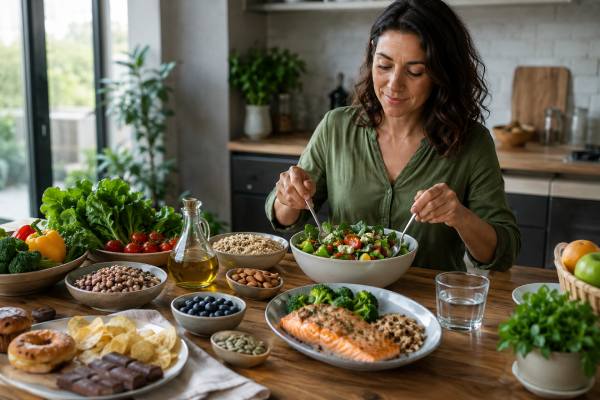
An anti-inflammatory diet is not a trendy menu or a promise to “boost” immunity overnight. It is a steady eating pattern that lowers unnecessary inflammatory strain while giving immune cells the raw materials they need to do their job well. That matters because the immune system depends on more than vitamins alone. It relies on the condition of the gut lining, the balance of the microbiome, the quality of dietary fats, the stability of blood sugar, and whether the body is constantly dealing with excess oxidative stress.
For most people, the biggest gains do not come from a single superfood. They come from building meals around vegetables, legumes, fruit, whole grains, nuts, seeds, olive oil, and seafood or other minimally processed proteins, while dialing down ultra-processed foods, excess alcohol, and added sugar. The goal is not perfection. It is creating a way of eating that is realistic enough to repeat and supportive enough to make immune health more resilient over time.
Quick Overview
- An anti-inflammatory diet supports immune balance by emphasizing fiber-rich plants, healthy fats, and minimally processed foods.
- A consistent eating pattern can help lower chronic inflammatory burden and support gut and barrier function.
- No single food can prevent illness, and highly restrictive diets can backfire if they reduce overall nutrition or protein intake.
- A practical starting point is to fill half the plate with plants, include a protein source at each meal, and replace one ultra-processed food each day.
Table of Contents
- Why anti-inflammatory eating supports immunity
- Foods to build meals around
- Fats, protein, and carbs that help
- What to limit without getting obsessive
- Gut health and immune balance
- How to make it work in real life
Why anti-inflammatory eating supports immunity
Inflammation is not the enemy. It is one of the body’s core defense tools. When you cut your finger, fight a virus, or respond to a vaccine, inflammation is part of the repair and protection process. The problem starts when inflammatory signaling stays elevated in the background for too long. That low-grade, ongoing state can make tissues more reactive, place extra stress on blood vessels and metabolism, and interfere with the kind of calm, well-regulated immune response you want.
Food influences this system every day. A pattern rich in plants, fiber, unsaturated fats, and minimally processed foods tends to support healthier immune signaling than a pattern dominated by refined starches, sugary drinks, processed meats, and heavily engineered snack foods. The reason is not mystical. These foods affect blood sugar swings, oxidative stress, the gut microbiome, body composition, and the balance of compounds that immune cells are exposed to.
The immune system also depends on physical barriers. The lining of the gut, mouth, nose, and airways helps decide what enters the body and how strongly the immune system reacts. When the diet is poor in fiber and high in heavily processed foods, those barrier functions may be harder to maintain. By contrast, diets built around legumes, vegetables, fruit, whole grains, nuts, seeds, and olive oil tend to supply the fibers, polyphenols, minerals, and healthy fats that help support those surfaces. That is one reason this topic overlaps naturally with barrier health and with the broader idea of immune resilience rather than “boosting.”
It also helps to avoid a common misunderstanding: an anti-inflammatory diet is not a diagnosis-specific cure. It will not erase an autoimmune disease, reverse a nutrient deficiency on its own, or guarantee fewer infections. What it can do is lower background friction. That often shows up as steadier energy, fewer post-meal crashes, better digestive comfort, improved metabolic health, and a body that is less burdened by chronic inflammatory input.
This is why the goal is balance, not intensity. The most effective anti-inflammatory pattern is usually the one you can keep. A rigid plan that cuts out large food groups without a clear medical reason may leave you underfed, overly focused on food, or low in protein and key nutrients. A sustainable pattern, on the other hand, can quietly improve the terrain your immune system operates in. Over months and years, that matters far more than a short burst of perfect eating.
Foods to build meals around
If you want an anti-inflammatory diet to feel simple, focus first on what deserves more space on the plate. The most useful question is not “What superfood should I add?” but “Which foods can become my default base?” The strongest answer is a broad mix of minimally processed plant foods, supported by quality proteins and fats.
Vegetables should do a lot of the heavy lifting. Leafy greens, cruciferous vegetables, tomatoes, peppers, onions, mushrooms, carrots, squash, and herbs all bring different fibers and phytochemicals. Variety matters because different colors and plant families supply different compounds. Fruit belongs here too, especially berries, citrus, kiwi, cherries, apples, and pomegranate, but frozen fruit is just as practical as fresh in many households.
Legumes deserve special attention. Beans, lentils, chickpeas, and peas are among the most efficient anti-inflammatory foods because they bring fiber, minerals, and plant compounds while also helping with fullness and blood sugar control. Whole grains such as oats, barley, brown rice, quinoa, and intact wheat also help, especially when they replace refined grains rather than simply being added on top of them.
Nuts and seeds are another cornerstone. Walnuts, almonds, pistachios, chia, flax, pumpkin seeds, and sesame all add healthy fats, minerals, and texture. Extra-virgin olive oil is one of the clearest everyday upgrades because it can replace less helpful fats while also contributing polyphenols. Many people who do well with this style of eating are essentially following a pattern close to the Mediterranean diet, even if they never call it that.
Fermented foods can also fit well when tolerated. Yogurt with live cultures, kefir, kimchi, sauerkraut, and miso may help diversify intake and support the gut environment, though they are not mandatory. The same is true for herbs, spices, tea, cocoa, and other polyphenol-rich foods. Garlic, ginger, turmeric, rosemary, cinnamon, and green tea are useful because they help make basic whole foods more satisfying, which improves consistency.
A practical plate often looks like this:
- Half vegetables or fruit-rich plant foods
- One quarter protein
- One quarter whole-food starch or whole grain
- A source of healthy fat, often olive oil, nuts, seeds, or avocado
This does not need to be perfect at every meal. It simply gives you a repeatable structure. If you want a broader shopping framework, it aligns closely with a practical immune-support grocery list. The point is to make the anti-inflammatory choice the easy choice by centering meals on foods that are naturally rich in fiber, color, and nutrient density.
Fats, protein, and carbs that help
People often assume anti-inflammatory eating is mostly about avoiding sugar or taking turmeric. In real life, the more important issue is the quality of the diet’s major building blocks: fats, proteins, and carbohydrates. These shape satiety, metabolic health, recovery, and the chemical environment immune cells operate in.
Start with fats. Replacing a portion of saturated fat from processed meats, fast food, pastries, and many packaged snacks with unsaturated fats is one of the most reliable shifts. Extra-virgin olive oil, nuts, seeds, olives, and avocado are strong staples. Fatty fish such as salmon, sardines, trout, herring, and mackerel are especially useful because they provide marine omega-3 fats that help support a more balanced inflammatory response. That does not mean every meal needs fish, but including it a few times per week is a practical pattern. If fish is not realistic, walnuts, chia, and flax are still worthwhile, and the broader discussion overlaps with omega-3s and immune health.
Protein matters more than many anti-inflammatory diet lists admit. An under-protein pattern can leave you less satisfied, more likely to rely on refined snacks, and slower to recover from illness, training, or stress. Good options include fish, plain yogurt, kefir, eggs, tofu, tempeh, edamame, beans, lentils, and minimally processed poultry. Red meat does not need to disappear entirely for everyone, but frequent intake of processed or fatty red meats tends to fit poorly with an anti-inflammatory pattern.
Carbohydrates are where nuance matters. The issue is not carbs as a category. It is whether the carb source arrives with fiber, intact structure, and useful nutrients. Oats, beans, lentils, fruit, potatoes, sweet potatoes, and whole grains behave very differently from sugary cereals, sweetened coffee drinks, pastries, and refined snack foods. Whole-food carbohydrate sources tend to be more compatible with stable energy and better glycemic control, which matters because repeated blood sugar spikes can add to inflammatory strain.
Drinks count too. Water should stay central. Unsweetened tea and coffee can fit for many people, and tea adds polyphenols. Sugary beverages, on the other hand, are one of the easiest inflammatory burdens to reduce because they deliver a lot of rapidly absorbed sugar without helping fullness. Alcohol also deserves caution. Even moderate habits can quietly worsen sleep, recovery, and immune resilience for some people, which is why this topic connects with how alcohol affects infection risk.
A helpful rule is to choose foods that still look like food. Fats should come from fish, olive oil, nuts, and seeds more often than industrial snack foods. Protein should come from fish, legumes, cultured dairy, eggs, or simple meats more often than processed deli slices and bars. Carbs should come from fruit, beans, oats, and grains more often than products built around flour, sugar, and additives.
What to limit without getting obsessive
A useful anti-inflammatory diet is not built on fear. It is built on proportion. The foods most worth limiting are the ones that make it easier to overeat, easier to crowd out better options, and more likely that inflammation-supporting habits pile up in the background.
Ultra-processed foods are the clearest example. This does not mean every packaged food is harmful, and it does not mean you need to cook every bite from scratch. It means foods built from refined starches, added sugars, isolated fats, flavor systems, and cosmetic additives should not dominate the pattern. Common examples include sugary breakfast cereals, packaged pastries, chips, candy, many frozen snack foods, sweetened yogurts that function more like desserts, fast-food meals, and heavily processed ready-to-eat products. These foods tend to be hyper-palatable, easy to overconsume, and poor at supporting fullness, fiber intake, or nutrient density. That is why they fit into the larger discussion on ultra-processed foods and immune balance.
Added sugar is part of that story, but it is not the whole story. A small amount of sugar in an otherwise solid diet is different from a pattern built around sweet drinks, desserts, and refined snacks. The same applies to refined grains. White rice or white bread occasionally is not the issue by itself; the issue is when refined grains become the main carbohydrate source and crowd out beans, oats, intact grains, fruit, and vegetables.
Processed meats deserve special mention. Bacon, sausage, hot dogs, salami, and many deli meats bring more than protein. They often come with excess sodium, saturated fat, preservatives, and a dietary pattern that is low in plant foods. Frequent intake is harder to fit into an anti-inflammatory approach than occasional intake.
Alcohol is another food-like exposure that is easy to underestimate. It can disrupt sleep, irritate the gut, add empty energy, and weaken judgment around food choices. If immune support is the goal, one of the simplest upgrades is to drink less often, drink smaller amounts, or reserve alcohol for occasional use rather than routine use.
The key is to think in replacements, not bans:
- Replace one sugary drink with water, tea, or sparkling water.
- Replace one processed snack with fruit and nuts or plain yogurt.
- Replace one takeout-heavy meal with a bean, grain, and vegetable bowl.
- Replace one processed meat habit with eggs, legumes, fish, or simple poultry.
This approach keeps you from turning the diet into a purity test. You do not need to eliminate every treat. You need a pattern where the foods most likely to add inflammatory burden stop being the default.
Gut health and immune balance
A large share of immune activity is tied to the gut, so any anti-inflammatory diet that ignores the microbiome misses a major part of the story. The goal is not to chase perfect bacterial diversity with expensive testing or exotic powders. It is to regularly feed beneficial microbes and support the intestinal barrier with ordinary foods.
Fiber is the foundation. Different fibers feed different microbes, which is why range matters as much as quantity. Beans, lentils, oats, barley, fruit, vegetables, nuts, seeds, and cooked-and-cooled starches all contribute in slightly different ways. When microbes ferment certain fibers, they produce compounds such as short-chain fatty acids that help maintain the gut lining and influence immune signaling. That is one reason fiber is about more than regularity. It sits at the center of the gut-immune connection.
Prebiotic foods are especially useful here. These are foods rich in fibers that beneficial microbes like to use, such as onions, garlic, leeks, asparagus, oats, beans, lentils, bananas, and certain whole grains. You do not need a prebiotic supplement to get the effect. In fact, many people do very well by simply increasing these foods gradually and consistently.
Fermented foods may add another layer. Yogurt with live cultures, kefir, kimchi, sauerkraut, and miso can be reasonable additions when tolerated. They are not magic and they are not essential for everyone, but they may help broaden microbial exposure and complement a fiber-rich pattern. If your digestion is sensitive, start small. This pairs well with the practical advice in how to start fermented foods without GI upset.
Polyphenol-rich foods also matter because they interact with the microbiome and may help shape the kinds of metabolites microbes produce. Berries, cocoa, olive oil, green tea, herbs, spices, and colorful vegetables all belong here. So do mixed plant patterns that bring many of these compounds together over time.
A few cautions are worth adding. If you sharply increase fiber overnight, you may feel bloated or uncomfortable. Go slowly, increase fluids, and spread fiber across the day. If you have inflammatory bowel disease, significant IBS, unexplained weight loss, or digestive symptoms that keep worsening, a more individualized approach may be needed. Anti-inflammatory eating should make digestion steadier over time, not chronically more miserable.
The broad principle is simple: if you feed the microbiome well, the gut often becomes a better partner for immune balance. That does not happen from one salad. It happens when fiber, plant variety, and minimally processed foods become routine enough to change the environment in which gut microbes and immune cells interact.
How to make it work in real life
The best anti-inflammatory diet is the one that survives a busy week, a grocery budget, family preferences, and imperfect energy. That means systems matter more than motivation. Rather than rebuilding your entire diet in one weekend, start with a few repeatable upgrades that change the baseline.
A practical week often begins with anchors. Keep two easy breakfasts, two easy lunches, and three easy dinners in rotation. That might mean oats with chia and berries, eggs with vegetables, yogurt with nuts, lentil soup, bean bowls, salmon with potatoes and greens, or a stir-fry built around tofu or chicken and frozen vegetables. The meals do not need to be exciting every time. They need to be easy enough that you do not fall back on ultra-processed defaults when tired.
Shopping helps when done by category:
- Vegetables and fruit, including frozen
- Beans, lentils, and whole grains
- Fish, eggs, yogurt, tofu, or simple meats
- Olive oil, nuts, seeds, herbs, and spices
- One or two enjoyable convenience foods that do not derail the week
This is also where meal balance prevents overcorrection. Some people clean up the quality of the diet but accidentally undereat. Then they crave sugar at night, snack constantly, or feel worse. An anti-inflammatory pattern should still contain enough protein, energy, and pleasure. If you are active, older, pregnant, recovering from illness, or trying to preserve muscle, adequate protein becomes especially important, which is why protein intake for immune support and recovery should not be treated as an afterthought.
Perfection is also unnecessary. A helpful target is to improve the average week. One restaurant meal or dessert does not undo the pattern. What matters is what your meals look like most of the time. Many people do well with a simple rule: make at least two meals each day clearly whole-food based. Over time, that tends to crowd out the less helpful foods without constant willpower.
Finally, remember that food is one pillar, not the whole structure. Poor sleep, smoking, heavy alcohol use, chronic stress, and inactivity can all work against the benefits of a better diet. If progress feels limited, it may help to pair food changes with the bigger habits covered in evidence-based immune-support habits.
Done well, an anti-inflammatory diet feels less like a program and more like a stable home base. It gives your immune system fewer unnecessary problems to solve and more of what it needs to recover, regulate, and respond appropriately.
References
- Effects of Dietary Patterns on Biomarkers of Inflammation and Immune Responses: A Systematic Review and Meta-Analysis of Randomized Controlled Trials 2022 (Systematic Review and Meta-Analysis)
- The impact of the Mediterranean diet on immune function in older adults 2024 (Review)
- The Prebiotic Potential of Inulin-Type Fructans: A Systematic Review 2022 (Systematic Review)
- Nutritional regulation of microbiota-derived metabolites: implications for immunity and inflammation 2024 (Review)
- Ultra-Processed Food Consumption and Systemic Inflammatory Biomarkers: A Scoping Review 2025 (Scoping Review)
Disclaimer
This article is for educational purposes only and is not medical advice, diagnosis, or treatment. An anti-inflammatory diet can support immune health, but it does not replace care for autoimmune disease, digestive disorders, diabetes, food allergies, eating disorders, or nutrient deficiencies. If you have significant weight loss, ongoing digestive symptoms, suspected deficiencies, a chronic medical condition, or questions about what to eat during pregnancy, illness, or medication treatment, speak with a qualified clinician or registered dietitian for individualized guidance.
If this article was useful, please consider sharing it on Facebook, X, or your preferred platform so more people can find practical, evidence-based guidance.