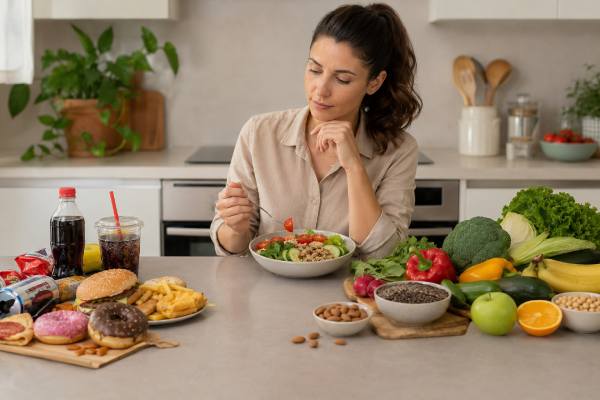
Ultra-processed foods are easy to miss because they are built into modern routines. They are the breakfast eaten in the car, the snack grabbed between meetings, the frozen dinner after a long day, and the sweet drink that seems harmless because it is familiar. The problem is not that one packaged food suddenly “damages” immunity. The bigger issue is what happens when these products make up a large share of the diet over time.
A pattern built around ultra-processed foods often brings more added sugar, refined starch, unhealthy fats, sodium, and additives, while pushing out fiber, polyphenols, and other nutrients that help regulate inflammation. That combination can change the gut environment, strain metabolic health, and make immune signaling less balanced. In this article, you will learn what counts as ultra-processed food, how it may raise inflammatory pressure, what that means for immune balance, and how to reduce it in a practical, realistic way.
Essential Insights
- A diet high in ultra-processed foods can raise inflammatory burden and make immune regulation less steady over time.
- The risk is not only about calories; low fiber, disrupted gut ecology, additives, and frequent blood sugar spikes may all contribute.
- Not every packaged food is a problem, and the overall eating pattern matters more than a single item.
- People with existing metabolic, digestive, or inflammatory issues may notice the effects of a UPF-heavy diet more strongly.
- A practical starting point is to replace one ultra-processed meal or snack each day with a simple, minimally processed alternative.
Table of Contents
- What makes a food ultra-processed
- How UPFs can drive inflammation
- Why immune balance can shift
- Which UPFs are most concerning
- What to eat more often instead
- How to cut back without going extreme
What makes a food ultra-processed
The term ultra-processed food does not simply mean “food that comes in a package” or “food made in a factory.” Processing exists on a spectrum. Washing spinach, freezing berries, drying oats, fermenting yogurt, and canning beans are all forms of processing, and many of them are useful or even health-supportive. Ultra-processed foods are different because they are industrial formulations built mostly from refined ingredients, extracted components, and additives, with relatively little intact whole food left.
These products often include ingredients you would not normally use in a home kitchen in the same way: flavor enhancers, colorings, emulsifiers, stabilizers, sweeteners, isolated starches, modified oils, protein isolates, and multiple forms of added sugar. They are usually designed to be highly convenient, intensely palatable, shelf-stable, and easy to overeat.
Common examples include:
- Sugary breakfast cereals
- Soft drinks and energy drinks
- Packaged pastries and candy
- Chips and flavored crackers
- Instant noodles
- Chicken nuggets and many reconstituted meat products
- Frozen pizzas and many ready meals
- Sweetened yogurt-style desserts
- Protein bars with long additive lists
A useful question is not “Was this processed?” but “What is this food mostly made of?” If the answer is refined starches, sugars, industrial fats, flavor systems, and additives, it is more likely to fall into the ultra-processed category. If the food still looks and behaves like the original food, it is often less problematic. Plain Greek yogurt, canned lentils, frozen vegetables, rolled oats, and canned fish are processed, but they are not usually what people mean when they worry about ultra-processed foods and inflammation.
This distinction matters because people often become unnecessarily rigid. Avoiding all packaged foods is not realistic, and it is not required for better immune health. The real issue is dietary displacement. When ultra-processed foods crowd out beans, vegetables, fruit, nuts, eggs, fish, yogurt, and whole grains, the diet becomes less supportive of immune regulation. You are not only eating more of what drives inflammatory stress; you are also eating less of what helps calm it.
So the most helpful lens is pattern, not perfection. A packaged soup paired with fruit and whole grain toast is different from a day built around sweet drinks, snack cakes, chips, and processed meat sandwiches. The immune system responds to the overall environment you create repeatedly, not to a single isolated item.
How UPFs can drive inflammation
Ultra-processed foods can increase inflammatory pressure through several overlapping pathways. The first is nutrient imbalance. Many UPFs deliver a combination of refined carbohydrates, low fiber, excess sodium, and fats that are easy to overconsume. That pattern can worsen blood sugar control, promote visceral fat gain, and increase the background level of inflammatory signaling in the body.
The second pathway involves what is missing. Diets high in UPFs are often low in fiber, resistant starch, and plant compounds that feed beneficial gut microbes. When the gut microbiome receives less fermentable material, it may produce fewer short-chain fatty acids such as butyrate, which help support the intestinal lining and immune tolerance. That is one reason the connection between fiber and immune defense matters so much here.
The third pathway is the food matrix itself. Ultra-processed foods are frequently soft, fast to eat, and engineered for reward. That can make it easier to consume large amounts before satiety signals catch up. Repeated overeating, especially of calorie-dense products, can increase fat accumulation in the liver and abdomen, which is closely tied to chronic low-grade inflammation.
A fourth concern is that some additives may affect the gut environment in ways that are still being worked out. Not every additive is harmful, and the evidence is stronger for some than for others. Even so, certain emulsifiers, sweeteners, and texturizers have raised questions about gut barrier function, microbial balance, and inflammatory responses. That is part of the broader discussion around barrier health and immunity, where the intestinal lining acts as a selective gate rather than a passive tube.
In practice, inflammation from a UPF-heavy diet is rarely caused by one ingredient alone. It is usually the combined effect of several features:
- Frequent glucose spikes and crashes
- Low intake of intact plant foods
- Reduced microbial diversity
- Excess energy intake
- Higher sodium and lower potassium balance
- Exposure to multiple additives within the same dietary pattern
This is also why two people can respond differently. Someone who eats a generally nutrient-dense diet and has an occasional packaged dessert is not in the same situation as someone whose daily intake centers on sweetened drinks, processed meats, fried snack foods, and ready meals. Dose matters. Frequency matters. The background quality of the whole diet matters.
The strongest human evidence at this point suggests that high UPF intake is consistently associated with worse inflammatory and chronic disease patterns, even if every mechanism is not yet fully settled. That is enough to treat UPFs as a meaningful lever for lowering inflammatory load, especially when the goal is steadier immune balance over months and years rather than a quick fix.
Why immune balance can shift
The immune system works best when it is responsive but restrained. It needs to recognize threats, clear infections, repair damage, and then stand down. Chronic dietary stress can make that balance harder to maintain. Instead of clean, well-regulated signaling, the body may drift toward a state of persistent low-grade activation. That does not always produce obvious symptoms right away, but it can shape how resilient the immune system feels over time.
One important link is the gut. A large share of immune activity is connected to the intestinal environment, where food, microbes, and immune cells interact constantly. When a diet is low in diverse plant foods and high in ultra-processed products, the gut ecosystem can become less stable. Microbial diversity may drop, beneficial metabolites may decrease, and the intestinal lining may become less well supported. This can make immune reactions noisier and less efficient.
Another link is adipose tissue, especially visceral fat. When UPFs contribute to excess body fat around the abdomen, inflammatory molecules released from fat tissue can rise. That ongoing signal may interfere with immune regulation and can overlap with insulin resistance, poor recovery, fatigue, and a greater burden of chronic inflammation. In that sense, food is not only fuel; it shapes the inflammatory terrain where immune decisions are made.
A UPF-heavy pattern can also crowd out nutrients that support balanced immunity. This includes magnesium, potassium, folate, vitamin C, carotenoids, and a wide range of polyphenols. Deficiency is not required for problems to appear. Even a modest but repeated shortfall in diet quality can weaken the body’s ability to regulate oxidative stress, maintain mucosal barriers, and resolve inflammation after it has done its job.
What this means in real life is not that ultra-processed foods “shut down” immunity. The effect is more subtle and more important than that. They may push the system away from resilience and toward friction. People may notice slower recovery, more digestive irritability, poorer energy, more appetite volatility, or worsening of conditions linked to immune dysregulation. Over time, that can matter even if routine lab work still looks acceptable.
This is one reason many clinicians and public health experts prefer the language of regulation rather than “boosting.” The goal is not to make the immune system more aggressive. It is to make it more appropriately responsive. A diet lower in UPFs and richer in whole or minimally processed foods fits the idea of immune resilience much better than any dramatic cleanse, shot, or supplement stack.
In other words, immune balance is shaped less by one magic food and more by the daily pattern that either turns down needless inflammatory noise or keeps feeding it.
Which UPFs are most concerning
Not all ultra-processed foods appear equally concerning. Some are more strongly linked with poor outcomes because they combine several high-risk features at once: low satiety, rapid absorbability, heavy marketing, high sugar or sodium, poor nutrient density, and a tendency to displace real meals. Looking at categories can be more useful than trying to memorize every ingredient list.
Sweet drinks are high on the list. Soda, sweetened iced tea, energy drinks, and many fruit-flavored beverages deliver sugar quickly without much fullness. They can raise total calorie intake, worsen glucose swings, and add inflammatory strain without contributing much else nutritionally.
Packaged sweets and refined snack foods also deserve attention. Cookies, pastries, candy bars, sweet breakfast items, and many flavored crackers or chips are easy to eat in large amounts and often combine refined flour, sugars, industrial fats, salt, and flavor additives. These foods are especially effective at replacing meals rather than simply complementing them.
Processed meats are another category to watch. Many sausages, hot dogs, deli meats, breaded meat products, and reconstituted frozen items combine sodium, preservatives, refined fillers, and saturated fat in a way that does not support inflammatory control. Frequent intake tends to cluster with a broader eating pattern that is already poor in plant foods.
Ready meals vary. Some frozen or shelf-stable meals are reasonably balanced, especially if they emphasize vegetables, beans, whole grains, and clear protein sources. Others are essentially starch, sauce, sodium, and additives. The difference often comes down to whether the meal still resembles recognizable food or whether it reads more like an engineered product.
A few practical clues can help:
- The first ingredients are refined flour, sugar, syrups, or isolated starches
- The product contains multiple flavorings, colorings, or texturizers
- It is easy to eat quickly and not feel satisfied
- It contributes little fiber or protein for the calories
- It is replacing meals that could be built from simpler ingredients
One nuance matters here: some foods sit in a gray zone. Whole grain bread, fortified cereal, flavored yogurt, plant milks, and meal replacements are not all interchangeable. A person with a tight budget, limited cooking time, digestive restrictions, or higher protein needs may rely on some packaged items strategically. That is different from a diet dominated by products designed mainly for convenience and hyper-palatability.
This is also where the conversation overlaps with high-sugar eating patterns. The immune problem is usually not a single cookie. It is the repeated intake of foods that amplify inflammatory stress while offering very little in return. Identifying the biggest contributors in your own routine usually works better than trying to overhaul everything at once.
What to eat more often instead
The most effective strategy is usually additive before subtractive. Instead of focusing only on what to avoid, build the diet around foods that naturally reduce dependence on ultra-processed options. When satisfying, minimally processed foods are available and easy to eat, UPFs stop being the default.
Start with meals that combine three elements: protein, fiber, and color. That could look like eggs with vegetables and toast, Greek yogurt with fruit and seeds, lentil soup with olive oil, salmon with potatoes and greens, or oats with nuts and berries. These meals are not trendy, but they work because they improve fullness, stabilize energy, and support a healthier gut environment.
The next priority is plant variety. Eating a broader range of beans, vegetables, fruit, herbs, nuts, seeds, and whole grains helps feed a wider range of gut microbes. That matters because microbial diversity is tied to better production of compounds that help regulate inflammation. A pattern built around more plant diversity across the week tends to be more practical than chasing a perfect daily menu.
Helpful replacement categories include:
- Fruit instead of candy or pastries for a routine sweet snack
- Nuts, roasted chickpeas, or hummus instead of chips
- Plain yogurt with fruit instead of dessert-style yogurt products
- Oats, eggs, or leftovers instead of sugary breakfast bars
- Bean-based bowls or simple sandwiches instead of vending-machine lunches
- Homemade popcorn instead of heavily flavored snack mixes
The goal is not to remove all convenience. It is to choose better convenience. Frozen vegetables, canned beans, microwavable brown rice, plain yogurt, rotisserie chicken, canned tuna, tofu, nut butter, and pre-washed greens can all help create meals quickly without leaning so heavily on ultra-processed foods.
This approach naturally moves the diet toward a more anti-inflammatory eating pattern for immune health. You do not need exotic powders or “clean eating” rules. You need foods that bring fiber, unsaturated fats, quality protein, minerals, and plant compounds back into the center of the plate.
It also helps to think in ratios rather than absolutes. If most meals during the week are built from recognizable foods, an occasional frozen pizza, protein bar, or packaged dessert becomes much less important. Immune balance improves when the usual pattern is supportive, not when every bite is controlled.
In the long run, the question becomes simple: does this food help build a meal, or does it replace one without offering much nourishment? Repeating that question can shift choices without turning eating into a full-time project.
How to cut back without going extreme
Most people do better with a realistic reduction plan than with a sudden purge. Going from a highly convenient diet to cooking every meal from scratch often fails because it demands more time, money, and mental energy than daily life allows. A better approach is to identify your highest-impact swaps and repeat them until they feel automatic.
First, look for your main UPF exposures. For many people, they are not dinner. They are breakfast, drinks, and afternoon snacks. Replacing a sweet drink with water, tea, or sparkling water, switching from a packaged pastry to eggs or yogurt, and upgrading one snack can reduce ultra-processed intake more than obsessing over a single dinner sauce.
A simple framework is:
- Keep one or two convenience foods that truly help you.
- Replace the most frequent low-value UPF item first.
- Build a short list of repeat meals you can make in ten minutes.
- Stock ingredients that make default choices easier.
- Aim for consistency, not purity.
Reading labels can help, but only to a point. A very long ingredient list is not automatically bad, and a short list is not automatically good. Focus on the basics: does the product provide meaningful protein or fiber, or is it mostly refined starch, added sugar, and flavor engineering? That question usually tells you more than a marketing claim on the front of the package.
Budget matters too. Ultra-processed foods are often cheap per calorie, but not always cheap per nutrient. If cost is a concern, center meals on oats, potatoes, rice, beans, eggs, canned fish, yogurt, frozen vegetables, carrots, cabbage, bananas, and peanut butter. These foods are affordable, filling, and far more supportive of inflammatory control than many snack-based eating patterns. A Mediterranean-style pattern can be adapted to ordinary budgets when it emphasizes staples instead of specialty products.
It also helps to plan for imperfect days. Keep a few “good enough” options on hand, such as soup plus toast, tuna and crackers with fruit, microwaved potatoes with cottage cheese, or frozen vegetables added to instant rice and eggs. The best backup meal is the one that stops takeout sweets and packaged snacks from becoming dinner.
For most people, success does not mean eliminating UPFs forever. It means changing the weekly average. When whole or minimally processed foods become the base of the diet, inflammation tends to have fewer dietary drivers, and the immune system has a steadier environment to work in. That is the real win: not food purity, but a routine that supports metabolic health, gut integrity, and day-to-day resilience. For more meal ideas, a practical immune-supportive grocery list can make planning easier.
References
- Ultra-Processed Food Consumption and Systemic Inflammatory Biomarkers: A Scoping Review 2025 (Scoping Review)
- Ultra-processed foods: increasing the risk of inflammation and immune dysregulation? 2024 (Review)
- Ultra-processed food exposure and adverse health outcomes: umbrella review of epidemiological meta-analyses 2024 (Umbrella Review)
- The Detrimental Impact of Ultra-Processed Foods on the Human Gut Microbiome and Gut Barrier 2025 (Review)
- Healthy diet 2026 (Guidance)
Disclaimer
This article is for educational purposes only and is not medical advice, diagnosis, or treatment. Ultra-processed foods affect people differently based on overall diet, health conditions, medications, digestive issues, and lifestyle factors. If you have inflammatory bowel disease, diabetes, significant food intolerance, unintended weight loss, a history of disordered eating, or concerns about immune-related symptoms, speak with a qualified clinician or registered dietitian before making major dietary changes.
If you found this article useful, please share it on Facebook, X, or any platform where it may help someone make clearer, healthier food choices.