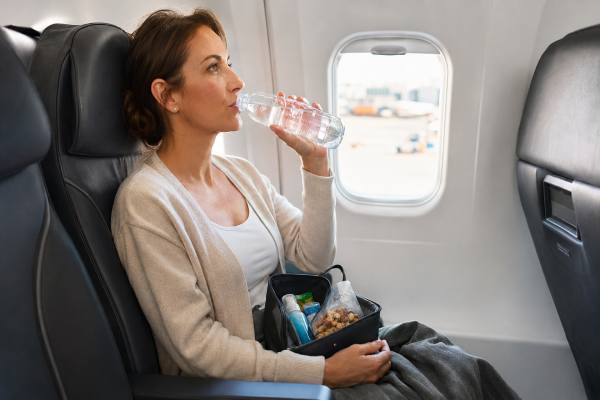
Travel makes people more vulnerable for simple reasons that have nothing to do with willpower and very little to do with miracle supplements. A trip can compress poor sleep, crowded indoor spaces, stress, schedule changes, unfamiliar food, and exposure to many more people than you would normally see in a day. That mix can raise the odds of a cold, stomach bug, or flare of an existing health problem, even if you are generally healthy. At the same time, not every risk is equal. Modern aircraft ventilation is better than many people assume, while boarding, long lines, poor sleep, and sloppy food or hand habits often matter more than travelers realize. The good news is that travel immune support is mostly about smart layers, not perfection: prepare before you leave, reduce exposure during transit, and know what to do early if symptoms start.
Essential Travel Takeaways
- Up-to-date routine and destination-specific vaccines can lower preventable travel risk, and a pre-travel check is worth doing even for short trips.
- Cabin air on large jets is filtered and refreshed often, but close contact during boarding, deplaning, and long waits still creates meaningful exposure opportunities.
- A well-fitted mask, clean hands, and fewer face touches usually offer more real protection than most “immune booster” products.
- Travel-day hydration, steady meals, and protecting sleep help your body handle immune stress better than aggressive supplement stacks started at the last minute.
- Pack a small health kit and get medical help early for trouble breathing, high fever, severe dehydration, bloody diarrhea, confusion, or illness that worsens during or after travel.
Table of Contents
- Why travel can tip you into illness
- What to do before you leave
- How to lower exposure in transit
- Eat, drink, and sleep for stability
- Pack a kit that solves common problems
- Know when to delay travel or seek care
Why travel can tip you into illness
People often picture the airplane itself as the main problem, but travel illness is usually a chain, not a single event. You may lose sleep the night before departure, rush through a crowded airport, eat at odd times, touch shared surfaces constantly, sit close to strangers for hours, and then arrive in a new place where your usual routines disappear. That is why travel immune support works best when you think in layers rather than searching for one fix. In practice, the goal is not to “supercharge” your immune system. It is to reduce immune stress and exposure at the same time, a mindset closer to immune resilience than marketing-driven “boosting.”
It also helps to understand where the real respiratory risk sits. Modern commercial aircraft are not sealed boxes full of stale air in the way many people imagine. Large commercial jets recirculate part of the cabin air through HEPA filters, refresh cabin air frequently, and generally have airflow patterns that limit broad spread across the cabin. But that does not mean zero risk. Close proximity still matters, especially before contaminated air can be filtered out. Risk can also be higher when ventilation is not fully operating as usual, such as during boarding, deplaning, and some ground delays. That explains why a packed gate area or a slow boarding line can be more important than the cruising phase of the flight itself.
The other side of the equation is your biology. Sleep disruption and circadian disruption are not minor inconveniences. They affect inflammatory signaling, immune cell behavior, and how well your body organizes its normal defense patterns. A red-eye flight, a five-hour time shift, and a short hotel night can leave you feeling merely tired, but they can also make it harder to recover from exposures that your body might otherwise handle smoothly. That is one reason long-haul trips and repeated short business trips can feel harder on the body than the distance alone would suggest. For a deeper look at that connection, see jet lag and immune strain.
There is also a second travel category people forget: gastrointestinal illness. Respiratory bugs get more attention on planes, but travelers’ diarrhea remains one of the most predictable travel-related illnesses, especially on international trips with higher food and water risk. That means the smartest traveler is usually the one who prepares for both respiratory and digestive problems instead of focusing on only one.
What to do before you leave
The most effective travel immune support starts before you zip your suitcase. First, treat the pre-travel window as a health setup phase, not just a packing phase. This is the time to update routine vaccines as well as destination-specific vaccines when needed. That matters even for experienced travelers, because adults are often behind on routine boosters, and itinerary details can change what is recommended. For international trips, routine protection against infections such as measles and flu matters as much as destination-specific planning. Even if you booked late, a last-minute travel health visit can still be useful for prioritizing vaccines, medicines, and risk-reduction advice.
Second, protect sleep in the week before departure. This is not glamorous advice, but it is unusually high-value. If you go into a trip already sleep-deprived, you are starting at a deficit before the airport stress begins. Try to keep a consistent sleep and wake time for several nights before travel, especially before an overnight flight or a time-zone jump. Do not assume you will “catch up on the plane.” Most people do not sleep deeply enough in transit for that to count as meaningful recovery. If you want to revisit why this matters, the bigger picture is covered in sleep and infection risk.
Third, avoid the common trap of panic-buying immune products right before takeoff. Starting three new supplements two days before a trip is more likely to create side effects, reflux, stomach upset, or interaction problems than to transform your defenses. A practical rule is simple: do not experiment immediately before travel. If you already use a supplement your clinician agrees with, stick to what is familiar. If you do not, focus first on basics such as sleep, meals, hydration, and vaccination. That usually offers more real-world benefit than chasing novelty blends sold near the gate. A grounded overview of the basics is in core immune nutrients.
Fourth, think about whether you should travel at all if you are already ill. If you have a confirmed or suspected acute respiratory infection, the safest choice is usually to delay travel until you are no longer likely to spread it. That is safer for you and for everyone around you. It is especially important if you have fever, significant cough, body aches, vomiting, or diarrhea before departure. Travel compounds those symptoms, and it can make finding appropriate care much harder.
Finally, if you are pregnant, immunocompromised, older, or managing conditions such as asthma, COPD, diabetes, or inflammatory disease, plan earlier rather than later. You may need more tailored vaccine timing, medication planning, or destination-specific precautions than a healthy traveler going on a simple city break.
How to lower exposure in transit
Once you are in motion, the best strategy is to reduce unnecessary exposure without making travel miserable. Start by accepting that the riskiest moments are often the least dramatic ones: the crowded shuttle bus, the security bin, the gate queue, the boarding bottleneck, the tight aisle, the packed passport line. Those are the places where people cluster shoulder to shoulder, ventilation may be less favorable than in flight, and you are more likely to touch contaminated surfaces and then touch your face. On aircraft specifically, boarding and deplaning are often the moments when extra precautions make the most sense because people are standing closer together and airflow may not feel as steady.
A mask is not an all-or-nothing identity statement here. It is a situational travel tool. If respiratory viruses are circulating heavily, if you are seated near obviously sick passengers, if you are immunocompromised, or if the trip is especially important and you do not want to risk getting sick halfway through, a well-fitted mask can be a smart layer. Better-fitting options such as N95 or KN95 respirators usually offer more protection than looser masks. Our related guide on when masks help most goes deeper on that decision.
Hand hygiene also deserves more respect than it gets. It is not glamorous, but it is practical. Washing hands or sanitizing often can cut down on the number of germs you carry from shared surfaces to your face or your food. Use sanitizer with at least 60 percent alcohol when soap and water are not available. Use it strategically: after security bins, after restroom use, before eating, after touching shared railings, and after helping children with wipes or tissues. If a sink is available, soap and water is excellent. If not, keep sanitizer where you can reach it without unpacking half your bag. For a side-by-side look at the tradeoffs, see soap-and-water handwashing versus sanitizer.
A few more transit habits help:
- Keep snacks simple so you are not forced into long stretches with your hands near your mouth in crowded spaces.
- Avoid repeatedly touching your nose, eyes, and lips.
- Be cautious with surfaces you touch right before eating, such as tray tables, phones, and seat-back screens.
- If someone next to you is clearly ill, politely ask whether there is another seat once boarding is complete.
None of this removes risk completely. It does make exposure less frequent, less prolonged, and less careless, which is often the difference that matters.
Eat, drink, and sleep for stability
One of the easiest mistakes on travel days is treating your body as if it will tolerate anything for 24 hours and then magically reset on arrival. In reality, skipped meals, alcohol, too much caffeine, poor hydration, and a badly timed late dinner can leave you feeling wrecked before you even consider germs. Good travel immune support is less about “special immune foods” and more about keeping your physiology stable enough to handle the trip well.
Start with hydration. This is not because water is a magic immune tonic. It is because long travel days make it easy to underdrink, especially when you are trying to avoid bathroom trips or relying on coffee and alcohol. Aim for regular fluids across the day rather than chugging a large amount only once you feel bad. That matters even more if you develop diarrhea, vomiting, fever, or a very dry throat. The deeper explanation is covered in how dehydration raises vulnerability.
For food, think low drama. On transit days, predictable meals usually beat adventurous ones. Choose food that gives you protein, carbohydrates, and some produce without pushing your stomach too hard. If you are traveling somewhere with higher food and water risk, pay attention to temperature and preparation rather than relying on vague rules like “healthy-looking places are safe.” Fully cooked foods served hot are generally safest, and travelers should be just as cautious about food and water served on flights as they are in restaurants. In higher-risk settings, raw produce, unpasteurized dairy, undercooked meat and seafood, and street-vended foods carry more risk.
Sleep timing may matter even more than travelers assume. If you cross time zones, start acting like your destination day as soon as practical. Get outdoor light at the local morning time when you can, eat roughly on local schedule, and avoid turning one bad night into three by sleeping all afternoon after arrival. The immune system follows daily timing cues, and circadian disruption can affect how immune activity is organized across the day. If you want the broader context, see why circadian timing matters.
A few practical travel-day rules work well for many people:
- Eat before you become ravenous.
- Sip fluids steadily.
- Keep caffeine earlier rather than later when crossing time zones.
- Go easy on alcohol if it worsens sleep or dries you out.
- Prioritize one solid night of sleep after arrival over squeezing in one more social event.
That kind of stability is rarely exciting, but it is often what keeps a manageable trip from turning into a sick one.
Pack a kit that solves common problems
A useful travel health kit is one of the most underrated forms of travel immune support because it helps you respond early, when small problems are still small. A well-built kit should be tailored to your health history and trip type, and medicines and first aid supplies should be kept in a durable, water-resistant container that is readily accessible during the journey. In other words, do not bury the important items in checked luggage or in the deepest layer of your suitcase.
At minimum, most travelers do well with:
- All prescription medications in original containers, plus a few extra days’ supply
- A thermometer
- Hand sanitizer
- Masks if you may want them
- Pain or fever medicine you already tolerate well
- Oral rehydration packets or a clear plan for replacing fluids
- Basic bandages and blister care
- Tissues
- Any allergy medicines, inhalers, or nasal sprays you normally use
- A short list of your medications, allergies, conditions, and emergency contacts
Depending on the destination, you may also need insect repellent, sunscreen, condoms, water treatment tools, or traveler-specific prescriptions discussed with a clinician. Some travelers also carry medicines for expected regional problems such as malaria, altitude illness, or self-treatment of travelers’ diarrhea when appropriate. The key phrase is “when appropriate.” This is not a reason to self-prescribe antibiotics or load your bag with unfamiliar remedies.
Your kit should also include planning items, not just products. Know where you would get care at your destination. Save local emergency numbers. Keep travel insurance details accessible. Screenshot important documents in case your phone signal fails. If your child spikes a fever or you wake at 2 a.m. with vomiting, the most valuable thing may be the ability to act calmly and quickly, not another supplement sachet from the hotel minibar.
This is also the right place for a reality check on airport wellness purchases. Most last-minute “immune shots,” gummies, and proprietary blends are expensive, unnecessary, and more likely to cause reflux, nausea, or false reassurance than to change the course of a trip. A better mindset is prevention over theatrics. For broader habits, see illness-prevention basics. If you are tempted by supplement marketing, our guide to immune supplement claims and risks can help you separate useful ideas from hype.
The best kit is not the biggest one. It is the one that covers the problems most likely to happen to you, in the places you are actually going, with items you already know how to use.
Know when to delay travel or seek care
Most travel illnesses are mild and self-limited, but some are not, and delay is where simple cases become complicated. Before departure, do not try to “push through” symptoms that would clearly keep you home under normal conditions. If you have fever, worsening cough, body aches, persistent vomiting, significant diarrhea, or you feel too sick to manage the logistics of travel safely, postponing is often the smarter move.
During travel, get medical help promptly for any of the following:
- Trouble breathing, chest pain, bluish lips, or severe weakness
- Confusion, fainting, or signs of severe dehydration
- Bloody diarrhea
- High or persistent fever
- Repeated vomiting that prevents fluid intake
- Severe headache with stiff neck
- A rapidly spreading rash or fever with rash
- Worsening of a chronic condition such as asthma, COPD, diabetes, or heart disease
Red-flag symptom clusters matter. Fever plus breathing difficulty, persistent cough, persistent diarrhea, repeated vomiting, confusion, or rash should never be treated as a minor inconvenience when you are far from home. These are the moments when early evaluation is far safer than waiting to see whether things settle on their own.
After you return home, do not dismiss lingering symptoms as “just travel.” Respiratory infections are a major reason travelers seek care after returning, and persistent gastrointestinal symptoms deserve attention too. Tell the clinician where you went, when you traveled, what activities you did, whether you swam in freshwater, whether you ate risky foods, and whether you had mosquito bites, animal exposure, or contact with sick people. That travel history can change which infections are considered and which tests make sense. If you need a refresher on fluid warning signs, see oral rehydration and dehydration warning signs. If frequent illness seems to be a bigger pattern, common reasons people keep getting sick may be useful context for your next appointment.
The practical takeaway is simple: early action is part of prevention. Rest sooner. Hydrate sooner. Isolate sooner if you are clearly contagious. Get evaluated sooner when symptoms cross out of the mild-and-manageable zone. Travel rewards people who respond early, not people who try to out-stubborn biology.
References
- Air Travel | Yellow Book | CDC 2025 (Guidance)
- Vaccination and Immunoprophylaxis—General Principles | Yellow Book | CDC 2025 (Guidance)
- Food and Water Precautions for Travelers | Yellow Book | CDC 2025 (Guidance)
- Sleep and Immune System Crosstalk: Implications for Inflammatory Homeostasis and Disease Pathogenesis 2024 (Review)
- Circadian immunity from bench to bedside: a practical guide 2024 (Review)
Disclaimer
This article is for general educational purposes and is not a substitute for personalized medical care or destination-specific travel medicine advice. Vaccine needs, medication planning, food and water precautions, and the urgency of symptoms can vary based on your age, pregnancy status, immune status, medical conditions, medications, and itinerary. Seek urgent medical care for trouble breathing, chest pain, confusion, severe dehydration, bloody diarrhea, or high fever, and tell clinicians about recent travel.
If this article helped you plan a healthier trip, share it on Facebook, X, or your preferred platform so other travelers can use it too.