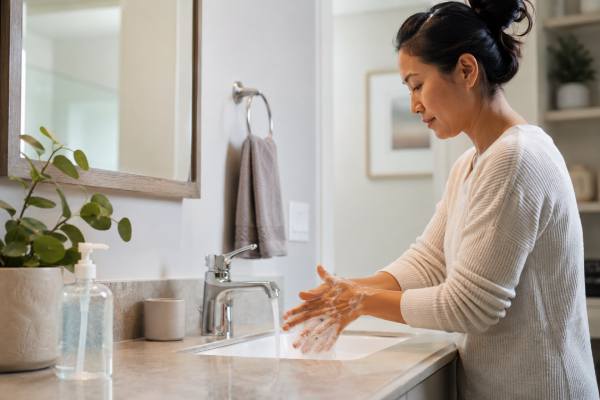
The question sounds simple, but the answer depends on what is on your hands, where you are, and what kind of illness you are trying to prevent. Handwashing and hand sanitizer both reduce the spread of infection, yet they do not work in exactly the same way. Soap and water remove germs, dirt, and some chemicals from the skin. Alcohol-based sanitizer kills many microbes quickly, but it does not clean away everything.
That difference matters in daily life. A parent changing a diaper, a commuter leaving a train, a traveler moving through an airport, and a nurse walking between patients do not all face the same hand hygiene problem. The best method can change with the setting. Understanding those differences helps you make better decisions instead of relying on habit or marketing. This article explains what prevents illness better overall, when soap clearly wins, when sanitizer is the smarter option, and how technique determines whether either one works well.
Essential Insights
- Soap and water are the best choice when hands are visibly dirty, greasy, or exposed to stomach-bug germs and certain chemicals.
- Alcohol-based hand sanitizer is a strong backup when soap and water are not available and often improves real-world consistency because it is fast and easy to use.
- Hand hygiene helps reduce the spread of many infections, but it does not replace ventilation, masks, vaccination, or staying home when sick.
- Hand sanitizer should contain at least 60% alcohol and should not be used as the main option for young children without supervision.
- Wash for at least 20 seconds or rub sanitizer over all hand surfaces until dry, especially after the toilet, before eating, and after contact with a sick person.
Table of Contents
- What Works Better Overall
- Why Soap and Water Still Matter
- When Sanitizer Is the Better Choice
- Technique Decides the Result
- Situations People Often Get Wrong
- Safety, Skin, and Practical Habits
What Works Better Overall
If the question is asked in the broadest possible way, the answer is this: both handwashing and hand sanitizer help prevent illness, but neither wins in every situation. For most people in everyday community settings, soap and water remain the best default when they are easy to access. That is because handwashing removes a wider range of unwanted material from the skin, including dirt, grease, many microbes, and some chemicals. It is the more complete cleaning method.
At the same time, hand sanitizer deserves more respect than it often gets. In real life, especially for respiratory infections, sanitizer can perform very well because people are more likely to use it at the right moment. It is fast, portable, and does not require a sink, clean towel, or time to queue at a restroom. Some comparative research even suggests sanitizer may do better in practice for preventing some respiratory infections, not because it is biologically stronger than soap, but because it is easier to use consistently.
That distinction matters. A prevention tool that is slightly less complete but used ten times a day may outperform a theoretically better option used only once. This is part of the broader idea of immune resilience: the best protective habit is often the one that is realistic enough to become routine.
Still, there is an important limit. Hand hygiene mainly reduces illness spread that happens through contaminated hands and shared surfaces. It does not fully address airborne spread. For viruses that move efficiently through the air, hand hygiene matters, but it is only one part of the picture. That is why truly effective illness-prevention habits include more than clean hands alone.
A practical ranking looks like this:
- Soap and water when hands are visibly dirty, greasy, contaminated with bodily fluids, or after situations known to involve hard-to-kill stomach-bug organisms
- Alcohol-based hand sanitizer when hands are not visibly soiled and soap and water are not readily available
- Neither method used well when people rush, miss key moments, or use the wrong amount
It also helps to separate community settings from healthcare settings. In daily life, public health guidance usually favors handwashing whenever possible, with sanitizer as the backup. In healthcare, alcohol-based hand rub is often the primary option in many routine situations because speed and repeated use matter greatly, though soap and water is still needed in specific cases.
So what prevents illness better? In everyday terms, soap and water are the more complete cleaner, while hand sanitizer is the more convenient and often more reliably used backup. The better option is the one that matches the moment. Once that is clear, the rest of the decision gets much easier.
Why Soap and Water Still Matter
Soap and water do something sanitizer cannot fully replicate: they physically lift and rinse material off the skin. That sounds basic, but it is the reason handwashing still holds the top spot in many situations. Soap helps loosen oils, debris, and microbes from the surface of your hands, and running water carries them away. You are not just killing germs in place. You are removing them.
That makes a real difference after bathroom use, diaper changes, food preparation, gardening, handling raw meat, taking out the trash, or touching anything that leaves a residue on the skin. If your hands are visibly dirty or feel greasy, sanitizer is a poor substitute. It may reduce some microbes, but it does not clean the hand the way washing does.
Soap and water are also more reliable against some of the organisms that make people sick with gastrointestinal illness. Norovirus is the example people hear about most often, especially during outbreaks in households, schools, cruise ships, and care settings. Alcohol-based sanitizer may help somewhat, but soap and water are generally considered the stronger choice in these situations. The same general principle applies when you may be dealing with organisms that are harder for sanitizer to handle well or when contamination levels are high.
Another underappreciated advantage is chemical removal. Sanitizer does not meaningfully remove pesticides, heavy metals, or many other non-microbial contaminants. If you have been handling chemicals, cleaning agents, or substances you would not want near food or your face, washing matters for reasons beyond infection.
There is also a behavioral advantage to handwashing when the context is clear. People tend to associate a sink with a full reset. That can encourage more thorough cleaning after messier activities. A quick pump of sanitizer is easier to do, but it can also create a false sense of completion when the job actually requires washing.
A few myths are worth clearing up here:
- You do not need antibacterial soap for everyday use. Plain soap works well.
- Hot water is not required. Comfortable warm or cool running water is fine.
- More foam does not mean better cleaning. Coverage and rubbing matter more than bubbles.
- A fast rinse is not handwashing. Soap, friction, time, and rinsing all matter.
Soap and water also fit better when protecting other people at home. If someone in the house has vomiting or diarrhea, washing after contact with them, their laundry, or contaminated surfaces is more dependable than relying on sanitizer alone. The same logic applies after helping a child in the bathroom or cleaning up a sick pet or a household spill.
In short, soap and water still matter because they are the broadest, most complete option. When the contamination is visible, messy, chemical, or likely to involve stomach-bug pathogens, handwashing is not old-fashioned. It is simply the right tool.
When Sanitizer Is the Better Choice
There are many everyday moments when the best hand hygiene method is the one you can actually use right away. That is where alcohol-based hand sanitizer earns its place. If your hands are not visibly dirty and soap and water are not nearby, sanitizer is often the smarter choice. Not the perfect choice in theory, but the better choice in real life.
This is especially true in transition moments: leaving a bus, touching airport security bins, entering an office, walking out of a store, sitting down after using a shared elevator button, or moving through a classroom, stadium, or conference space. In those settings, delay matters. People are more likely to touch their eyes, nose, phone, food, or face before they ever reach a sink. Sanitizer works best when it closes that gap.
It may also do well in respiratory infection prevention because it reduces friction. Rubbing sanitizer onto dry hands takes less time than a full wash and is easier to repeat throughout the day. That convenience can improve adherence, and adherence is one of the strongest predictors of whether a hygiene measure actually changes illness risk.
This is why sanitizer belongs in bags, cars, desks, and entryways. It is especially useful for commuting, errands, public events, and travel illness prevention. It is not glamorous, but it reduces the number of times you carry public germs straight to your mouth, snack, or steering wheel.
Sanitizer is also useful because hand hygiene is only one layer of prevention. During respiratory virus season, the bigger risk may be the air, not the doorknob. In those situations, clean hands still help, but they work best alongside masks in high-risk settings and better indoor air. The right lesson is not “sanitizer is enough.” It is “sanitizer helps in the part of transmission it can actually affect.”
To work well, sanitizer has to meet a few conditions:
- It should contain at least 60% alcohol.
- Hands should not be visibly dirty or greasy.
- You need enough product to cover all surfaces of both hands.
- You should rub until completely dry, not wipe it off early.
There is also a setting-specific point that often confuses people. In healthcare environments, alcohol-based hand rub is frequently the preferred method in many routine circumstances because staff need to clean their hands repeatedly and quickly. That does not mean sanitizer is universally superior. It means the workflow, the frequency of use, and the condition of the hands change the equation.
So when is sanitizer the better choice? When you need a fast, accessible, good-enough intervention at the moment risk actually happens. That makes it one of the most practical prevention tools people underuse, even though it should never fully replace proper handwashing when washing is clearly needed.
Technique Decides the Result
A lot of debate about handwashing versus hand sanitizer misses the most important detail: either method can be weakened by poor technique. People often focus on the product and ignore the process. But a rushed wash or a tiny dab of sanitizer can turn a good strategy into a weak one.
For handwashing, the core steps are straightforward. Wet your hands with clean, running water. Apply soap. Rub your hands together long enough to cover the backs of the hands, between the fingers, around the thumbs, and under the nails. Rinse well, then dry thoroughly with a clean towel or air dryer. The rubbing step should last at least 20 seconds. That is longer than many people think, and it matters because friction helps remove material from the skin.
For sanitizer, technique is simpler but still often done badly. Put enough product in one palm to cover all hand surfaces, then rub it over the entire hand until dry. This usually takes around 20 seconds when enough product is used. If your hands feel dry almost immediately, you probably did not use enough. If you wipe it off while it is still wet, you cut short the part that makes it work.
The areas people most often miss are predictable:
- thumbs
- fingertips
- between fingers
- backs of hands
- around rings or under long nails
Drying matters more than many people realize. Germs transfer more easily from wet hands than from dry ones. Washing well and then leaving your hands damp can reduce some of the benefit. The same idea applies to sanitizer: the full contact time matters, so hands should be rubbed until the product has dried naturally.
Timing matters just as much as method. The most protective moments include:
- after using the toilet
- after changing a diaper or helping someone use the bathroom
- before eating
- before preparing food
- after coughing, sneezing, or blowing your nose
- after touching shared public surfaces
- before and after caring for someone who is sick
- after handling garbage, pet waste, or raw meat
Technique also explains why people sometimes overestimate sanitizer and underestimate washing. If someone uses sanitizer frequently and correctly, it can outperform careless handwashing. But if someone applies sanitizer to greasy hands, uses too little, or wipes it off early, the advantage disappears.
The lesson is practical: do not just choose a side in the handwashing versus sanitizer debate. Learn to do both well. Prevention is often decided by small moments done correctly and repeatedly. Clean hands are not about ideology. They are about timing, coverage, and consistency.
Situations People Often Get Wrong
Many hand hygiene mistakes come from using a good tool in the wrong situation. People reach for sanitizer when they need soap, or they skip sanitizer because they assume only a sink counts. Knowing the common mismatches can prevent a lot of unnecessary illness spread.
One common mistake is treating all infections the same. For many everyday respiratory viruses, both handwashing and sanitizer can help reduce spread by limiting contamination on hands. But if someone in the home has vomiting or diarrhea, the balance shifts. Soap and water become more important because stomach-bug transmission often involves contamination that sanitizer handles less reliably. This is especially relevant after cleaning the bathroom, changing bedding, or helping a sick child.
Another mistake is assuming that clean hands solve all respiratory risk. They do not. If you are in a crowded indoor space during virus season, clean hands help, but air quality may matter more. That is why prevention decisions should also include cleaner indoor air and realistic attention to exposure time. People sometimes over-focus on surface cleaning and under-focus on the room they are breathing in.
Food moments are another common blind spot. Before preparing meals, feeding a child, packing lunch, or eating with your hands, washing is often the better choice when possible. Sanitizer can be helpful in a pinch, but soap and water are more reassuring when oils, food residues, and cross-contamination are part of the equation.
Parents also run into practical confusion. In schools, playgrounds, cars, and waiting rooms, sanitizer can be extremely useful because it lowers the chance that a child will go from touching shared surfaces to rubbing their eyes or eating a snack. But at home, after bathroom use, after wiping a nose repeatedly, or after diaper changes, washing should remain the routine. Families looking for broader prevention basics often benefit more from simple, realistic habits than from supplement stacks or ritualized cleaning. That is one reason daily immune support for kids usually comes back to sleep, food, vaccines, and hygiene basics.
People also misread travel settings. At airports and stations, sanitizer is excellent because it is immediate and portable. On planes, trains, and shared rides, it helps before snacks and after high-touch surfaces. But once you reach a restroom or hotel room, washing still deserves priority at key moments.
A final mistake is forgetting the sequence of care when someone is sick at home. If you help with tissues, medicine, laundry, or bathroom cleanup, the key issue is not just “Did I clean my hands?” but “Did I use the right method after the right task?” Hand hygiene is most protective when it is specific, not symbolic.
The best rule is simple: match the method to the mess, the setting, and the illness type. When that becomes automatic, both handwashing and sanitizer become more effective.
Safety, Skin, and Practical Habits
Good hand hygiene should protect your health without creating new problems. That means choosing products that work, using them safely, and keeping your skin intact enough to tolerate regular use. Irritated, cracked hands are not just uncomfortable. They also make hygiene habits harder to maintain.
With handwashing, the most useful safety point is that plain soap is usually enough. Antibacterial soap is not necessary for routine household handwashing. Use whichever plain soap you are willing to keep stocked and use consistently. If frequent washing dries your skin, a fragrance-free moisturizer used after washing or at bedtime can make a meaningful difference. The goal is to reduce irritation before it becomes a reason to skip washing.
With sanitizer, concentration matters. A product should contain at least 60% alcohol to be considered reliable for common community use. Products marketed as “natural,” alcohol-free, or mainly cosmetic may feel pleasant but can perform less predictably. Drying of the skin can still happen, but many people find alcohol-based sanitizer less irritating than repeated soap-and-water washing during a busy day.
A few safety issues deserve attention:
- Store sanitizer out of reach of small children.
- Supervise young children so they do not swallow it.
- Do not use disinfecting wipes or surface cleaners on skin.
- Do not assume baby wipes clean hands well enough for infection prevention.
- Avoid homemade sanitizer recipes.
There is also a practical misunderstanding around over-cleaning. More is not always better. Constantly sanitizing hands that have not touched anything meaningful can slide from prevention into stress-driven ritual. If you are trying to reduce illness risk, it helps to focus on high-value moments instead of turning hygiene into background anxiety.
A sustainable routine usually looks like this:
- Wash with soap and water after the bathroom, before meals, after messy tasks, and whenever hands are visibly dirty.
- Carry sanitizer for transitions, errands, travel, and shared public environments.
- Moisturize often enough that your skin stays comfortable.
- Keep expectations realistic: clean hands are powerful, but they are only one part of prevention.
That last point matters. People sometimes reach for sanitizer while ignoring the prevention layers that matter more for airborne illness. In many indoor settings, the bigger question is not just what is on your hands but what is in the air. That is why the real comparison is not handwashing versus every other tool. It is hand hygiene as one piece of a broader prevention strategy, including sensible sick-day behavior, fresh air, and knowing when ventilation matters more than extra surface cleaning.
The healthiest routine is the one that is effective, tolerable, and repeatable. Soap and sanitizer both belong in that routine. Used thoughtfully, they do not compete so much as complement each other.
References
- Handwashing Facts | Clean Hands | CDC 2024 (Official Guidance)
- Hand Sanitizer Guidelines and Recommendations | Clean Hands | CDC 2024 (Official Guidance)
- Guidelines on hand hygiene in community settings 2025 (Guideline)
- Soap versus sanitiser for preventing the transmission of acute respiratory infections in the community: a systematic review with meta-analysis and dose–response analysis 2021 (Systematic Review)
- Efficacy and effectiveness of hand hygiene-related practices used in community settings for removal of organisms from hands: a systematic review 2025 (Systematic Review)
Disclaimer
This article is for educational purposes only and is not medical advice. Hand hygiene reduces infection risk, but it does not diagnose, treat, or replace care for illness. If you have severe vomiting, dehydration, high fever, bloody diarrhea, worsening respiratory symptoms, skin reactions to hygiene products, or concerns about infection risk in an immunocompromised person, seek guidance from a qualified clinician. Product choice, skin tolerance, childcare use, and outbreak settings can all change what is safest and most appropriate.
If this article was helpful, consider sharing it on Facebook, X, or another platform you use so more people can make practical, evidence-based decisions about handwashing and hand sanitizer.