Every cold and flu season brings the same instinct: wipe everything down, spray the counters, and hope a cleaner room means a lower chance of getting sick. That impulse is understandable, but it no longer answers the most important question. For most respiratory viruses that dominate colder months, shared indoor air usually matters more than spotless surfaces.
That does not make disinfecting useless. It makes it more selective. Cleaning hands, high-touch objects, and visibly dirty surfaces still has value, especially when someone in the home is sick. But if the goal is to reduce the spread of flu, COVID, RSV, and many ordinary colds, the bigger lever is often ventilation and air cleaning: bringing in outdoor air, filtering indoor air, and reducing the buildup of virus-containing particles in shared spaces.
The most helpful approach is not choosing one and ignoring the other. It is knowing which tool deserves top priority, when the balance shifts, and how to build a routine that actually matches how respiratory viruses spread.
Top Highlights
- During cold and flu season, ventilation usually does more than routine disinfecting to reduce the spread of respiratory viruses indoors.
- Cleaning and targeted disinfecting still matter for hands, high-touch surfaces, and homes where someone is sick.
- Overdoing chemical disinfection can irritate airways and worsen indoor air quality without adding much extra protection.
- If you can only improve one thing in a shared indoor space, cleaner air is often the better first move.
- A practical plan is to ventilate daily, clean high-touch surfaces regularly, and disinfect more selectively when illness is present.
Table of Contents
- Which One Matters More
- Why Air Usually Drives Spread
- When Disinfecting Still Earns Its Place
- How to Improve Ventilation
- How to Clean Without Overdoing It
- The Best Cold-Season Plan
Which One Matters More
If the question is what matters more for reducing the spread of common respiratory viruses indoors, ventilation usually comes first. That is the clearest answer for most homes, offices, classrooms, and gathering spaces during cold and flu season. The reason is simple: many respiratory viruses spread efficiently through particles people breathe out, especially in indoor spaces with poor airflow. When those particles build up, people nearby can inhale them. A freshly disinfected table does not solve that problem.
This is the biggest shift in public understanding over the past several years. For a long time, prevention messages focused heavily on wiping surfaces. That was not wrong, but it was incomplete. Surface cleaning still helps, especially for shared objects and hands-to-face transfer. But for flu, COVID, RSV, and many seasonal respiratory infections, shared air is often the more important pathway in ordinary indoor settings.
That means opening windows, running exhaust fans, improving HVAC performance, using portable HEPA cleaners, and avoiding stagnant crowded rooms often does more to reduce risk than constant spraying and wiping. In practical terms, improving indoor air lowers the concentration of virus-containing particles before they reach another person. Surface disinfection only works after particles have already landed somewhere and someone touches that spot.
This is why the best question is not “Should I disinfect or ventilate?” but “Which one solves the bigger problem in this room?” In a crowded family room with closed windows and someone coughing, the bigger problem is air. In a bathroom shared with a sick child who touches the faucet, toilet flush, and light switch with unwashed hands, surfaces matter more too. But even there, the air still matters.
Another way to think about it is by scale. Ventilation protects everyone sharing the room, including people who never touch the same objects. Disinfecting protects against a narrower route of exposure. That makes ventilation the broader intervention. It reaches the whole space instead of a list of objects.
None of this means disinfecting is obsolete. It means it is more targeted than people assume. If someone is sick in your home, cleaning and selective disinfecting high-touch surfaces still make sense. But in most routine day-to-day prevention, cleaner air is usually the higher-yield first step. That is why understanding cleaner indoor air and virus spread changes the answer so much. It also explains why devices marketed for air cleaning, including HEPA air purifiers, often deserve more attention than another bottle of disinfectant wipes.
Why Air Usually Drives Spread
Respiratory viruses do not only spread when someone sneezes directly onto a surface. They spread when infected people breathe, talk, cough, laugh, sing, and spend time in enclosed air with others. The smaller particles in those emissions can stay suspended, especially indoors. That changes the whole prevention equation.
Outdoors, those particles dilute quickly. Indoors, they can build up over time, particularly in crowded rooms, small spaces, poorly ventilated buildings, and places where people stay for long periods. That is why a room can feel “clean” and still be high risk. You can have spotless counters, polished desks, and disinfected door handles while the air remains the more important exposure route.
This matters especially during cold and flu season because people spend more time indoors with windows shut, heating systems recirculating air, and social gatherings moving into enclosed spaces. The same seasonal habits that keep people warm can also make viral particles linger. That is one reason risk is often higher in winter not just because viruses exist, but because indoor conditions favor accumulation and close-range exposure.
The air-first view also makes sense when you look at common real-world patterns. Illness spreads in break rooms, classrooms, family dinners, carpools, choir rehearsals, and long indoor conversations. In those settings, many people get exposed without touching the same exact objects. That pattern is easier to explain through shared air than through surface contact alone.
Surface spread can still happen. People do touch contaminated objects and then touch their eyes, nose, or mouth. But once you accept that air often carries a larger share of the problem, the prevention priorities change. The goal becomes lowering the amount of virus in the air before it reaches the next person. That makes ventilation, filtration, and crowd-aware behavior more central.
This is also why “cleanliness” can sometimes give a false sense of security. People may feel safer because a room smells disinfected, even if the windows are shut and the air is stale. Scent is not a sign of safer air. In some cases, it is a sign that you have added more chemicals without changing the main transmission risk.
Humidity also shapes how air feels and how the airways respond. Very dry indoor air can irritate the nose and throat and make respiratory surfaces less comfortable, even though humidity alone is not a substitute for airflow. That is where indoor humidity matters as a supporting factor, not the main defense. If the nasal passages and throat are already dry and irritated, mucosal defense and moisture become part of the bigger picture too. But the central lesson remains the same: in shared indoor spaces, air usually drives more of the risk than the objects in the room.
When Disinfecting Still Earns Its Place
Disinfecting still has a role. It just works best when it is aimed at the situations where surface transmission is more plausible or where the consequences of contamination are higher. The most practical example is a home with someone actively sick. If a person with a respiratory illness is frequently touching doorknobs, remotes, bathroom fixtures, phones, faucet handles, and shared tables, those surfaces deserve more attention than they would during an ordinary week.
The key distinction is between cleaning and disinfecting. Cleaning with soap, detergent, and water removes dirt, oils, and many germs from surfaces. In many homes, regular cleaning is enough most of the time. Disinfecting goes a step further by using chemicals that kill or inactivate more of the remaining germs after cleaning. That stronger step is most useful when someone in the household is sick, when a person at high risk of severe illness is present, or when there is a clear contamination concern.
This means targeted disinfecting usually makes more sense than routine whole-house spraying. Focus on:
- Bathroom fixtures used by a sick person
- Kitchen and dining surfaces touched before handwashing
- Light switches, door handles, and remote controls
- Shared electronics and tablets
- Toys and high-touch items in homes with small children
- Surfaces contaminated with mucus, saliva, or other bodily fluids
It also helps to separate respiratory season habits from “clean everything every day” habits. Daily deep disinfection of every surface is usually unnecessary in homes without illness. In fact, routine cleaning is often enough. If no one is sick, the value of constant disinfection drops quickly.
Hand hygiene sits in the middle of this discussion because it connects air and surfaces. If respiratory particles land on a surface and someone transfers them to their face, clean hands interrupt that route. That is why surfaces are still worth paying attention to, especially high-touch ones. But hand hygiene usually does more than obsessively disinfecting every object. For many households, understanding handwashing and sanitizer is more useful than buying stronger chemicals.
One more point matters: disinfecting is not harmless just because it is familiar. Strong cleaning products can irritate the eyes and airways, and overuse can add volatile chemicals and particles to indoor air. So the goal is not maximum chemical use. It is smart use. Clean regularly, disinfect when the situation calls for it, and do not confuse a stronger-smelling room with a safer one. In cold and flu season, disinfecting earns its place best when it is targeted, timed, and paired with the higher-value work of improving air.
How to Improve Ventilation
Ventilation sounds technical, but the most useful steps are often straightforward. The goal is to replace stale indoor air with cleaner air and reduce the buildup of virus-containing particles. That can happen through natural ventilation, mechanical systems, or air cleaners. You do not need a perfect building to improve the situation meaningfully.
At home, the easiest first move is to bring in outdoor air when conditions allow. Open windows on opposite sides of a room or home to create cross-ventilation. Even a short period of fresh-air exchange can help, especially when guests are over or someone in the household has respiratory symptoms. Use bathroom exhaust fans and kitchen exhaust fans when appropriate, and keep central HVAC fans running during higher-risk periods so air moves more consistently through filters.
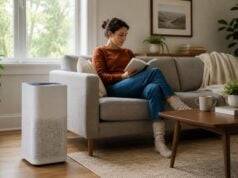
If opening windows is not practical because of cold weather, safety, noise, allergies, or outdoor pollution, air filtration becomes more important. A portable HEPA air cleaner can make a meaningful difference in a bedroom, home office, classroom corner, or shared family room. It is not a substitute for all ventilation, but it is often the next best step when outdoor air is limited. This is especially useful in apartments and tightly sealed homes.
For organizations, the goal is broader. Existing HVAC systems should be delivering adequate outdoor air, and air filtration should be as strong as the system can safely support. Portable air cleaners can help in rooms that are crowded, hard to ventilate, or frequently used for meetings. A practical target sometimes used in cleaner-air guidance is to aim for 5 or more clean-air changes per hour through some combination of outdoor air, filtration, and supplemental air cleaning.
The most useful real-world steps include:
- Open windows or doors when practical and safe.
- Use exhaust fans to move air out.
- Set central HVAC fans to run more continuously during visits or gatherings.
- Upgrade filters if your system can handle them.
- Add portable HEPA units to rooms where people spend the most time.
- Move gatherings outdoors when that is an option.
Ventilation also needs context. If wildfire smoke, heavy outdoor pollution, or high pollen counts are severe, opening windows may be the wrong move. In those situations, filtration and sealed-space air cleaning may be safer than bringing outdoor air inside. That is one reason wildfire smoke and respiratory protection can change the plan. And if you are comparing products or wondering whether a portable device is enough, it helps to understand what HEPA air purifiers can and cannot do. The core idea is simple: cleaner air reduces shared exposure. You do not have to make the room perfect. You just have to make the air better than it was.
How to Clean Without Overdoing It
Once you accept that ventilation usually matters more, the next question is how to clean intelligently without wasting effort or irritating the air. The best answer is to clean first, disinfect only when there is a clear reason, and avoid turning the room into a cloud of chemicals.
Regular cleaning removes grime and a large share of germs from surfaces. That alone is useful. Soap or detergent, water, and friction do a lot more than many people assume. In many homes, that is the right everyday baseline. Kitchens, bathrooms, tables, counters, phones, toys, and frequently touched objects should be cleaned routinely, especially during times when respiratory viruses are circulating widely.
Disinfection becomes more useful when someone is sick, when an object is shared repeatedly, or when a person at higher risk is present. But even then, restraint matters. Wiping every grocery bag, spraying the air itself, or fogging rooms is rarely the best use of time. Those habits can expose people to unnecessary chemical irritation without changing the main route of respiratory spread.
A smarter routine looks like this:
- Clean high-touch surfaces regularly with soap, detergent, or a routine cleaner
- Disinfect selected surfaces after cleaning when someone in the home is ill
- Wash hands after handling tissues, laundry, dishes, or shared objects used by a sick person
- Follow label directions for contact time if you do use a disinfectant
- Increase airflow during and after cleaning so fumes do not linger
This last point matters more than people realize. Cleaning products can worsen indoor air quality, especially if they contain strong fragrances, volatile chemicals, or bleach-based ingredients used in poorly ventilated rooms. Over time, heavy exposure to cleaning chemicals has been linked with airway irritation and respiratory symptoms in both workers and household users. That does not mean you should stop cleaning. It means you should clean with more purpose and less chemical excess.
A common mistake is replacing targeted hygiene with theatrical hygiene. If a room smells sharply disinfected but the windows are closed, the air may feel “sanitary” while actually being more irritating. People with asthma, allergies, and respiratory sensitivity often notice this first, but it matters for everyone. Cleaner does not have to mean harsher.
So the better rule for cold and flu season is not “disinfect everything.” It is “clean what gets touched, disinfect what really needs it, and protect the air while you do it.” That balance usually saves time, lowers exposure to cleaning chemicals, and lines up much better with how respiratory viruses actually spread.
The Best Cold-Season Plan
The strongest cold-season strategy is layered, but the layers are not equal. If you want the short version, start with cleaner air, then support it with hand hygiene, targeted surface cleaning, and practical sick-day habits. In most homes and shared indoor spaces, that order makes more sense than starting with aggressive disinfection.
A useful plan begins before anyone is sick. Improve airflow in the rooms people actually use. Make sure your HVAC filters are current. Decide where a portable air cleaner would help most. Keep tissues, soap, and hand sanitizer easy to reach. If someone in the household gets sick, shift from general prevention to targeted action: more airflow, more hand hygiene, more attention to high-touch surfaces, and more physical distance when possible.
For everyday cold and flu season prevention, the best routine usually includes:
- Ventilating or filtering shared indoor air
- Washing hands at key moments
- Cleaning high-touch surfaces regularly
- Disinfecting more selectively when illness is present
- Staying home when sick or reducing close indoor contact
- Using masks when the setting or risk level calls for them
This is where many people do too much of the wrong thing and too little of the right thing. They wipe down surfaces constantly but sit in stagnant indoor air for hours. Or they open one window once and assume the air problem is solved. Prevention works better when the actions match the route of spread. If the main risk is inhaling virus-containing particles in an enclosed room, the main defense should address the room, not just the countertop.
Different settings shift the balance slightly. In offices and classrooms, air quality improvements and staying home when sick often matter more than obsessive desk disinfecting. In homes with kids, shared toys and bathroom surfaces deserve more regular cleaning because hands-to-face transfer is common. In crowded family gatherings, cleaner air and fewer hours indoors can reduce risk more than intensive pre-party wiping.
This layered approach also works better than trying to find one perfect tool. Ventilation lowers shared exposure. Cleaning reduces mess and removes germs from objects. Hand hygiene stops transfer. Masks can help when exposure is likely or consequences would be high. That is why when masks help most still belongs in the conversation, and why the broader habits in how to avoid getting sick often outperform any single intervention.
So what matters more during cold and flu season? In most respiratory-virus situations, ventilating wins. Disinfecting still matters, but mostly as a supporting actor, not the lead.
References
- Taking Steps for Cleaner Air for Respiratory Virus Prevention | Respiratory Illnesses | CDC 2025.
- Hygiene and Respiratory Viruses Prevention | Respiratory Illnesses | CDC 2025.
- When and How to Clean and Disinfect Your Home | Water, Sanitation, and Environmentally Related Hygiene (WASH) | CDC 2025.
- Airborne transmission of respiratory viruses 2021 (Review).
- Cleaning products: Their chemistry, effects on indoor air quality, and implications for human health 2024 (Review).
Disclaimer
This article is for educational purposes only and is not medical advice. The best prevention plan depends on the setting, the people involved, and the viruses circulating in your community. Ventilation and targeted cleaning can lower risk, but they do not replace vaccination, staying home when sick, medical care, or workplace and school policies. If someone in your household is medically vulnerable, immunocompromised, or significantly ill, a clinician can help you decide which precautions matter most.
If this article helped clarify what deserves priority during cold and flu season, please share it on Facebook, X, or another platform where it may help someone protect their home or workplace more effectively.