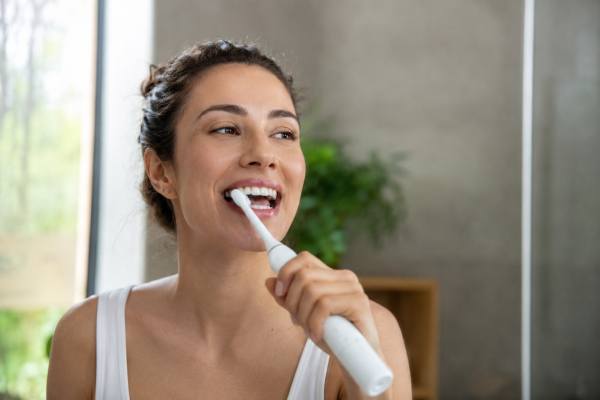
The mouth is not just the start of digestion. It is one of the body’s busiest immune surfaces, exposed all day to food, air, microbes, and constant mechanical stress. Inside it lives a large, highly organized oral microbiome made up of bacteria, fungi, and viruses that normally exist in balance with saliva, mucosal tissues, and the immune system. When that balance holds, the mouth helps block pathogens, limit inflammation, and support the upper airway’s first line of defense. When it breaks down, gums inflame, plaque thickens, saliva becomes less protective, and the mouth can become a less reliable barrier.
That does not mean gum disease directly causes every cold or sore throat. The evidence is more nuanced than that. But oral inflammation, dry mouth, poor hygiene, and microbial imbalance can all shape how well the mouth and throat handle everyday exposures. This article explains how the oral microbiome supports immunity, how gum health fits in, where the evidence is strongest, and what practical habits matter most.
Core Points
- A healthy oral microbiome helps control inflammation, supports saliva-based defenses, and makes it harder for harmful microbes to dominate.
- Gum inflammation can increase local immune stress and may make the mouth a less effective barrier against respiratory pathogens.
- The strongest evidence links poor oral health to broader respiratory risk and symptom burden, not to a simple one-to-one cause of ordinary colds.
- Dry mouth, smoking, mouth breathing, and inconsistent oral hygiene can all weaken oral immune defenses.
- A practical starting point is brushing twice daily, cleaning between teeth consistently, and addressing bleeding gums rather than treating them as normal.
Table of Contents
- What the Oral Microbiome Actually Does
- Why Gum Health Matters for Immunity
- How It Relates to Colds and Sore Throats
- What Disrupts the Oral Ecosystem
- How to Support a Healthier Mouth
- When to Take Symptoms Seriously
What the Oral Microbiome Actually Does
The oral microbiome is the community of microorganisms living across the tongue, teeth, gums, cheeks, palate, saliva, and throat-facing surfaces of the mouth. It is not one uniform layer. Different sites support different microbial communities because oxygen, moisture, pH, and surface texture vary from one area to another. The smooth inside of the cheek is not the same as the groove around a molar or the pocket near an inflamed gumline.
In a healthy mouth, this ecosystem does not act like an invading army. It acts more like an organized neighborhood. Common resident microbes help occupy space, use available nutrients, and reduce the chance that more harmful organisms will take over. Saliva supports this balance by washing away debris, buffering acids, delivering antimicrobial proteins, and carrying secretory IgA and other immune factors that help prevent microbes from sticking too aggressively to oral surfaces. The mouth is therefore part of the body’s broader mucosal immune system, not just a place where germs happen to live.
This balance is also physical. The oral lining sheds cells constantly, which helps remove attached organisms. Saliva keeps tissues moist, which protects the mucosa from friction and irritation. Teeth, meanwhile, present a special challenge because they are hard surfaces that do not shed. That is why plaque forms there so easily. Once a biofilm thickens on teeth or below the gumline, the balance of the microbial community can shift toward more inflammation-friendly organisms.
The immune system in the mouth has to do something unusually difficult: it must tolerate constant exposure to food, drink, harmless microbes, and small daily abrasions while still reacting quickly to true threats. That is why oral immunity is less about annihilating everything and more about controlled coexistence. If the system reacted too strongly to normal exposures, eating and speaking would create chronic irritation. If it reacted too weakly, the mouth would become an easy entry point for pathogens.
This is also why saliva matters so much. It is not just moisture. It is an active immune fluid. It helps rinse organisms away, supports pH balance, and carries proteins and peptides that help manage microbial growth. When saliva falls off, either from dehydration, medications, mouth breathing, illness, or age, the immune environment changes quickly. That connection is part of why saliva and immune health deserve more attention than they usually get.
So the oral microbiome is not simply “good bacteria” or “bad bacteria.” It is a living system shaped by saliva, gums, teeth, hygiene, diet, and immune signaling. When it stays diverse and controlled, it supports oral comfort and barrier defense. When it shifts toward dysbiosis, the mouth becomes easier to inflame and harder to protect.
Why Gum Health Matters for Immunity
Gum health matters because the gums are not passive tissue around the teeth. They form a living seal between the body and a plaque-rich external environment. When that seal is healthy, it helps keep microbes in their place. When it becomes inflamed, swollen, or damaged, the immune system has to work harder in a space that is already densely populated with bacteria.
The mildest and most common stage of gum trouble is gingivitis. At this point, gums may look redder, bleed when brushing or flossing, and feel puffy or tender. This is often dismissed as a minor hygiene issue, but immunologically it signals that plaque biofilm and the host response are already out of balance. The immune system is reacting to persistent microbial stimulation at the gum margin, and that inflammation can alter the local environment enough to favor more harmful organisms.
If the process continues, periodontitis can develop. This is not just “bad gums.” It involves deeper tissue damage, changes in the pocket around the tooth, and progressive disruption of the structures that support teeth. Those deeper pockets are important because they create low-oxygen environments where more pathogenic bacteria can thrive. Once that happens, the mouth can become a more active source of inflammatory signals and microbial spillover.
This matters for immunity in two ways. First, local inflammation can reduce barrier efficiency. Tissues bleed more easily, the microbiome shifts, and the protective balance between host and microbes becomes less stable. Second, gum inflammation does not stay neatly local. Periodontal tissues are richly supplied with immune cells and inflammatory mediators, and chronic activation in this area can contribute to a higher inflammatory burden overall. That does not mean every person with gum disease has a systemic illness, but it does mean the mouth is not isolated from the rest of the immune system. This overlaps with the broader idea of barrier health and with how low-grade oral inflammation can feed into wider chronic inflammation patterns.
Gum health also changes how comfortable and resilient the mouth feels day to day. Inflamed tissues can make a person less likely to brush thoroughly, more sensitive to temperature and texture, and more vulnerable to bleeding and irritation. That can create a cycle in which plaque removal gets less effective precisely when it matters most.
It is important, though, not to exaggerate. Bleeding gums do not automatically mean someone will get more colds. The relationship is not that simple. But inflamed gums are a sign that the oral immune environment is under strain. When the mouth is chronically inflamed, less stable, and more plaque-heavy, it is a less efficient front-line surface than a healthy one. That is why gum bleeding should be treated as useful information rather than a harmless nuisance.
How It Relates to Colds and Sore Throats
This is the part where the evidence needs to be handled carefully. The oral microbiome and gum health do appear to influence respiratory vulnerability, but the strongest evidence does not say that gingivitis directly causes ordinary colds in a simple, predictable way. The relationship is more layered.
The most convincing evidence links poor oral health with broader respiratory risk, especially in more vulnerable settings such as older adults, hospitalized patients, or people with heavy plaque, impaired swallowing, dentures, or chronic illness. In those settings, the mouth can act as a reservoir for organisms that are more easily aspirated or that alter how respiratory pathogens attach to mucosal surfaces. That is especially relevant to pneumonia and lower respiratory complications.
For ordinary upper respiratory infections such as colds and some sore throats, the link is more modest and less direct. The mouth does not usually “cause” a rhinovirus infection the way a contagious exposure does. But it may affect how well the upper airway handles microbial traffic. A mouth with inflamed gums, heavy plaque, poor saliva flow, and greater microbial imbalance may provide less effective local defense than a mouth that is cleaner, better lubricated, and less inflamed. That can matter because the oral cavity and throat are part of the same mucosal corridor.
A few mechanisms are plausible and supported by varying degrees of evidence:
- dental plaque can harbor organisms and inflammatory enzymes that alter the oral and throat environment
- poor oral hygiene may increase pathogen load available for aspiration or spread within the upper airway
- low saliva or damaged salivary defenses may reduce natural clearance and antimicrobial activity
- chronic gum inflammation may make mucosal surfaces more permissive to pathogen adherence
- oral discomfort, swelling, or dryness can worsen the subjective experience of sore throats even when the original infection is viral
This is why oral hygiene sometimes shows up as a supporting prevention habit in respiratory-health discussions, even though it sits well below measures like hand hygiene, staying home when ill, and clean indoor air. A recent trial suggesting that extending oral hygiene across the whole mouth reduced upper respiratory symptom days is interesting, but it should be interpreted as supportive, not definitive. It does not prove that mouthwash or spray prevents colds across the board. It suggests the oral environment may influence symptom burden more than many people assume. That nuance also matters when people think about products marketed as antiviral mouthwashes. The role of oral care is supportive, not magical.
Sore throats deserve separate nuance. Many sore throats are viral and start higher in the airway than the gums. But oral dryness, plaque buildup, mouth breathing, gum inflammation, and tonsillar debris can all make the throat environment more irritated or easier to inflame. So while gum disease does not explain every sore throat, a neglected mouth can still contribute to the overall pattern of throat discomfort and repeated upper-airway irritation.
The fairest conclusion is this: good gum health probably helps create a less hospitable environment for respiratory trouble, but it should be seen as one supporting layer rather than a main shield against colds.
What Disrupts the Oral Ecosystem
The oral microbiome is resilient, but it is not indestructible. Daily habits and exposures can push it toward balance or toward dysbiosis. One of the biggest disruptors is inconsistent plaque removal. When brushing is rushed and cleaning between teeth is skipped, plaque has time to mature into a thicker, more inflammatory biofilm. That favors organisms associated with gingival irritation and periodontal disease rather than a calmer microbial mix.
Dryness is another major problem. Saliva is central to oral immune defense, so anything that reduces it can weaken the system quickly. Common triggers include dehydration, certain medications, smoking, cannabis use, alcohol-heavy routines, sleep-disordered breathing, and simply breathing through the mouth too often. That is one reason mouth breathing can have immune consequences that go beyond snoring or bad breath.
Smoking and vaping add another layer of disruption. They alter local tissues, shift the microbiome, impair healing, and change inflammatory signaling. Smokers sometimes bleed less obviously despite having more gum damage, which can make disease easier to miss. That is why the benefits described in what improves after quitting smoking apply to oral barrier health too, not just the lungs.
Diet matters as well, though not in a simplistic “sugar causes bad bacteria overnight” way. Frequent sugary snacking, acidic drinks, and a low-fiber, highly processed diet can shift oral conditions toward more acid stress and poorer microbial balance. By contrast, a more whole-food pattern tends to reduce constant sugar exposure, supports chewing, and usually goes along with better overall oral habits.
Antibiotics can disrupt the oral ecosystem too. They may be necessary, but they can alter microbial balance and sometimes set the stage for thrush or other changes in oral comfort. That is one reason recovery after antibiotics is not just a gut issue. The broader theme of antibiotics and immune disruption can include oral consequences as well.
Other common disruptors include:
- untreated cavities or broken teeth that trap plaque
- poorly fitting dental appliances
- chronic stress and poor sleep, which can affect saliva and oral care habits
- frequent antiseptic overuse without a clear reason
- low fluid intake
- neglected professional cleanings in people prone to tartar buildup
Even the air you live in can matter. Dry indoor air, pollutants, and smoke can increase irritation and encourage mouth and airway dryness, which partly explains why mucosal dryness often shows up alongside oral and throat discomfort.
The unifying pattern is straightforward: anything that increases plaque, lowers saliva, irritates tissues, or promotes chronic inflammation can shift the oral microbiome in the wrong direction. Those changes may begin quietly, but over time they can affect gum stability, comfort, breath, susceptibility to irritation, and the quality of the mouth’s immune barrier.
How to Support a Healthier Mouth
The good news is that many of the best ways to support the oral microbiome are familiar, affordable, and repeatable. The key is to think beyond “fresh breath” and treat oral care as barrier maintenance.
Brushing twice daily is the foundation, but technique matters more than force. The goal is to disturb plaque at the gumline and tooth surfaces without scrubbing so hard that the tissues get irritated. A fluoride toothpaste is still a solid default because cavity prevention protects the ecosystem too. Cleaning between teeth is just as important, since the spaces where teeth touch are prime plaque-retention zones and are easy to miss with brushing alone.
A practical routine looks like this:
- brush thoroughly twice a day
- clean between teeth once daily with floss or interdental brushes
- clean the tongue gently if coating is heavy or breath is persistently off
- replace brushes or heads when worn
- address bleeding gums early rather than brushing less
Saliva support is the next pillar. Mouth tissues do better when they stay moist, and a dry mouth is often a less protected mouth. That makes hydration relevant, especially for people who speak a lot, exercise hard, take drying medications, or wake with a dry mouth. The same logic appears in the broader case for hydration and immunity.
Food choices matter too, but the most useful principle is pattern over gimmicks. A diet with enough protein, plant foods, and chewing-friendly textures tends to support both the mouth and the rest of the immune system better than one built on constant sugary snacks and soft ultra-processed foods. That does not mean any single “oral microbiome food” transforms gum health. It means the mouth usually benefits from the same steady pattern that supports broader resilience, including the foods emphasized in a practical immune-support grocery list.
Professional dental care matters as well. Plaque that hardens into tartar cannot be fully removed with a toothbrush, and deeper gum issues can be easy to underestimate at home. Regular cleanings and prompt attention to gum bleeding, recession, persistent bad breath, or loose teeth are not cosmetic extras. They are part of managing the microbial environment and local immune burden.
What about mouthwash? It can be helpful in selected situations, but stronger is not always better. Overusing harsh antiseptics without a clear reason can irritate tissues or encourage an overly simplistic “kill all microbes” mentality. The goal is not sterility. It is stability.
The best oral microbiome plan is usually simple: remove plaque regularly, protect saliva, limit chronic irritants, and treat gum inflammation early. That combination does more for immune support than any trendy rinse or probiotic can do on its own.
When to Take Symptoms Seriously
Not every sore throat or episode of gum bleeding is a warning sign of something serious. But some patterns deserve a closer look, especially when oral symptoms keep returning or seem tied to infection-prone periods.
Bleeding gums that persist for more than a week or two with careful brushing are worth addressing. Many people respond by brushing less, which usually makes plaque worse. Persistent bleeding, gum recession, tenderness, swelling, or chronic bad breath often signal gingivitis or periodontitis rather than random sensitivity. If left alone, these conditions can deepen and become harder to reverse.
Recurrent sore throats deserve context. A viral sore throat after a known exposure is common. A throat that feels irritated all the time, flares with dry mouth, or comes with post-nasal drip, gum inflammation, tonsil debris, or bad breath suggests a more local, ongoing issue. In some people, what seems like “always getting a throat thing” is partly an oral or airway-environment problem rather than repeated true infections.
There are also symptoms that suggest the issue is wider than routine gum irritation:
- mouth ulcers that recur often or take a long time to heal
- white patches that scrape off or burn
- gum swelling with facial pain or fever
- loose teeth or pus at the gumline
- repeated sinus symptoms with dental or gum discomfort
- painful swallowing that keeps getting worse
- swollen lymph nodes with persistent oral symptoms
In those cases, evaluation becomes more important because the differential broadens. The issue could still be oral dysbiosis or periodontal disease, but it could also involve thrush, dental abscess, tonsillar disease, chronic sinus issues, medication side effects, nutritional problems, or a broader immune or inflammatory condition. That is where related patterns such as recurrent sinus infections or tonsil stones and recurring sore throats may help explain the full picture.
Take symptoms more urgently if fever, rapidly increasing swelling, jaw pain, difficulty opening the mouth, trouble swallowing liquids, or spreading facial redness are present. Those can signal a dental or deep oral infection that needs prompt care rather than home management.
It is also worth paying attention when oral problems travel with broader issues like fatigue, unexplained weight loss, repeated respiratory infections, or other signs of immune stress. The mouth can sometimes be one of the first places a wider imbalance becomes visible.
The most useful mindset is not to panic over every sore throat, but not to normalize chronic oral irritation either. Healthy gums and a stable oral microbiome do not guarantee fewer colds, but a persistently inflamed mouth is still a signal worth respecting. Treating that signal early is usually easier than waiting for it to become a more entrenched problem.
References
- Natural and induced immune responses in oral cavity and saliva 2025 (Review)
- Oral microbiome in human health and diseases 2024 (Review)
- Advances in the relationship between periodontopathogens and respiratory diseases (Review) 2024 (Review)
- The interrelationship between periodontal disease and systemic health 2025 (Review)
- Extending regular oral hygiene reduces the incidence of upper respiratory symptoms 2025 (RCT)
Disclaimer
This article is for educational purposes only and is not medical advice, diagnosis, or treatment. Oral microbiome changes and gum inflammation can affect comfort and immune defenses in the mouth, but recurrent sore throats, severe gum bleeding, mouth swelling, fever, trouble swallowing, or persistent oral pain should be evaluated by a dentist or medical clinician. Do not rely on home care alone if symptoms are worsening, recurring frequently, or accompanied by facial swelling, loose teeth, or signs of infection.
If you found this article useful, please consider sharing it on Facebook, X, or another platform you use so more readers can understand how oral health and immune health connect.