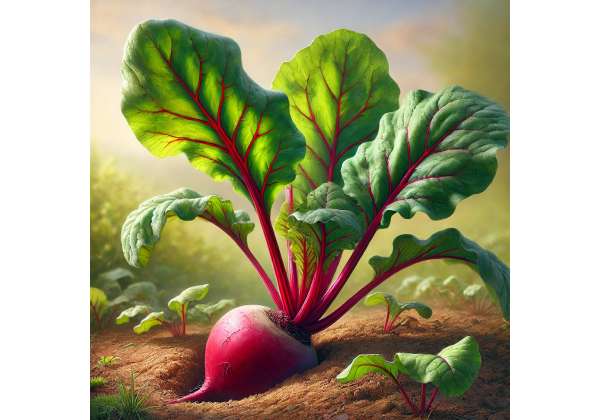
Beetroot (Beta vulgaris) is a vividly colored root vegetable that functions as both food and targeted nutrition—especially when used as juice or concentrated powders. Its modern popularity comes from two standout qualities: it is naturally rich in dietary nitrates, which the body can convert into nitric oxide to support blood flow, and it contains distinctive pigments called betalains, valued for antioxidant and inflammation-modulating properties. People most often use beetroot to support healthy blood pressure, exercise performance and endurance, and overall cardiovascular resilience.
Unlike many supplements, beetroot can be used flexibly—roasted, grated, blended, or taken as a standardized juice shot—making it easier to fit into real life. Still, it is not a universal fit. Beetroot can lower blood pressure more than expected in sensitive people, and its oxalate content may matter for those prone to kidney stones. With a thoughtful dose, smart timing, and an eye on safety, beetroot can be a practical tool for both daily wellness and performance-focused goals.
Quick Facts
- Nitrate-rich beetroot may support blood flow and modestly lower blood pressure in some people.
- Beetroot juice can improve endurance and exercise efficiency when timed correctly.
- Typical dosing is 250–500 mL/day beetroot juice or 3–6 g/day beetroot powder (often providing 300–600 mg nitrate).
- Oxalates and blood-pressure lowering effects are key safety considerations.
- Avoid or use caution if you have recurrent kidney stones, low blood pressure, or take nitrate-related heart medications.
Table of Contents
- What is beetroot and why it stands out
- Key ingredients and medicinal properties
- Does beetroot help with blood pressure
- Beetroot for performance and recovery
- How to use beetroot forms and prep
- How much beetroot per day
- Side effects interactions and who should avoid
What is beetroot and why it stands out
Beetroot is the edible taproot of Beta vulgaris, a plant family that also includes chard and sugar beets. As a food, beets are prized for their earthy sweetness and deep red-purple color. As a functional ingredient, they are prized for something more specific: they deliver a meaningful dose of inorganic nitrate in a form many people can tolerate and use consistently.
It helps to separate beetroot into three practical “identities,” because each leads to different expectations:
- Culinary beetroot (whole food): roasted, boiled, pickled, or grated raw. This offers fiber, potassium, folate, and plant pigments, but nitrate content varies widely by growing conditions and preparation.
- Beetroot juice (fresh or bottled): typically used for a faster, more measurable nitrate effect on blood flow, especially when taken 2–3 hours before activity.
- Concentrated shots and powders: used when you want consistent nitrate dosing without drinking large volumes of juice.
Beetroot stands out because the nitrate-to-nitric-oxide pathway is time-sensitive and behavior-sensitive. Your mouth plays a key role: nitrate is converted to nitrite partly by oral bacteria, then further converted into nitric oxide in the body. That means seemingly small habits—like using strong antiseptic mouthwash right before your beetroot dose—can reduce the conversion and weaken the effect.
Another reason beetroot is popular is that it has two parallel value tracks:
- Blood-flow support (nitrates): often noticeable in endurance tasks, oxygen efficiency, and sometimes blood pressure readings.
- Cell-protective support (betalains and polyphenols): more subtle, often framed as recovery, inflammation balance, and antioxidant support.
If you like the “vegetable-as-performance-tool” approach, beetroot is often grouped with other nitrate-rich vegetables. For a food-based comparison that also emphasizes cardiovascular benefits, see watercress for cardiovascular uses, which highlights how different nitrate-rich plants can play similar roles in a diet-first plan.
Finally, beetroot is not a stimulant. If it helps you, the effect often feels like smoother effort—less “burn,” steadier pacing, or a slightly easier breathing rhythm—rather than a jolt of energy.
Key ingredients and medicinal properties
Beetroot’s benefits come from a tight combination of minerals, pigments, and nitrogen chemistry. Understanding the main compounds makes it easier to choose the right form and dose—and to avoid common mistakes.
Dietary nitrates and nitric oxide support
The most studied functional component is inorganic nitrate (NO3−). After ingestion, nitrate circulates in the blood, then a portion is concentrated in saliva, where oral bacteria help convert it to nitrite (NO2−). Nitrite can then be converted to nitric oxide (NO), a signaling molecule that supports:
- relaxation of blood vessels and improved blood flow
- efficiency of oxygen use during exercise
- vascular function and endothelial responsiveness
This is why beetroot is often timed before workouts and why it is discussed in blood pressure support conversations.
Betalains: pigments with antioxidant activity
Beets are rich in betalains, a pigment family that includes betacyanins (red-purple) and betaxanthins (yellow-orange). Beyond color, betalains are studied for:
- antioxidant activity (helping neutralize reactive molecules)
- modulation of inflammation-related pathways
- potential support for cellular resilience during metabolic stress
Betalains are one reason beetroot is often framed as a “recovery-friendly” food, especially for people who do frequent training blocks or have high oxidative stress exposure.
Betaine and methylation support
Beetroot naturally contains betaine (trimethylglycine), a compound involved in methylation processes that influence homocysteine metabolism and overall cellular function. While beetroot is not a medical treatment for methylation disorders, betaine is one reason beets are often discussed in the context of liver and cardiovascular health patterns. If you want a deeper, supplement-style look at this nutrient and when it matters, trimethylglycine benefits and side effects provides a useful framework.
Micronutrients and fiber
Whole beets contribute:
- folate, which supports red blood cell formation and DNA synthesis
- potassium, relevant for blood pressure regulation in the context of overall diet
- manganese and other trace minerals
- fiber, which supports gut motility and meal-related glucose handling
Juice removes most fiber, which is why juice can “hit faster” but may be less satisfying and less gut-friendly for some people.
Medicinal properties in practical language
When you translate beetroot’s compounds into functional properties, the main themes are:
- vasodilation and circulation support (nitrates → nitric oxide)
- antioxidant and inflammation-modulating support (betalains and polyphenols)
- osmotic and cellular support (betaine’s role in cellular balance)
- digestive support via fiber (whole food forms)
The key is matching the property to the problem: nitrate-driven effects are often timing-dependent, while pigment and fiber benefits are more about consistent dietary use.
Does beetroot help with blood pressure
Beetroot is one of the most discussed foods for blood pressure because its nitrate content can increase nitric oxide availability—a pathway directly linked to blood vessel tone. In everyday terms, nitric oxide helps blood vessels relax and may reduce the resistance your heart pumps against. For some people, this shows up as a modest drop in systolic blood pressure, sometimes within a few hours of a dose and sometimes more clearly with regular intake.
What results are realistic
Most people should expect modest effects, not dramatic changes. Outcomes vary based on:
- baseline blood pressure (higher starting BP often shows more room for improvement)
- age and vascular stiffness
- nitrate dose and timing
- oral microbiome factors (mouthwash use can blunt conversion)
- overall diet (especially sodium and potassium balance)
If you already have excellent blood pressure and strong cardiovascular fitness, the “room” for improvement can be smaller. If you have elevated blood pressure, beetroot can be more noticeable—especially when paired with foundational habits like lowering sodium, increasing physical activity, and maintaining a healthy weight.
Best-use patterns for BP support
Two common approaches are used:
- Acute approach (same-day effect):
- Take beetroot juice or a nitrate-standardized shot, then check blood pressure 2–3 hours later.
- This can help you learn whether you are a responder without committing to long-term daily use.
- Consistent approach (habit-based):
- Use beetroot regularly (for example, daily or most days) as part of a routine.
- This approach often works best when it replaces less supportive habits (sugary drinks, skipped meals, low-vegetable days).
How to make your trial meaningful
If you want a fair test:
- Keep sodium intake fairly consistent for the week you evaluate beetroot, or sodium swings can mask effects.
- Measure blood pressure at the same time of day, seated, after a few minutes of rest.
- Avoid antiseptic mouthwash around dosing windows.
- Start with a moderate nitrate dose and adjust slowly.
Where beetroot fits in a heart-support plan
Beetroot is often best used as an adjunct, not a replacement for clinician-guided treatment if you have hypertension. It pairs well with dietary strategies (more vegetables, adequate potassium, less ultra-processed food) and with movement routines.
If you are exploring other heart-supporting botanicals with a different traditional profile—more focused on cardiac tone and antioxidant support—you might also look at hawthorn cardiovascular antioxidant benefits and compare how each fits your goals. Beetroot tends to be more about nitrate-driven circulation, while hawthorn is often discussed in broader cardiovascular herbal traditions.
The most important safety note: if you already run low on blood pressure or feel lightheaded easily, beetroot can push you too far. In that case, smaller doses and careful monitoring matter.
Beetroot for performance and recovery
Beetroot’s performance reputation is strongest in endurance contexts—running, cycling, rowing, field sports, and any task where oxygen efficiency and fatigue resistance matter. The most reliable performance mechanism is nitrate-driven: increased nitric oxide availability can improve blood flow, influence muscle efficiency, and reduce the oxygen cost of submaximal effort in some individuals.
What beetroot may improve
People who respond well often notice:
- slightly easier steady-state pace (less “effort” for the same output)
- improved time-to-exhaustion in longer efforts
- better repeatability in interval-style sessions (especially in recreational or moderately trained athletes)
- a “smoother” breathing rhythm during sustained work
The effects can be subtle—sometimes the difference between holding pace comfortably versus feeling like you are grinding.
Who benefits most
Beetroot tends to be most useful when:
- training status is low-to-moderate rather than elite
- the event relies on sustained aerobic contribution
- the athlete is not already optimizing every performance lever
- nitrate intake from vegetables is low in the baseline diet
Elite athletes sometimes see smaller benefits, likely because their nitric oxide systems, vascular function, and training adaptations are already highly optimized. That does not mean beetroot never helps at a high level—it means the average effect can be smaller and less predictable.
Acute vs. multi-day strategies
Two common strategies are used:
- Acute dosing (single session):
Typically taken 2–3 hours before the session. This aims to align peak nitrite availability with performance time. - Short loading (3–7 days):
Some people use a daily nitrate dose for several days leading into an event. This can help if a single dose feels inconsistent or if your body responds better to repeated exposure.
Recovery and muscle soreness
Beetroot is also discussed for recovery because of betalains and polyphenols. The most realistic framing is:
- it may modestly influence soreness perception or inflammation markers in some contexts,
- but it is not a substitute for sleep, adequate calories, protein, and sensible programming.
If your main interest is performance blood-flow support and you want to compare beetroot to an amino-acid-based approach, citrulline benefits and endurance dosing provides a useful contrast. Citrulline works through a different pathway (arginine availability), and some athletes choose one or the other based on tolerability and sport demands.
A practical take: beetroot is worth trying if you can test it during training first. The best performance supplement is the one you can tolerate, time correctly, and reproduce consistently without stomach upset.
How to use beetroot forms and prep
Beetroot can be used as a whole food, as juice, or as concentrated products. The best choice depends on whether you want fiber and food benefits, or a predictable nitrate dose.
1) Whole beetroot
Whole beets are ideal for:
- general nutrition (fiber, potassium, folate)
- regular dietary antioxidant intake
- people who prefer food-first approaches
Practical prep options:
- roasted: sweeter, easier on digestion for many
- boiled: softer texture; can reduce sharp earthy notes
- grated raw: fast and crunchy; stronger flavor
- pickled: convenient, but watch sodium and added sugar
Whole beets are less predictable for nitrate dosing because nitrate content varies by farming conditions, storage, and cooking method.
2) Beetroot juice
Juice is often used for:
- pre-workout nitrate timing
- short-term blood pressure experiments
- people who want fast delivery without chewing or cooking
Tips for tolerability:
- start with a smaller amount (for example, 150–250 mL) before trying larger doses
- take with a light snack if it causes nausea
- consider diluting with water if the sweetness is intense
3) Concentrated shots and powders
These are best when you want:
- consistent nitrate content (especially if nitrate is standardized on the label)
- portability
- less volume than juice
Powders mix well into smoothies, yogurt, or water. Some people prefer powders because they can split the dose and reduce stomach load.
Timing details that matter
For nitrate-driven effects:
- a common window is 2–3 hours before exercise or a blood pressure check
- avoid antiseptic mouthwash close to dosing
- avoid brushing teeth immediately after dosing if it causes you to rinse aggressively (a practical way to avoid disrupting oral bacteria)
Common mistakes
- Using beetroot only once and concluding it “does nothing” without a fair test window.
- Taking a large dose on an empty stomach and getting nausea or cramping.
- Trying beetroot for the first time on race day (always test in training).
- Assuming all beet powders contain the same nitrate dose (many do not).
If your goal is performance, the simplest routine is: pick a consistent product, test it on two training days, dial in the dose and timing, then replicate what worked. If your goal is general health, whole beets a few times per week can be enough to matter—especially when they replace less supportive foods.
How much beetroot per day
Beetroot dosing varies by form. A useful way to think about dose is to decide which target you care about most:
- Food dose (fiber and nutrients): measured in servings of whole beets
- Functional nitrate dose (blood flow and performance): measured in nitrate content or standardized juice shots
Typical whole-food intake
For general nutrition:
- 1/2 to 1 cup cooked beetroot (roughly 75–150 g) a few times per week is a reasonable food-based pattern.
- Daily intake is also fine for most people if digestion and oxalate concerns are not issues.
This approach supports fiber and overall diet quality but does not guarantee a specific nitrate effect.
Typical juice and shot dosing
For blood-flow or performance goals:
- Beetroot juice: 250–500 mL/day is a common range used in practice
- Concentrated shots: often 60–140 mL, depending on nitrate standardization
Many protocols aim for approximately 300–600 mg nitrate (or roughly 5–10 mmol nitrate) per day, though product labels vary. If your product lists nitrate content, use that as the anchor. If it does not, dose becomes guesswork, and outcomes become harder to reproduce.
Typical powder dosing
- Beetroot powder: 3–6 g/day is a common wellness and performance range
Some products are “beet juice powder,” which can be more concentrated than whole-root powder. Read the label carefully.
Timing by goal
- Pre-workout: take your nitrate-containing beetroot dose 2–3 hours before the session.
- Blood pressure testing: take the dose, then measure BP at baseline and again around the 2–3 hour mark.
- Multi-day loading: if you load, keep timing consistent each day, and avoid major mouthwash changes during the protocol.
How to start and adjust
A simple ramp plan:
- First 3 days: half dose (to test stomach comfort and blood pressure response)
- Days 4–10: full target dose
- After 2 weeks: keep the smallest effective dose that gives your desired outcome
When to reduce:
- lightheadedness, headaches, or unusually low blood pressure readings
- persistent digestive upset
- worsening reflux (some juices are acidic or trigger symptoms)
Beetroot works best when dosing is practical and repeatable. If you find a dose that helps without side effects, consistency matters more than pushing higher amounts.
Side effects interactions and who should avoid
Beetroot is a food, but concentrated beetroot products behave more like a targeted intervention. Most side effects are predictable and dose-related, and many can be avoided with smarter dosing and better product choice.
Common side effects
- Beeturia: red or pink urine and stool from betalain pigments; usually harmless, but can be alarming if unexpected
- Digestive upset: nausea, cramping, or loose stools, especially with large juice doses or empty-stomach use
- Temporary blood pressure drop: may feel like lightheadedness, especially when standing quickly
- Gas or bloating: more common with whole beets in people sensitive to fermentable carbohydrates
Key interactions and cautions
- Blood pressure medications: beetroot may add to BP-lowering effects in some people; monitor readings if you are already treated for hypertension.
- Nitrate-related heart medications: if you use nitrate drugs for chest pain, do not self-manage with high-nitrate supplements without clinician guidance.
- Kidney stone risk: beets contain oxalates, which can matter for people with calcium-oxalate stone history. This does not mean “never,” but it does mean moderation and individualized planning.
- Mouthwash and antibacterial habits: frequent antiseptic mouthwash can reduce nitrate conversion and make beetroot less effective, leading people to over-dose and increase side effects.
Who should avoid or use extra caution
- People with recurrent kidney stones or known high urinary oxalate
- People with low baseline blood pressure or frequent dizziness
- Those with significant kidney disease who must manage potassium and oxalate intake carefully
- Anyone who experiences allergic symptoms after beetroot (rare, but possible)
Practical safety tips
- Start with a half dose and check how you feel, especially if you are prone to low blood pressure.
- Take juice with a small snack to reduce nausea.
- If kidney stones are a concern, focus on smaller amounts and discuss diet strategies with a clinician; pairing high-oxalate foods with adequate dietary calcium at meals is a common strategy used in stone prevention planning.
- Choose products that are transparent about nitrate content and quality testing when possible.
Finally, remember that persistent symptoms deserve evaluation. If you experience fainting, severe weakness, chest pain, or blood in urine or stool, do not assume it is beetroot—seek medical care promptly.
References
- The Impact of Inorganic Nitrate on Endothelial Function: A Systematic Review of Randomized Controlled Trials and Meta-analysis 2025 (Systematic Review and Meta-analysis)
- Effects of Beetroot Juice on Physical Performance in Professional Athletes and Healthy Individuals: An Umbrella Review 2025 (Umbrella Review)
- Randomized Trial of Nitrate-Replete Beetroot Juice on Blood Pressure in Autosomal Dominant Polycystic Kidney Disease 2024 (RCT)
- Nutrition and Kidney Stone Disease 2021 (Review)
- Beetroot Juice and Exercise for Clinical Health and Athletic Performance 2026 (Review)
Disclaimer
This article is for educational purposes only and does not provide medical advice, diagnosis, or treatment. Beetroot and beetroot supplements can lower blood pressure and may interact with medications, including blood pressure drugs and nitrate-based heart medications. Beetroot is also higher in oxalates, which may increase kidney stone risk in susceptible individuals. If you are pregnant, breastfeeding, have kidney disease, have a history of kidney stones, or take prescription medications, consult a licensed clinician or pharmacist before using concentrated beetroot products. Stop use and seek medical guidance if you develop concerning symptoms such as fainting, severe dizziness, allergic reactions, or persistent gastrointestinal distress.
If you found this guide helpful, consider sharing it on Facebook, X (formerly Twitter), or your preferred platform to support evidence-informed nutrition and wellness.