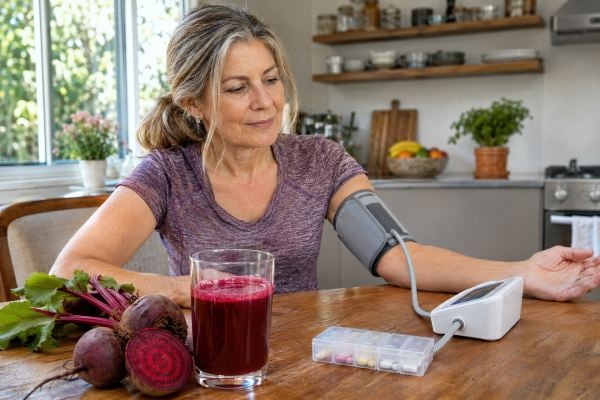
Beetroot juice can lower systolic blood pressure by a few points in some people, largely because beetroot is rich in inorganic nitrate that the body converts into nitric oxide. Nitric oxide helps blood vessels relax and can improve vascular function. In adults with hypertension, recent meta-analyses suggest an average systolic reduction around 5 mmHg in clinic measurements, although results vary and 24-hour blood-pressure effects are less consistent. Beetroot juice should therefore be viewed as a dietary add-on, not a replacement for prescribed blood-pressure medication or proven lifestyle changes. Products also vary greatly in nitrate content, so a “shot” or glass is not a standardized dose unless the label lists nitrate. Beetroot is safe for most adults as a food, but people with low blood pressure, certain kidney issues, recurrent oxalate kidney stones, or medicines that already lower blood pressure should be more cautious. Red urine or stool after beets is common and usually harmless.
Table of Contents
- How beetroot juice can lower blood pressure
- What the research shows
- Dose, timing, and product choice
- Who should avoid or limit it
- Side effects and common mistakes
- How to use it with a blood-pressure plan
How beetroot juice can lower blood pressure
Beetroot contains inorganic nitrate. After you consume nitrate, some is absorbed and recirculated into saliva. Bacteria on the tongue convert nitrate to nitrite. After you swallow the nitrite, it can be converted further into nitric oxide, especially in environments where oxygen is lower and acidity is higher.
Nitric oxide is an important signaling molecule in blood vessels. It relaxes smooth muscle in the vessel wall, promotes vasodilation, and supports endothelial function. Wider, more responsive vessels can reduce resistance to blood flow and lower blood pressure.
This nitrate–nitrite–nitric oxide pathway is different from the nitrates and nitrites often discussed in processed meats. Vegetables bring nitrate together with vitamin C, polyphenols, potassium, and other compounds within a food matrix. Nitrate-rich vegetables such as beetroot, arugula, spinach, lettuce, and celery are generally considered part of a healthful dietary pattern. For another food-based example, arugula and dietary nitrates explains the same pathway in a leafy green.
The response differs from person to person. Oral bacteria matter, as do baseline blood pressure, age, medication, diet, and the actual nitrate concentration of the product. That variability explains why one person may see a noticeable drop while another sees almost no change.
What the research shows
The evidence is promising but not strong enough to treat beetroot juice like a blood-pressure drug.
A 2024 systematic review and meta-analysis of randomized trials in adults with hypertension found that beetroot juice reduced clinic systolic blood pressure by about 5.3 mmHg compared with control. The analysis included 11 trials and 349 participants. The effect on clinic diastolic pressure was not statistically significant, and 24-hour ambulatory blood-pressure outcomes were also not clearly improved. The authors rated the certainty of evidence as low because trials were small and varied in design.
A 2022 meta-analysis also found an average systolic reduction of about 5 mmHg in people with hypertension, with no clear diastolic reduction. Trials generally lasted from a few days to several weeks and used roughly 70–250 mL/day of beetroot juice, although nitrate dose—not liquid volume—is the more meaningful measure.
A drop of 5 mmHg is not trivial if it is real and sustained, but it is an average. It does not mean that everyone who drinks beetroot juice will lower systolic pressure by exactly five points. It also does not prove the same degree of benefit over years.
Dietary nitrate research extends beyond beetroot. Reviews of nitrate-rich vegetables suggest potential cardiovascular benefits, but food-based trials are not uniform. One randomized trial that supplied about 300 mg/day nitrate from leafy green vegetables for five weeks did not significantly reduce 24-hour systolic pressure in adults with elevated blood pressure. That finding is useful because it shows that “nitrate-rich” does not guarantee a predictable response.
The practical message is that beetroot juice can be an evidence-based adjunct for some people with high blood pressure, but standard treatments remain more reliable. Those include weight loss when appropriate, regular activity, a DASH-style eating pattern, sodium reduction, adequate potassium from food when safe, good sleep, limiting alcohol, and medication when prescribed. See habits that lower blood pressure naturally for the broader plan.
Dose, timing, and product choice
Research often uses a nitrate dose around 200–800 mg/day, sometimes delivered as concentrated beetroot “shots” and sometimes as larger volumes of juice. Product volume alone can be misleading because nitrate content varies by beet variety, growing conditions, processing, and manufacturer.
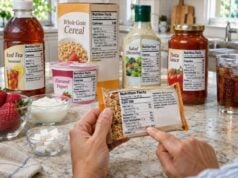
If you are choosing a product for blood-pressure purposes, look for one that states the nitrate amount per serving. A bottle that says only “beetroot juice” gives no reliable way to compare it with clinical trials.
For an acute effect, nitric oxide-related changes often develop within a few hours of intake. Many studies provide beetroot juice daily rather than only on days when blood pressure is high. If you want to test whether it affects you, consistency matters more than chasing individual readings.
A simple home experiment can be reasonable for an otherwise stable adult:
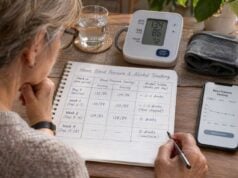
- Measure blood pressure correctly at the same times each day for about a week to establish a baseline.
- Add a standardized beetroot product while keeping medication, caffeine, exercise, and other major habits stable.
- Continue home readings for one to two weeks.
- Compare averages rather than single readings.
Do not change prescribed medication based on a few lower readings. If your average blood pressure falls enough that you feel dizzy or your readings become unusually low, contact your clinician.
Home technique matters. Sit quietly for five minutes, use a validated upper-arm cuff of the correct size, keep the arm supported at heart level, and take two readings about one minute apart. Poor technique can easily create changes larger than the effect you are trying to measure. For a structured routine, see home blood-pressure monitoring.
Whole beets are also healthy, but they are less standardized as a nitrate “dose.” They add fiber, which juice largely lacks, and can be a better everyday food choice. Beetroot powder and supplements vary even more, so check whether nitrate is quantified rather than assuming every beet product works the same way.
Who should avoid or limit it
Most healthy adults can consume beets and beetroot juice safely, but several groups should be cautious.
People with low blood pressure or frequent dizziness: Beetroot may lower pressure further. If you already have symptomatic hypotension, fainting, or orthostatic dizziness, adding a concentrated nitrate product without medical guidance may worsen symptoms.
People taking blood-pressure medicines: The combination is not automatically unsafe, but effects can add together. This matters particularly if you take multiple antihypertensive drugs or already have readings near the low end of your target range.
People taking nitrates or certain vasodilators: Medicines such as nitroglycerin or isosorbide are used for angina, and phosphodiesterase-5 inhibitors such as sildenafil or tadalafil can also lower blood pressure. There is not a blanket prohibition on dietary beetroot for everyone taking these drugs, but concentrated nitrate products may complicate blood-pressure management. Ask the prescribing clinician before using them intentionally as a supplement.
People with kidney disease: Beets contain potassium. Some people with chronic kidney disease need to limit potassium, while others do not. The answer depends on kidney function, medications, and laboratory values. Concentrated juice can deliver a substantial amount quickly.
People with recurrent calcium oxalate kidney stones: Beets are relatively high in oxalate. Someone with a history of oxalate stones may need to limit high-oxalate foods or pair them with calcium-containing foods based on individualized stone-prevention advice.
People with diabetes who use juice freely: Beetroot juice contains natural carbohydrate without the fiber of whole beets. It can still fit a diabetes plan, but serving size and glucose response matter.
Pregnant people can eat beets as food, but concentrated supplements deserve more caution because supplement-level dosing is less well studied and blood-pressure disorders of pregnancy require medical monitoring.
Side effects and common mistakes
The most visible side effect is beeturia—pink or red urine after eating beets. Stool can also turn red. This is usually harmless. However, blood in urine or stool should never be automatically blamed on beets if the color persists, occurs without recent beet intake, or comes with pain, weakness, black tarry stool, or other concerning symptoms.
Gastrointestinal upset is possible, especially with large servings. Juice can also add calories and sugar if consumed in large quantities. A concentrated shot may provide less sugar simply because the volume is smaller, but compare labels.
One common mistake is using antibacterial mouthwash right around the time of nitrate intake. Oral bacteria help convert nitrate to nitrite, and strong antiseptic mouthwash can reduce this conversion. You do not need to stop medically necessary dental care, but there is a biological reason that frequent antibacterial mouthwash could blunt the nitrate pathway.
Another mistake is assuming more nitrate always produces more benefit. Very high doses are not proven to keep lowering pressure, and concentrated supplements are not automatically safer or more effective than food. Research suggests a ceiling effect may occur for some cardiovascular outcomes.
A third mistake is treating beetroot as an emergency remedy for a high reading. If your blood pressure is severely elevated—especially around 180/120 mmHg or higher—repeat the measurement after several minutes of rest. Seek urgent medical guidance, and if you also have chest pain, shortness of breath, neurologic symptoms, confusion, or vision changes, treat it as an emergency. Beet juice is not appropriate acute treatment.
How to use it with a blood-pressure plan
If you enjoy beetroot, the most sensible approach is to use it as one part of a diet rich in vegetables and minimally processed foods. A small standardized serving of beetroot juice can be tried if your clinician has no concerns, but it should sit on top of higher-impact habits.
Prioritize:
- Taking prescribed medication consistently.
- Reducing excess sodium, especially from restaurant food, processed meats, sauces, packaged snacks, and ready meals.
- Eating potassium-rich foods when kidney function allows.
- Getting regular aerobic activity plus strength training.
- Limiting alcohol.
- Addressing sleep apnea if symptoms such as loud snoring and daytime sleepiness are present.
- Maintaining a healthy weight or losing weight when indicated.
The DASH diet for blood pressure is a useful framework because it combines several of these factors rather than focusing on one ingredient.
If you want to test beetroot juice, define success before you start. A meaningful result is a consistent improvement in your average home readings without dizziness, medication problems, or excessive cost—not a single impressive number after one drink.
Most importantly, do not let a supplement distract from diagnosis. Persistently high blood pressure can reflect genetics, kidney disease, sleep apnea, medication effects, endocrine disorders, or other factors. A clinician can help determine whether home readings are accurate and whether treatment should change.
If you decide to try beetroot juice, treat it like a measured experiment, not an emergency remedy. Blood pressure varies naturally from minute to minute and day to day. Stress, sleep, caffeine, exercise, pain, bladder fullness, temperature, and even talking during the measurement can move the number. Without a baseline and repeated readings, it is easy to credit beetroot for a change that would have happened anyway.
Use morning and evening averages for several days before starting, then keep the rest of your routine as stable as practical. If you usually drink coffee, do not suddenly stop caffeine on the same day you start beetroot and then assume the lower pressure came from nitrate. The same applies to alcohol, sodium, exercise, and medication changes.
Product labels deserve close attention. A concentrated beet shot may contain a clinically relevant nitrate dose in a small volume, while a large bottle of ordinary juice may not list nitrate at all. Some powders are marketed around “nitric oxide support” but provide no quantified nitrate amount. Without that information, you cannot assume the product resembles one used in a trial.
Food quality also matters. Whole beets provide fiber, while juice does not. If your main goal is general cardiovascular health rather than a standardized nitrate experiment, roasted, steamed, or grated beets can be the better everyday choice. They contribute to vegetable intake and are easy to pair with beans, whole grains, yogurt, nuts, and leafy greens.
Another practical issue is oral hygiene. The nitrate pathway depends partly on nitrate-reducing bacteria on the tongue. Studies have shown that antibacterial mouthwash can suppress this conversion. That does not justify poor dental care or stopping a prescribed antimicrobial rinse. It simply means that people using frequent strong antiseptic mouthwash may not get the same nitrate response as participants in some studies.
Exercise can also affect how beetroot is perceived. Athletes sometimes use beetroot juice for exercise efficiency or endurance, and the dose and timing used for sports performance may differ from blood-pressure protocols. A product sold to athletes is not automatically superior for hypertension, and high-sugar formulations may be a poor fit for someone with diabetes or weight-loss goals.
If your blood pressure is controlled on medication and you want to add beetroot juice, tell your clinician at a routine visit, especially if you already experience lightheadedness. A drop that sounds beneficial on paper can become a problem if standing systolic pressure falls too low or you become unsteady. Older adults with a history of falls deserve particular caution.
Remember, too, that blood pressure treatment is about reducing long-term risk, not winning a contest for the lowest possible reading. Very low pressure can impair quality of life and, in some people, signal over-treatment. The correct target depends on age, cardiovascular disease, kidney disease, diabetes, pregnancy status, and tolerance.
A useful bottom line is to rank interventions by evidence and reliability. Prescribed antihypertensive medication, sodium reduction, weight management, regular exercise, and a DASH-style diet have much larger evidence bases than beetroot juice. Nitrate-rich juice is best placed after those foundations, as an optional addition for someone who enjoys it and can use it safely.
Be aware that nitrate supplements and beetroot products are not regulated like prescription antihypertensive drugs. Two products with similar front-label claims may contain very different nitrate amounts, added sugars, sodium, or other ingredients. Choose products with transparent labeling and avoid proprietary blends that make the active dose impossible to identify. If you compete in sport, also consider third-party testing because contamination with undeclared substances can occur in the supplement market.
If you prefer food instead of juice, roasted beets, beet salad, and other nitrate-rich vegetables can support the same overall eating pattern without turning blood-pressure control into a supplement routine. The effect may be less standardized, but the nutritional value is broader.
For most people, the most useful question is not whether beetroot can lower pressure at all, but whether it adds anything measurable on top of a strong treatment plan. If it does, keep it; if it does not, there is no need to force the habit.
References
- Effects of beetroot juice on blood pressure in hypertension according to European Society of Hypertension Guidelines: A systematic review and meta-analysis 2024 (Systematic Review)
- The Cardioprotective Role of Nitrate-Rich Vegetables 2024 (Review)
- Dietary Nitrate from Plant Foods: A Conditionally Essential Nutrient for Cardiovascular Health. 2023 (Review)
- Nitrate Derived From Beetroot Juice Lowers Blood Pressure in Patients With Arterial Hypertension: A Systematic Review and Meta-Analysis. 2022 (Systematic Review)
- Associations between Vegetable Nitrate Intake and Cardiovascular Disease Risk and Mortality: A Systematic Review 2024 (Systematic Review)
Disclaimer
This article is for general education and is not a substitute for medical care. Do not stop or reduce blood-pressure medication because of beetroot juice without speaking with your clinician, and seek urgent care for severely high readings with chest pain, shortness of breath, neurologic symptoms, or other emergency warning signs.