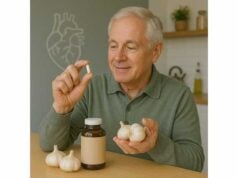
Carnitine helps move long-chain fatty acids into mitochondria, where cells turn them into usable energy. That role makes it attractive for healthy aging, especially when people want better exercise recovery, steadier energy, or support for brain function. The supplement shelf, however, creates confusion because “carnitine” is not one product. L-carnitine tartrate and acetyl-L-carnitine share the same core molecule, yet they behave differently in the body and are usually chosen for different reasons.
L-carnitine tartrate fits best when the target is muscle recovery, exercise tolerance, and physical fatigue. Acetyl-L-carnitine fits best when the target is brain energy, nerve function, mood, or cognitive aging. Neither form is a shortcut for strength training, sleep, protein intake, or metabolic health. The smartest use is targeted, time-limited, and matched to a measurable reason.
Table of Contents
- How Carnitine Works in Healthy Aging
- L Carnitine Tartrate vs Acetyl L Carnitine
- Muscle Recovery, Exercise, and Fatigue
- Brain, Nerve, and Mood Support
- Metabolic and Heart Context
- Dosing, Timing, and Stacking
- Safety, Side Effects, and Who Should Avoid It
- How to Choose the Right Form
How Carnitine Works in Healthy Aging
Carnitine is a small compound made from the amino acids lysine and methionine. The body makes it mainly in the liver and kidneys, then stores most of it in skeletal muscle and heart muscle. Food supplies the rest, with the richest amounts in red meat, poultry, fish, and dairy.
Its best-known job is the carnitine shuttle. Long-chain fatty acids cannot enter the mitochondrial matrix on their own. Carnitine helps escort them across the mitochondrial membrane so beta-oxidation can turn them into energy. This is one reason carnitine gets linked with endurance, fatigue, and mitochondrial function.
Carnitine also helps manage acyl groups, which are fragments of fat metabolism. When energy metabolism becomes stressed, acyl groups can build up and interfere with normal cellular function. Carnitine binds some of these groups and helps remove them as acylcarnitines. This cleanup role matters in tissues with high energy demand, including muscle, heart, and brain.
Aging does not make carnitine automatically deficient. Many healthy adults maintain normal carnitine status without supplements. The case for supplementation becomes more reasonable when a person has a specific use case, such as low intake of animal foods, certain medical conditions, dialysis, medication-related depletion, high training loads, frailty risk, or targeted cognitive and nerve concerns.
Carnitine also sits inside a larger longevity pattern. Mitochondrial health responds strongly to training, sleep, protein adequacy, insulin sensitivity, and inflammation control. Supplements work best when those basics are already moving in the right direction. People tracking metabolic risk often get more insight from fasting glucose, insulin, and A1c than from guessing based on energy levels alone; a deeper look at glucose and insulin testing helps place carnitine in the right context.
L Carnitine Tartrate vs Acetyl L Carnitine
L-carnitine tartrate and acetyl-L-carnitine both raise carnitine availability, but they are used for different clinical and practical reasons.
L-carnitine tartrate is L-carnitine bound to tartaric acid. It is common in sports nutrition because it dissolves well, absorbs reliably, and has been studied for exercise recovery. Labels often list the total compound amount, not the amount of elemental L-carnitine. For example, 2,000 mg of L-carnitine L-tartrate usually provides about 1,360 mg of L-carnitine.
Acetyl-L-carnitine, often shortened to ALCAR, includes an acetyl group. That acetyl group changes its tissue behavior and is one reason ALCAR is studied more often for brain, nerve, mood, and cognitive outcomes. It is not simply “stronger” carnitine. It is a different form with a different best-fit use.
| Feature | L Carnitine Tartrate | Acetyl L Carnitine |
|---|---|---|
| Main use | Exercise recovery, muscle soreness, physical fatigue | Cognition, nerve comfort, mood, brain energy |
| Common dose range | 1,000–3,000 mg/day of the compound | 500–2,000 mg/day, sometimes up to 3,000 mg/day in studies |
| Typical timing | With meals; often near training | Morning or early afternoon |
| Best paired with | Resistance training, protein, creatine, recovery plan | Sleep, cognitive training, B vitamin status, mood care |
| Main drawback | Less targeted for brain outcomes | More likely to feel stimulating in sensitive people |
The easiest way to separate them is by the tissue you are trying to support. Choose L-carnitine tartrate when the problem shows up in workouts, soreness, or physical recovery. Choose acetyl-L-carnitine when the concern is mental energy, nerve symptoms, or cognitive resilience.
People sometimes combine them, but that rarely makes sense as a first step. Combining forms raises total carnitine exposure and increases the chance of digestive symptoms, fishy odor, or trimethylamine-N-oxide concerns without proving that the combination works better. Start with one form, one reason, and one way to judge whether it helped.
Muscle Recovery, Exercise, and Fatigue
L-carnitine tartrate is the better match for muscle-centered goals. Research in active adults shows the strongest signal around recovery rather than dramatic performance enhancement. That distinction matters. Carnitine is not a stimulant and does not work like caffeine. It is also not a direct muscle-building supplement like protein or creatine.
The most realistic benefits include less soreness after hard sessions, improved perceived recovery, and lower markers of muscle damage in some studies. These effects usually need repeated use for several weeks. A single dose before the gym is unlikely to change a workout in a noticeable way.
Carnitine’s muscle role fits the aging body in three ways. First, older muscle often has lower metabolic flexibility, meaning it has a harder time switching between carbohydrate and fat use. Second, recovery from hard training often takes longer with age. Third, fatigue limits consistency, and consistency is the real driver of strength, mobility, and independence.
Still, the evidence does not support carnitine as a primary sarcopenia treatment. Resistance training, total protein, per-meal leucine, vitamin D sufficiency when low, and enough calories matter more. Carnitine belongs in the “supportive” tier, not the foundation tier. For older adults building a muscle-preserving plan, creatine for healthy aging has stronger practical value for strength and lean mass, while carnitine tartrate fits recovery and fatigue support.
A useful trial looks like this:
- Choose L-carnitine tartrate at 1,000–2,000 mg/day with food.
- Use it for 6–8 weeks while keeping training stable.
- Track soreness, next-day fatigue, session quality, and weekly training volume.
- Stop if there is no clear improvement after the trial.
People who train hard three or more days per week have a clearer reason to test it than people who are mostly sedentary. A sedentary person usually gets more benefit from a walking plan, progressive resistance training, and better protein distribution. Supplements should not replace the stimulus the body needs to keep muscle.
Carnitine tartrate also pairs logically with exercise plans that target mitochondrial fitness. Zone 2 training, intervals, and resistance training create the demand signal; carnitine may support the fuel-handling side. If aerobic capacity is the priority, Zone 2 training and progressive intervals deserve priority over any recovery supplement.
Brain, Nerve, and Mood Support
Acetyl-L-carnitine is the more relevant form for brain and nerve goals. The acetyl group gives ALCAR a different profile from standard L-carnitine and helps explain why it appears more often in studies on cognitive disorders, depressive symptoms, neuropathy, and brain energy metabolism.
Brain aging involves much more than mitochondrial fuel. Blood pressure, sleep quality, hearing, glucose control, inflammation, vascular health, social connection, and medication burden all shape cognitive risk. ALCAR sits in the mitochondrial and neurochemical corner of that larger picture.
In dementia and mild cognitive impairment research, acetyl-L-carnitine has shown mixed results. Older studies reported improvements in some cognitive scales, while later reviews have been more cautious. The fairest interpretation is that ALCAR is not a proven dementia treatment, but it remains biologically plausible and clinically interesting for selected cognitive and nerve-related use cases.
People using it for cognitive aging usually look for subtle changes: mental stamina, word-finding ease, focus, or less “brain fatigue.” Those outcomes are harder to measure than a lab value, so the trial needs structure. A 6–12 week test is reasonable. Track sleep, focus, mood, and irritability because ALCAR feels activating for some people.
For broader brain resilience, acetyl-L-carnitine works best as one piece of a plan that protects vascular and metabolic health. People interested in deeper cognitive support can compare it with acetyl-L-carnitine for aging and cognition, while those building a non-supplement plan should also consider learning, exercise, sleep, and social connection.
ALCAR also has relevance for nerve health. It has been studied in diabetic neuropathy and other nerve pain contexts, though results vary by condition and dose. Nerve problems deserve medical evaluation before supplementation because numbness, burning pain, gait changes, or weakness can point to diabetes, B12 deficiency, thyroid disease, spinal problems, medication effects, or circulation issues.
B12 status matters here. A person with low B12 or high homocysteine should not use ALCAR as a substitute for correcting the underlying issue. Testing B12, folate, and homocysteine often gives clearer direction when fatigue, neuropathy, memory concerns, or balance changes appear.
Metabolic and Heart Context
Carnitine has been studied in insulin resistance, type 2 diabetes, fatty liver, heart failure, and post-heart attack care. The metabolic data are interesting but not strong enough to treat carnitine as a core cardiometabolic supplement for healthy adults.
Meta-analyses in adults show modest improvements in fasting glucose, insulin resistance, and some lipid markers with L-carnitine supplementation, especially in people with metabolic disorders. Doses in these studies often range from 1,000 to 4,000 mg/day for several weeks to a year. These results do not mean a healthy person with normal glucose control needs carnitine. They also do not mean carnitine replaces weight loss, resistance training, fiber, sleep, or medication when medication is needed.
For fatty liver, carnitine research suggests possible improvements in liver enzymes and triglyceride metabolism. The people most likely to benefit are those with documented metabolic dysfunction, not those taking carnitine as a vague detox supplement. Fatty liver should be tracked with liver enzymes, fibrosis risk scoring, imaging when appropriate, and waist-related metrics. A structured look at NAFLD screening gives more direction than supplement guessing.
Heart health is where carnitine becomes more nuanced. Carnitine supports fatty acid metabolism in heart muscle, and some studies in heart disease settings show potential benefit. At the same time, gut bacteria can convert carnitine into trimethylamine, which the liver converts into trimethylamine-N-oxide, or TMAO. Higher TMAO levels have been associated with cardiovascular risk in several lines of research.
TMAO is not a simple “carnitine is bad” story. Gut microbiome composition, kidney function, diet pattern, red meat intake, fish intake, baseline cardiovascular risk, and dose all influence the picture. Still, long-term high-dose carnitine without a clear reason is hard to justify in someone with high cardiovascular risk.
People with elevated ApoB, known plaque, kidney disease, diabetes, or a strong family history of cardiovascular disease should be more cautious. In that setting, carnitine is a clinician-guided choice, not a casual add-on. Tracking ApoB and non-HDL cholesterol gives a more direct view of atherosclerotic risk than trying to interpret carnitine’s indirect effects.
Dosing, Timing, and Stacking
Carnitine dosing should match the form and the reason for taking it. More is not automatically better. Many studies use gram-level doses, but higher doses increase digestive side effects and raise questions about long-term TMAO exposure.
For L-carnitine tartrate, a common healthy-aging trial is 1,000–2,000 mg/day with meals. Some sports studies use up to 3,000 mg/day. Taking it with carbohydrate-containing meals may support muscle uptake, although that detail matters less than consistent use and a real training program.
For acetyl-L-carnitine, a common starting dose is 500 mg in the morning. If tolerated, many people use 1,000–2,000 mg/day split between morning and early afternoon. Studies in cognitive and mood-related areas have used higher doses, often 1,500–3,000 mg/day, but higher dosing belongs under professional guidance when medical symptoms are involved.
Avoid taking ALCAR late in the day if it disrupts sleep. Sleep loss undermines every potential longevity benefit, including cognition, glucose control, muscle recovery, and mood. Anyone who feels wired, irritable, or restless after ALCAR should lower the dose, move it earlier, or stop.
Carnitine stacks best with foundations, not with long supplement lists. Good pairings include:
- L-carnitine tartrate plus resistance training: best for recovery, soreness, and training consistency.
- L-carnitine tartrate plus creatine: useful when strength and recovery are both priorities.
- Acetyl-L-carnitine plus B vitamin correction: relevant when labs show B12, folate, or homocysteine issues.
- Acetyl-L-carnitine plus sleep repair: smarter than chasing focus while sleep remains poor.
- Carnitine plus omega-3 testing: reasonable in cardiometabolic plans where inflammation and lipids are also being tracked.
Do not stack carnitine with several stimulating supplements at once. ALCAR plus high caffeine, yohimbine, strong pre-workouts, or multiple nootropics increases the chance of anxiety, palpitations, and insomnia. A clean trial gives cleaner information.
People already using mitochondrial supplements often compare carnitine with CoQ10, alpha-lipoic acid, PQQ, taurine, or urolithin A. Those choices should follow the main goal. For example, CoQ10 is more relevant for statin-associated muscle symptoms and some heart-related contexts, while urolithin A is more focused on mitochondrial renewal and muscle function research.
Safety, Side Effects, and Who Should Avoid It
Carnitine is generally well tolerated at common supplemental doses, but it is not risk-free. Side effects are usually dose related and improve after lowering the dose or stopping.
Common side effects include:
- nausea or stomach discomfort
- loose stools or cramps
- fishy body odor or breath
- restlessness or insomnia, especially with acetyl-L-carnitine
- headache in sensitive users
The fishy odor happens because gut bacteria can convert carnitine into trimethylamine. The body then processes trimethylamine into TMAO. This pathway is also why cardiovascular safety discussions around carnitine have become more careful.
People with kidney disease need medical guidance before using carnitine. The kidneys help handle carnitine and related metabolites, and kidney function also affects TMAO levels. People on dialysis sometimes receive carnitine in medical settings, but that is different from self-supplementing.
People with seizure disorders should also use caution. Carnitine has been used in specific medical contexts, including valproate-related carnitine depletion, but there are case reports and theoretical concerns around seizure threshold in susceptible people. Anyone with epilepsy or a history of unexplained seizures should ask a clinician before using it.
Medication context matters. Discuss carnitine with a clinician if you use anticoagulants, thyroid medication, valproate, chemotherapy drugs, diabetes medications, or multiple cardiovascular medications. Carnitine can change symptoms, lab markers, or treatment needs, especially when combined with diet and exercise changes.
Pregnant and breastfeeding people should avoid casual carnitine supplementation unless a qualified clinician recommends it. The same caution applies to children, people with active cancer treatment, and people with unexplained weight loss, weakness, neuropathy, or cognitive decline.
Quality also matters. Choose products with third-party testing when possible. Look for clear labeling of the form and dose. Avoid proprietary blends that hide the amount of carnitine. For L-carnitine tartrate, check whether the label lists the compound weight or the L-carnitine yield.
How to Choose the Right Form
The best carnitine choice starts with the reason for using it. A vague goal like “more energy” is too broad. Energy problems come from poor sleep, anemia, depression, low fitness, thyroid disease, medication effects, under-eating, insulin resistance, and many other causes. Carnitine helps only a subset of those problems.
Use this decision guide:
| Your main goal | Better choice | Trial length | What to track |
|---|---|---|---|
| Less soreness after training | L-carnitine tartrate | 6–8 weeks | DOMS, next-day fatigue, training volume |
| Better workout recovery | L-carnitine tartrate | 6–8 weeks | session quality, readiness, soreness |
| Mental fatigue or focus support | Acetyl-L-carnitine | 6–12 weeks | focus, sleep, mood, irritability |
| Nerve discomfort support | Acetyl-L-carnitine | 8–12 weeks | symptom pattern, glucose, B12 status |
| Metabolic markers | Usually L-carnitine, clinician-guided | 12 weeks or more | A1c, fasting glucose, insulin, lipids, liver enzymes |
| General longevity | Usually neither as a first step | Use only with a target | training, sleep, labs, function |
For muscle and recovery, L-carnitine tartrate is the cleaner fit. For cognition, mood, and nerves, acetyl-L-carnitine is the cleaner fit. For metabolic disease or cardiovascular disease, use carnitine only inside a plan that tracks objective markers and accounts for TMAO concerns.
A good self-experiment has a start date, dose, outcome, and stop rule. For example: “I will take 1,500 mg L-carnitine tartrate with breakfast for eight weeks while training three days per week. I will continue only if soreness or next-day fatigue improves by at least 25%.” That type of structure prevents supplement drift, where pills keep accumulating without clear benefit.
Carnitine earns a place when it solves a defined problem. It does not need to be part of every longevity stack. Stronger levers still include progressive training, adequate protein, sleep regularity, cardiometabolic risk control, and enough recovery to repeat those habits for years.
References
- Carnitine – Health Professional Fact Sheet 2023 (Official Fact Sheet)
- L-Carnitine in the Treatment of Psychiatric and Neurological Manifestations: A Systematic Review 2024 (Systematic Review)
- Effect of Acute and Chronic Oral l-Carnitine Supplementation on Exercise Performance Based on the Exercise Intensity: A Systematic Review 2021 (Systematic Review)
- L-Carnitine Tartrate Supplementation for 5 Weeks Improves Exercise Recovery in Men and Women: A Randomized, Double-Blind, Placebo-Controlled Trial 2021 (RCT)
- The effects of L-carnitine supplementation on glycemic markers in adults: A systematic review and dose-response meta-analysis 2023 (Systematic Review)
- Revisiting the Role of Carnitine in Heart Disease Through the Lens of the Gut Microbiota 2024 (Review)
Disclaimer
This article is educational and does not replace care from a qualified health professional. Carnitine supplements are not appropriate for every person, especially those with kidney disease, seizure disorders, cardiovascular disease, pregnancy, or complex medication use. Ask a clinician before using carnitine to manage medical symptoms, abnormal labs, neuropathy, cognitive decline, or metabolic disease.