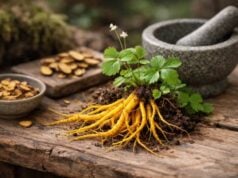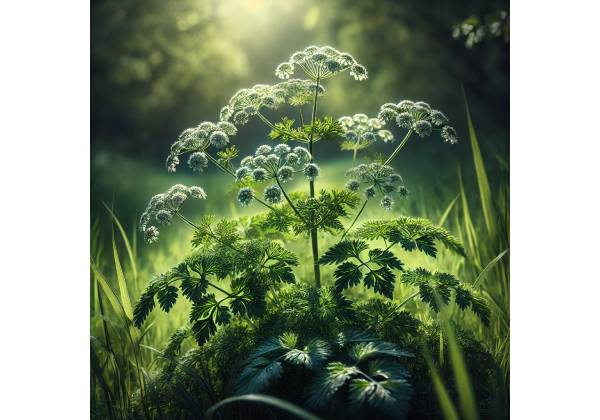
Chervil (Anthriscus cerefolium) is a delicate culinary herb in the parsley family, prized for its soft, feathery leaves and subtle anise-like aroma. Often called “gourmet parsley,” it brings a gentle lift to soups, eggs, fish, and spring vegetables—especially when added at the end of cooking to protect its volatile flavor compounds. Beyond taste, chervil offers a nutrition-forward profile: fresh leaves contribute vitamin C, vitamin A precursors, folate, and a range of polyphenols that help plants defend themselves and may support human wellness in more modest, food-like ways.
Traditional European herbal practice has used chervil as a mild digestive aid and for seasonal “lightening” routines, with occasional mentions of gentle diuretic support. Modern research on chervil focuses more on its phytochemistry and antioxidant potential than on large human trials, so it is best viewed as a supportive herb rather than a stand-alone remedy. When used thoughtfully—especially in culinary amounts—chervil can be a simple, enjoyable way to add both flavor and plant diversity to your daily routine.
Essential Insights for Chervil
- Regular culinary use can support digestion and meal satisfaction by adding flavor without extra sodium or sugar.
- Many people use 1–2 tablespoons (3–6 g) of fresh chervil daily, or 1–2 g dried herb per cup of tea up to 2–3 times/day.
- Avoid concentrated chervil essential oil or high-dose extracts due to variable levels of naturally occurring aromatic compounds.
- Use extra caution if you take warfarin or other anticoagulants, or if you have strong allergies to carrot-family herbs.
- Pregnant or breastfeeding people and children should stick to normal food amounts unless a clinician advises otherwise.
Table of Contents
- What is chervil?
- Key nutrients and active compounds
- Does chervil support digestion and inflammation?
- Chervil for metabolic and heart health
- How to use chervil in food and tea
- How much chervil per day?
- Chervil safety, interactions, and who should avoid
What is chervil?
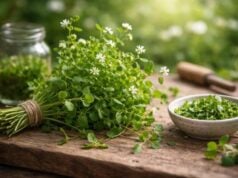
Chervil is an annual herb in the Apiaceae family (the same broad family as parsley, carrot, dill, and fennel). It is best known in French cooking as part of the classic fines herbes blend, where its mild sweetness and whisper of licorice make richer foods taste lighter and cleaner. The leaves are tender, bright green, and lacy—more fragile than parsley—so chervil is usually treated as a finishing herb rather than something simmered for a long time.
Flavor and kitchen identity
If you are trying to place chervil’s taste, imagine parsley with a gentle anise note and a soft peppery freshness. It does not punch like mint, nor does it have the strong licorice intensity of star anise. That restraint is exactly why chefs love it: chervil enhances without dominating. It pairs well with:
- Eggs, omelets, and soft cheeses
- Fish, chicken, and light cream sauces
- Potatoes, asparagus, peas, mushrooms, and carrots
- Lemon, chives, and mild vinegars
Chervil is also a “timing herb.” Its aroma comes largely from volatile compounds that evaporate with heat, so prolonged cooking can flatten it. A practical rule is to add it in the last 1–3 minutes of cooking, or even off the heat.
Chervil vs. parsley and look-alikes
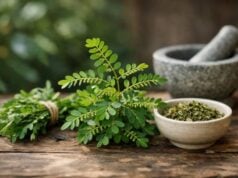
Chervil is sometimes confused with flat-leaf parsley. The easiest clue is leaf structure: chervil leaves look finer, more fern-like, and softer. From a nutrition perspective, both herbs can contribute meaningful micronutrients in small servings. If you want a parsley-focused overview for comparison, see parsley’s metabolic and anti-inflammatory profile.
One important safety note: the carrot family includes dangerous wild look-alikes (some highly toxic). For that reason, it is safest to buy culinary chervil from reputable sources rather than foraging unless you have expert identification training.
Key nutrients and active compounds
Chervil is not usually eaten in large portions, so its health value comes from two practical benefits: it adds micronutrients in concentrated “green” form, and it increases plant diversity and flavor satisfaction—often helping people rely less on salt, sugar, or heavy sauces. Fresh chervil provides modest amounts of vitamin C, vitamin A precursors (carotenoids), folate, and vitamin K, along with trace minerals such as iron, calcium, and magnesium. Exact values vary by freshness, soil, and storage time, but the overall pattern is consistent with many tender leafy herbs.
Polyphenols and antioxidant compounds
Chervil also contains polyphenols—plant compounds that often act as pigments, protective molecules, and signaling chemicals. In human nutrition, polyphenols are not “vitamins,” but they can support the body’s antioxidant network and help moderate oxidative stress in everyday, food-level ways. Research on chervil highlights several categories:
- Flavonoids (including flavone-type compounds)
- Phenolic acids (including caffeoylquinic acid derivatives in some analyses)
- Other specialized plant metabolites that differ by cultivar and harvest timing
A helpful way to think about these compounds is as part of a broader pattern: people who eat a wide variety of herbs, vegetables, legumes, and fruits tend to consume a broader spectrum of polyphenols. Chervil can be one small but meaningful contributor to that “polyphenol mosaic,” especially when used frequently.
Aromatic compounds and why they matter
Chervil’s signature scent comes from aromatic constituents in its essential oil. These compounds drive culinary value, but they also explain why concentrated products deserve caution. In chervil, essential oil composition can vary by plant part and growing conditions, and some aromatic constituents may be undesirable at high doses. In everyday cooking, exposures remain small; in concentrated essential oil, exposures can rise quickly.
This is why chervil is best treated as a culinary herb first. If you want to lean into its potential wellness role, the most reliable method is also the simplest: use fresh chervil often, and preserve its aroma with gentle preparation.
Storage and preparation to protect nutrients
Because chervil is delicate, it loses both aroma and vitamin C with time. For best quality:
- Store it loosely wrapped with a slightly damp paper towel in the refrigerator.
- Use it within 2–4 days for peak flavor.
- Add it late in cooking to preserve volatile aromatics.
Does chervil support digestion and inflammation?
Most people seek chervil for taste, but its traditional use often points toward digestion and “gentle settling.” Modern evidence here is limited, yet the herb’s chemistry and culinary behavior offer plausible, practical benefits—especially when you frame them as supportive rather than curative.
Digestive comfort and appetite cues
Aromatic herbs can support digestion in a simple way: they make food more appealing and can encourage slower, more mindful eating. Chervil’s mild anise note may also reduce the need for heavier seasonings, which can matter for people who feel weighed down by rich meals. In traditional herbal practice, chervil has been used as a light digestive herb, sometimes prepared as a mild infusion.
A realistic expectation is modest: chervil may help you build meals that feel satisfying and easier to digest, especially when paired with other supportive habits such as adequate hydration and balanced meal portions. For stronger “digestive herb” profiles, people often explore more assertive plants; however, chervil’s advantage is its gentle taste and easy daily use.
Inflammation balance as a food-level effect
When people ask whether an herb “reduces inflammation,” it helps to separate two ideas:
- Clinical anti-inflammatory treatment (drug-like effects)
- Dietary support (small, cumulative effects from plant diversity)
Chervil fits the second category. Its polyphenols and related compounds show antioxidant activity in laboratory testing, and extracts have been studied for biological effects in cell-based and experimental models. That does not translate directly into predictable symptom relief in humans, but it supports the idea that chervil can contribute to a diet pattern associated with healthier inflammatory signaling over time.
How to use chervil for digestive support
If your goal is digestive comfort, the most practical strategies are culinary:
- Add fresh chervil to eggs, soups, and warm grains at the end of cooking.
- Pair it with lemon and olive oil to make lighter sauces feel satisfying.
- Use it with vegetables that sometimes feel “heavy” (like potatoes) to brighten the overall meal.
Chervil’s flavor overlaps somewhat with anise-like herbs. If you enjoy that profile and want a broader view of related culinary plants, see fennel’s uses and digestive support profile.
Chervil for metabolic and heart health
Chervil is not a “blood pressure herb” or a “blood sugar herb” in the way that some supplements are marketed. Still, it can support cardiometabolic goals through a quieter but often more sustainable mechanism: it helps people build satisfying, plant-forward meals that are lighter in sodium and added sugars, while adding micronutrients and polyphenols.
Blood pressure and fluid balance
Fresh herbs can help reduce sodium because they provide flavor complexity. If chervil replaces part of the salt or salty condiments in your cooking, that change can support blood pressure goals over time. Traditional references sometimes describe chervil as mildly diuretic, but modern clinical evidence for a meaningful diuretic effect in humans is limited. If you do notice that chervil tea increases urination, treat it as a gentle effect and avoid combining it casually with diuretic medications without clinician guidance.
Blood sugar and weight-supportive eating
Chervil itself is used in small quantities, so it does not directly “lower glucose” in the way a pharmacologic agent does. Instead, it can support metabolic goals indirectly:
- Making simple proteins and vegetables taste better, improving consistency
- Helping lighter meals feel satisfying, which can reduce snacking
- Encouraging home cooking, where added sugars are easier to control
If you tend to rely on sauces for flavor, chervil can be a practical alternative: a finishing handful can give a dish a fresh “lift” without adding calories.
Micronutrients that matter in context
Chervil contributes folate and vitamin C, along with vitamin K and small mineral amounts. These are not unique to chervil, but they matter as part of an overall dietary pattern. One overlooked benefit of culinary herbs is that they encourage variety. Even small exposures, repeated often, can broaden your plant compound intake across the week.
How strong is the evidence?
Most research on chervil’s biological activity involves extracts analyzed in laboratory settings or experimental models. These studies help identify what the plant contains and what it can do under controlled conditions, but they do not guarantee the same outcomes in everyday human use. For heart and metabolic goals, the most evidence-aligned approach remains dietary pattern work—where chervil functions as a tool for adherence and meal quality, not as a stand-alone treatment.
For a broader culinary-medicinal perspective within the same plant family, see a guide to coriander’s traditional and modern uses.
How to use chervil in food and tea
Chervil is easiest to use when you treat it like a finishing herb: add it late, use it fresh, and let it carry the “top notes” of a dish. The goal is not to cook chervil into the background, but to preserve its delicate aroma.
Best culinary uses
Try these reliable, repeatable options:
- Eggs and breakfast: stir into scrambled eggs at the end, or sprinkle over omelets.
- Soups: add a small handful after turning off the heat for a fresh, spring-like finish.
- Potatoes and vegetables: toss steamed potatoes, peas, asparagus, or carrots with chervil, lemon, and olive oil.
- Fish and chicken: fold into pan juices or light yogurt-based sauces.
- Salads: use with tender greens, cucumber, and a mild vinaigrette.
If you want chervil to stand out, avoid pairing it with very strong spices. It shines beside lemon, mild mustard, chives, and gentle alliums. It also pairs well with other tender herbs; for a nearby flavor cousin that cooks a bit more robustly, see dill’s modern uses and benefits.
How to preserve flavor
A simple technique makes a big difference:
- Rinse quickly and pat dry.
- Chop just before using (aroma fades after cutting).
- Add in the last 1–3 minutes of cooking or off heat.
- Cover the pot briefly after adding to trap aroma, then serve.
You can also blend chervil into compound butter or a soft cheese spread. This “fat capture” helps hold onto volatile aromatics and makes chervil taste fuller.
Chervil tea and simple herbal preparations
Chervil tea is traditionally prepared as a mild infusion. The taste is gentle and slightly sweet-anise. A practical approach:
- Place dried chervil (or a small handful of fresh leaves) in a cup.
- Add hot water, cover, and steep 10–15 minutes.
- Strain and drink plain, or with a squeeze of lemon.
Because chervil is delicate, keep the tea mild. Avoid essential oil use unless supervised by a qualified professional, and avoid “stacking” multiple aromatic herb concentrates in the same day if you are sensitive to headaches, reflux, or palpitations.
How much chervil per day?
There is no single standardized dose for chervil, because most people use it as food and because research uses vary widely (fresh herb vs. dried herb vs. extracts). The most helpful approach is to separate culinary use from therapeutic-style preparations, and to stay conservative when using anything concentrated.
Culinary amounts for everyday use
For most healthy adults, culinary chervil is safe and easy to scale:
- Fresh chervil: 1–2 tablespoons chopped (about 3–6 g) daily is a common food-range amount.
- Larger culinary use: a small handful added to meals is still within normal dietary practice, especially in herb-forward cuisines.
- Timing: add it at the end of cooking or as a garnish to preserve aroma and maximize enjoyment.
If you are increasing herbs and greens generally, introduce changes gradually if you have a sensitive stomach.
Dried chervil and tea infusion ranges
Dried chervil is less aromatic than fresh, so people often use slightly more for tea:
- Tea (infusion): 1–2 g dried herb per cup (about 250 mL), steeped 10–15 minutes
- Frequency: 1–2 cups daily, up to 3 cups daily for short periods if well tolerated
If you are using fresh chervil for tea, use a small handful and keep the taste mild rather than concentrated.
Tinctures, extracts, and supplements
You may see chervil tinctures or mixed-herb products that include chervil. Because chervil’s aromatic compounds can concentrate, it is wise to stay cautious:
- Tincture (general herbalist range): often 2–4 mL up to 2–3 times daily, depending on concentration and formulation
- Extract capsules: follow label directions and prefer products that disclose plant part, extraction ratio, and daily dose
If a product emphasizes essential oil content or very high-dose extracts, consider it a different category from culinary chervil. In that case, use short courses and involve a clinician if you take medications.
Duration and “checkpoints”
For food use, there is no special cycling needed. For tea or extracts used with a wellness goal:
- Reassess after 2–4 weeks for tolerance and any meaningful benefit.
- Stop if you develop headaches, reflux flare-ups, rash, or unusual bruising.
Chervil safety, interactions, and who should avoid
For most people, chervil used as a culinary herb is low-risk. Safety questions mainly arise in three situations: foraging errors, allergic sensitivity to the plant family, and concentrated preparations that increase exposure to aromatic compounds.
Key safety points
- Foraging caution: The carrot family includes toxic species with similar-looking leaves. If you did not grow it yourself or buy it from a reliable source, do not assume an unknown “wild chervil” is safe.
- Concentrates are not the same as food: Essential oils and high-dose extracts can deliver much larger amounts of naturally occurring aromatic compounds than culinary use.
- Taste can be a clue: Extremely harsh or chemical-like products should be avoided; culinary chervil should smell fresh and gentle.
Potential side effects
Most side effects, when they occur, are mild:
- Stomach upset or nausea (more likely with strong tea or extracts)
- Headache or reflux aggravation in sensitive individuals (aromatic herbs can trigger symptoms for some people)
- Skin irritation from handling large amounts (uncommon, but possible with many herbs)
If you notice a rash, facial swelling, wheezing, or throat tightness, treat it as a potential allergic reaction and seek urgent medical care.
Medication interactions
- Warfarin and anticoagulants: Like many leafy herbs, chervil may contain vitamin K, which can interfere with warfarin dosing consistency. Culinary amounts may still be workable, but the key is consistency and clinician oversight. Avoid sudden large increases in chervil if you use warfarin.
- Diuretics and blood pressure medications: If you use chervil tea for “fluid balance,” be cautious when combining with diuretic prescriptions or aggressive blood pressure regimens.
- Liver-metabolized medications: Concentrated aromatic compounds can interact with liver enzyme pathways in theory, although typical culinary use is unlikely to matter. This becomes more relevant with essential oils and strong extracts.
Who should avoid or limit chervil
Consider extra caution or avoidance of concentrated forms if you are:
- Pregnant or breastfeeding (stick to normal food amounts unless advised)
- Giving herbal products to children (food use is typically fine; avoid extracts unless directed)
- Highly allergic to Apiaceae plants (celery, carrot, parsley-family allergies)
- Managing bleeding disorders or taking multiple anticoagulant or antiplatelet agents
- Living with significant liver disease (avoid essential oils and high-dose extracts)
How strong is the evidence overall?
Chervil’s chemistry is well described, and laboratory research supports antioxidant potential. However, large human trials for specific health outcomes are limited. That is why the safest and most evidence-aligned approach is to use chervil as a culinary herb—where benefits come from dietary quality, micronutrients, and adherence—rather than relying on concentrated products for medical outcomes.
References
- Extract of Herba Anthrisci cerefolii: Chemical Profiling and Insights into Its Anti-Glioblastoma and Antimicrobial Mechanism of Actions – PMC 2021
- Chemical profiling of Anthriscus cerefolium (L.) Hoffm., biological potential of the herbal extract, molecular modeling and KEGG pathway analysis – PubMed 2024
- A novel bicyclic lactone and other polyphenols from the commercially important vegetable Anthriscus cerefolium | Scientific Reports 2022
- HMPC Public Statement on the use of HMP containing estragole- draft Corr 1 2023 (Guideline)
- Composition of the essential oils from Anthriscus cerefolium var. trichocarpa and A. caucalis growing wild in the urban area of Vienna (Austria) – PubMed 2011
Disclaimer
This article is for educational purposes and does not replace medical advice, diagnosis, or treatment. Herbs can affect individuals differently, especially when used as teas, extracts, or essential oils. If you are pregnant or breastfeeding, have liver disease, take warfarin or other blood thinners, or use prescription medications for blood pressure or fluid balance, speak with a qualified clinician before using chervil in concentrated forms. Seek urgent care for symptoms of a serious allergic reaction, severe rash, breathing difficulty, or swelling of the face or throat.
If this guide was useful, please share it on Facebook, X (formerly Twitter), or your favorite platform to help others make informed, safety-first choices.