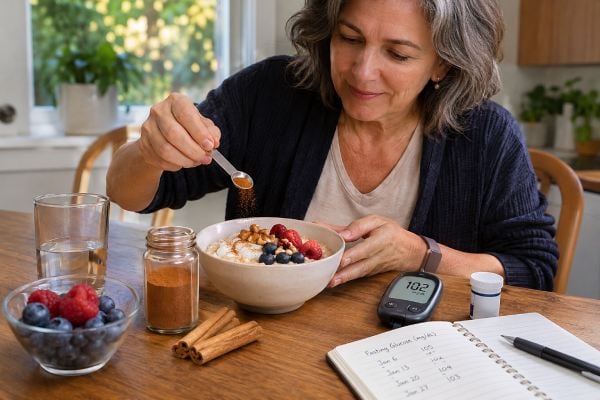
Cinnamon may modestly improve fasting blood sugar and some other metabolic markers in people with type 2 diabetes, but it is not a substitute for diabetes treatment, weight management, exercise, or a heart-healthy diet. Studies are mixed because cinnamon products differ by species, dose, preparation, and duration, and many trials are small. The strongest recent reviews suggest possible improvements in fasting glucose and HbA1c, while effects on LDL cholesterol, triglycerides, and blood pressure are less consistent.
The heart connection matters because chronically high blood sugar, insulin resistance, high blood pressure, and abnormal blood lipids often travel together and raise cardiovascular risk. Cinnamon may affect a few of these markers, but there is no good evidence that taking cinnamon prevents heart attacks or strokes. Food-level use is generally safe, while concentrated supplements deserve more caution, especially because cassia cinnamon can contain substantial coumarin, a compound that may harm the liver in susceptible people. The practical goal is to use cinnamon as a flavoring or optional adjunct—not as a medication replacement.
Table of Contents
- What the Evidence Shows for Blood Sugar
- How Blood Sugar Connects to Heart Risk
- Effects on Cholesterol and Blood Pressure
- Ceylon vs Cassia Cinnamon
- How Much Cinnamon to Use
- Safety, Medications, and Liver Risk
- Best Ways to Use Cinnamon in a Heart-Healthy Diet
What the Evidence Shows for Blood Sugar
Recent meta-analyses suggest cinnamon supplementation can improve some measures of glycemic control in people with type 2 diabetes, but the size and reliability of the effect vary. A 2023 updated systematic review of randomized trials reported reductions in fasting blood sugar, HbA1c, and insulin-resistance measures. A 2024 review also found improvements in several metabolic markers, but study quality and heterogeneity remain important limitations.
That means cinnamon is better described as a possible adjunct than a proven glucose-lowering therapy. A result that is statistically significant across many small trials does not automatically mean every person will notice a clinically meaningful change.
There are several reasons studies differ:
- Some use cassia cinnamon, others use Ceylon cinnamon, and some do not clearly identify the species.
- Doses range from food-like amounts to several grams per day.
- Some studies use powder while others use extracts.
- Participants start with different HbA1c and fasting glucose levels.
- Trial duration ranges from weeks to a few months.
- Diabetes medications and background diets vary.
Cinnamon should therefore sit far below proven strategies such as prescribed glucose-lowering medication, weight reduction when needed, physical activity, adequate sleep, and a dietary pattern rich in minimally processed plants and appropriate protein.
It also helps to understand what the common glucose measurements mean. Fasting glucose is a snapshot after an overnight fast, so it can move with sleep, illness, stress, medication timing, or what happened the previous day. HbA1c reflects average glucose exposure over roughly the previous two to three months, although conditions that affect red blood cells can make it less reliable. A short cinnamon trial might improve fasting glucose without producing a meaningful HbA1c change simply because the intervention is brief or the effect is small. Conversely, a modest HbA1c change is more useful when it is repeated in well-designed trials and occurs alongside appropriate treatment rather than in place of it.
This is one reason not to judge cinnamon by a few home glucose readings. If you already monitor blood sugar, keep the rest of your routine as steady as practical and look for trends over time. If your readings improve substantially, do not automatically reduce medication; glucose-lowering treatment may need clinician-guided adjustment to avoid hypoglycemia.
If you have prediabetes or diabetes, the broader link between blood sugar control and heart risk is more important than whether one spice lowers fasting glucose by a small amount.
How Blood Sugar Connects to Heart Risk
Persistently elevated blood sugar can damage blood vessels and is closely linked with other cardiovascular risk factors. People with type 2 diabetes often also have high blood pressure, elevated triglycerides, low HDL cholesterol, excess abdominal fat, fatty liver disease, or higher levels of atherogenic particles.
The heart-risk issue is not simply “sugar in the blood.” Insulin resistance can affect liver fat production, triglyceride-rich lipoproteins, inflammation, endothelial function, and blood pressure regulation. Over time, diabetes increases the risk of coronary artery disease, stroke, heart failure, kidney disease, and peripheral artery disease.
That is why improving HbA1c is useful but not sufficient. A strong cardiovascular plan also addresses LDL cholesterol, blood pressure, smoking, physical activity, kidney health, sleep, and body weight when relevant.
For someone with insulin resistance, a dietary pattern matters far more than a teaspoon of cinnamon. Meals built around vegetables, beans, lentils, whole grains, nuts, seeds, fish or other lean proteins, and unsaturated fats can improve multiple risk factors at once. The guide to insulin resistance and heart risk explains how these pieces fit together.
Cinnamon can still be useful because it makes lower-sugar foods more appealing. It adds sweetness-associated aroma without adding sugar, which can help with oatmeal, plain yogurt, coffee, fruit, or baked foods. That indirect benefit may be more dependable than expecting a supplement-like pharmacologic effect.
Effects on Cholesterol and Blood Pressure
Cinnamon has been studied for lipid levels and blood pressure because these commonly overlap with diabetes. The results are mixed.
A 2023 umbrella meta-analysis found small average improvements in total cholesterol, LDL cholesterol, and HDL cholesterol across prior meta-analyses, but not a clear triglyceride benefit. A 2024 meta-analysis of randomized trials found no significant overall effect on LDL or total cholesterol, while triglycerides improved modestly. Differences by dose and study design make the findings hard to translate into a single recommended amount.
Blood-pressure evidence is similarly variable. Earlier meta-analyses suggested small reductions in systolic and diastolic pressure under some conditions. A 2024 umbrella review concluded that the overall evidence remains inconsistent across prior meta-analyses.
This is important because modest changes in surrogate markers are not the same as evidence that cinnamon reduces cardiovascular events. There are no large, definitive trials showing that cinnamon supplements prevent heart attacks, strokes, or cardiovascular death.
If LDL is high, proven interventions deserve priority. These include replacing saturated fat, increasing viscous soluble fiber, considering plant sterols when appropriate, and taking lipid-lowering medication when indicated. See high LDL cholesterol for a more evidence-based treatment framework.
If blood pressure is high, cinnamon should not replace sodium reduction, a DASH-style eating pattern, exercise, weight management, or medication. The DASH diet for blood pressure has substantially stronger evidence than spice supplementation.
Ceylon vs Cassia Cinnamon
The type of cinnamon matters most for safety, especially if you use it daily in gram-level amounts.
Cassia cinnamon is the common, stronger-flavored cinnamon sold in many supermarkets. It naturally contains more coumarin, a plant compound that can cause liver injury in susceptible people when exposure is high enough over time.
Ceylon cinnamon, sometimes called “true cinnamon,” generally contains much less coumarin. It has a lighter, more delicate flavor and is often more expensive.
The difference does not mean cassia is unsafe as a normal culinary spice. Small amounts used occasionally in food are generally not a concern for most people. The issue is repeated high intake—such as taking teaspoon-sized doses every day or using concentrated cassia supplements for months.
Product labeling can be confusing. A jar may simply say “cinnamon” without naming the species. If you plan to use cinnamon daily in larger food amounts, choosing a product clearly labeled Ceylon cinnamon can reduce coumarin exposure.
Do not assume Ceylon cinnamon is automatically more effective for blood sugar. Many clinical trials do not allow a clean species-to-species comparison. The main reason to prefer Ceylon for frequent high culinary intake is its lower coumarin content, not proven superior glucose control.
How Much Cinnamon to Use
There is no universally established medical dose of cinnamon for diabetes or cardiovascular prevention. Clinical trials have used a wide range, often around 1 to several grams per day, but that does not create an official treatment dose.
For everyday cooking, 1/4 to 1/2 teaspoon is a reasonable starting amount in a meal, and many people can use up to about 1 teaspoon across the day without needing to treat it like a supplement. If you use cinnamon every day in larger quantities, Ceylon is the more cautious choice because of coumarin.
Do not escalate the dose just because a study used more. Higher doses can increase gastrointestinal side effects and, with cassia products, coumarin exposure. More cinnamon has not been shown to produce a predictable dose-for-dose improvement in HbA1c.
Kitchen measurements are only approximate. A level teaspoon of ground cinnamon can weigh a few grams depending on how finely it is ground and how tightly it is packed, so teaspoons are not a precise way to reproduce a research dose. This matters most when someone tries to turn a culinary spice into a daily therapeutic regimen. Supplements can be even harder to compare because an extract may not be equivalent to the same number of milligrams of plain powder.
Also pay attention to what comes with the cinnamon. Cinnamon rolls, sweetened chai, cinnamon-sugar toast, flavored coffee drinks, and honey-heavy “remedies” can add enough refined carbohydrate or saturated fat to work against the goal. Cinnamon itself does not cancel the glucose effect of added sugar. Using the spice to make unsweetened or lightly sweetened foods taste better is a more useful strategy.
A food-first approach is easy:
- Add 1/4 teaspoon to oatmeal or overnight oats.
- Mix cinnamon into plain yogurt with berries.
- Dust it over apple or pear slices.
- Add it to coffee or unsweetened tea.
- Use it in bean chili, curries, stews, or roasted vegetables.
- Combine it with cocoa, ginger, cardamom, or vanilla to reduce reliance on added sugar.
If you use a capsule or extract, treat it as a supplement rather than “just a spice.” Check the species, dose, standardized compounds if listed, third-party testing, and the rest of the ingredient panel.
Safety, Medications, and Liver Risk
Food-level cinnamon is generally safe for most adults. Problems become more relevant with concentrated supplements or large daily amounts.
Liver risk: Coumarin in cassia cinnamon can affect the liver in sensitive people. People with existing liver disease, unexplained elevated liver enzymes, or regular use of other potentially liver-toxic products should avoid high-dose cassia unless a clinician specifically approves it.
Diabetes medication: If cinnamon does lower glucose for you, combining large supplemental amounts with insulin or glucose-lowering drugs could theoretically contribute to low blood sugar. The evidence does not suggest dramatic effects in most people, but monitoring is sensible if you start a supplement.
Blood-pressure medication: A small additive blood-pressure effect is possible. People taking several antihypertensive drugs should monitor readings rather than assuming dizziness or weakness is harmless.
Blood-thinning treatment: Cinnamon is sometimes promoted online as a “natural blood thinner,” but that is not a safe basis for self-treatment. If you take warfarin or another anticoagulant, discuss concentrated cinnamon products with your clinician or pharmacist because supplement composition is variable and bleeding risk depends on the full medication picture.
Pregnancy and breastfeeding: Culinary amounts are generally different from concentrated supplement doses. Avoid treating cinnamon as a high-dose therapeutic supplement during pregnancy unless your obstetric clinician recommends it.
Allergy and irritation: Cinnamon can irritate the mouth, skin, or gastrointestinal tract in some people. Essential cinnamon oil should not be swallowed as a substitute for ground cinnamon.
Also avoid the “cinnamon challenge” or any attempt to swallow spoonfuls of dry powder. Fine cinnamon powder can be inhaled into the lungs and cause serious respiratory injury.
Supplement quality deserves attention too. Herbal products can vary in species, concentration, contaminants, and whether the label accurately reflects the contents. A product that lists only a proprietary blend makes it harder to know how much cinnamon you are actually taking. Third-party certification does not prove that cinnamon lowers glucose, but it can provide some reassurance that a supplement was tested for identity and manufacturing quality.
Stop a concentrated product and seek medical advice if you develop symptoms that could suggest liver trouble, such as unusual fatigue together with dark urine, persistent nausea, right-upper-abdominal discomfort, or yellowing of the skin or eyes. These symptoms have many possible causes and are not specific to cinnamon, but they should not be ignored—especially if you have been using high-dose cassia or several supplements at once.
The safest rule is simple: normal cooking amounts are one thing; gram-level daily supplementation is another. The more concentrated the product, the more you should treat it like a biologically active supplement.
Best Ways to Use Cinnamon in a Heart-Healthy Diet
The best cardiovascular use of cinnamon is as a flavor tool that helps you improve the meal around it.
At breakfast, use cinnamon with oats, berries, nuts, and unsweetened milk or soy milk rather than pairing it with sugary cereal. Oats add beta-glucan fiber, while nuts and seeds provide unsaturated fats. The cinnamon makes the meal taste sweeter without requiring much added sugar.
For snacks, plain yogurt with cinnamon and fruit is a better cardiometabolic choice than a sweetened dessert yogurt. For coffee, cinnamon may help some people reduce flavored syrups or sugar, although it does not neutralize sugar already added.
In savory food, cinnamon works in lentil dishes, bean chili, Moroccan-style stews, curries, roasted squash, and tomato-based sauces. This is a useful way to connect the spice with high-fiber foods rather than treating it as a supplement ritual.
If your main issue is elevated blood sugar, prioritize the changes with the largest effect: carbohydrate quality and portions, weight loss when appropriate, regular movement, enough sleep, and medication adherence. A short walk after meals can improve post-meal glucose and is often more actionable than experimenting with multiple supplements. See walking after meals for the blood-sugar and triglyceride benefits.
Track outcomes that matter. If you have diabetes, follow your glucose plan and repeat HbA1c at the interval your clinician recommends. If you are using cinnamon as part of a cholesterol or blood-pressure strategy, monitor those numbers directly. Do not use how “healthy” a food feels as proof that it is changing risk.
A simple day might look like oats with berries and cinnamon at breakfast, a lentil or bean lunch, fruit and unsalted nuts for a snack, and vegetables with fish, tofu, or another lean protein at dinner. Cinnamon can appear once or twice where it improves flavor; it does not need to be in every meal. This keeps the focus on the dietary pattern rather than on chasing a larger spice dose.
If you choose to test a supplement despite the uncertainty, change one thing at a time and keep your usual medications stable unless your clinician changes them. Record the product, species if known, dose, start date, home glucose or blood-pressure trends, and any side effects. That makes the experiment more interpretable and gives your clinician useful information if a reading shifts.
Cinnamon can be a helpful addition because it is flavorful, low in calories, and easy to use. The evidence supports cautious interest, not miracle claims. Use it mainly as a spice, favor Ceylon for frequent high culinary intake, be careful with concentrated supplements, and keep the focus on the proven treatments that reduce cardiovascular risk.
References
- The effect of cinnamon supplementation on glycemic control in patients with type 2 diabetes mellitus: An updated systematic review and dose-response meta-analysis of randomized controlled trials 2023 (Systematic Review)
- Effects of cinnamon supplementation on metabolic biomarkers in individuals with type 2 diabetes: a systematic review and meta-analysis 2024 (Systematic Review)
- The effect of cinnamon consumption on lipid profile, oxidative stress, and inflammation biomarkers in adults: An umbrella meta-analysis of randomized controlled trials 2023 (Umbrella Review)
- Effect of cinnamon supplementation on blood pressure, oxidative stress, and inflammatory biomarkers in adults: An umbrella review of the meta-analyses of randomized controlled trials 2024 (Umbrella Review)
- Effects of Cinnamon Supplementation on Lipid Profile: A Systematic Review and Meta-Analysis of Randomized Controlled Trials 2024 (Systematic Review)
- FAQ on coumarin in cinnamon and other foods 2012 (Official Guidance)
Disclaimer
This article is for general education and does not replace diabetes, liver, or cardiovascular care. Do not stop or reduce prescribed glucose, blood-pressure, or cholesterol medication because you start using cinnamon. If you have liver disease, take anticoagulants, are pregnant, or plan to use concentrated cinnamon supplements, discuss them with a clinician or pharmacist first.