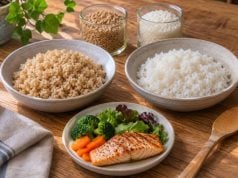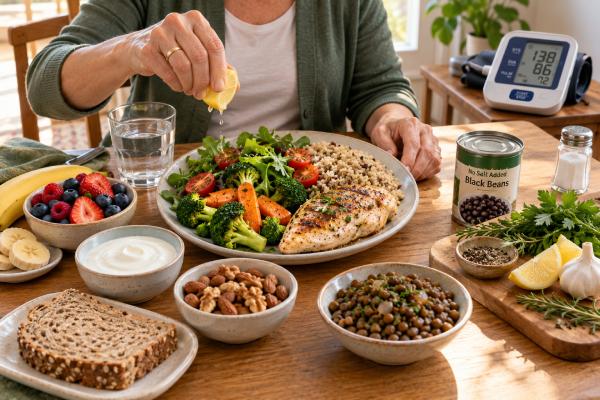
The DASH diet is one of the best-studied eating patterns for lowering blood pressure. DASH stands for Dietary Approaches to Stop Hypertension. Rather than focusing on a single “superfood,” it builds meals around vegetables, fruit, whole grains, beans, nuts, low-fat dairy, fish, poultry, and unsaturated fats while limiting sodium, sweets, sugary drinks, and foods high in saturated fat. This combination increases potassium, magnesium, calcium, fiber, and other nutrients that support healthy blood-vessel function.
Blood pressure can improve within weeks when people follow DASH consistently, and the effect is often larger when sodium intake is reduced at the same time. The diet is flexible enough to work with many cuisines and does not require calorie counting unless weight loss is also a goal. Still, DASH is not a substitute for prescribed blood pressure medicine when medication is needed. People with kidney disease, potassium restrictions, or certain medication regimens should also individualize the plan with a clinician or dietitian rather than aggressively increasing potassium on their own.
Table of Contents
- How the DASH Diet Lowers Blood Pressure
- What to Eat on the DASH Diet
- Why Sodium and Potassium Matter So Much
- A Practical One-Day DASH Meal Plan
- How to Make DASH Easier to Follow
- Who May Need to Modify the DASH Diet
- What Results to Expect and How to Track Them
How the DASH Diet Lowers Blood Pressure
DASH was designed as an overall dietary pattern, not as a temporary detox or a list of supplements. Its strength comes from changing several blood-pressure-related factors at the same time.
The pattern is naturally rich in potassium, which helps the body handle sodium and supports normal blood-vessel tone. It also supplies magnesium and calcium, minerals involved in vascular contraction and relaxation. High-fiber plant foods can improve satiety, glucose regulation, and overall diet quality. Replacing foods high in saturated fat with nuts, seeds, fish, and plant oils may also support healthier lipids and vascular function.
Recent evidence continues to support the blood-pressure benefit. A 2023 systematic review and meta-analysis found that greater adherence to DASH was associated with lower systolic and diastolic blood pressure. A 2024 systematic review specifically examining sodium-restricted DASH diets likewise found meaningful blood-pressure reductions, reinforcing the idea that the pattern and sodium reduction can work together.
Current hypertension guidelines also recommend a heart-healthy dietary pattern such as DASH as part of treatment. That matters because diet is not just a wellness add-on: it is one of the standard non-drug strategies used alongside physical activity, weight management, sodium reduction, and medication when indicated.
How large is the effect? It varies. Someone with high starting blood pressure may see a larger drop than someone whose pressure is already near normal. Sodium intake, weight change, medications, age, kidney function, and how closely the eating pattern is followed also influence results. In controlled feeding studies, changes can appear within a few weeks, but real-world results are less uniform because people do not eat laboratory-prepared meals.
DASH should therefore be thought of as a blood-pressure-lowering pattern with additive effects, not a guaranteed number of millimeters of mercury. If you already have elevated readings, understanding what your blood pressure numbers mean helps put any diet-related change in context.
There is also an important evidence distinction. DASH clearly improves risk factors, especially blood pressure. However, a 2025 Cochrane review found that randomized trials are still too limited to prove exactly how much the diet reduces heart attacks, strokes, or cardiovascular death over the long term. That does not erase the blood-pressure benefit; it simply means that evidence for hard clinical outcomes is less direct than the evidence for risk-factor improvement.
What to Eat on the DASH Diet
At roughly 2,000 calories per day, the traditional DASH framework emphasizes several food groups. Exact portions should be adjusted for body size, appetite, activity level, weight goals, and medical needs.
| Food group | Typical amount | Examples |
|---|---|---|
| Grains | 6–8 servings per day | Oats, brown rice, whole-grain bread, barley, whole-wheat pasta |
| Vegetables | 4–5 servings per day | Leafy greens, peppers, broccoli, carrots, tomatoes |
| Fruit | 4–5 servings per day | Berries, oranges, apples, bananas, melon |
| Low-fat or fat-free dairy | 2–3 servings per day | Milk, plain yogurt, lower-fat cheese |
| Lean meat, poultry, and fish | Up to 6 one-ounce servings per day | Fish, skinless chicken or turkey, lean meat |
| Nuts, seeds, dry beans, and peas | 4–5 servings per week | Walnuts, almonds, sunflower seeds, lentils, chickpeas |
| Fats and oils | 2–3 servings per day | Olive oil and other unsaturated plant oils |
| Sweets and added sugars | 5 or fewer servings per week | Small portions of sweets; limit sugary drinks |
These serving targets are a framework, not a requirement to count every bite. The simplest way to use DASH is to make most meals visibly plant-forward: fill about half the plate with vegetables and fruit, include a whole-grain or starchy plant food, and add a moderate serving of protein.
Choose whole grains more often than refined grains. Oatmeal, bulgur, brown rice, barley, quinoa, and whole-grain breads supply more fiber and minerals than highly refined alternatives. If you need practical ideas, heart-healthy whole-grain choices can make the transition easier.
Beans and lentils are especially useful because they provide fiber, potassium, magnesium, and plant protein with very little saturated fat. They can replace part or all of the meat in soups, tacos, pasta sauces, grain bowls, and salads. See ways to use beans and lentils for heart health if they are not already regular staples.
Dairy in the traditional DASH plan is generally low-fat or fat-free. Plain yogurt, milk, and other minimally sweetened options provide calcium and protein without adding much saturated fat. Sweetened yogurts can contain substantial added sugar, so compare labels rather than assuming every yogurt is equivalent.
DASH does not require avoiding meat. It favors smaller portions of lean poultry, fish, and lean cuts while reducing processed meats such as bacon, sausage, deli meats, and hot dogs. Processed meats are often major sodium sources as well as sources of saturated fat.
Why Sodium and Potassium Matter So Much
DASH and sodium reduction are closely linked, but they are not exactly the same thing. A person can eat many DASH-style foods and still consume a lot of sodium from restaurant meals, sauces, breads, canned foods, and packaged snacks.
The standard DASH plan has traditionally used a sodium limit of about 2,300 mg per day, with a lower target around 1,500 mg per day producing additional blood-pressure lowering in many people. Current guidelines emphasize reducing sodium intake, especially in adults with elevated blood pressure or hypertension.
The biggest sources are often not the salt shaker. Packaged and restaurant foods can contribute most of the sodium in a typical diet. Common examples include pizza, sandwiches, deli meat, soups, salty snacks, sauces, prepared frozen meals, and fast food. Learning how sodium affects high blood pressure can make label choices more meaningful.
A useful label rule is to compare similar products rather than chase a perfect number. A soup with 450 mg per serving is meaningfully different from one with 800 mg, even if neither is sodium-free. Rinsing canned beans and vegetables can also remove some surface sodium.
Potassium works from the other direction. Fruits, vegetables, legumes, potatoes, dairy, and many other minimally processed foods are naturally potassium-rich. Higher dietary potassium can support sodium excretion and healthier vascular tone. A 2025 dose-response meta-analysis of randomized trials found that increasing potassium lowered blood pressure, with a stronger response among people who had hypertension.
That does not mean everyone should take potassium supplements. High potassium can be dangerous when kidney function is impaired or when certain medications reduce potassium excretion. ACE inhibitors, angiotensin receptor blockers, potassium-sparing diuretics, and some other drugs can increase the risk of hyperkalemia in susceptible people. Food-based potassium is generally preferred unless a clinician recommends otherwise. For more detail, see potassium-rich foods and kidney-safety considerations.
The broader principle is balance: DASH reduces the sodium-heavy, highly processed foods that push blood pressure upward while increasing whole foods that provide potassium, magnesium, calcium, fiber, and unsaturated fats.
A Practical One-Day DASH Meal Plan
A DASH day does not need special products. Ordinary supermarket foods work well.
Breakfast: oatmeal cooked with low-fat milk, topped with berries and a tablespoon of chopped walnuts. Add cinnamon for flavor rather than relying on sugary instant oatmeal packets.
Lunch: a large salad with leafy greens, tomatoes, cucumber, peppers, chickpeas, and grilled chicken or tofu. Add a small whole-grain roll and dress the salad with olive oil, lemon, herbs, and a modest amount of salt.
Snack: plain yogurt with fruit, or an apple with a small handful of unsalted nuts.
Dinner: baked salmon, brown rice or quinoa, and two vegetables such as broccoli and roasted carrots. Use garlic, pepper, paprika, herbs, vinegar, citrus, or salt-free spice blends for flavor.
Dessert if desired: fresh fruit, or a small portion of another sweet food rather than making dessert the center of the meal.
This menu illustrates the pattern, but there is no single correct cuisine. DASH can be adapted to Mediterranean, Latin American, South Asian, East Asian, Middle Eastern, vegetarian, and many other food traditions. The key is to preserve the nutritional structure: more plants and minimally processed foods, less sodium and saturated fat, and fewer sugary drinks and sweets.
Vegetarian DASH is straightforward because beans, lentils, tofu, nuts, seeds, dairy, and whole grains can cover protein needs. A vegan version can also work, but calcium, vitamin B12, vitamin D, iodine, and protein deserve attention depending on the foods chosen.
Budget-friendly DASH is possible too. Frozen vegetables without salty sauces, canned beans labeled “no salt added” or rinsed before use, oats, brown rice, lentils, seasonal produce, canned fish, and store-brand plain yogurt can all fit. Frozen fruit and vegetables are nutritionally useful and may reduce waste.
For shopping, focus less on products labeled “heart healthy” and more on the ingredient list and nutrition label. Foods marketed as natural, organic, or plant-based can still be high in sodium or added sugar. A simple grocery cart built around produce, whole grains, beans, nuts, low-fat dairy, fish, and lean proteins usually gets closer to DASH than a cart full of specialty products.
How to Make DASH Easier to Follow
The most common mistake is trying to change everything overnight. DASH works best as a repeatable routine, not a short burst of perfect eating.
Start with two or three high-impact swaps. Replace one sugary drink with water or unsweetened tea. Add a vegetable to lunch and dinner. Choose an unsalted or lower-sodium version of a food you buy every week. Switch a refined grain to a whole grain. Use beans in place of some processed meat.
If sodium intake is currently very high, reduce it gradually. Taste buds adapt, and food can become more satisfying with less salt after several weeks. Acid and aromatics help: lemon, lime, vinegar, garlic, ginger, fresh herbs, chili, cumin, smoked paprika, and pepper can add intensity without relying solely on sodium.
Cooking at home more often makes sodium easier to control, but DASH does not require avoiding restaurants. Before ordering, look for grilled, baked, steamed, or roasted dishes; ask for sauces and dressings on the side; choose vegetables without salty toppings; and consider splitting very large entrées. Restaurant soups, sauces, cured meats, and mixed dishes are often the hardest sodium sources to estimate.
Meal preparation also reduces decision fatigue. Cook a batch of whole grains, wash and cut vegetables, prepare beans or lentils, and portion unsalted nuts. These basic components can become salads, bowls, wraps, soups, and side dishes throughout the week.
Do not confuse DASH with a low-carbohydrate diet. Fruit, legumes, low-fat dairy, and whole grains are central foods. The goal is better carbohydrate quality and overall dietary pattern—not eliminating an entire macronutrient.
Likewise, it is not necessarily a low-fat diet. Unsaturated fats from nuts, seeds, fish, avocado, and plant oils can fit. The main fat target is to reduce saturated-fat-heavy foods such as fatty processed meats, butter-heavy meals, and large amounts of full-fat dairy.
If packaged foods dominate your routine, reducing ultra-processed foods that can drive sodium intake is often a more realistic first move than counting every milligram from day one.
Who May Need to Modify the DASH Diet
DASH is broadly appropriate, but “healthy” does not mean identical for every medical situation.
Chronic kidney disease: Potassium and phosphorus needs can change as kidney function declines. A standard high-potassium DASH pattern may not be appropriate for someone who has hyperkalemia or has been told to restrict potassium. Individual advice from a kidney clinician or renal dietitian is important.
Heart failure: Sodium goals and fluid recommendations may be individualized. Some people also take medications that affect potassium. Do not assume that pushing potassium-rich foods or salt substitutes is automatically safe.
Diabetes: DASH is compatible with diabetes management, but carbohydrate quantity and medication timing still matter. Whole grains, fruit, beans, and dairy contain carbohydrates even when they are heart healthy. People using insulin or medicines that can cause low blood sugar may need a more structured meal plan.
Food allergies or intolerances: Dairy can be replaced with fortified alternatives when necessary, but nutrition labels matter. Some plant milks are low in protein or contain added sugar, and not all provide comparable calcium or vitamin D.
Underweight, frailty, or poor appetite: A very bulky high-fiber diet can make it difficult to consume enough calories or protein. More energy-dense foods such as nuts, nut butters, oils, avocado, and full portions of protein may be needed.
Pregnancy: A DASH-style diet can be nutritious, but pregnancy has additional nutrient and food-safety requirements. Blood pressure elevation during pregnancy also requires prompt medical evaluation because gestational hypertension and preeclampsia cannot be managed with diet alone.
Finally, persistent high blood pressure should not be self-treated only through food. Stage 2 hypertension, very high readings, or blood pressure accompanied by chest pain, severe headache, shortness of breath, neurologic symptoms, or vision changes needs medical attention. Diet helps reduce long-term risk, but it does not replace urgent care when symptoms suggest a hypertensive emergency, stroke, or heart problem.
What Results to Expect and How to Track Them
DASH can start lowering blood pressure within weeks, but the most useful measure is your average trend, not a single reading after a healthy meal. Blood pressure naturally changes with stress, sleep, exercise, caffeine, pain, bladder fullness, temperature, and time of day.
Use a validated upper-arm monitor at home if your clinician recommends home tracking. Sit quietly for about five minutes, keep your back supported and feet flat, place the cuff on a bare upper arm, and avoid talking during the measurement. Taking two readings about a minute apart at similar times on several days gives a much better picture than occasional checks.
If your average improves, keep the eating pattern going. DASH is not a treatment you “finish.” Its value comes from continued adherence.
If your pressure does not improve enough, look at the whole picture. Sodium may still be high. Alcohol intake, poor sleep, untreated sleep apnea, low activity, weight gain, stress, medication effects, kidney disease, and other conditions can all contribute. A clinician may also recommend medication even when lifestyle habits are excellent.
A useful goal is not dietary perfection but risk reduction from several directions at once. DASH can be paired with regular activity, adequate sleep, smoking cessation, appropriate weight management, and prescribed treatment. These effects can add up.
For many people, the most practical DASH strategy is simple: make vegetables and fruit routine, choose whole grains and legumes often, use low-fat dairy or suitable alternatives, favor fish and lean proteins, reduce processed and restaurant foods, and steadily bring sodium down. That pattern is easier to sustain than obsessing over isolated nutrients—and sustained habits are what influence blood pressure over the long term.
References
- 2025 AHA/ACC/AANP/AAPA/ABC/ACCP/ACPM/AGS/AMA/ASPC/NMA/PCNA/SGIM Guideline for the Prevention, Detection, Evaluation, and Management of High Blood Pressure in Adults: A Report of the American College of Cardiology/American Heart Association Joint Committee on Clinical Practice Guidelines 2025 (Clinical practice guideline)
- Dietary Approaches to Stop Hypertension (DASH) for the primary and secondary prevention of cardiovascular diseases 2025 (Cochrane systematic review)
- The blood pressure control effect of the sodium-restricted dietary approaches to stop hypertension diet: a systematic review 2024 (Systematic review)
- Impact of the Level of Adherence to the DASH Diet on Blood Pressure: A Systematic Review and Meta-Analysis 2023 (Systematic review and meta-analysis)
- Effects of Diet on 10-Year Atherosclerotic Cardiovascular Disease Risk (from the DASH Trial). 2023 (Randomized trial secondary analysis)
- DASH Eating Plan: Healthy Eating, Proven Results 2020 (National Heart, Lung, and Blood Institute resource)
Disclaimer
This article is for general education and is not a substitute for individualized medical or nutrition advice. If you have kidney disease, heart failure, diabetes, pregnancy-related blood pressure concerns, or take medicines that affect potassium, ask your clinician or dietitian how to adapt DASH safely. Very high blood pressure or new chest pain, shortness of breath, weakness, speech trouble, or other stroke-like symptoms requires urgent medical evaluation.