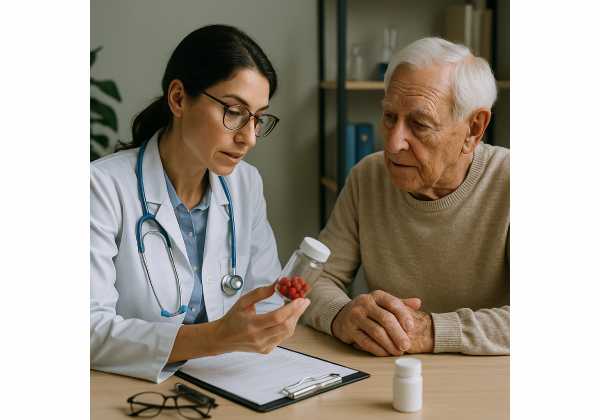
Rapamycin has become one of the most discussed drugs in longevity science because it acts on mTOR, a growth-and-repair pathway tied to nutrient sensing, immune aging, protein turnover, and cellular cleanup. In mice, rapamycin is one of the most reproducible lifespan-extending drugs ever tested. In humans, the evidence is far younger: small trials and systematic reviews suggest possible benefits for immune function, skin aging signals, and some healthspan measures, but no trial has shown that rapamycin extends human life.
That difference matters. Rapamycin is a real prescription drug, not a supplement. The same pathway that makes it interesting for aging also touches wound healing, infection defense, blood lipids, glucose control, fertility, and recovery from stress. The most sensible view today is cautious: rapamycin deserves serious research, but off-label use for longevity needs medical supervision, careful monitoring, and clear stopping rules.
Table of Contents
- What Rapamycin Does in Aging Biology
- Animal Evidence Is Strong but Not Human Proof
- Human Evidence Is Promising and Still Early
- Dosing Models: Daily Treatment, Weekly Pulses, and Rapalogs
- Risks, Side Effects, and Who Should Avoid Rapamycin
- Monitoring Before and During Off-Label Use
- How to Think About Rapamycin Today
What Rapamycin Does in Aging Biology
Rapamycin, also called sirolimus, inhibits a nutrient-sensing pathway called mechanistic target of rapamycin, or mTOR. mTOR helps cells decide when to grow, divide, make proteins, store nutrients, and slow cellular cleanup. When food, amino acids, insulin, and growth signals are abundant, mTOR activity rises. When nutrients are scarce or the body is under controlled stress, mTOR activity falls and repair pathways become more active.
The longevity interest centers mostly on mTOR complex 1, shortened to mTORC1. Lowering overactive mTORC1 signaling appears to mimic some effects of dietary restriction without requiring long-term calorie restriction. This partly overlaps with mTOR and AMPK signaling, the broader build-versus-repair switch that helps explain why eating, fasting, training, and recovery all affect cellular aging.
Rapamycin works by binding to FKBP12, a protein inside cells. That complex then inhibits mTORC1. With longer exposure or higher cumulative doses, rapamycin also affects mTOR complex 2, or mTORC2, in some tissues. This distinction matters because mTORC1 inhibition is the main target for longevity research, while mTORC2 disruption is linked to some unwanted metabolic effects, including insulin resistance in certain settings.
mTOR is not “bad.” Older adults still need muscle protein synthesis, immune responses, wound repair, bone maintenance, and recovery from exercise. A healthy longevity strategy does not keep growth signals suppressed all the time. It alternates between building and repair. That is one reason researchers pay attention to intermittent rapamycin dosing rather than simply copying the daily immunosuppressive schedules used in transplant medicine.
Rapamycin’s appeal comes from several aging-related mechanisms:
- Autophagy support: Lower mTORC1 activity promotes autophagy, the cell’s recycling process for damaged proteins and organelles. This is one of the main reasons rapamycin is discussed alongside autophagy and healthy aging.
- Immune remodeling: Aging immune systems often show weaker vaccine responses, chronic inflammation, and poor pathogen control. Low-dose mTOR inhibition has shown signals of improved immune function in older adults.
- Proteostasis: Cells need to build proteins accurately and clear damaged ones. mTORC1 influences both sides of that balance.
- Senescence signaling: Rapamycin does not remove senescent cells like a senolytic drug, but it influences the inflammatory secretions that some senescent cells release.
- Metabolic signaling: mTOR links amino acids, insulin, glucose, lipids, and energy status, which explains both the potential benefits and the metabolic risks.
Rapalogs are rapamycin-like drugs. Everolimus, temsirolimus, ridaforolimus, zotarolimus, and similar compounds were developed to improve delivery, patentability, tissue targeting, or use in specific diseases. Some are used in cancer care, organ transplantation, drug-eluting stents, or rare lung diseases. For longevity, rapamycin itself has drawn the most off-label attention, while everolimus and related compounds have been studied in immune-aging trials.
Animal Evidence Is Strong but Not Human Proof
Rapamycin has unusually strong animal data compared with most proposed longevity drugs. In 2009, the National Institute on Aging’s Interventions Testing Program reported that rapamycin extended lifespan in genetically diverse mice even when started late in life, around 600 days of age. That study mattered because it was run across multiple independent sites, used genetically mixed mice, and measured survival rather than a single biomarker.
Later studies strengthened the case. Rapamycin extended lifespan in several mouse strains, in males and females, and under different dosing schedules. Results vary by dose, sex, strain, age at start, and feeding method, but the overall signal has been consistent enough that rapamycin is often treated as a benchmark geroscience drug.
Animal studies also show why translation is difficult. A mouse lifespan trial finishes in a few years; a human lifespan trial takes decades. Mice live in controlled environments, eat controlled diets, and do not share the same disease mix, medication burden, stress exposure, or medical history as middle-aged and older adults. A drug that extends mouse lifespan by altering cancer incidence, immune patterns, or metabolism might not create the same survival effect in humans.
Animal dosing also does not convert neatly into human dosing. Rapamycin absorption, tissue levels, metabolism, and clearance differ across species. Even within humans, blood levels vary widely after the same milligram dose. That means the animal data support the biological idea, but they do not justify casual self-prescribing.
The most useful lesson from animal data is not that every adult should take rapamycin. It is that mTORC1 is a credible aging target. Rapamycin gives researchers a tool for testing whether aging biology responds to drug intervention in mammals. For readers trying to interpret claims, this distinction is central to understanding levels of evidence in longevity research: lifespan extension in mice is important, but human clinical outcomes decide medical use.
Human Evidence Is Promising and Still Early
Human rapamycin and rapalog research has moved from theory into early clinical testing, but the evidence remains limited. No completed trial has shown that rapamycin extends human lifespan, prevents dementia, prevents cardiovascular disease, or broadly slows biological aging in healthy adults. The strongest human signals involve immune function, tolerability of intermittent dosing, skin aging markers, and selected healthspan measures.
A 2024 systematic review of rapamycin and rapalogs in humans found evidence of improvements in some aging-related physiological domains, especially immune, cardiovascular, and skin-related outcomes. It also found gaps: studies were small, populations varied, drugs and doses differed, and many outcomes were short-term surrogate markers rather than hard clinical endpoints. That is common in emerging longevity research, where the gap between biomarkers and real-world outcomes remains one of the main challenges.
Low-dose everolimus trials in older adults are often cited because they suggested improved immune function and fewer infections in some settings. These findings are intriguing because high-dose mTOR inhibition is known for immunosuppression, while lower or intermittent mTORC1 inhibition might improve immune coordination in older people. The dose and schedule appear to change the effect.
The PEARL trial, published in 2025, added more direct evidence for intermittent rapamycin in healthy aging adults. It was a 48-week, randomized, double-blind, placebo-controlled trial using weekly compounded rapamycin at 5 mg or 10 mg. The study did not show a significant change in visceral fat, its primary outcome. Safety outcomes were generally reassuring over the study period, and some secondary outcomes improved, including lean tissue mass and self-reported pain in women using 10 mg weekly. Emotional well-being and general health scores also improved in the 5 mg group.
Those results support further study, not broad proof. PEARL was not large enough or long enough to answer whether rapamycin prevents major diseases or extends life. The study also used compounded rapamycin, and separate pharmacokinetic work suggests compounded and commercial products differ in bioavailability. This makes dose comparisons harder.
Human evidence currently supports four careful statements:
- Intermittent low-dose rapamycin has shown acceptable short-term safety in selected healthy adults under trial conditions.
- Some immune-aging and healthspan signals look encouraging.
- Effects differ by dose, sex, formulation, and baseline health status.
- Human longevity benefits remain unproven.
That last point should stay visible. Rapamycin is one of the most credible drug candidates in geroscience, but credible does not mean established.
Dosing Models: Daily Treatment, Weekly Pulses, and Rapalogs
Rapamycin dosing for approved medical uses is not the same as rapamycin dosing in longevity research. Transplant and rare disease protocols often use daily dosing and blood-level targets designed for disease control. Longevity protocols usually attempt lower, intermittent exposure to nudge mTORC1 without causing sustained immunosuppression or excessive mTORC2 effects.
No official longevity dose exists. Rapamycin is not approved as an anti-aging drug, and the doses discussed below are research and off-label models, not personal instructions.
| Model | Typical context | Rationale | Main concern |
|---|---|---|---|
| Daily sirolimus | Transplant medicine, lymphangioleiomyomatosis, selected disease uses | Sustained mTOR inhibition for a defined medical indication | Higher risk of immunosuppression, lipid changes, mouth ulcers, edema, and wound-healing problems |
| Once-weekly rapamycin | Off-label longevity practice and trials such as PEARL | Pulse mTORC1 inhibition while allowing recovery between doses | Unclear long-term benefit, variable blood levels, product differences |
| Short-course rapalog | Immune-aging studies using everolimus or related compounds | Improve immune function without chronic high exposure | Drug-specific effects do not automatically translate to rapamycin |
| Topical rapamycin | Skin-aging research and dermatology experiments | Target local skin effects with low systemic exposure | Skin irritation, uncertain long-term cosmetic and systemic outcomes |
The once-weekly model gets the most attention in healthy aging circles. In PEARL, participants received 5 mg or 10 mg weekly. Real-world off-label users often report weekly schedules, but real-world use is messy: people differ in age, body size, diet, medications, formulation, timing, and lab monitoring. A dose that produces modest blood levels in one person produces much higher exposure in another.
Pharmacokinetics—the study of how a drug moves through the body—matters with rapamycin. It has a long half-life, often described around 60 hours in stable clinical populations, so a weekly dose is not gone the next day. Blood levels rise and then decline over several days. Food changes absorption. Grapefruit juice strongly affects metabolism and should be avoided. Strong CYP3A4 and P-glycoprotein inhibitors or inducers change levels enough to create safety problems.
Formulation matters too. Recent real-world data comparing commercial and compounded rapamycin found that compounded products produced lower blood levels per milligram than commercial products in that dataset. That does not mean every compounded product is poor, but it does mean “5 mg” is not always the same exposure across products.
Timing around exercise, vaccination, illness, dental work, and surgery also deserves caution. Muscle growth and tissue repair need mTOR activity. People using rapamycin off-label often avoid dosing near major surgery, active infection, or unusually heavy training blocks, but these practices are not standardized. Older adults who are trying to preserve strength should treat strength training for longevity as foundational, not as something to suppress with poorly timed drug use.
Risks, Side Effects, and Who Should Avoid Rapamycin
Rapamycin has a long medical history, so its side effects are not mysterious. The uncertainty is how often those risks appear under low-dose intermittent use in otherwise healthy adults over many years.
Common or important adverse effects include:
- Mouth ulcers and stomatitis: Painful mouth sores are among the most recognizable rapamycin-related side effects.
- Digestive symptoms: Diarrhea, nausea, abdominal discomfort, and constipation occur in clinical use.
- Lipid changes: Total cholesterol, LDL cholesterol, ApoB-related risk, and triglycerides can rise.
- Glucose changes: Some people develop higher fasting glucose, altered insulin sensitivity, or worse glycemic control.
- Delayed wound healing: mTOR inhibition affects tissue repair, angiogenesis, and fibroblast activity.
- Infection risk: High-dose or continuous use suppresses immune function; low-dose intermittent use has a different profile, but active infection remains a reason for caution.
- Blood count changes: Anemia, low white blood cells, and low platelets are known risks.
- Edema: Fluid retention and swelling occur in some patients.
- Kidney and urine findings: Proteinuria and kidney-related concerns appear in prescribing information, especially in complex clinical settings.
- Lung toxicity: Noninfectious pneumonitis and interstitial lung disease are uncommon but serious concerns.
- Reproductive effects: Rapamycin carries embryo-fetal risk warnings, and male infertility has been reported with sirolimus use.
People should not treat these as theoretical issues. A longevity user is often healthier than a transplant patient, but healthier does not mean risk-free. The risk also changes when rapamycin is combined with other drugs, supplements, alcohol use, poor sleep, heavy training, infections, or surgery.
Rapamycin is especially inappropriate without specialist guidance for people who are pregnant, trying to conceive, breastfeeding, immunocompromised, dealing with active infection, healing from surgery, scheduled for surgery, experiencing unexplained mouth ulcers, or managing uncontrolled diabetes or severe lipid disorders. People with liver disease, significant kidney disease, proteinuria, a history of noninfectious pneumonitis, active cancer treatment, recurrent infections, or complex medication lists need careful medical review.
Drug interactions deserve special attention. Sirolimus is affected by CYP3A4 and P-glycoprotein pathways. Strong inhibitors such as clarithromycin, erythromycin, ketoconazole, itraconazole, voriconazole, and some HIV or hepatitis C drugs can raise rapamycin exposure. Strong inducers such as rifampin can lower exposure. Grapefruit juice is unsafe with sirolimus because it can increase blood levels. Cannabidiol has also been flagged in labeling as a potential exposure-raising interaction.
The most common mistake is thinking of rapamycin like a wellness supplement. It is a systemic prescription drug with a narrow enough safety profile to justify lab monitoring and medication reconciliation.
Monitoring Before and During Off-Label Use
Anyone considering off-label rapamycin for longevity should start with a clinician who understands the medication, the person’s risk profile, and the limits of the evidence. The discussion should cover why the person wants to use it, what outcomes they expect, what would count as failure, and when to pause or stop.
A practical baseline review usually includes medication interactions, infection history, surgery plans, fertility plans, dental issues, vaccine timing, cardiovascular risk, glucose status, kidney function, liver function, and cancer history. This is where working with clinicians on longevity goals becomes more than a formality.
Useful baseline labs often include:
- Complete blood count with differential
- Comprehensive metabolic panel, including liver enzymes and kidney markers
- Fasting lipid panel, ideally including ApoB or non-HDL cholesterol
- Fasting glucose, A1c, and fasting insulin when metabolic risk is present
- Urinalysis or urine albumin-to-creatinine ratio
- Blood pressure and body weight or waist measurement
- Optional baseline inflammatory markers when clinically appropriate
For lipid monitoring, ApoB and non-HDL cholesterol give a clearer view of atherogenic particle burden than LDL cholesterol alone, especially when triglycerides shift. That makes ApoB and non-HDL cholesterol especially relevant if rapamycin raises lipids. For metabolic monitoring, A1c, fasting glucose, and fasting insulin help detect movement toward insulin resistance before it becomes obvious. For renal safety, eGFR and urine albumin-to-creatinine ratio provide a better picture than serum creatinine alone.
Follow-up timing should be individualized, but a common medical logic is to recheck labs after a new steady pattern of use, then repeat every few months if continuing. New mouth ulcers, repeated infections, worsening acne or rash, unexplained cough, shortness of breath, swelling, bruising, poor wound healing, abnormal bleeding, or major lab changes should trigger a pause and medical review.
Blood rapamycin levels are not always used in off-label practice, but they are increasingly relevant. Because different formulations and individuals produce different exposure, a level can help explain side effects or unexpectedly weak exposure. The challenge is that longevity-specific target levels are not established. A transplant trough target should not be blindly applied to a healthy person taking weekly rapamycin for a different purpose.
A safe self-experiment has a written plan, baseline data, follow-up labs, symptom tracking, and stop rules. It also avoids stacking too many changes at once. Adding rapamycin at the same time as a new diet, intense exercise block, fasting plan, sauna routine, and multiple supplements makes results impossible to interpret. A more disciplined approach follows the principles of safe self-experimentation: change one major variable, track relevant outcomes, and stop when risk rises.
| Area | Why it matters | Signals to review promptly |
|---|---|---|
| Blood counts | Rapamycin can affect white cells, red cells, and platelets | Frequent infections, bruising, fatigue, abnormal CBC |
| Lipids | Sirolimus can raise cholesterol and triglycerides | Higher ApoB, non-HDL, LDL, or triglycerides |
| Glucose control | mTOR signaling interacts with insulin pathways | Higher fasting glucose, A1c, or insulin |
| Kidney and urine markers | Proteinuria and renal concerns are known safety issues | Lower eGFR, rising urine albumin, edema |
| Healing and infection | mTOR inhibition affects immune defense and tissue repair | Mouth ulcers, slow wound healing, repeated infections |
| Lung symptoms | Noninfectious pneumonitis is rare but serious | New cough, shortness of breath, chest discomfort |
How to Think About Rapamycin Today
Rapamycin sits in an unusual place. It has stronger animal longevity evidence than nearly any supplement and more mechanistic plausibility than most anti-aging claims. It also has real drug risks, no approved longevity indication, and no completed human trial showing longer life or fewer major age-related diseases.
A sensible hierarchy puts proven healthspan levers first: blood pressure control, ApoB reduction when needed, glucose control, resistance training, aerobic fitness, sleep treatment, smoking avoidance, dental care, vaccination, and social connection. Rapamycin should not distract from interventions that already reduce disease and disability.
The most reasonable candidates for future rapamycin research are not all adults over 40. Better trials will likely focus on defined groups: older adults with immune aging, people at high risk of specific age-related decline, adults with inflammatory or metabolic phenotypes that match the mechanism, or people with measurable outcomes such as vaccine response, physical function, body composition, skin markers, periodontal health, or frailty progression.
Several trial design issues still need answers:
- Which people benefit most: men, women, older adults, metabolically healthy adults, or people with specific risk patterns?
- Which schedule best separates mTORC1 benefits from mTORC2-related harms?
- Which outcomes best reflect real healthspan rather than short-term biomarker movement?
- How should rapamycin interact with exercise, protein intake, vaccines, surgery, and acute illness?
- Do commercial, compounded, and rapalog formulations produce meaningfully different outcomes?
A useful personal decision framework is simple. First, define the medical reason for interest. Second, measure the baseline risk factors that rapamycin might worsen. Third, review all medications and supplements for interactions. Fourth, decide in advance which changes would stop the experiment. Fifth, avoid interpreting subjective energy, mood, or pain changes as proof of slowed aging.
Rapamycin deserves respect because the science is real. It also deserves restraint because mTOR is woven into repair, immunity, metabolism, and reproduction. In 2026, the strongest position is neither hype nor dismissal. Rapamycin is a leading geroscience candidate with early human safety and healthspan signals, but it remains an investigational longevity strategy that belongs in clinician-guided care and well-designed trials, not casual DIY use.
References
- Targeting ageing with rapamycin and its derivatives in humans: a systematic review 2024 (Systematic Review)
- Influence of rapamycin on safety and healthspan metrics after one year: PEARL trial results 2025 (RCT)
- The bioavailability and blood levels of low-dose rapamycin for longevity in real-world cohorts of normative aging individuals 2025 (Cohort Study)
- Rapamycin, Not Metformin, Mirrors Dietary Restriction‐Driven Lifespan Extension in Vertebrates: A Meta‐Analysis 2025 (Meta-Analysis)
- Rapamycin fed late in life extends lifespan in genetically heterogeneous mice 2009 (Preclinical Study)
- SIROLIMUS tablet, film coated 2026 (Official Label)
Disclaimer
This article is educational and does not replace care from a qualified medical professional. Rapamycin is a prescription drug with meaningful risks, interactions, and monitoring needs, and it is not approved as a longevity treatment. Anyone considering off-label use should review personal risks, medications, labs, fertility plans, and surgery timing with a clinician.