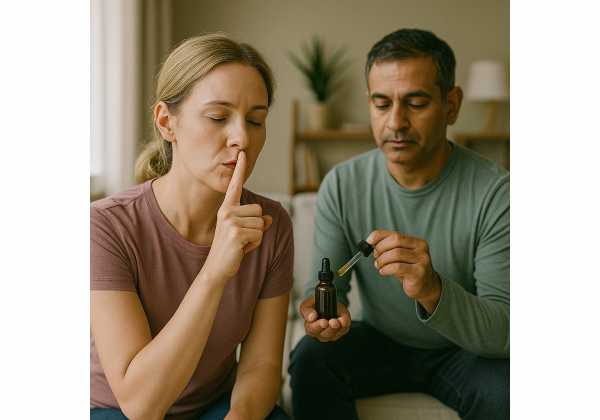
Safe self-experimentation turns personal health curiosity into a structured practice. Instead of changing sleep, fasting, supplements, exercise, sauna, caffeine, and tracking tools all at once, a safer approach tests one change, measures a few useful signals, and stops when the tradeoff becomes clear. Longevity experiments deserve this kind of structure because the benefits often appear slowly while the downsides—poor sleep, injury, anxiety, abnormal labs, medication interactions, or under-fueling—show up sooner.
A useful protocol does not need to look like a formal clinical trial. It needs a clear reason, a starting point, a planned dose, a tracking window, stop rules, and review dates. The safest experiments also include pauses. A pause is not failure. It protects recovery, reduces false conclusions, and gives the body time to show whether a change is truly helping.
Table of Contents
- Safe Self-Experimentation Defined
- Start With Baseline and Risk
- Write the Protocol Before You Begin
- Track Signals That Answer the Question
- Build In Pauses and Stop Rules
- Use Check-Ins Before, During, and After
- Common Longevity Experiments and Guardrails
- Turn Results Into Decisions
Safe Self-Experimentation Defined
Safe self-experimentation means testing a health change on yourself in a planned, limited, and reversible way. It sits between casual trial and error and formal research. You are not trying to prove a universal truth. You are trying to learn whether a specific change improves a specific outcome for you, with enough structure to reduce harm and confusion.
A good longevity experiment usually has four features:
- One main change: One supplement, one sleep timing shift, one training change, one meal pattern, or one recovery practice.
- A defined dose: A clear amount, schedule, intensity, or duration.
- A short review window: Often 2–8 weeks, depending on the intervention.
- A decision rule: Continue, adjust, stop, or bring the question to a clinician.
The safest mindset is conservative. Healthspan improves through repeatable behaviors, not constant novelty. The body adapts slowly, and many longevity signals fluctuate for reasons that have nothing to do with the experiment: travel, illness, menstrual cycle phase, work stress, alcohol, sleep debt, heat, dehydration, and measurement error.
Self-experimentation works best for low-risk lifestyle changes, such as adjusting meal timing, walking after dinner, improving bedtime consistency, or testing a new warm-up. It becomes more serious when the change involves medication, high-dose supplements, extreme fasting, intense heat or cold exposure, breath holds, hypoxia, heavy training loads, or changes that affect blood pressure, glucose, mood, heart rhythm, bleeding risk, kidney function, or liver function.
For a deeper structure, an N of 1 experiment uses repeated observation to compare your own response before, during, and sometimes after an intervention. That idea is useful even when you keep the experiment simple.
Self-experimentation should not replace medical care. It should make your observations cleaner, your questions sharper, and your decisions less impulsive.
Start With Baseline and Risk
A baseline is your “before” picture. Without it, improvement becomes guesswork. A baseline also protects you from chasing noise. One night of better sleep, one lower glucose reading, or one high HRV score rarely proves anything. A pattern over several days or weeks tells you much more.
For most longevity experiments, collect baseline data for 7–14 days before changing anything. Keep your routine steady during this period. Record the signals you plan to judge later, not every possible number.
Useful baseline questions include:
- What problem am I trying to improve?
- How often does it happen now?
- What is the usual range, not the best day?
- What would count as a meaningful improvement?
- What downside would make the experiment not worth it?
- Do I have a condition, medication, or history that raises risk?
A person with normal blood pressure who wants to walk after meals faces very different risk from a person on glucose-lowering medication who wants to fast for 24 hours. A healthy recreational lifter adding one set per exercise faces different risk from someone with recent back pain starting heavy deadlifts. Context changes the safety plan.
A basic longevity self-assessment helps separate curiosity from priority. The best first experiments usually address a real bottleneck: poor sleep regularity, low daily movement, high blood pressure readings, unstable energy, low protein intake, weak strength, or slow recovery.
Risk rises when an experiment has any of these features:
| Risk feature | Why it matters | Safer adjustment |
|---|---|---|
| High dose | Side effects often rise faster than benefits. | Start at the lowest reasonable dose or smaller behavior change. |
| Multiple changes at once | You cannot tell what helped or harmed. | Test one main variable at a time. |
| Long duration without review | Small harms accumulate quietly. | Set a review date before starting. |
| Medication or supplement interactions | Effects on bleeding, blood pressure, glucose, sleep, liver enzymes, or drug levels can become serious. | Review the plan with a clinician or pharmacist. |
| Extreme stressor | Fasting, heat, cold, hypoxia, and intense training all add recovery cost. | Use gradual exposure and avoid stacking stressors. |
Baseline also includes red flags. Chest pain, fainting, new neurological symptoms, unexplained weight loss, severe shortness of breath, black stools, new irregular heartbeat, severe depression, or sudden exercise intolerance should not become self-experimentation projects. They need medical evaluation. A structured list of longevity red flags is more useful than another tracking app when symptoms point beyond normal variation.
Write the Protocol Before You Begin
A protocol is a short written agreement with yourself. It reduces mid-experiment improvising, which is where many people get into trouble. A clear protocol also prevents “benefit creep,” where a small experiment turns into a bigger one because the first few days felt good.
Keep the protocol to one page. Write it before you buy products, change routines, or announce the plan to anyone. The act of writing exposes vague thinking.
The seven-part longevity protocol
Use this structure for most self-experiments:
- Question: What exact change am I testing?
- Reason: Why is this worth testing now?
- Baseline: What are my current numbers, symptoms, or habits?
- Intervention: What dose, timing, frequency, and duration will I use?
- Tracking: Which 2–5 signals will I record?
- Stop rules: What symptoms, numbers, or events end the experiment?
- Decision date: When will I review the result?
A protocol should include boring details. “Try sauna” is too loose. “Use sauna twice weekly for 10 minutes at a comfortable heat after strength training, hydrate beforehand, avoid alcohol that day, and stop for dizziness or unusual palpitations” is safer and easier to evaluate.
The same applies to supplements. “Try magnesium” is vague. “Take magnesium glycinate 100–200 mg elemental magnesium with dinner for 21 nights, track sleep onset, bowel changes, morning grogginess, and resting heart rate, and stop for diarrhea or unusual weakness” gives you something measurable.
Change one variable unless the package is the point
Some experiments naturally involve a package. A “sleep regularity” protocol might include a fixed wake time, morning outdoor light, and no caffeine after noon. A “Zone 2” protocol might include two weekly rides plus one recovery walk. That is acceptable when the package is the intervention.
Avoid combining unrelated changes. Starting berberine, intermittent fasting, sauna, cold plunges, and extra intervals in the same week creates a tangle. If glucose improves, you will not know why. If sleep worsens, every change becomes a suspect.
When the intervention comes from a study or podcast, translate it into your actual life. Population results do not guarantee personal benefit. Learning how to read health research helps you separate promising mechanisms from outcomes that matter to your body and daily function.
Pick a minimum effective dose
The minimum effective dose is the smallest change that gives useful feedback with low risk. It is especially important for hormetic stressors—exercise, heat, cold, fasting, altitude, breath work—because these practices rely on stress followed by recovery.
Examples:
- Add 10 minutes of post-meal walking before testing long fasts for glucose control.
- Add one strength set per movement before changing the entire training plan.
- Move caffeine cutoff from 4 p.m. to 2 p.m. before eliminating caffeine.
- Start sauna at 8–10 minutes before aiming for long sessions.
- Start time-restricted eating at 12 hours overnight before attempting 16:8.
A small dose gives clean information. A large dose often gives drama.
Track Signals That Answer the Question
Tracking should answer the experiment’s question, not become a second job. More data does not always mean better decisions. In longevity, the most useful signals often combine a subjective measure, a behavior measure, and one objective number.
For example, a sleep experiment might track bedtime, wake time, perceived sleep quality, daytime sleepiness, and resting heart rate. A glucose experiment might track meal timing, post-meal walking, energy, hunger, and glucose readings. A training experiment might track load, soreness, sleep, performance, and joint pain.
Wearables help with trends, but they are not judges. Sleep stages, calorie burn, readiness scores, and stress scores vary by device and algorithm. Treat wearable data as a pattern detector, not a diagnosis. For recovery experiments, resting heart rate and HRV often work best when compared with your own baseline, not someone else’s target.
| Experiment type | Primary outcome | Useful support signals | Common tracking mistake |
|---|---|---|---|
| Sleep timing | Daytime alertness and sleep regularity | Wake time, caffeine timing, resting heart rate | Overreacting to one poor sleep score |
| Post-meal walking | Post-meal glucose pattern or energy | Meal composition, walk duration, hunger | Changing meals at the same time |
| Strength progression | Performance without pain escalation | Sets, reps, RPE, soreness, sleep | Increasing volume and intensity together |
| Sauna or heat | Relaxation, sleep, tolerance | Hydration, dizziness, heart rate, next-day fatigue | Using duration as a badge of toughness |
| Supplement trial | Specific symptom, lab, or performance marker | Dose, timing, side effects, medication changes | Adding several supplements at once |
Use numbers where they clarify. A vague note such as “felt bad” is less useful than “energy 3/10 from 2–5 p.m., headache after second coffee, slept 5.8 hours.” A simple 0–10 scale works for energy, mood, pain, hunger, sleep quality, and soreness.
For blood pressure experiments, home measurement technique matters more than buying the most expensive cuff. Sit quietly, support the arm, use the same time of day, and take repeated readings. A focused guide to home blood pressure measurement helps avoid false alarms from poor technique.
For glucose experiments, context matters. A glucose spike after a meal looks different if it follows poor sleep, intense exercise, alcohol, illness, or a very large portion. A continuous glucose monitor is most useful when it teaches meal and activity patterns, not when it creates fear of normal glucose movement.
Build In Pauses and Stop Rules
A pause is a planned break that protects signal quality and safety. It gives your body time to recover and gives your data time to settle. Pauses are especially useful after stress-based interventions, supplement changes, travel, illness, poor sleep, or training spikes.
A pause is different from quitting. Quitting ends the experiment. A pause suspends it until conditions are stable enough to continue.
Use pauses when:
- You get sick.
- Sleep drops sharply for 2–3 nights.
- Resting heart rate stays unusually high.
- Motivation turns into compulsion.
- Joint pain changes your movement pattern.
- Work or travel stress disrupts baseline routines.
- You start, stop, or change a medication.
- You add another major life change that confuses the result.
Stop rules should be written before the experiment starts. They remove the need to negotiate with yourself when you are already invested.
Hard stop rules
End the experiment and seek appropriate medical care for severe or concerning symptoms, including chest pain, fainting, severe shortness of breath, sudden weakness or numbness, confusion, signs of allergic reaction, severe abdominal pain, black or bloody stools, new irregular heartbeat, or thoughts of self-harm.
For supplements or drugs, also stop for rash, facial swelling, jaundice, dark urine, severe nausea, unusual bleeding, severe dizziness, or any symptom that feels serious or unfamiliar.
Soft stop rules
Soft stop rules trigger a pause, dose reduction, or review. Examples include:
- Sleep quality drops by 2 points on a 0–10 scale for 3 nights.
- Resting heart rate rises 5–10 beats per minute above baseline for several days.
- HRV drops well below your normal range with fatigue.
- Joint pain rises above 3/10 during daily activity.
- Hunger, irritability, or cravings disrupt work or relationships.
- Training performance declines for a full week.
- Blood pressure readings repeatedly move into a higher range.
Soft stop rules work best when paired with a recovery plan. That might mean two rest days, a return to baseline diet, a lower training load, shorter sauna sessions, or stopping a supplement until symptoms settle. The same logic appears in recovery after hormetic stress: the benefit comes from adaptation, not from piling stress on top of stress.
Washout periods reduce confusion
A washout period is a break between interventions. It lets the effect of the first change fade before the next one begins. Washout is important for supplements, caffeine changes, sleep timing shifts, and training load changes.
A practical washout is often 1–2 weeks for lifestyle habits and longer for interventions with lingering effects. Some supplements, medications, and hormones require clinician guidance because effects and interactions vary widely.
Do not start a new experiment the day after ending a difficult one. If the first experiment caused fatigue, sleep disruption, digestive changes, or mood changes, your next baseline is not clean yet.
Use Check-Ins Before, During, and After
Check-ins keep self-experimentation from becoming isolated guesswork. They do not need to be complicated. A check-in asks whether the plan still makes sense, whether the signal is useful, and whether any risk has changed.
Before: screen the idea
Before starting, ask:
- Is this experiment trying to solve a real problem?
- Is the expected benefit worth the effort and risk?
- Is there a safer first step?
- Does this interact with a medication, diagnosis, pregnancy, surgery, or recent illness?
- Do I need baseline labs, blood pressure readings, or clinical advice?
Clinician input matters most when the experiment involves prescriptions, high-dose supplements, fasting with diabetes medication, blood pressure changes, kidney disease, liver disease, heart rhythm concerns, osteoporosis, eating disorder history, pregnancy, cancer treatment, autoimmune disease, or major psychiatric history.
A productive conversation is specific. Bring the protocol, the dose, the reason, the tracking plan, and the stop rules. The better prepared you are, the easier working with a clinician becomes.
During: review the trend, not the drama
During the experiment, schedule one brief weekly review. Look for patterns rather than single-day reactions.
Ask:
- Did I follow the protocol at least 80% of the time?
- Did the main outcome improve, worsen, or stay unchanged?
- Did any side effect appear?
- Did anything outside the experiment disturb the data?
- Do I need to pause, continue, or reduce the dose?
The 80% rule is useful because perfect adherence is rare. If you followed the plan only half the time, the result is weak. That does not mean you failed. It means the protocol was too demanding, poorly timed, or not important enough.
After: decide before chasing the next idea
At the decision date, summarize the experiment in plain language:
- What I tested
- What I expected
- What happened
- What downside showed up
- What I will do next
A good result does not always mean “do more.” If 10-minute walks after dinner improved glucose and digestion, 20 minutes might help, but 60 minutes might disrupt family time and sleep. If two sauna sessions improved relaxation, daily sauna might drain recovery.
The after-check-in should include one of four decisions:
| Decision | Use when | Next step |
|---|---|---|
| Keep | Benefit is clear, cost is low, and safety is acceptable. | Move it into routine and stop tracking intensely. |
| Adjust | Some benefit appears, but dose, timing, or burden needs refinement. | Run a smaller follow-up test. |
| Pause | Life stress, illness, poor adherence, or mixed signals cloud the result. | Return to baseline and retest later. |
| Stop | No meaningful benefit, side effects, high burden, or poor fit. | Document the lesson and move on. |
Common Longevity Experiments and Guardrails
Longevity self-experiments often cluster around metabolic health, exercise, sleep, recovery, supplements, and stress exposure. Each area has useful low-risk entry points and higher-risk versions that deserve caution.
Meal timing, fasting, and glucose
Safer entry points include eating a consistent breakfast, stopping late-night snacking, walking 10–20 minutes after meals, increasing protein at the first meal, and testing a 12-hour overnight eating break.
Higher-risk versions include long fasts, very low carbohydrate intake, fasted intense training, and fasting while taking glucose-lowering medication. These plans require extra care for people with diabetes, a history of eating disorders, pregnancy, frailty, low body weight, gout, kidney disease, or heavy training loads.
Track hunger, energy, sleep, mood, training performance, and glucose context. Weight is not enough. A fasting plan that reduces weight but worsens sleep, irritability, strength, or binge eating is not a healthspan win.
Training load and intensity
The safest training experiments progress one lever at a time: frequency, volume, intensity, density, or exercise complexity. Do not increase all five together.
A good strength protocol might add one set to two lifts for four weeks. A good aerobic protocol might add two Zone 2 sessions per week. A good interval protocol might start with four short repeats, not a full maximal workout.
Stop or reduce load when pain changes technique, soreness lasts more than 72 hours, sleep worsens, resting heart rate stays elevated, or performance drops across several sessions. After illness or injury, a cautious return to training beats testing willpower.
Heat, cold, and contrast
Heat and cold practices are stressors. Their benefit depends on dose, tolerance, and recovery. Start short, avoid extremes, and never combine them with dehydration, alcohol, illness, or sleep debt.
Sauna guardrails:
- Start with 8–10 minutes.
- Sit or lie down if lightheaded.
- Hydrate before and after.
- Avoid immediately after heavy alcohol intake.
- Stop for chest discomfort, faintness, or unusual palpitations.
Cold guardrails:
- Start with cool showers or brief exposure.
- Keep breathing controlled.
- Avoid breath holds in water.
- Stop for numbness, confusion, panic, chest pain, or loss of coordination.
- Use extra caution with heart disease, Raynaud’s, uncontrolled blood pressure, or cold urticaria.
Contrast therapy should not become a toughness contest. The best dose is the dose you recover from.
Sleep and circadian experiments
Sleep experiments work well because the inputs are clear and the feedback arrives quickly. Test one of these for 14–21 days:
- Fixed wake time
- Morning outdoor light
- Earlier caffeine cutoff
- Cooler bedroom
- Earlier dinner
- Evening screen boundaries
- Short wind-down routine
Track daytime alertness, sleep timing, naps, caffeine, alcohol, late meals, and morning mood. Do not let wearable sleep-stage data overrule how you function. If tracking increases anxiety, take the tracker off for a week and use a simple sleep diary.
Supplements and nutraceuticals
Supplement experiments need tighter guardrails than most people use. Supplements vary in quality, dose, ingredient form, and interaction risk. “Natural” does not mean low-risk.
Before starting:
- Write the exact product, dose, form, and brand.
- Check the Supplement Facts panel.
- Avoid proprietary blends when possible.
- Prefer third-party testing for higher-risk categories.
- Review medications and medical conditions.
- Start one supplement at a time.
- Set a stop date or review date.
Be extra careful with supplements that affect bleeding, sedation, blood sugar, blood pressure, thyroid function, hormones, liver enzymes, kidney function, or neurotransmitters. Examples include St. John’s wort, high-dose vitamin D, high-dose niacin, red yeast rice, kava, yohimbe, high-dose green tea extract, DHEA, lithium orotate, and multi-ingredient “fat burner” or “testosterone booster” products.
If you are using anticoagulants, antiplatelet drugs, diabetes medication, blood pressure medication, thyroid medication, antidepressants, seizure medication, transplant medication, or cancer therapy, review supplement plans with a clinician or pharmacist before starting.
Turn Results Into Decisions
The value of self-experimentation is not the spreadsheet. The value is a better decision. A finished experiment should either simplify your routine, sharpen your medical questions, or help you stop doing something that does not pay off.
Use three filters before keeping a change.
First, did the main outcome improve enough to matter? A tiny change in a wearable score is less important than better energy, lower home blood pressure readings, fewer glucose swings, improved training performance, or more consistent sleep.
Second, did the change create hidden costs? A protocol that improves one metric while worsening mood, digestion, relationships, sleep, or recovery deserves skepticism. Longevity habits need to survive real life.
Third, is the change sustainable without constant monitoring? The best experiments eventually disappear into routine. If a habit needs daily analysis to feel safe, it might not be a good long-term fit.
A simple scoring system helps:
| Score area | Question | Rate 0–2 |
|---|---|---|
| Benefit | Did the main outcome improve meaningfully? | 0 no, 1 slight, 2 clear |
| Safety | Were side effects absent or minor? | 0 concerning, 1 manageable, 2 clean |
| Burden | Was the habit easy enough to repeat? | 0 high burden, 1 moderate, 2 low |
| Fit | Did it support work, family, training, and sleep? | 0 poor, 1 mixed, 2 good |
A total of 7–8 supports keeping the change. A total of 4–6 supports adjusting or retesting. A total of 0–3 supports stopping.
Self-experimentation also teaches restraint. Many people discover that the most helpful changes are not exotic. They are consistent sleep timing, enough protein, walking after meals, sensible strength training, fewer late meals, better blood pressure technique, and planned recovery. The advanced tools work best after the basics are stable.
Keep a “lessons log” with short entries:
- “Late caffeine worsened sleep more than expected.”
- “Two weekly sauna sessions helped relaxation; four felt draining.”
- “Post-meal walking worked better than changing breakfast.”
- “Higher training volume improved strength for three weeks, then sleep dropped.”
- “Supplement had no clear benefit and caused digestive symptoms.”
Over time, this log becomes a personal playbook. It keeps you from repeating failed experiments and helps you notice which levers reliably improve your health.
Safe self-experimentation is patient. It respects biology, context, and recovery. It treats uncertainty honestly. It gives you room to learn without turning your body into a permanent project.
References
- Exploring human biology with N-of-1 clinical trials 2023 (Review)
- CONSORT extension for reporting N-of-1 trials (CENT) 2015 Statement 2015 (Guideline)
- Keeping Pace with Wearables: A Living Umbrella Review of Systematic Reviews Evaluating the Accuracy of Consumer Wearable Technologies in Health Measurement 2024 (Umbrella Review)
- Adult Activity: An Overview 2023 (Official Guidance)
- Questions and Answers on Dietary Supplements 2024 (Official Guidance)
- Pharmacological Interactions Between Nutritional Supplements and Prescription Medications in Older Adults: A Comprehensive Review 2025 (Review)
Disclaimer
This article is educational and does not replace care from a qualified clinician, pharmacist, registered dietitian, or other licensed professional. Self-experiments involving medications, supplements, fasting, intense exercise, heat, cold, chronic disease, pregnancy, abnormal symptoms, or abnormal lab results deserve professional guidance before starting or continuing.