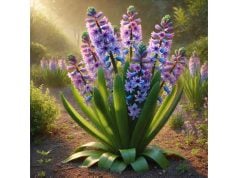
Hydrangea, scientifically known as Hydrangea macrophylla, is a flowering plant celebrated not only for its ornamental appeal but also for its traditional medicinal applications. Native to East Asia and commonly found in gardens worldwide, hydrangea has roots, leaves, and stems rich in bioactive compounds such as hydrangin, flavonoids, and phenolic acids. Traditionally, the plant has been used for its diuretic, anti-inflammatory, and detoxifying properties, often targeting kidney, urinary, and joint-related conditions. Modern research has begun to explore its antioxidant, antimicrobial, and potential immunomodulatory effects, providing a scientific lens to understand centuries-old herbal practices.
While hydrangea is often employed in the form of teas, extracts, or capsules, it is essential to approach its use with an understanding of both its benefits and potential risks. Its natural compounds may support kidney function, urinary health, and inflammation regulation, but dosage and preparation methods significantly influence efficacy and safety. Integrating hydrangea responsibly into wellness routines requires knowledge of its active components, recommended amounts, and precautions for sensitive populations.
Key Insights
- Hydrangea may support kidney function and urinary tract health.
- Contains antioxidant and anti-inflammatory compounds like hydrangin and flavonoids.
- Typical herbal dose ranges from 2 to 5 g of dried root per day.
- Avoid use if pregnant, breastfeeding, or with known kidney or liver disorders.
Table of Contents
- What Hydrangea is and what it contains
- Does Hydrangea support kidney and urinary health
- Anti-inflammatory and antioxidant properties
- How to use Hydrangea
- Recommended dosage and timing
- Side effects, interactions, and who should avoid it
- What the evidence says about Hydrangea
What Hydrangea is and what it contains
Hydrangea is a deciduous shrub belonging to the Hydrangeaceae family, widely cultivated for its vibrant blooms and traditional medicinal applications. Beyond its ornamental value, hydrangea contains several bioactive constituents that contribute to its pharmacological properties. The primary phytochemicals include hydrangin, a cyanogenic glycoside found mainly in the roots, flavonoids such as quercetin and kaempferol, and phenolic acids like chlorogenic acid. These compounds collectively support antioxidant activity, which helps neutralize free radicals, potentially mitigating cellular stress and inflammatory responses.
The roots are the most commonly used part in traditional medicine, typically dried and prepared as teas or decoctions. Leaf extracts are also sometimes used in folk remedies for their diuretic effects, which have applications in managing mild fluid retention and supporting urinary tract health. Hydrangea’s bitter taste and slightly sweet undertone in certain preparations are considered to indicate its detoxifying and cooling properties according to traditional herbal systems.
Hydrangea’s phytochemistry allows it to exert several overlapping biological effects. Flavonoids provide anti-inflammatory benefits by modulating pathways such as NF-kB, while phenolic acids enhance its antioxidant potential. Hydrangin may contribute to the herb’s diuretic activity, though it must be used with caution due to its cyanogenic nature if consumed in large, unprocessed amounts. Because of this complex chemical profile, hydrangea is typically utilized as part of carefully prepared herbal formulations rather than as a simple single-dose remedy.
Its biochemical composition positions hydrangea as a promising candidate for supporting kidney, urinary, and mild inflammatory conditions. Modern research has started to elucidate these mechanisms, confirming that while the plant has potential, its active components require precise preparation to maximize benefits while minimizing risk.
Does Hydrangea support kidney and urinary health
Hydrangea has a long history of use in traditional medicine systems, especially in East Asia, as a supportive herb for kidney and urinary tract health. Its primary actions in this context are largely attributed to its diuretic and anti-inflammatory properties. Diuretic effects promote increased urine output, potentially assisting in flushing out small deposits, mild urinary irritants, or accumulated fluids. This action can support kidney function and overall urinary tract maintenance, although it is not a substitute for medical interventions in acute infections or severe kidney disease.
Several studies indicate that hydrangea extracts can reduce inflammation in urinary tissues. Flavonoids and hydrangin appear to modulate inflammatory pathways and oxidative stress markers, which are relevant in conditions like mild cystitis or kidney-related discomfort. By reducing oxidative stress in renal cells, hydrangea may help maintain cellular integrity and support normal kidney function. Its traditional classification as a “cooling” herb aligns with this modern understanding, as it appears to relieve minor inflammation and irritation within the urinary system.
Hydrangea is often incorporated into combination formulations, pairing it with other herbs that target urinary or kidney health. These combinations aim to enhance its diuretic and detoxifying effects while balancing its bitter taste and potential mild cyanogenic compounds. One common approach in traditional practice is to use a lower root dose over several days or weeks, allowing for gradual benefits while monitoring tolerance. Hydrangea may also complement lifestyle measures, such as hydration and reduced sodium intake, to support optimal kidney and urinary function.
Although promising, hydrangea should not replace conventional care for conditions like urinary tract infections, kidney stones, or chronic kidney disease. Its use is most appropriate for mild, preventive, or supportive purposes. People interested in hydrangea for urinary support are advised to seek formulations from reputable sources, ensuring standardized preparation to maintain efficacy and safety.
Anti-inflammatory and antioxidant properties
Hydrangea is rich in bioactive flavonoids and phenolic acids, which provide notable antioxidant and anti-inflammatory effects. These compounds work by scavenging free radicals, reducing oxidative stress, and modulating inflammatory signaling pathways. Quercetin, kaempferol, and chlorogenic acid are among the key flavonoids identified in hydrangea, each contributing to reduced cellular inflammation and protection against oxidative damage.
Laboratory studies suggest that hydrangea extracts can suppress pro-inflammatory cytokines such as TNF-α and IL-6 while enhancing antioxidant enzyme activity, including superoxide dismutase and catalase. These effects are particularly relevant in tissues prone to oxidative stress, including renal, hepatic, and vascular systems. Additionally, hydrangea may help regulate immune responses, potentially balancing overactive inflammatory reactions without causing immunosuppression.
Traditionally, hydrangea has been used to support joint and musculoskeletal health, often in combination with other herbs. Its anti-inflammatory properties provide a rationale for its use in mild arthritic discomfort, edema, or tissue inflammation. In urinary or kidney contexts, the anti-inflammatory effect complements its diuretic action, helping to soothe irritated mucosa and potentially reducing discomfort associated with minor renal inflammation.
Furthermore, antioxidant activity contributes to cellular protection. By neutralizing free radicals, hydrangea may help prevent oxidative injury in renal tissue and support metabolic resilience. While these mechanisms are promising, it is important to note that most research has been conducted in vitro or in animal models. Human studies remain limited, so while the biochemical potential is strong, clinical outcomes may vary.
Overall, hydrangea’s combination of anti-inflammatory and antioxidant properties provides a mechanistic foundation for its traditional applications. When used appropriately, these effects may enhance kidney function, support urinary tract health, and offer mild systemic protection against oxidative stress.
How to use Hydrangea
Hydrangea is commonly used as a dried root, tea, tincture, or capsule extract. Traditional preparation typically involves simmering the dried root in water to make a decoction. The resulting tea may be consumed in divided doses throughout the day, which allows the active compounds to be absorbed gradually while minimizing gastrointestinal irritation.
Capsules or powdered extracts provide convenience and standardized dosing, but it is essential to select reputable products to ensure consistency in active compound content. Tinctures or fluid extracts are another option, often standardized to flavonoid content, which can facilitate precise dosing. Hydrangea leaves are sometimes used in teas for mild diuretic effects, though they are generally less potent than root preparations.
The timing and form depend on the intended benefit. For kidney and urinary support, the root decoction or standardized extract is preferred. For antioxidant or anti-inflammatory purposes, capsules and tinctures allow for higher, controlled intake of flavonoids and phenolic compounds. Hydrangea is often used in combination with other herbs to enhance efficacy and balance taste or side effects. For example, pairing with mildly warming herbs can counteract its naturally bitter and cooling profile.
Preparation considerations:
- Decoctions: 3–5 g dried root per 150–250 mL water, simmered 10–15 minutes.
- Capsules: Follow manufacturer’s standardized flavonoid content instructions.
- Tinctures: Typically 1–2 mL, 2–3 times daily, depending on concentration.
- Teas from leaves: Mild, occasional use for diuretic support.
Hydrangea is most effective when prepared consistently and consumed in controlled doses. It is not recommended to use fresh or unprocessed plant material in large quantities due to potential cyanogenic glycosides, which can be harmful if consumed excessively.
Recommended dosage and timing
For traditional hydrangea root use, the typical adult dose ranges from 2 to 5 g of dried root per day, divided into 1–2 doses. Decoctions are usually prepared daily, consumed warm, and spaced evenly across the day for steady absorption. Capsules and standardized extracts vary based on flavonoid concentration; therefore, it is essential to follow product-specific instructions.
Short-term use, often 1–2 weeks, is common for acute diuretic or mild inflammatory support, while preventive or chronic applications may extend to several weeks with periodic evaluation. Consistency is key, as irregular or sporadic intake can reduce therapeutic benefit and may increase risk of side effects if higher doses are taken intermittently.
Hydrangea’s effect is influenced by preparation method:
- Decoction: allows gradual extraction of hydrangin and flavonoids.
- Capsules: provides stable, standardized flavonoid dosage.
- Tinctures: concentrated, convenient for dosing with precision.
Because of variability in active compound content, beginners should start at the lower end of the recommended range, observe tolerance, and adjust gradually. Hydrangea should not exceed the upper end of the dosage range without professional supervision, particularly for individuals with renal or hepatic sensitivity.
Side effects, interactions, and who should avoid it
Hydrangea is generally well-tolerated when used within recommended doses. Mild side effects may include nausea, digestive upset, or diarrhea. Excessive consumption can lead to cyanogenic toxicity due to compounds like hydrangin in unprocessed root material, emphasizing the importance of proper preparation.
Potential interactions include:
- Medications affecting kidney function or diuretics.
- Immunosuppressive therapies, due to potential modulation of immune pathways.
- Certain flavonoid-sensitive medications, which may alter absorption or metabolism.
Individuals who should avoid hydrangea include:
- Pregnant and breastfeeding women.
- People with kidney disease or compromised renal function.
- Those with liver dysfunction or chronic hepatic conditions.
- Individuals taking multiple prescription medications without medical supervision.
Monitoring for any signs of adverse reactions is crucial. Symptoms such as persistent gastrointestinal upset, dark urine, unusual fatigue, or jaundice require immediate discontinuation and professional consultation.
What the evidence says about Hydrangea
Scientific studies support hydrangea’s diuretic, anti-inflammatory, and antioxidant properties. Preclinical research demonstrates that hydrangea extracts reduce inflammatory cytokines and oxidative stress markers in renal and urinary tissues. Flavonoids and phenolic compounds provide mechanistic insight into its traditional use for kidney and urinary health.
Clinical evidence is limited but indicates potential benefits for mild urinary discomfort and edema. Human studies suggest that standardized extracts are better tolerated and more effective than unprocessed roots, reinforcing the importance of controlled preparation. However, large-scale randomized trials are scarce, and most findings derive from laboratory or animal models.
The current evidence validates hydrangea as a supportive herb rather than a standalone therapy. Its primary strengths lie in preventive and mild symptomatic contexts, complementing lifestyle interventions and other herbal or medical treatments for kidney and urinary tract health.
References
- Phytochemistry and pharmacological activities of Hydrangea macrophylla: A systematic review 2019 (Systematic Review)
- Hydrangea macrophylla extracts exhibit antioxidant and anti-inflammatory effects in vitro and in vivo 2019 (Experimental Study)
- Traditional and modern therapeutic uses of Hydrangea macrophylla in urinary and kidney health 2020 (Review)
- Safety evaluation of Hydrangea macrophylla root extracts in animal models and humans 2020 (Safety Study)
- Flavonoid and phenolic profiles of Hydrangea macrophylla and their biological activities 2019 (Analytical Study)
Disclaimer
This article is for educational purposes only and is not medical advice. Hydrangea macrophylla contains bioactive compounds with potential kidney, urinary, and anti-inflammatory benefits, but it should not replace professional medical care. People who are pregnant, breastfeeding, have kidney or liver disease, or take prescription medications should consult a qualified healthcare provider before using hydrangea. Always follow recommended doses and preparation methods to reduce the risk of side effects.
If you found this article useful, please share it on Facebook, X, or your preferred platform to help others access accurate herbal health guidance.