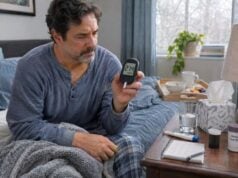
Dehydration can push blood sugar upward, particularly in people with diabetes. The link also runs the other way: when glucose climbs high enough, the kidneys pass some of it into the urine, and water follows. You may end up feeling thirsty even though you are making more trips to the bathroom. That combination is worth watching, especially if it starts without an obvious trigger such as a long stretch in the heat.
A higher reading on a warm day can have several explanations. You may have lost fluid through sweat, just finished eating, or pushed hard during exercise. Illness adds another layer: stress hormones can raise glucose while fever, vomiting, or diarrhea makes it harder to stay hydrated. Drinking water helps replace lost fluid, and a repeat reading can show whether the first one was a spike or part of a trend. The most important details are how high the reading is, whether it stays high, and whether symptoms such as vomiting, rapid breathing, or confusion are present.
Table of Contents
- How dehydration can affect blood sugar
- Why high blood sugar can make you dehydrated
- What changes during heat, exercise, and illness
- How to check an unexpected glucose reading
- What to drink when you’re dehydrated
- How to stay hydrated day to day
- When to contact a clinician or get emergency care
How dehydration can affect blood sugar
Dehydration develops when fluid loss outpaces what you drink. It can build slowly across a busy day, or arrive quickly with heavy sweating, vomiting, or diarrhea. Blood sugar is measured as a concentration, usually in milligrams of glucose per deciliter of blood (mg/dL) in the United States. As water leaves the body, glucose and other dissolved substances can become more concentrated.
The body does not simply let that happen passively. It shifts water between tissues and the bloodstream, while insulin and other hormones adjust how glucose is handled. Those responses make it hard to predict how fluid loss will affect any one reading.
Vasopressin is one of those hormones. It tells the kidneys to conserve water when body fluids become more concentrated, and researchers are also studying whether it influences how much glucose the liver releases. Cortisol, another hormone that can raise glucose, has been examined in similar settings. Together, these findings help explain why hydration might affect glucose regulation. In people, though, the response depends on who was studied and how much fluid they lost.
What studies in people have found
In one small study, nine men with type 2 diabetes took an oral glucose tolerance test twice: once after three days of restricted water intake and once when adequately hydrated. Their glucose response to the test drink was higher during the period of low water intake. In a separate study of 16 healthy adults, short-term mild dehydration made no measurable difference to fasting glucose or the glucose response to a test drink.
The studies involved different people and different ways of creating a fluid deficit, so they do not settle the question for every situation. They do give a reason to take hydration seriously if you have diabetes, especially when fluid loss lasts for more than a few hours. They also leave an everyday question open: there is no reliable estimate for how many points a missed bottle of water might add to your reading, or how quickly a glass of water might bring it down.
If you have prediabetes or have never been diagnosed with a blood sugar condition, look at whether elevated readings recur. Several high morning readings on ordinary days are more informative than one unusual reading after yard work in the sun. A clinician can use a fasting blood glucose test, an A1C, or another lab test to assess a pattern that persists.
Why high blood sugar can make you dehydrated
Your kidneys filter glucose out of the blood and normally take most of it back up. When more glucose is present than they can reabsorb, the extra spills into the urine and pulls water with it. This is called osmotic diuresis. You may pass larger amounts of urine, wake up at night to go, and feel thirsty again soon after drinking. If the fluid loss continues, dehydration can worsen while blood sugar remains high.
The order in which symptoms appear can be a clue. After a long walk without enough water, you might feel thirsty, notice a dry mouth, and pass less urine than usual. If instead you have been passing unusually large amounts of urine for several days and waking up thirsty, high blood sugar is one possible cause. Both patterns can leave you tired and lightheaded, so check glucose if you have a meter and pay attention to the full picture rather than a single symptom.
Some medicines change how this looks. Diuretics, often called water pills, increase urine output. A class of diabetes medicines called SGLT2 inhibitors, which includes empagliflozin and dapagliflozin, increases the amount of glucose passed in urine. If you take one of these and suddenly have more thirst, dizziness, or trouble keeping up with fluids, contact your care team. A change from your usual pattern matters more than the number of bathroom trips on any single day.
New thirst and frequent urination are worth a call even if you’ve never been diagnosed with diabetes. Mention blurred vision, fatigue, or unplanned weight loss if you’ve noticed them. The combination of symptoms helps a clinician decide how soon to check for diabetes and other causes of high blood sugar.
What changes during heat, exercise, and illness
Hot weather and physical activity
Outdoor work or exercise in hot, humid weather can cause substantial fluid loss through sweat. Heat can also change how your body responds to insulin. If you use insulin or another medicine that can cause low blood sugar, you may be thirsty and dehydrated while your glucose is falling rather than rising. Checking your glucose when you feel shaky, sweaty, weak, or lightheaded helps you choose the right response.
Intensity matters too. A comfortable walk often lowers glucose, while a short, hard effort can temporarily raise it as stress hormones prompt the liver to release more fuel. A high reading just after hauling heavy boxes on a hot day could reflect the effort, the heat, a recent meal, or some combination of them. Cool down, replace fluids if you can drink normally, and follow your usual monitoring plan. If you use insulin, keep your usual low-glucose treatment within reach while you’re active and check more often as directed by your care team.
Heat can affect your equipment as well. A meter, test strips, or insulin left in a parked car may be exposed to temperatures outside the product’s storage limits. If a reading looks out of place, consider where you stored the supplies and check the packaging or device instructions. Take extra care with blood sugar monitoring in hot weather when you’re traveling or away from your usual supplies.
Fever, vomiting, and diarrhea
An infection can raise glucose through stress hormones even on a day when you eat very little. A fever increases fluid loss, while vomiting or diarrhea makes it harder to replace what you lose. If you use insulin or certain other diabetes medicines, eating less can also lead to a low. The direction of the change can vary over the course of the same illness.
Follow your diabetes sick-day plan if you have one. It should tell you how often to check glucose, when to check ketones, which fluids to use if you’re eating less, and when to call for help. If you use insulin, keep taking your basal or background insulin as directed and ask your care team about dose changes. If you take an SGLT2 inhibitor, ask in advance when to pause it during illness, fasting, or a period when you can’t drink normally. Getting those instructions while you’re well makes them easier to follow when you feel sick.
How to check an unexpected glucose reading
If you feel well and see a reading that’s modestly above your usual range, check the reading before drawing conclusions about hydration. If you feel very unwell, are confused, have trouble breathing, or can’t keep fluids down, seek medical help right away.
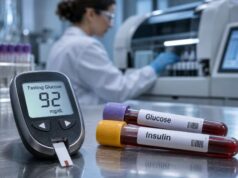
- Repeat an unexpected finger-stick reading with clean, dry hands. Wash with soap and water, dry your hands fully, and use a fresh strip. Residue from fruit, juice, or another sugary food can affect the result. Check that the strips are in date and were stored within the manufacturer’s temperature range.
- Confirm a surprising sensor reading with a fingertip check when appropriate. A continuous glucose monitor (CGM) measures glucose in the fluid just beneath the skin. The sensor reading and a finger-stick reading can differ when glucose is changing quickly, such as after eating or exercise. Follow your device instructions if the reading and your symptoms don’t match.
- Act on the reading and your symptoms. If you’re mildly thirsty, otherwise well, and able to drink normally, sip water and recheck according to your usual plan. If the result is high enough to trigger your correction or ketone-testing instructions, follow those instructions promptly. Treat a confirmed low with fast-acting carbohydrate according to your plan.
- Write down the circumstances if it keeps happening. Record the time, how long it had been since you ate, recent activity, symptoms, and any missed or delayed medicine. Include whether you were sweating heavily or having trouble drinking. A few readings taken under similar conditions are easier to interpret than a mix of fasting, after-meal, and post-workout numbers.
Severe dehydration can affect the accuracy of a home blood glucose meter. That matters if you feel faint, confused, or profoundly weak and the number on the screen looks reassuring. In that setting, your symptoms are enough reason to get medical help. For recurring differences between a sensor and a meter when you feel well, learn about CGM lag and other common causes of unexpected readings.
A reading may come down after you drink water, especially if you also cool off, rest, or give your body more time after a meal. There’s no way to tell from that change alone how much water contributed. If the same pattern shows up on days you’re drinking normally, bring the readings to your clinician. A home device helps you spot a pattern, and lab testing can clarify what it means.
What to drink when you’re dehydrated
Plain water is a good first choice for ordinary thirst, mild fluid loss, or routine exercise. Unsweetened sparkling water works too if you prefer it. If nausea makes a full glass difficult, try small, frequent sips. When you’re losing fluid through repeated diarrhea or vomiting, replacing salts as well as water can become important. The right drink depends on what you’ve lost and what your glucose is doing.
| Situation | Drink or next step | What to keep in mind |
|---|---|---|
| Ordinary thirst or mild sweating | Plain water or unsweetened sparkling water | Both replace fluid without adding carbohydrate. |
| Prolonged activity with heavy sweating | Water with food, or a drink that replaces sodium when needed | Check the label for sodium and total carbohydrate. Fueling needs vary with exercise length and intensity. |
| Ongoing fluid loss from diarrhea | A commercial oral rehydration solution, if appropriate for you | Ask your care team about product choice if you have diabetes, kidney disease, or a prescribed fluid limit. Seek help if you can’t keep up with losses. |
| Low blood sugar while awake and able to swallow | Fast-acting carbohydrate, such as glucose tablets or a measured amount of juice, according to your plan | Recheck as directed. Water can help with thirst after you’ve treated the low. |
| High blood sugar while able to drink safely | Water or another sugar-free fluid alongside your prescribed diabetes plan | Check ketones when indicated and get help if readings stay very high or symptoms worsen. |
An oral rehydration solution contains glucose and salts in set proportions. Glucose helps the intestine absorb sodium and water, which is why it’s part of the formula. Mix a powdered product with the exact amount of water on the package. Sports drinks have different amounts of sugar and sodium and can be a poor fit for replacing losses from diarrhea.
For routine use, compare sports drinks and electrolyte products by checking total carbohydrate and servings per bottle. A bottle with 15 g of carbohydrate per serving and two servings provides 30 g if you finish it. During a long workout, that carbohydrate may serve a purpose. For everyday thirst, water usually does the job.
How to stay hydrated day to day
Start with times you can remember. Have water with meals and keep a bottle where you work or spend most of your day. If you know you’ll spend hours outside, start drinking before you go and plan water breaks where you can cool down. Fluids from food and other drinks count too. Your needs will vary with activity, weather, illness, and how much you sweat, so use an ordinary day as your baseline and adjust when those conditions change.
Thirst, dry mouth, and darker or less frequent urine can suggest that you need more fluid. Urine color is a rough clue, not a rule: the first urine of the day is often darker, and some foods, vitamins, and medicines can change its color. Look at the pattern over the day and how you feel. If you regularly wake up thirsty after urinating several times overnight, ask your clinician about it instead of assuming you need to drink more at bedtime.
If you have a prescribed fluid limit for heart failure, kidney disease, or another condition, use that limit to guide your intake. Ask how to handle hot days or a stomach illness, when fluid needs may change quickly. Large amounts of water in a short time can dilute sodium in the blood, so spread fluid intake across the day when possible.
If your main goal is steadier glucose, replacing a regular soda, sweet tea, or other sweet drink with water reduces the amount of carbohydrate you get from that drink. Keeping up with fluids also helps you avoid a fluid deficit during heat or illness. Persistent highs still call for a review of your glucose pattern and care plan, even if you’re drinking enough.
When to contact a clinician or get emergency care
Contact your care team promptly if glucose keeps rising or stays above your usual range despite following your plan, if thirst and urination are new or persistent, or if you’re losing fluid faster than you can replace it. If you have diabetes and are sick, or if your glucose reaches 250 mg/dL (13.9 mmol/L) or higher, check glucose and ketones according to your sick-day instructions. If you have no written plan, ask your care team when to test and what results require action. If you take an SGLT2 inhibitor, seek urgent assessment for symptoms of ketoacidosis even when glucose is below 250 mg/dL.
Go to the emergency department or call emergency services right away if you have high ketones, fruity-smelling breath, fast or difficult breathing, confusion, severe drowsiness, or vomiting that prevents you from keeping fluids down. If you have diabetes and your blood sugar stays at 300 mg/dL (16.7 mmol/L) or higher, seek emergency care. Get help right away for these signs even if a home device displays a lower number.
Two serious complications can involve both glucose and dehydration. Diabetic ketoacidosis (DKA) develops when the body has too little effective insulin and produces enough ketones to make the blood acidic. It’s most common in type 1 diabetes, and people with type 2 diabetes can also develop it. Hyperglycemic hyperosmolar state (HHS) involves very high glucose and severe dehydration, often with confusion or marked drowsiness. It occurs more often in people with type 2 diabetes. Both require hospital treatment.
If you feel well and notice a mildly elevated reading after a hot afternoon, a careful recheck and fluids are reasonable first steps. If high readings recur, get them assessed. If serious symptoms appear, seek care immediately. The way you feel, the direction your glucose is moving, and your ability to keep fluids down all help determine how quickly you need help.
References
- The Impact of Hydration on Metabolic Outcomes: From Arginine-Vasopressin Signaling to Clinical Implications 2025 (Review)
- Managing Diabetes in the Heat 2024
- Managing Sick Days 2024
- Diabetic Ketoacidosis 2024
- Blood Glucose Monitoring Devices 2024
- Clinician Brief: Food Safety 2025
Disclaimer
This article provides general information. Follow your individual diabetes sick-day plan, medication instructions, and any prescribed fluid limits. Seek urgent medical care for vomiting that prevents fluid intake, high ketones, difficulty breathing, or confusion.