Insulin resistance usually starts without symptoms. Your muscles, liver, and fat tissue respond less readily to insulin, the hormone that helps keep blood sugar in range. For a while, the pancreas can make more insulin to compensate. You may feel fine, and a routine glucose test may look normal. That quiet start is why health history and screening matter.
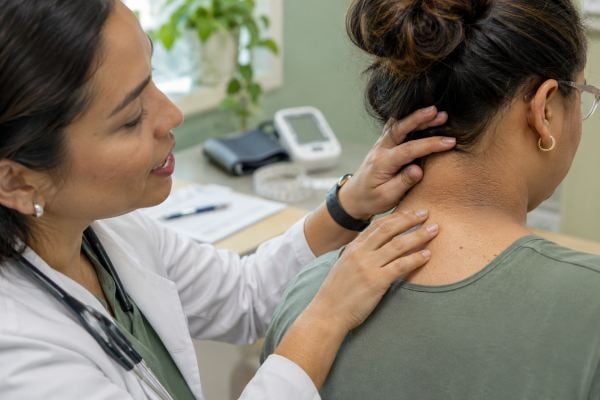
Sometimes the first clue is a patch of darker, thicker skin on the back of the neck. For other people, it’s a pattern that shows up at a checkup: high triglycerides, high blood pressure, or a blood sugar result in the prediabetes range. Feeling sleepy after lunch or craving sweets tells you much less on its own. New excessive thirst, frequent urination, or unexplained weight loss deserves prompt attention because these can be signs that blood sugar is already high. What to do next depends on the clue you’ve noticed, your other risk factors, and whether you feel unwell.
Table of Contents
- Why insulin resistance is often silent
- Early signs and common mix-ups
- Who should get screened and when
- Blood tests and what the results mean
- What to do after screening
- When symptoms need prompt or emergency care
Why insulin resistance is often silent
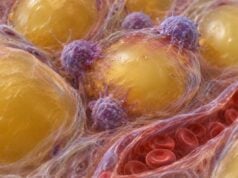
After you eat, insulin helps your muscles take up glucose from your blood for fuel or storage. It also signals your liver to release less glucose. When these tissues become less responsive, the pancreas can make more insulin to keep blood sugar in its usual range. As long as that extra insulin keeps up with demand, a routine glucose test may look normal.
If the pancreas can no longer make enough insulin to keep up, blood sugar can rise. For some people, the first change is a higher reading after a meal or a laboratory glucose drink. For others, it’s higher blood sugar first thing in the morning, after an overnight fast. That’s one reason two types of glucose tests can give different results on the same person.
Insulin resistance describes how the body responds to insulin; prediabetes describes blood sugar that has moved above the usual range but not yet to the threshold for diabetes. They often occur together, and insulin resistance can be present before glucose reaches the prediabetes range. Type 2 diabetes can develop later, when the pancreas can’t meet the body’s insulin needs and blood sugar reaches the diabetes range. The timing varies widely, and progression can often be delayed or prevented.
A normal glucose result is still useful. It tells you how your blood sugar measured under the conditions of that test. A person with a normal result and few risk factors may need only routine follow-up. Someone with the same result and a history of gestational diabetes may need regular repeat testing. The result and the history answer different questions.
Early signs and common mix-ups
Dark, thickened skin in the folds
The most recognizable skin clue is acanthosis nigricans. It usually appears as a darker patch with a thick or velvety texture. The back and sides of the neck, armpits, and groin are common places to see it. Depending on your skin tone, the texture can be easier to notice than the color change. The patch can look like a stain, and scrubbing can irritate it.
Acanthosis nigricans can occur alongside insulin resistance. A clinician can check whether the patch fits that pattern and decide whether to order blood sugar tests. Other conditions can cause similar changes, so a photo or a skin check at home can only take you so far. Mention a patch that appeared recently, is spreading, or has changed quickly. Small, soft skin tags sometimes show up in the same areas. They are common on their own and offer less information about blood sugar than a typical patch of acanthosis nigricans. You can learn more about acanthosis nigricans and related skin changes.
Clues that show up at a checkup
A larger waist, elevated blood pressure, high triglycerides, and low HDL cholesterol can cluster with insulin resistance. Triglycerides are a type of fat in the blood, and HDL is one of the particles that carry cholesterol. These measurements matter in their own right because the pattern can point to higher risk of heart disease and type 2 diabetes. One result can have several explanations; a combination gives your clinician more reason to look at blood sugar and overall health together.
Fat buildup in the liver can also go along with insulin resistance. Your clinician may call it metabolic dysfunction-associated steatotic liver disease, or MASLD. Sometimes it comes to light when imaging is done for another reason. If you’ve been told you have fatty liver, ask whether your blood sugar, cholesterol, and blood pressure have been checked recently. People at a wide range of body sizes can have insulin resistance, so body size alone gives an incomplete picture.
Polycystic ovary syndrome, often called PCOS, is another reason to check blood sugar. Infrequent or irregular periods, excess facial or body hair, and trouble getting pregnant can prompt an evaluation for PCOS. Once PCOS is diagnosed, glucose screening matters across body sizes. A clinician will look at reproductive symptoms and blood sugar risk as separate parts of the evaluation.
Sleepiness, cravings, and shakiness
Feeling tired after lunch is common and has many possible explanations. Sleep, meal size, medications, and your daily schedule can all affect how alert you feel. Craving sweets, feeling hungry between meals, or struggling to lose weight gives little information about how your tissues respond to insulin.
Shakiness, sweating, or a racing heart a few hours after eating can feel like low blood sugar. Similar symptoms can happen while glucose is in range. If episodes recur, bring a record of when they happen, what you ate, which medications you took, and any readings you already have. That can help a clinician decide whether to check for reactive hypoglycemia or investigate another cause. If you take insulin or another medication that can lower glucose, follow your prescribed plan for checking and treating a suspected low.
Who should get screened and when
The American Diabetes Association recommends that routine screening for prediabetes and type 2 diabetes begin at age 35 for adults without symptoms. Earlier screening is appropriate for adults with overweight or obesity and at least one additional risk factor. The guideline uses a lower body mass index threshold for adults of Asian ancestry because type 2 diabetes risk can rise at a lower BMI in this group. A clinician may also recommend earlier testing based on your medical or pregnancy history.
Bring up any of these details at a screening visit, especially if they’re new or missing from your chart.
- A parent or sibling with diabetes.
- A history of gestational diabetes, even if blood sugar returned to its usual range after delivery.
- PCOS, acanthosis nigricans, or metabolic fatty liver disease.
- High blood pressure, cardiovascular disease, or a pattern of high triglycerides and low HDL cholesterol.
- Low physical activity or use of medications that can raise blood sugar, such as corticosteroids.
Screening intervals depend on the result and your ongoing risk. After a normal result, repeat testing at least every three years is generally reasonable, with earlier testing if risk increases or symptoms develop. For prediabetes, testing at least yearly is the usual recommendation. After gestational diabetes, lifelong screening every one to three years matters even when the first postpartum check is normal. A 75-gram oral glucose tolerance test is recommended 4 to 12 weeks after delivery.
PCOS has its own screening guidance. It recommends checking blood sugar at diagnosis and repeating testing every one to three years, depending on other diabetes risk factors. The oral glucose tolerance test is the most accurate option for this group. If you have PCOS and are planning a pregnancy or seeking fertility treatment, bring up testing before conception.
For a routine appointment, take previous A1C or glucose results with their dates, a current medication list, and any relevant pregnancy history. If you noticed a skin change, note when it started and where it appeared. A straightforward question can help focus the visit: “Given my family history and my last result, which glucose test makes sense, and when should I repeat it?”
Blood tests and what the results mean
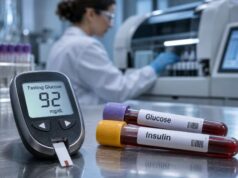
Clinicians usually start with a lab blood test that checks glucose levels or estimates recent glucose exposure. The choice depends on your history, whether fasting is practical, and whether anything could affect the result. These are the usual U.S. thresholds for people who are not pregnant. Pregnancy uses different testing protocols and cutoffs.
| Test | Below the prediabetes range | Prediabetes range | Diabetes range |
|---|---|---|---|
| A1C | Below 5.7% | 5.7% to 6.4% | 6.5% or higher |
| Fasting plasma glucose | Below 100 mg/dL | 100 to 125 mg/dL | 126 mg/dL or higher |
| Two-hour plasma glucose after a 75-gram oral glucose tolerance test | Below 140 mg/dL | 140 to 199 mg/dL | 200 mg/dL or higher |
How each test helps
A1C reflects average blood sugar over roughly the past two to three months. You can take it without fasting. Conditions that affect red blood cells, such as some types of anemia, can make A1C harder to interpret. Tell your clinician if you’ve recently lost a lot of blood, had a transfusion, or have a known hemoglobin variant. They may use a plasma glucose test instead.
Fasting plasma glucose measures blood sugar at one point in time after at least eight hours without calories. Ask the lab what you can drink and how to handle your usual medications before the test. An acute illness or a course of steroids can affect glucose, so mention recent changes when discussing your results.
The oral glucose tolerance test starts with a fasting blood sample. You then drink a measured glucose solution and have another blood sample taken two hours later. The test can pick up problems that a fasting test or A1C may miss. It takes longer and requires preparation, so follow the lab’s instructions about eating in the days beforehand and fasting overnight.
What happens when results disagree
An A1C of 5.5% and a fasting glucose of 108 mg/dL can occur together. The A1C is below the prediabetes range, while the fasting result falls within it. One reflects glucose exposure over several weeks; the other captures a single fasting moment. Your clinician can review possible influences, look at earlier results, and decide whether to repeat the test or add another one.
When someone has a diabetes-range result and no clear symptoms of high blood sugar, the diagnosis usually requires a second abnormal lab result. This may come from repeating the same test or from another diagnostic test. If one test is in the diabetes range and a different test is below that threshold, the clinician generally repeats the test that was above it. With classic symptoms such as excessive thirst, frequent urination, or unexplained weight loss, a random laboratory plasma glucose of 200 mg/dL or higher can establish a diagnosis without waiting for a fasting test.
Why insulin levels and glucose sensors rarely settle the question
A fasting insulin result measures how much insulin is circulating at one moment. HOMA-IR uses fasting insulin and glucose to estimate insulin resistance. Insulin measurements vary by lab method, and there’s no universally accepted cutoff that works for routine diagnosis across patients. Clinicians generally use the combination of health history, exam findings, and standard glucose tests to decide what care you need.
A home glucose meter or a continuous glucose monitor can give you readings to discuss with a clinician. A single peak after a meal can reflect meal size, timing, activity, and the limits of the device. The thresholds in the table apply to specific laboratory tests. If you already have home readings that concern you, bring them to your appointment with the time and circumstances of each reading.
What to do after screening
Start by asking what your result changes. If your glucose is below the prediabetes range, use your health history to set a repeat-testing date. If it’s in the prediabetes range, ask about a prevention plan and when to recheck. If it’s in the diabetes range, arrange timely follow-up for confirmation or treatment. Blood pressure, cholesterol, and any liver concerns deserve attention at each stage because those results can change your care even when glucose is in range.
Build activity around the week you actually have
For adults at high risk of type 2 diabetes, a common prevention goal is at least 150 minutes of moderate activity each week. Brisk walking is one option. At a moderate pace, you can generally talk but would have trouble singing. If you’re currently inactive, a 10-minute walk after dinner on most days is a manageable start. Add time or another walk as it gets easier. Cycling, swimming, or another activity you enjoy can also count.
Strength training can be part of the same plan. If you’re new to it, simple movements such as standing from a sturdy chair or using a resistance band can help you build a routine. Choose activities that suit your mobility and fitness. The schedule can be flexible: a short walk during a break may fit better on workdays, with more time available on weekends.
Make changes you can repeat at meals
Look at a meal you eat often. If lunch is usually a sandwich, chips, and a sweet drink, you could start by switching the drink to water or unsweetened tea. Another option is to keep the sandwich and swap the chips for a side of beans or raw vegetables. At dinner, you might keep the rice you enjoy and serve it with fish, tofu, or beans and a generous helping of vegetables. These changes give you a way to adjust portions and add fiber without rebuilding your menu from scratch.
For adults with overweight or obesity who are at high risk, a structured prevention program may aim for a sustained loss of about 5% to 7% of starting body weight. At 200 pounds, that’s about 10 to 14 pounds. In the original U.S. Diabetes Prevention Program, adults at high risk who received intensive lifestyle support were 58% less likely to develop type 2 diabetes over about three years than the placebo group. That figure describes the difference between study groups; your own risk depends on your starting glucose, history, and other factors.
Use follow-up to decide whether you need more support
Ask about a structured diabetes prevention program or help from a registered dietitian if you want support with meals, exercise, or weight management. A program can give you regular check-ins and help adapt the plan to shift work, a limited food budget, or changes in mobility.
Clinicians sometimes consider metformin for people with prediabetes who have a higher chance of developing type 2 diabetes. Prior gestational diabetes, higher glucose levels within the prediabetes range, and other risk factors can affect that decision. If you already have several results, bring them together so your clinician can review the trend. Agree on a follow-up date and which measures you’ll review. The most useful signs of progress are usually changes you can track over time, such as your lab results, blood pressure, and activity routine.
When symptoms need prompt or emergency care
Book a routine visit if you feel well and notice a persistent velvety skin patch, have several risk factors, or are due for screening. If tiredness or shakiness keeps disrupting your day, mention that separately. Tell your clinician when it happens, how long it lasts, and whether it affects activities such as driving or working.
Seek prompt medical assessment if you develop unusual thirst, frequent urination, blurred vision, or unexplained weight loss, especially if several symptoms appear together or worsen quickly. Waking repeatedly at night to urinate and needing much more water than usual is a pattern worth reporting. These can be symptoms of high blood sugar. Diabetes can first appear in adulthood and at any body size. You can get assessed without waiting to fast.
Go to an emergency department or call your local emergency number if you have fast, deep breathing, fruity-smelling breath, or vomiting that prevents you from keeping fluids down, particularly alongside signs of high blood sugar. Confusion, severe drowsiness, or trouble breathing also warrants emergency care. These symptoms can occur with diabetic ketoacidosis, a life-threatening complication that sometimes appears before a person knows they have diabetes.
References
- 2. Diagnosis and Classification of Diabetes: Standards of Care in Diabetes-2026 2026 (Guideline)
- 3. Prevention or Delay of Diabetes and Associated Comorbidities: Standards of Care in Diabetes—2026 2026 (Guideline)
- Insulin Resistance & Prediabetes 2025
- Recommendations From the 2023 International Evidence-based Guideline for the Assessment and Management of Polycystic Ovary Syndrome 2023 (Guideline)
- Diabetic Ketoacidosis 2024
Disclaimer
This article provides general health information. A clinician can interpret skin changes and blood sugar results in light of your medical history, medications, and pregnancy status. Seek immediate care if you develop signs of a blood sugar emergency.