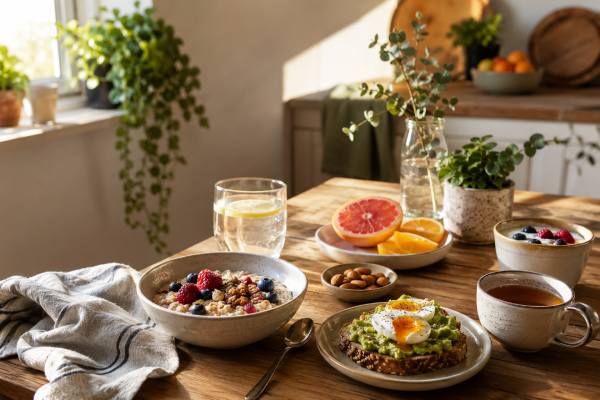
The idea of an “immune-boosting breakfast” is appealing because mornings often set the tone for the rest of the day. Still, the most useful way to think about breakfast is not as a quick fix, but as a daily chance to support immune resilience with steady nutrition. A strong breakfast can help you cover protein, fiber, vitamins, minerals, and fluids early, which makes it easier to eat well even when the day gets busy. It can also prevent the common pattern of starting with little food, then relying on sugary snacks, oversized coffees, or ultra-processed convenience meals later on.
That matters because immune health depends on patterns, not one superfood. The meals that tend to help most are simple, repeatable, and built from foods you can actually keep in your kitchen. In this guide, you will learn what makes a breakfast supportive, which nutrients deserve attention, and how to build easy meals that are realistic for weekdays, travel days, and low-energy mornings.
Key Insights
- A strong breakfast can help you cover protein, fiber, and micronutrients early, which supports recovery, gut health, and steadier energy.
- Meals built around whole foods, colorful produce, and adequate protein tend to be more useful than “immune shots” or heavily fortified quick fixes.
- Fermented foods, oats, fruit, nuts, seeds, eggs, yogurt, and beans can all fit into an immune-supportive morning meal.
- More is not always better; stacking fortified foods with supplements can push intake too high for nutrients such as zinc or vitamin A.
- The most effective approach is consistency: choose two or three breakfast combinations you can repeat most mornings without much effort.
Table of Contents
- What Breakfast Can and Cannot Do
- The Nutrients That Pull Their Weight
- How to Build a Stronger Plate
- Easy Meals for Real Mornings
- Breakfasts for Different Needs
- Mistakes That Weaken the Payoff
What Breakfast Can and Cannot Do
An immune-supportive breakfast can help, but it is worth starting with a clear expectation: no single meal can “supercharge” your immune system on demand. Immunity is a coordinated process involving barriers such as your gut lining and airways, immune cells, sleep quality, stress load, physical activity, and overall diet. Breakfast matters because it is one of the easiest daily opportunities to strengthen that larger picture.
A good breakfast does three useful things. First, it improves the odds that you will meet your nutrition needs by the end of the day. People who skip breakfast often try to catch up later, but what usually fills the gap is convenience food rather than balanced food. Second, breakfast can stabilize appetite and energy, which reduces the blood sugar swings and late-day overeating that often come with a pastry-and-coffee start. Third, it is a practical place to include foods people otherwise miss, especially fruit, whole grains, yogurt, nuts, seeds, and high-quality protein.
That is why the phrase “immune boosting” can be misleading. In many cases, what people really want is better recovery, fewer nutrition gaps, steadier energy, and more consistent habits during cold season or stressful periods. A better framework is immune resilience: helping the body respond appropriately, recover well, and maintain normal defenses over time.
Breakfast also works best as part of a whole-day pattern. If a morning meal is thoughtful but the rest of the day is built around alcohol, poor sleep, very low protein, or ultra-processed foods, the benefit will be limited. In the same way, a modest breakfast repeated five or six days a week can be more effective than an elaborate smoothie bowl you make once, photograph, and never repeat.
There is also no rule that breakfast must look traditional. For one person, it may be oats with berries and yogurt. For another, it may be eggs, leftover lentils, and fruit. In some homes, soup, rice, beans, or savory yogurt are more realistic than cereal. What matters most is the structure of the meal, not whether it matches a breakfast stereotype.
So the real goal is not to find a magic breakfast. It is to build one that is easy, balanced, and repeatable. Once you do that, breakfast becomes less about hype and more about quietly covering the basics your immune system depends on every day.
The Nutrients That Pull Their Weight
If you want a breakfast that supports immune health, focus less on exotic ingredients and more on the nutrients that consistently matter. The most useful breakfasts combine enough protein, enough fiber, and a mix of micronutrients from real foods. That combination supports immune cell function, barrier health, gut diversity, and recovery from daily stress.
Protein is a major piece. Immune cells, antibodies, signaling molecules, and tissue repair all depend on adequate protein intake. Breakfast is a smart place to get it because many people eat most of their protein at dinner and too little earlier in the day. Eggs, Greek yogurt, kefir, cottage cheese, soy foods, beans, smoked salmon, and leftovers from dinner can all help close that gap.
Fiber matters for a different reason. It feeds beneficial gut microbes and helps produce compounds that support the intestinal barrier and balanced immune signaling. A breakfast with oats, chia, flax, berries, kiwi, apples, beans, or whole-grain toast usually does more for long-term immune support than a low-fiber bar with a “wellness” label. If you want a deeper look at the food-first approach, this guide on vitamins for immune support is useful background.
Micronutrients also matter, but usually through regular intake rather than megadoses. Vitamin C helps support immune cell function and is easy to add with berries, kiwi, citrus, or peppers in savory breakfasts. Vitamin A precursors show up in foods like spinach, kale, and sweet potato. Zinc comes from eggs, dairy, nuts, seeds, legumes, and meat or shellfish when those fit the meal. Selenium appears in eggs, dairy, fish, and some whole grains. Folate and other B vitamins are common in legumes, greens, eggs, and whole grains.
Color on the plate often signals polyphenols and carotenoids, which may help regulate inflammation and support the microbiome. That does not mean every breakfast needs five colors, but it does mean adding one or two produce items is a smart habit. A bowl of oats with blueberries and walnuts is better than plain oats alone. Eggs with sautéed spinach and tomatoes beat eggs with white toast only.
One caution is easy to miss: a breakfast can look “healthy” and still be overly engineered. Fortified cereals, vitamin drinks, gummies, wellness shots, and powders can pile up quickly, especially if you also take supplements. More is not automatically better, and with minerals such as zinc, excess can create new problems over time. If you regularly use fortified foods and pills together, it is worth learning why too much zinc can backfire.
The practical takeaway is simple. Instead of chasing one star ingredient, build breakfasts that regularly deliver protein, fiber, produce, and enough calories to be satisfying. That steady foundation does more than any single trendy add-in.
How to Build a Stronger Plate
The easiest way to make an immune-supportive breakfast is to use a simple build formula. You do not need a formal meal plan. You just need a repeatable structure that helps you assemble a balanced plate in a few minutes.
A good template is this:
- Choose a protein anchor.
- Add a fiber-rich carbohydrate.
- Add one or two plant foods.
- Include a healthy fat if the meal needs more staying power.
- Add a drink, especially water, milk, kefir, or unsweetened tea.
The protein anchor is what makes breakfast feel substantial instead of symbolic. Good options include eggs, Greek yogurt, skyr, cottage cheese, tofu, tempeh, edamame, beans, milk, kefir, cheese in moderate amounts, nut butter paired with another protein source, or fish if that suits your routine. This is where a breakfast often moves from “light” to genuinely useful. If you are trying to improve recovery, stay fuller longer, or avoid grazing all morning, this article on protein and immunity adds more detail.
The carbohydrate portion should ideally bring fiber with it. Oats are a classic because they are inexpensive, flexible, and easy to prepare ahead. Other strong choices are whole-grain toast, muesli with minimal added sugar, quinoa, buckwheat, beans, lentils, or roasted sweet potato. These are usually more helpful than refined pastries, sugary cereals, or white bread that disappears quickly and leaves you hungry again.
Next, add produce. This can be fruit, vegetables, or both. Berries, kiwi, citrus, apples, pears, and pomegranate seeds work well in sweet breakfasts. Spinach, mushrooms, peppers, tomatoes, avocado, greens, or leftover roasted vegetables work well in savory ones. The goal is not perfection. Even one produce addition is better than none.
Healthy fats can round out the meal. Nuts, seeds, tahini, olive oil, avocado, or nut butter add texture and improve satisfaction. Seeds also bring useful extras such as fiber and minerals. A spoonful of chia or ground flax in oats or yogurt is an easy upgrade. If gut support is part of your goal, it helps to think beyond calories alone and include foods that reinforce fiber and immunity together.
Finally, remember that breakfast does not have to be large to be effective. It needs to be balanced enough to count. A bowl of sugary cereal and coffee may technically be breakfast, but it does not do much heavy lifting. By contrast, a modest bowl of yogurt with berries, pumpkin seeds, and oats can cover protein, fiber, color, and useful fats in one move.
When in doubt, ask three questions: Where is the protein? Where is the fiber? Where is the produce? If your breakfast answers all three, you are usually on solid ground.
Easy Meals for Real Mornings
The best immune-supportive breakfast is the one you will actually make on a Tuesday when you are rushed, tired, and not in the mood to chop six ingredients. That is why practical meal ideas matter more than perfect nutrition theory.
Here are several reliable options that cover the basics:
- Greek yogurt bowl: Greek yogurt or skyr, berries, oats or a high-fiber muesli, pumpkin seeds, and chopped walnuts.
- Overnight oats: Oats, milk or soy milk, chia seeds, cinnamon, berries, and a spoonful of nut butter added before eating.
- Savory oats: Oats cooked with milk or broth, topped with an egg, spinach, mushrooms, and a little olive oil.
- Egg and toast plate: Two eggs, whole-grain toast, avocado, and fruit on the side.
- Bean and egg wrap: Eggs or tofu with black beans, salsa, greens, and a whole-grain tortilla.
- Kefir smoothie: Kefir or yogurt, frozen berries, spinach, oats, and peanut or almond butter.
- Cottage cheese plate: Cottage cheese, sliced kiwi or pineapple, walnuts, and seeded toast.
- Leftover grain bowl: Brown rice or quinoa, roasted vegetables, a fried egg or tofu, and a spoonful of plain yogurt or tahini.
- Tofu scramble: Tofu with turmeric, peppers, onions, spinach, and toast or potatoes.
- Chia pudding: Chia seeds soaked overnight in milk, topped with fruit and chopped nuts.
A few meal-prep moves make these even easier. Wash berries ahead of time. Freeze smoothie packs. Keep hard-boiled eggs in the fridge. Cook extra oats or grains in batches. Portion nuts and seeds into small jars. Buy plain yogurt instead of flavored versions so you control sweetness yourself. Small systems matter because the biggest breakfast barrier is rarely knowledge. It is friction.
Fermented foods can be a useful bonus, especially if they fit naturally. Yogurt and kefir are the easiest morning options for many people. They add protein and, depending on the product, live cultures as well. They are not mandatory, but they can be a smart addition if you tolerate them well. If you want more ways to use them without upsetting your stomach, this guide to fermented foods can help.
It is also worth paying attention to sugar. A breakfast does not need to be sugar-free, but it should not rely on sweetness for appeal. A flavored coffee drink plus pastry plus juice often creates a fast rise and crash. A better middle ground is naturally sweet food anchored by protein and fiber, such as oats with fruit and yogurt, or toast with nut butter and sliced pear.
Think in terms of “default breakfasts.” Pick two sweet options and two savory options you can rotate. Once that rotation exists, mornings get easier, and consistency follows.
Breakfasts for Different Needs
No single breakfast works for everyone. Appetite, schedule, budget, culture, training load, medications, and digestion all shape what feels realistic. The good news is that immune-supportive breakfasts are flexible enough to adapt.
For busy professionals or parents, portability matters. A drinkable breakfast can be effective if it is built well: kefir or yogurt, fruit, oats, and nut butter works better than juice with a scoop of powder. A container of yogurt with seeds and fruit, plus a boiled egg, can also be assembled in under two minutes. Keep convenience foods around that still have structure, such as plain yogurt cups, frozen berries, nuts, fruit, and high-fiber crackers.
For older adults, breakfast is often an important chance to get protein in early, especially if appetite declines later in the day. Softer foods may help: yogurt, cottage cheese, eggs, oatmeal made with milk, soft fruit, and smoothies. A savory breakfast can be easier than a sweet one if sweetness feels tiring. Those caring for aging relatives may also find this overview of immune support for older adults helpful.
For people on GLP-1 medications, appetite may be reduced and large meals can feel uncomfortable. In that setting, small but nutrient-dense breakfasts often work best: Greek yogurt with fruit, a half smoothie with protein and oats, eggs with toast, or cottage cheese with berries. Greasy, oversized breakfasts may backfire by worsening nausea or fullness.
For vegetarian or mostly plant-based eaters, it helps to think intentionally about protein quality and breakfast variety. Tofu scramble, soy yogurt, edamame, beans on toast, chia pudding with soy milk, and oats with nuts and seeds can all fit. Pairing legumes or soy foods with whole grains and produce creates a more complete meal than fruit alone.
For people with sensitive digestion, gentler breakfasts are often better than raw, very fibrous, or ultra-sweet options first thing in the morning. Try oatmeal, banana with yogurt, eggs with toast, or a simple smoothie with fewer ingredients. If dairy is a problem, lactose-free yogurt or fortified soy foods may work better.
For tight budgets, some of the best breakfasts are also the cheapest: oats, eggs, beans, peanut butter, bananas, frozen berries, plain yogurt, and whole-grain toast. Immune-supportive does not have to mean premium powders or specialty ingredients. In fact, many of the strongest staples are basic grocery items.
The goal is not to force yourself into an ideal breakfast style. It is to shape the basics to your reality so the habit survives.
Mistakes That Weaken the Payoff
A breakfast can look healthy on paper and still miss the mark. Several common mistakes reduce the benefit and make the meal less supportive than it seems.
The first is treating breakfast like a supplement delivery system. It is easy to stack a fortified cereal, vitamin drink, wellness shot, greens powder, gummy, and supplement capsule and assume more is better. In reality, food-first breakfasts are usually more balanced and less likely to create excess intake. If you are relying heavily on powders and pills, it may be worth reviewing immune support supplements before spending more money on them.
The second mistake is eating too little to count. Coffee alone, half a pastry, or a small bar may get you out the door, but it often leads to rebound hunger, low protein intake, and poor food choices later. If you truly cannot eat much early, start with a compact option such as yogurt and fruit, a smoothie, or toast with egg and fruit. Small is fine. Incomplete every day is not ideal.
The third is overdoing added sugar while underdoing protein and fiber. Many granolas, breakfast biscuits, flavored yogurts, cereal bars, and café drinks create the appearance of breakfast without much staying power. Reading labels helps, but so does building from plain ingredients you can recognize and adjust yourself.
The fourth is ignoring the rest of the day. Breakfast is helpful, but it cannot erase chronic sleep loss, high alcohol intake, poor hydration, smoking, or a generally low-quality diet. Immune health depends on the overall pattern. A better breakfast is part of the answer, not the entire answer.
The fifth is forgetting safety and context. If you have diabetes, chronic kidney disease, severe reflux, food allergies, celiac disease, inflammatory bowel disease, or are pregnant, some breakfast advice should be personalized. The same goes for unexplained weight loss, frequent infections, or strong food reactions. Those situations deserve medical guidance, not just recipe ideas.
A final mistake is assuming that “natural” automatically means safe. Immune-themed powders, herbs, fortified drinks, and shots can interact with medications or cause problems in high amounts. That is especially true when products are combined casually. This is one reason why articles on too many supplements resonate with so many readers.
In the end, the strongest breakfast is rarely the trendiest one. It is the one that regularly gives you enough protein, enough fiber, some produce, and a level of simplicity you can sustain for months rather than days.
References
- Dietary Modulation of the Immune System – PMC 2024 (Review)
- The impact of the Mediterranean diet on immune function in older adults – PMC 2024 (Review)
- The relationship between nutrition and the immune system – PMC 2022 (Review)
- Gut Microbiota-Targeted Diets Modulate Human Immune Status – PMC 2021 (Randomized Controlled Trial)
Disclaimer
This article is for general educational purposes and is not a substitute for medical advice, diagnosis, or treatment. Breakfast choices can support overall immune health, but they do not prevent or treat infections on their own. If you have frequent infections, unexplained fatigue, significant weight loss, food intolerance, diabetes, kidney disease, digestive disease, pregnancy-related nutrition concerns, or questions about supplements and medications, speak with a qualified clinician or registered dietitian for personalized guidance.
If this guide was helpful, consider sharing it on Facebook, X, or your preferred platform so others can build a stronger morning routine too.