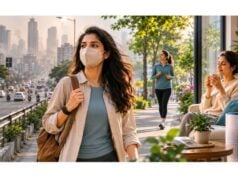
Measles outbreaks tend to bring a wave of urgent questions, and not all of the answers circulating online are safe. People want to know how to protect children, whether extra vitamins help, what to do after an exposure, and whether there is any real substitute for vaccination. The short answer is no: during measles outbreaks, immune support starts with knowing who is immune, getting the right vaccine guidance quickly, and avoiding false reassurance from supplements or home remedies that cannot prevent infection. That does not mean supportive care is unimportant. It means supportive care has a specific role, and it is not the same thing as prevention. Vitamin A matters in measles, but mostly as supervised treatment in certain situations, not as a do-it-yourself outbreak shield. This article explains what immune support during measles outbreaks actually means, how vaccines, post-exposure steps, and vitamin A fit together, who needs extra caution, and which common mistakes can put families at greater risk.
Quick Summary
- The most effective protection during measles outbreaks is being up to date on MMR vaccination or getting timely public health guidance after exposure.
- Vitamin A can play a useful role in measles care, especially in children with diagnosed measles, but it is not a substitute for vaccination.
- Measles can spread before the rash appears, which is why early action after exposure matters.
- High-dose vitamin A, random supplement stacks, and “natural immunity” strategies can create risk without preventing measles.
- If someone without clear immunity is exposed, contact a clinician or public health office quickly because MMR or immune globulin may need to be given within a short window.
Table of Contents
- What Immune Support Really Means
- Why Vaccines Come First
- Where Vitamin A Fits
- What to Do After Exposure
- Who Needs Extra Caution
- What Not to Do
What Immune Support Really Means
During measles outbreaks, “immune support” is often used too loosely. It can sound like a grab bag of vitamins, teas, and wellness habits that somehow make infection less likely. But measles is not a mild seasonal nuisance, and it is not the kind of virus that is realistically managed through generic supplement routines. It is one of the most contagious viral infections in humans, spreads through the air, and can lead to pneumonia, dehydration, ear infections, brain inflammation, and other serious complications. That is why real immune support during measles outbreaks starts with prevention, exposure management, and evidence-based supportive care, not with broad claims about boosting immunity.
This distinction matters because measles affects the immune system in a way that goes beyond the rash and fever. It does not simply create a short burst of illness. It can also leave the immune system temporarily weakened afterward, making people more vulnerable to other infections. That is one reason a measles outbreak is not just about getting through the first week of symptoms. It is about preventing infection in the first place and reducing complications if infection occurs. Readers who want a broader framework for this can think of it through how the immune system works and what weakens it, rather than through the marketing idea of a quick immune “boost.”
Supportive care still matters. Once someone has measles, immune support includes rest, fluids, nutrition, close monitoring, symptom relief, and timely medical guidance. It can also include vitamin A in the right clinical setting. But supportive care is not a replacement for the core public health tools that actually prevent spread. If families hear “support your immune system” and translate that into “we can skip vaccine questions and just focus on supplements,” they are using the phrase in a way that measles does not forgive.
A more useful way to define immune support during outbreaks is this:
- know whether you or your child are immune
- get exposed people evaluated quickly
- use vaccination or immune globulin when indicated
- support hydration, nutrition, and rest during illness
- avoid risky misinformation and delay
That is not as catchy as a supplement ad, but it is much closer to what measles care requires. The goal is not to create a perfect immune system. The goal is to lower the chance of infection, reduce severe complications, and avoid the preventable mistakes that tend to spread measles further.
Why Vaccines Come First
If the question is how to protect yourself or your family during a measles outbreak, vaccination is the first answer because it is the most effective one. The measles-mumps-rubella vaccine remains the main tool for preventing measles and limiting outbreaks. That is true even when conversations drift toward nutrition, natural immunity, or supplement-based prevention. Those topics may affect general health, but they do not replace the role of the MMR vaccine.
For most children, the standard schedule includes two doses. In outbreak settings, travel settings, or other special circumstances, public health authorities may recommend earlier or catch-up vaccination depending on age and exposure history. Adults also matter here. Many adults assume measles is only a childhood issue, but outbreaks often expose gaps in adult immunity, especially when vaccine records are missing or the person never completed the series. That makes measles protection different from a general discussion of routine immune support for kids or everyday wellness habits. During an outbreak, a documented immune history matters.
Vaccination comes first for a practical reason as well: timing. Measles spreads before the classic rash is obvious, so waiting until “someone looks sick” is often too late to contain exposure. Once public health officials identify an outbreak or a specific exposure event, the most important question becomes who has presumptive evidence of immunity and who does not. The answer determines whether someone needs no further action, needs rapid MMR vaccination, or needs another form of post-exposure management.
This is also where confusion about vaccine safety often enters the picture. Some families, especially in outbreak periods, get pulled toward misinformation that frames measles as a routine childhood infection and vaccination as optional. That is a dangerous simplification. Measles can be severe even in previously healthy children, and the harms are not limited to the days with fever and rash. Vaccine hesitancy also has a community effect. The virus moves most easily when clusters of people remain unprotected.
In real-world outbreak management, vaccination also helps interrupt spread in schools, child care settings, health care settings, and multigenerational households. That is especially important because some people cannot safely receive live vaccines, including certain immunocompromised patients and some pregnant people. They depend in part on community immunity around them. If you are thinking about vaccination more broadly during respiratory virus season, it can be helpful to compare what timing questions matter in articles like what to expect with multiple vaccines or when to wait because you are sick, but measles outbreaks raise the stakes because the virus is so contagious.
The core point is simple: during measles outbreaks, vaccines are not one option among many equally effective immune tools. They are the foundation.
Where Vitamin A Fits
Vitamin A gets a lot of attention during measles outbreaks, but the way it is discussed online is often misleading. The clearest way to understand it is this: vitamin A is not a measles prevention supplement, and it is not a substitute for vaccination. Its role is mainly in the management of diagnosed measles, especially in children, where it may help reduce complications related to vitamin A depletion and support tissue health.
That distinction matters because vitamin A sits at the intersection of two true ideas that are easy to twist. First, vitamin A is genuinely important for immune function and for the health of the eyes, skin, and mucosal surfaces. Second, measles can lower vitamin A levels and worsen deficiency-related complications, even in children who were not obviously deficient beforehand. Those points are real. But they do not mean that taking extra vitamin A before exposure will reliably prevent measles, nor do they mean families should self-dose high-potency vitamin A at home during every outbreak scare.
In clinical practice, vitamin A is most relevant when a child has measles and is being managed with medical guidance. In the United States, current guidance emphasizes supervised use, especially for children with measles and particularly for severe cases such as hospitalization. International guidance is somewhat broader, but the safest public takeaway is still that vitamin A belongs in treatment planning, not in unsupervised prevention experiments. This is very different from the general conversation about vitamin A and immune function, where the question is long-term adequacy rather than acute measles management.
High-dose vitamin A is also not harmless. Because it is fat-soluble, it can accumulate and cause toxicity. Too much can damage the liver, bones, skin, and nervous system, and it is especially risky in pregnancy because very high intakes can harm fetal development. That is why outbreak messaging that casually recommends “mega-dose vitamin A just in case” is not just unsupported. It can be actively unsafe.
The most practical way to think about vitamin A during measles outbreaks is:
- maintain ordinary nutritional adequacy through food and standard medical guidance
- do not use vitamin A as a replacement for MMR vaccination
- do not start high-dose vitamin A on your own because of a possible exposure
- if measles is diagnosed, ask the clinician whether vitamin A treatment is indicated and how it should be dosed
That framing keeps vitamin A in its rightful place. It is a supportive tool with real value in certain clinical situations. It is not a shield against measles exposure, and it is not part of an evidence-based self-treatment plan for people trying to avoid vaccination.
What to Do After Exposure
If someone may have been exposed to measles, speed matters. The window for useful action is short enough that “we will see how things look tomorrow” is not always the safest plan. That does not mean every possible exposure turns into infection, but it does mean you should move quickly if the exposed person does not have clear evidence of immunity.
The first step is to avoid showing up unannounced at a clinic, urgent care, or emergency department unless symptoms are severe. Measles spreads through the air, and one poorly timed waiting-room visit can expose other patients, including infants and immunocompromised people. Call ahead. A clinician or public health office can help determine whether the exposure is meaningful and what next steps fit the person’s age, immune status, pregnancy status, and vaccine history.
For some people, post-exposure prophylaxis may help. That usually means one of two things:
- MMR vaccine within 72 hours of exposure for certain nonimmune people
- immune globulin within 6 days of exposure for certain high-risk people who are not candidates for prompt MMR or need added protection
This is one reason outbreak response is not just about “watching symptoms.” It is about recognizing that prevention may still be possible after exposure if action is fast enough.
After a meaningful exposure, monitoring also matters. Early measles symptoms can resemble many viral illnesses at first: fever, cough, runny nose, and red watery eyes. The rash usually comes later. That delay is part of what makes measles hard to contain once it starts moving through families or schools. If symptoms begin, isolate and call ahead before seeking in-person care.
Supportive steps still matter in the background. Encourage fluids, rest, and sensible home infection control. If fever develops, simple fever care can reduce distress and dehydration, much like the broader guidance in safe fever management. Good hydration becomes even more important if vomiting, diarrhea, or poor intake appears. If someone looks dry, it helps to use the same practical lens described in dehydration signs and oral rehydration.
One more point often gets missed: outbreak instructions can differ depending on setting. Schools, hospitals, child care centers, and public health departments may use different exclusion or monitoring rules based on risk and local conditions. So while general guidance is useful, the most accurate next step after exposure is often direct contact with a clinician or local health authority.
The big mistake after exposure is assuming you can wait until the rash appears. By then, the chance to limit spread or use time-sensitive preventive measures may already be gone.
Who Needs Extra Caution
Not everyone faces the same measles risk during an outbreak. Some groups are more likely to become severely ill, more likely to have complications, or less likely to be protected by routine vaccination schedules alone. These are the people who need the most careful planning.
Infants are high on the list. Babies younger than the routine age for their first dose can be especially vulnerable during outbreaks. In some settings, infants ages 6 through 11 months may receive an early MMR dose based on travel or public health guidance, but that does not replace the standard later schedule. This is why outbreak planning around babies is not just about “supporting immunity.” It is about knowing exactly what vaccine timing and exposure rules apply.
Pregnant people without evidence of immunity also need extra caution. Measles during pregnancy can be serious for the mother and may increase the risk of poor pregnancy outcomes. Because MMR is a live vaccine, it is not given during pregnancy, which makes pre-pregnancy immunity and exposure management especially important. For families thinking about broader prevention habits in pregnancy, the discussion should stay grounded in safe support during pregnancy rather than outbreak myths.
Immunocompromised people are another major concern. This includes some people receiving chemotherapy, high-dose steroids, certain biologic medications, transplant-related immunosuppression, or living with conditions that weaken immune defenses. They may not be able to receive live vaccine, may respond less well to prior vaccination, and may face more severe disease. In outbreak settings, these patients need individualized medical advice, just as they often do in the broader context of vaccination planning for immunocompromised people.
People with malnutrition or vitamin A deficiency may also be at higher risk of severe complications. That is part of why vitamin A matters in actual measles care, especially in children, even though it does not work as a prevention shortcut.
Adults can be overlooked too. Some older adults are immune because of past infection or vaccination, but others are not sure of their status and assume they are protected. Outbreaks often expose these gaps. Health care workers, teachers, caregivers, and frequent travelers may have added reasons to confirm their immunity rather than guess.
A good way to think about extra-caution groups is:
- infants, especially before routine vaccination age
- pregnant people without documented immunity
- immunocompromised individuals
- malnourished children or those at risk of deficiency
- adults with uncertain vaccine history
- people living in crowded households or close-contact settings
These groups do not just need “more immune support.” They need faster, more tailored decisions. Outbreaks are when uncertainty around immunity becomes more dangerous than most people realize.
What Not to Do
Measles outbreaks create fear, and fear tends to attract bad advice. Some of the most common outbreak mistakes come from trying to replace precise medical steps with broad wellness habits or internet folklore.
The first mistake is assuming supplements can stand in for vaccination. No vitamin, herb, mushroom blend, or immune tonic has evidence comparable to MMR vaccination for preventing measles. That includes vitamin A. Once people blur the line between supportive nutrition and true prevention, they often delay the intervention that matters most.
The second mistake is self-prescribing high-dose vitamin A after hearing that vitamin A is used in measles. This is especially risky for children and pregnant people. Because vitamin A toxicity is real, “more” is not safer. This is also a good example of a broader pattern seen with too many supplements and upper-limit mistakes: nutrients can be helpful at the right dose and harmful at the wrong one.
The third mistake is chasing “natural immunity” on purpose. Measles is not a mild rite of passage. It can cause pneumonia, encephalitis, hospitalization, prolonged immune suppression, and death. Seeking infection to gain immunity is not a reasonable trade.
The fourth mistake is using the wrong kind of infection control. Measles is airborne. Surface cleaning has some value, but it does not solve the central risk if exposed people are moving through schools, clinics, or homes before anyone realizes measles is present. That is why good communication, isolation guidance, and ventilation matter more than dramatic wiping routines, much like the difference between disinfecting and ventilating in other respiratory infections.
The fifth mistake is showing up unannounced to a medical setting after a likely exposure or during a suspected case. This can spread the virus to babies, pregnant patients, and medically fragile people. Call first.
Other common “what not to do” points include:
- do not assume a supplement stack equals outbreak protection
- do not rely on memory alone if vaccine records are unclear
- do not dismiss early symptoms as “just a cold” after known exposure
- do not give children random doses of vitamins based on social media advice
- do not use measles as a reason to distrust vaccines more broadly
- do not delay public health contact when a real exposure has happened
In the end, the safest measles outbreak strategy is often less dramatic than people expect. It is not a secret protocol. It is documented immunity, rapid post-exposure action, careful medical guidance, and a refusal to confuse supportive care with prevention.
References
- Clinical Overview of Measles | Measles (Rubeola) | CDC 2026
- Measles Vaccine Recommendations | Measles (Rubeola) | CDC 2026
- Measles 2025
- Vitamin A and Carotenoids – Health Professional Fact Sheet 2025
- Measles Treatment Overview 2025
Disclaimer
This article is for educational purposes only and is not a substitute for medical or public health advice. Measles can become serious quickly, especially in infants, pregnant people, and immunocompromised individuals. Vaccination decisions, post-exposure steps, immune globulin use, and vitamin A treatment should be guided by a qualified clinician or public health authority. If measles exposure or symptoms are possible, call ahead before seeking in-person care so others are not unnecessarily exposed.
If this article was helpful, please consider sharing it on Facebook, X, or another platform you prefer.