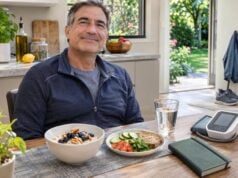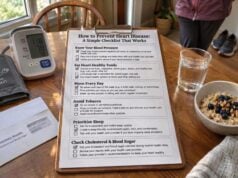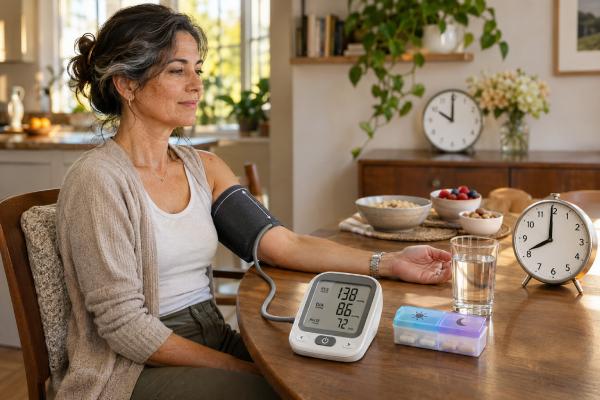
Intermittent fasting can lower blood pressure a little in some people, especially when it helps reduce excess weight, late-night eating, and overall calorie intake. It should not be treated as a replacement for blood pressure medication, a DASH-style diet, regular exercise, or sodium reduction. Recent trials of time-restricted eating suggest that average blood pressure changes are usually modest, and earlier daytime eating windows may perform better metabolically than late windows. For many adults, an 8- to 10-hour eating window that ends a few hours before bedtime is a reasonable option if it fits daily life. Medication timing requires more care. Do not move, skip, or double a blood pressure drug simply to preserve a fast. Some medicines are best taken consistently at a convenient time, some can cause dizziness when fasting, and diuretics can complicate hydration. People with low readings, kidney disease, diabetes, or multiple medications should plan fasting with a clinician or pharmacist and monitor symptoms as well as numbers.
Table of Contents
- Does Intermittent Fasting Lower Blood Pressure?
- What Is the Best Eating Window for Blood Pressure?
- How to Time Blood Pressure Medication While Fasting
- Dehydration, Low Blood Pressure, and Kidney Risks
- What to Eat During the Eating Window
- How to Monitor Blood Pressure While Fasting
- A Safe Starting Plan and When to Stop
Does Intermittent Fasting Lower Blood Pressure?
Intermittent fasting can reduce blood pressure, but the average effect is usually small to modest, and fasting itself may not be the main reason. In a recent meta-analysis of randomized trials in adults without diabetes, time-restricted eating lowered systolic and diastolic blood pressure by roughly 2 mm Hg compared with control conditions. Other analyses have found somewhat larger reductions, but results vary considerably across studies.
That size of change can still be useful at a population level. For an individual with hypertension, however, a 2- to 4-mm Hg reduction is not enough to justify abandoning treatments with stronger evidence.
Several mechanisms may explain why fasting helps some people:
- It can reduce total calorie intake without requiring calorie counting.
- Weight loss lowers blood pressure in many people with overweight or obesity.
- Cutting late-night food can reduce sodium, alcohol, and snack calories.
- Better insulin sensitivity may improve blood-vessel and kidney function.
- Earlier eating may align food intake more closely with circadian rhythms.
The effect is not guaranteed. If an eight-hour window contains large salty meals, frequent processed food, heavy alcohol, and too few vegetables, blood pressure may not improve. The diet pattern inside the window still matters more than the clock alone.
If hypertension is your main concern, fasting should sit beside—not replace—proven measures such as a DASH-style diet for high blood pressure, regular aerobic and resistance exercise, weight management, adequate potassium from food when medically appropriate, and limiting excess sodium and alcohol.
Why the evidence needs perspective
Most fasting studies are short, often lasting a few weeks or months. They measure blood pressure as one cardiometabolic outcome rather than testing whether fasting prevents strokes, heart attacks, kidney failure, or heart failure over years. Participants also differ in age, weight, health status, meal timing, and whether calories are intentionally restricted.
The practical conclusion is therefore cautious: time-restricted eating can be a reasonable lifestyle tool for selected adults with hypertension, but it is not a stand-alone treatment. If your blood pressure is far above target, you need a complete treatment plan rather than a longer fasting window.
What Is the Best Eating Window for Blood Pressure?
No single eating window has been proven to be the best for hypertension. The most consistent emerging signal is that earlier time-restricted eating tends to perform better than late eating for several metabolic outcomes, including weight, glucose control, and sometimes blood pressure.
For many adults, a practical target is an 8- to 10-hour daytime eating window, such as:
- 8 a.m. to 6 p.m.
- 9 a.m. to 7 p.m.
- 10 a.m. to 6 p.m. if a later first meal fits better.
A less restrictive 10- to 12-hour window can also be useful, especially when starting. Finishing dinner two to three hours before sleep is often more important than forcing breakfast unusually early.
A detailed look at time-restricted eating and cardiometabolic health can help if you are deciding how narrow the window should be.
Why earlier may be better
Blood pressure, insulin sensitivity, digestive function, and hormone release follow circadian rhythms. The body generally handles meals more efficiently during the biological daytime than late at night. Late eating can also lead to larger dinners, more alcohol, more snacks, and shorter sleep.
That does not mean everyone should stop eating at 3 p.m. An early schedule that causes social disruption, rebound eating, or poor adherence is unlikely to help long term. A family dinner at 7 p.m. may be worth preserving; in that case, a 9 a.m. to 7 p.m. window is more realistic than an extreme schedule.
Avoid making the window unnecessarily narrow
A 6-hour or 4-hour window is not proven to lower blood pressure better than an 8- to 10-hour window. More restrictive fasting can increase the chance of dizziness, dehydration, inadequate protein intake, constipation, and large rebound meals.
People taking antihypertensive medication also need enough opportunities to take medicines as directed, particularly when a drug should be taken with food. The “best” window is therefore one that supports consistent medication use, healthy food choices, hydration, sleep, and normal daily function.
How to Time Blood Pressure Medication While Fasting
The safest rule is straightforward: do not change a prescription schedule just to maintain a fasting window unless your clinician or pharmacist says the change is appropriate. The cardiovascular benefit of taking the right medication consistently is more established than any benefit from keeping a fast perfectly “clean.”
Large randomized trials comparing morning and bedtime dosing of usual blood pressure medications have not shown that bedtime dosing universally prevents more cardiovascular events. For most people, medication timing should emphasize adherence, tolerability, and the instructions for the specific drug.
If you are unsure about your current schedule, see when to take blood pressure medication for the broader timing considerations.
Medicines that do not require food
Many common blood pressure medicines can be taken with water without food. This includes many ACE inhibitors, angiotensin receptor blockers, calcium channel blockers, and other agents, although exact instructions differ by product. Taking a pill with water usually does not meaningfully alter a calorie-based fast.
Do not rely on the drug class alone. Check your pharmacy label because some individual medicines have food-related instructions or absorption differences.
Diuretics need special planning
Diuretics, sometimes called water pills, increase urine production. Examples include thiazide-type diuretics such as chlorthalidone or hydrochlorothiazide and loop diuretics such as furosemide.
Taking a diuretic early in the day is often practical because it reduces nighttime urination, but the right timing depends on why the medicine is prescribed. A person taking a loop diuretic for heart failure may have different instructions from someone taking a low-dose thiazide for uncomplicated hypertension.
Fasting can become risky if it also restricts fluids. Combining a diuretic, hot weather, exercise, vomiting, diarrhea, or a no-water fast can lead to dehydration, low blood pressure, kidney stress, and electrolyte abnormalities.
Medicines that can worsen dizziness
Several blood pressure drugs can contribute to lightheadedness when standing, particularly after a dose increase or when blood pressure has fallen with weight loss. Alpha blockers, vasodilators, diuretics, and combinations of several agents may be especially noticeable, but any antihypertensive can lower pressure too much in the right circumstances.
If you become dizzy during a fast, do not assume you merely need to “push through.” Sit or lie down, hydrate if your fasting plan permits, check blood pressure if you can do so safely, and seek medical advice if symptoms recur.
Religious fasting is different
A religious fast may restrict both food and water, sometimes for many hours. That changes the safety calculation substantially. Medication timing, diuretic use, diabetes treatment, kidney function, and climate all matter. Ask a clinician or pharmacist for a plan before the fasting period begins rather than improvising after symptoms develop.
Dehydration, Low Blood Pressure, and Kidney Risks
A calorie fast does not require dehydration. If your plan allows water, drink enough to avoid thirst, dark urine, headache, or dizziness. Fluid needs vary with body size, weather, exercise, kidney function, heart failure, and medication use.
People with heart failure or advanced kidney disease may have prescribed fluid limits. In that situation, generic advice to “drink more water” can be wrong. Follow your individualized plan.
Low blood pressure can become a problem as health improves
If fasting helps you lose weight, eat less sodium, reduce alcohol, and become more active, your blood pressure may fall over time. That is usually a positive change—but a medication dose that was necessary before may eventually become too strong.
Symptoms of blood pressure that is too low can include:
- Lightheadedness when standing.
- Blurred vision.
- Unusual weakness.
- Nausea.
- Fainting or near-fainting.
- Confusion in severe cases.
A single low reading without symptoms is less important than a repeated pattern. Do not stop medication abruptly based on one number. Record the readings and symptoms and contact the prescriber.
Kidney function and electrolytes
The kidneys help regulate blood pressure, sodium, potassium, and fluid balance. Dehydration can temporarily reduce kidney blood flow, and some blood pressure medicines alter kidney hemodynamics or potassium levels. This is one reason fasting deserves extra caution in people taking an ACE inhibitor or ARB together with a diuretic, especially during illness or poor fluid intake.
Persistent vomiting, diarrhea, fever, or inability to drink can change medication safety even if the fasting plan itself had been well tolerated. A clinician may give “sick day” instructions for specific medicines. Follow those individualized directions rather than creating your own rule.
What to Eat During the Eating Window
For blood pressure, what you eat during the window is at least as important as when you eat. A fasting pattern works best when it reduces—not concentrates—sodium, ultra-processed food, and alcohol.
Build meals around:
- Vegetables and fruit, which provide potassium, fiber, and other nutrients.
- Beans and lentils.
- Whole grains such as oats, barley, and brown rice.
- Unsalted nuts and seeds.
- Fish, poultry, tofu, yogurt, and other minimally processed protein sources.
- Olive oil and other unsaturated plant oils.
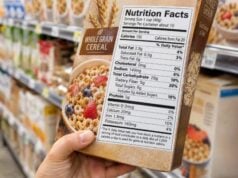
- Lower-sodium versions of packaged foods when you use them.
The DASH eating pattern is especially useful because it emphasizes fruit, vegetables, whole grains, legumes, nuts, low-fat dairy, and reduced sodium while limiting foods high in saturated fat and added sugar.
Watch the “one giant dinner” problem
Some people fast all day and then consume most calories in one large evening meal. That can produce a heavy sodium load, reflux, poor sleep, and a large post-meal glucose rise. It may also make blood pressure more variable.
Two or three balanced meals within an 8- to 10-hour window are often easier on the body than one huge meal. If you skip breakfast, make lunch and dinner nutritionally complete rather than treating dinner as compensation for deprivation.
Sodium can hide in fasting-friendly foods
Deli meats, cheese, canned soup, restaurant meals, sauces, pickles, snack foods, and some packaged “keto” products can contain large amounts of sodium. Fasting does not offset that sodium load.
Potassium-rich foods can support blood pressure, but potassium supplements or salt substitutes are not safe for everyone. ACE inhibitors, ARBs, potassium-sparing diuretics, and kidney disease can raise potassium. Ask before using a potassium-based salt substitute.
Alcohol can undo the benefit
Alcohol adds calories, can raise blood pressure, worsens sleep, and can contribute to dehydration. Saving all alcohol for the eating window does not make it harmless. If blood pressure is elevated, reducing alcohol is often a higher-yield intervention than making the fasting window more restrictive.
How to Monitor Blood Pressure While Fasting
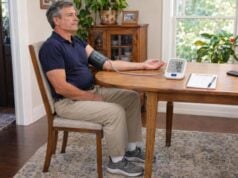
Home measurements can show whether fasting is helping, doing nothing, or contributing to low readings. Use a validated upper-arm cuff that fits correctly. A guide to choosing a home blood pressure monitor can help if your device is old, wrist-based, or gives inconsistent results.
For a useful reading:
- Avoid exercise, smoking, and caffeine for about 30 minutes beforehand when possible.
- Empty your bladder.
- Sit quietly for five minutes with your back supported and feet flat.
- Support the arm so the cuff is near heart level.
- Take two readings about one minute apart and record both.
When testing a new fasting routine, measure at consistent times rather than checking repeatedly whenever you feel anxious. Morning and evening readings for several days can reveal a pattern. Note the fasting window, medication timing, symptoms, and any unusual exercise or alcohol.
Do not measure immediately after a workout and compare that number with a rested morning reading; the conditions are different.
Know when a reading needs urgent attention
A reading of 180/120 mm Hg or higher is severely elevated. Repeat the measurement after a short period of quiet rest if you have no symptoms and the technique may have been faulty. If the reading remains that high, contact medical care promptly according to your clinician’s instructions.
If severely high blood pressure occurs with chest pain, severe shortness of breath, weakness or numbness, trouble speaking, confusion, vision changes, fainting, or another concerning symptom, seek emergency care. A fasting schedule is not the priority in that situation.
At the other extreme, there is no universal “too low” number. A blood pressure of 95/60 mm Hg may be normal for one person and symptomatic for another. Repeated low readings with dizziness or fainting deserve clinical review.
A Safe Starting Plan and When to Stop
If your hypertension is stable and your clinician has not advised against fasting, start conservatively.
Week 1: Use a 12-hour overnight fast
If breakfast is at 7 a.m., finish calories by 7 p.m. Keep your medications on their existing schedule. Drink water normally unless you have a prescribed fluid restriction.
Measure blood pressure at your usual times and note any dizziness, weakness, headache, or palpitations.
Weeks 2–3: Shorten to 10 hours if comfortable
Try an eating window such as 8 a.m. to 6 p.m. or 9 a.m. to 7 p.m. Do not reduce medication because readings improve. Keep a short log and review trends.
Week 4 and beyond: Consider an 8- to 10-hour window
Only narrow the window if you can still eat enough protein, vegetables, fruit, and other nutrient-dense foods without overeating late. There is no prize for reaching 16 or 18 fasting hours.
Stop the fast and address the situation if you develop fainting, confusion, severe weakness, persistent vomiting, inability to hydrate, or symptoms of low blood sugar. Seek emergency care for chest pain, severe shortness of breath, stroke symptoms, or loss of consciousness.
If fasting repeatedly causes lightheadedness or blood pressure runs lower than usual, contact the prescribing clinician. The right response may be changing the fasting plan, adjusting fluid or sodium intake, reviewing another illness, or modifying medication. That decision should be made from the complete clinical picture.
The most useful approach to intermittent fasting for hypertension is moderate and boring: choose a sustainable daytime eating window, keep food quality high, stay appropriately hydrated, take medication as prescribed, and measure blood pressure under consistent conditions. If the routine helps weight, sleep, and diet without creating symptoms, it may be worth keeping. If it complicates medication use or makes you feel unwell, there are many other proven ways to lower blood pressure without fasting.
References
- 2025 AHA/ACC/AANP/AAPA/ABC/ACCP/ACPM/AGS/AMA/ASPC/NMA/PCNA/SGIM Guideline for the Prevention, Detection, Evaluation and Management of High Blood Pressure in Adults: A Report of the American College of Cardiology/American Heart Association Joint Committee on Clinical Practice Guidelines 2025 (Guideline)
- Effects of time-restricted eating without caloric restriction on blood pressure and cardiometabolic profile in non-diabetic adults: a systematic review and meta-analysis of randomized controlled trials 2025 (Systematic Review and Meta-Analysis)
- Effects of timing and eating duration of time restricted eating on metabolic outcomes: systematic review and network meta-analysis 2026 (Systematic Review and Network Meta-Analysis)
- Antihypertensive Medication Timing and Cardiovascular Events and Death: The BedMed Randomized Clinical Trial 2025 (RCT)
- Cardiovascular outcomes in adults with hypertension with evening versus morning dosing of usual antihypertensives in the UK (TIME study): a prospective, randomised, open-label, blinded-endpoint clinical trial 2022 (RCT)
Disclaimer
This article is for general education and does not replace individualized medical care. Do not stop, skip, move, or change the dose of a blood pressure medication solely to fit a fasting schedule. Seek medical guidance before fasting if you have kidney disease, heart failure, diabetes, recurrent low blood pressure, or take medicines that affect fluid, electrolytes, or blood sugar.