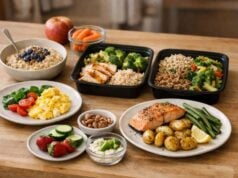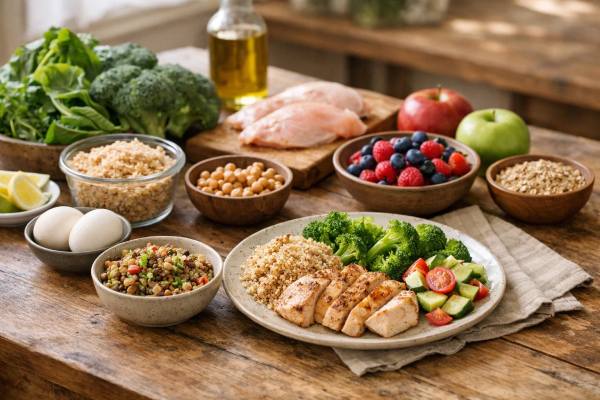
A low-glycemic diet can support weight loss, but not because it is a shortcut. Its real value is that it tends to steer you toward slower-digesting, less processed, more filling foods that help keep energy steadier and hunger more manageable. That can make a calorie deficit easier to maintain. It can also be especially useful for people who notice big swings in appetite after refined carbs or who want a more blood-sugar-friendly way to eat. The key is understanding what the glycemic index measures, which foods deserve most of your plate, and how to build meals that are realistic enough to repeat.
Table of Contents
- What a Low-Glycemic Diet Actually Means
- How It Can Support Weight Loss
- Best Low-Glycemic Foods to Eat Often
- Foods to Limit and Common Misunderstandings
- How to Build Low-Glycemic Meals
- Meal Plan Tips for Real Life
- Who Benefits Most and When to Be Careful
- Mistakes That Make the Diet Harder Than It Needs to Be
What a Low-Glycemic Diet Actually Means
The glycemic index, or GI, ranks carbohydrate-containing foods by how quickly they raise blood sugar after eating. In simple terms, lower-GI foods tend to digest and absorb more slowly, while higher-GI foods tend to raise blood sugar faster. A common GI breakdown is:
- Low GI: 55 or less
- Medium GI: 56 to 69
- High GI: 70 or more
That sounds straightforward, but real eating is more complicated than a chart. GI is measured under controlled conditions, and your actual blood sugar response depends on more than the food alone. It can change based on portion size, ripeness, processing, cooking method, what else is on the plate, and even whether the food is eaten hot, cooled, blended, or mashed.
That is why a low-glycemic diet is best understood as a pattern, not a list of numbers to memorize. It usually emphasizes foods such as beans, lentils, intact whole grains, minimally processed starches, nonstarchy vegetables, fruit, nuts, seeds, and protein-rich foods paired with carbohydrates. It usually limits refined grains, sugary drinks, sweets, and heavily processed snack foods.
A low-glycemic diet is also not the same thing as a low-carb diet. You can eat carbohydrates on this approach. In fact, many of the foods that fit best are carbohydrate-rich foods with more fiber, more structure, and a slower effect on blood sugar. Think steel-cut oats instead of sugary cereal, lentils instead of white crackers, or fruit instead of juice.
Another point beginners often miss is the difference between glycemic index and glycemic load. GI measures how fast a carbohydrate raises blood sugar. Glycemic load also considers how much carbohydrate is in a usual serving. Watermelon, for example, has a relatively high GI but not a huge carbohydrate load per typical serving. That means a food can have a higher GI and still fit well in an overall healthy diet.
For weight loss, the practical takeaway is not “avoid every high-GI food forever.” It is “build most meals around foods that digest more slowly, keep you fuller, and crowd out more refined options.” That makes the diet more sustainable and more useful than obsessing over a single number.
How It Can Support Weight Loss
A low-glycemic diet can help with weight loss, but its benefits are usually indirect. It does not override calories, and it does not force fat loss on its own. What it often does is make a calorie deficit easier to maintain by improving the quality and structure of your meals.
The biggest benefit for many people is satiety. Lower-GI foods are often richer in fiber, less processed, and more physically bulky. That combination can slow digestion and help meals feel more filling. If your usual pattern includes white bread, pastries, chips, sweet coffee drinks, or sugary snacks, replacing some of those with beans, oats, fruit, yogurt, potatoes, and vegetables can reduce the “hungry again in an hour” cycle.
A low-glycemic approach may also help with:
- More stable energy across the day
- Fewer sharp hunger swings after refined-carb meals
- Better meal quality without rigid food rules
- Easier appetite control when paired with enough protein
- Better support for blood sugar management in some people
That said, the weight-loss advantage of low-GI diets over other sensible calorie-controlled diets appears to be modest. Some studies show benefits, especially when the overall dietary pattern improves substantially. Others show little difference compared with other well-constructed diets. That is important because it keeps expectations realistic. This is not magic. It is a useful framework that tends to work best when it nudges you toward better food choices, better portions, and more consistency.
In practice, a low-glycemic diet works especially well when it overlaps with habits that already support fat loss:
- Protein at each meal
- Plenty of produce
- Higher-fiber carbs
- Fewer liquid calories
- Less grazing on ultra-processed snacks
- More repeatable meal structure
It is also worth noting that low-GI eating is usually more effective when it improves your overall diet, not when it turns into a hunt for “low-GI junk food.” A cookie marketed as low glycemic is still easy to overeat. A meal built around vegetables, beans, fish, and fruit usually helps more.
If your goal is long-term fat loss, this diet is most helpful as a way to make hunger and food choices easier to manage, not as a promise that every low-GI meal automatically burns more fat. That distinction matters because it keeps you focused on the part that actually drives results: a sustainable calorie deficit built on satisfying food.
Best Low-Glycemic Foods to Eat Often
The best low-glycemic foods for weight loss are usually the same foods that make almost any good fat-loss diet work: minimally processed, filling, fiber-rich, and easy to portion. A low-glycemic diet becomes much simpler when you stop thinking in terms of “allowed foods” and start thinking in terms of “foods that earn more space on my plate.”
A practical low-GI food list includes:
- Nonstarchy vegetables such as leafy greens, broccoli, cauliflower, peppers, zucchini, mushrooms, cucumbers, tomatoes, and green beans
- Legumes such as lentils, black beans, chickpeas, kidney beans, and split peas
- Whole fruits such as apples, berries, pears, oranges, cherries, and kiwi
- Less processed grains and starches such as steel-cut oats, barley, quinoa, bulgur, and some minimally processed brown rice preparations
- Protein foods such as Greek yogurt, cottage cheese, eggs, chicken, turkey, tofu, fish, and lean beef
- Healthy fats such as olive oil, avocado, nuts, seeds, and nut butters in measured amounts
Many of these are already some of the most useful foods in a calorie deficit, which is one reason this way of eating can be effective without feeling extreme.
A helpful way to think about low-glycemic eating is that it favors foods with one or more of these features:
- More fiber
- More protein
- Less refining
- More chewing
- More volume for fewer calories
That is why beans and lentils are such standouts. They provide carbohydrates, fiber, and some protein in one package. They are often more filling than refined starches and work well in bowls, soups, salads, and stews.
Fruit also deserves a place here. People sometimes avoid fruit because it contains sugar, but whole fruit behaves very differently from juice or candy. Its fiber, water, and structure make it far more satisfying. Many excellent fruit options for weight loss fit nicely into a low-glycemic pattern.
| Food category | Good examples | Why it helps |
|---|---|---|
| Nonstarchy vegetables | Broccoli, spinach, peppers, cauliflower, zucchini | Low calorie, high volume, easy to build meals around |
| Legumes | Lentils, black beans, chickpeas, split peas | High in fiber, steady energy, very filling |
| Whole fruit | Berries, apples, pears, oranges, cherries | Sweet, portable, more filling than juice or sweets |
| Less processed carbs | Steel-cut oats, barley, quinoa, bulgur | Often slower digesting than refined grains |
| Lean proteins | Greek yogurt, eggs, chicken, fish, tofu | Boosts fullness and improves meal balance |
You do not need every food you eat to be low GI. You just want the overall pattern to lean in that direction. That is what makes the diet both realistic and useful.
Foods to Limit and Common Misunderstandings
A low-glycemic diet is often described by what to eat, but it also helps to know what tends to make the diet less effective. In general, the foods that work against it are the same foods that make appetite and calorie control harder: refined, easy to overeat, and not very filling for the calories they contain.
Foods worth limiting more often include:
- Sugary drinks, juice, sweet tea, energy drinks, and many coffee-shop beverages
- Candy, pastries, donuts, cakes, and sugary cereals
- White bread, white crackers, many snack chips, and some heavily processed granola bars
- Large portions of refined pasta, white rice, or bakery foods eaten without much protein or fiber
- Ultra-processed “healthy” snacks that are still calorie-dense and easy to graze on
This does not mean these foods must never appear again. A low-glycemic diet is not an all-or-nothing system. It works better when you use it to improve your default choices, not when you panic over a sandwich bun or birthday cake.
There are also a few common misunderstandings that can make the diet confusing.
Misunderstanding 1: Low GI automatically means healthy
Chocolate and ice cream may have a lower glycemic response than expected because fat slows digestion, but that does not make them ideal weight-loss staples. GI is one useful tool, not a full nutrition score.
Misunderstanding 2: All potatoes, rice, or bread are “bad”
Not necessarily. Portion size, preparation, and the rest of the meal matter. A moderate portion of potatoes paired with chicken and vegetables behaves very differently from a large plate of fries and soda.
Misunderstanding 3: You must avoid carbs to keep blood sugar steady
A lower-glycemic pattern usually works best with better carbs, not zero carbs. Many smart carb choices can fit very well.
Misunderstanding 4: GI matters more than calories
It does not. Someone can overeat low-GI trail mix, nut butter, granola, or restaurant bowls very easily. The diet only helps weight loss when total intake still supports a calorie deficit.
One more important point: some foods have a higher GI but still belong in a healthy diet because they provide convenience, nutrients, or workout fuel. The better question is not “Is this food perfectly low GI?” It is “Does this food fit well into an overall meal pattern that helps me control hunger and calories?” That mindset keeps the diet practical instead of rigid.
How to Build Low-Glycemic Meals
The easiest way to follow a low-glycemic diet is to stop building meals around refined starches alone and start building them around protein, produce, and higher-fiber carbohydrate sources. This makes the diet much easier than trying to memorize GI charts.
A simple meal formula looks like this:
- Start with a protein source.
- Add a large serving of nonstarchy vegetables.
- Choose a higher-fiber carb.
- Add a measured fat source if needed.
- Adjust the portion to fit your calorie goal.
That formula works because mixed meals usually produce a steadier response than carb-heavy meals eaten on their own. Protein, fiber, and fat slow digestion and make meals more satisfying.
For most people, the plate method is a good place to start:
- Half the plate: nonstarchy vegetables
- One quarter: protein
- One quarter: higher-fiber carbohydrate
That might look like grilled salmon, roasted broccoli, and lentils. Or chicken, a large salad, and quinoa. Or Greek yogurt with berries, chia seeds, and oats.
Here are some low-glycemic meal ideas:
- Greek yogurt with berries, chia seeds, and walnuts
- Eggs with sautéed vegetables and a side of steel-cut oats
- Lentil soup with a side salad
- Chicken bowl with quinoa, roasted vegetables, and olive-oil vinaigrette
- Salmon with green beans and a small baked sweet potato
- Tofu stir-fry with mixed vegetables and edamame
- Cottage cheese with fruit and pumpkin seeds
This is also where fiber matters. A lower-glycemic diet tends to work better when it overlaps with a higher-fiber pattern. If you are not sure what that should look like, it helps to understand daily fiber targets and food swaps and to make sure your meals include plenty of nonstarchy vegetables.
A useful trick is to focus less on removing foods and more on changing the structure of the meal. Instead of cereal alone, have yogurt and fruit with it. Instead of white toast and jam, add eggs and fruit. Instead of a giant rice bowl with little protein, shrink the starch portion slightly and add beans, chicken, and vegetables.
That is where a low-glycemic diet becomes realistic. You are not creating a separate life. You are changing your usual meals so they digest a bit more slowly, fill you up better, and make your calorie deficit easier to maintain.
Meal Plan Tips for Real Life
Most people do not fail a low-glycemic diet because they misunderstand the science. They fail because the plan is too fussy for weekdays, too expensive, or too dependent on perfect food prep. The best meal plan tips are the ones that make this way of eating easier on your busiest days.
Start with a short list of repeatable staples. A low-glycemic grocery cart often includes:
- Greek yogurt or cottage cheese
- Eggs
- Chicken, fish, tofu, or turkey
- Canned beans or lentils
- Frozen vegetables
- Salad greens
- Oats
- Quinoa, barley, or brown rice
- Fruit
- Nuts, seeds, and olive oil
If you need a simple shopping framework, a beginner grocery list can make planning much less stressful.
Then use those staples to create a few repeatable breakfasts, lunches, and dinners. For example:
- Breakfasts: yogurt bowl, eggs with vegetables, overnight oats with chia
- Lunches: bean salad, chicken and quinoa bowl, leftover soup and fruit
- Dinners: fish with vegetables and potatoes, turkey chili, tofu stir-fry
The goal is not endless variety. It is low-friction consistency.
A few meal-planning strategies make a big difference:
- Cook grains and beans in batches
- Keep frozen vegetables on hand for backup meals
- Wash and prep produce as soon as you shop
- Build 2 or 3 default lunches for workdays
- Pair carbs with protein instead of eating them alone
- Keep simple snacks ready, such as yogurt, fruit, or roasted chickpeas
Snack planning matters more than people think. A low-glycemic snack should usually contain at least one anchor for fullness: protein, fiber, or both. Good options include:
- Apple and peanut butter
- Greek yogurt and berries
- Cottage cheese and pear
- Hummus with carrots and cucumber
- Edamame
- A boiled egg and fruit
If you like more structure, a higher-fiber meal pattern often overlaps very well with low-glycemic eating because both emphasize fullness, slower digestion, and better carb quality.
One final tip: do not let restaurant meals undo your progress. You do not need a perfect GI estimate when eating out. Just use the same basic structure: protein, vegetables, a moderate carb portion, and fewer sugary drinks. That keeps the plan flexible enough to survive real life, which is exactly what a useful weight-loss diet should do.
Who Benefits Most and When to Be Careful
A low-glycemic diet can suit many people, but it tends to be especially helpful for those who feel better on slower-digesting carbs and more structured meals. It is often a strong fit for people who:
- Get very hungry after refined-carb meals
- Want a more blood-sugar-friendly way to lose weight
- Prefer whole foods over heavily processed diet products
- Need a framework that is less rigid than keto but more structured than “just eat less”
- Do well with beans, fruit, oats, yogurt, vegetables, and balanced plates
It may also be helpful for people with prediabetes, type 2 diabetes, insulin resistance, or PCOS, especially when it is used as part of a broader plan focused on calories, food quality, activity, and consistency. In those settings, the approach should be individualized rather than copied from a generic list.
At the same time, there are situations where extra care matters.
If you take insulin or medicines that can lower blood sugar, diet changes should not be made casually. Better food choices can improve blood sugar, but they can also change how your medications affect you. That is a good problem to have, but it is still something to manage carefully.
You should also be cautious if:
- You have a history of disordered eating and food rules tend to become obsessive
- You are underweight or recovering from illness
- You are pregnant or breastfeeding and trying to lose weight aggressively
- You have kidney disease or another condition that changes nutrition needs
- You are trying to use GI alone while ignoring your total intake
This diet is also not the only useful option. Some people simply do better with calorie counting, portion control, or a Mediterranean-style eating pattern that includes a mix of carb sources without focusing much on GI. If that is you, forcing a low-glycemic framework may not add much.
The best use of this diet is as a tool, not an identity. If it helps you make better choices and feel more in control of your appetite, it is probably working. If it makes you anxious, overly restrictive, or confused about normal foods, it may need to be simplified.
For many people, the sweet spot is using low-glycemic principles inside a broader plan for what to eat in a calorie deficit rather than turning every meal into a blood sugar experiment.
Mistakes That Make the Diet Harder Than It Needs to Be
A low-glycemic diet is most effective when it simplifies food choices. Unfortunately, beginners often make it much more complicated than necessary. A few common mistakes explain why some people give up even though the core idea is sound.
Mistake 1: Focusing on GI numbers instead of full meals
Very few people need to memorize detailed GI values. In practice, meal composition matters more. A balanced meal with protein, fiber, and a moderate carb portion usually works better than trying to classify every food from memory.
Mistake 2: Cutting too many foods too fast
You do not need to eliminate all bread, rice, pasta, or potatoes overnight. The better move is to reduce refined portions, upgrade quality where you can, and pair carbs more intelligently.
Mistake 3: Ignoring calories because the food is “healthy”
Nuts, nut butter, granola, dark chocolate, and trail mix can all fit a low-glycemic pattern, but they are still energy-dense. Weight loss stalls when “healthy” becomes a reason to stop portioning.
Mistake 4: Forgetting protein
Some people make the diet so carb-focused that they forget meals still need enough protein to control hunger. A bowl of oats is fine. Oats plus Greek yogurt, berries, and chia is usually much better for fullness.
Mistake 5: Overrating special products
Low-glycemic bars, cookies, cereals, and powders are often less helpful than ordinary whole foods. You do not need a branded product to follow this diet successfully.
Mistake 6: Expecting instant scale drops
A low-glycemic diet is not a detox. It works gradually by improving food quality and consistency. Sometimes progress is steadier than dramatic, which is exactly what makes it sustainable.
Mistake 7: Making the diet socially difficult
If you cannot eat at family dinners, restaurants, holidays, or work lunches without stress, the plan probably needs loosening. This approach should guide choices, not isolate you.
The version that usually works best is surprisingly simple: prioritize protein, vegetables, beans, fruit, and higher-fiber carbs; limit sugary drinks and heavily refined foods; keep portions reasonable; and repeat the pattern long enough for results to show up. That is less exciting than a strict food rulebook, but it is much more likely to last.
References
- Carbohydrate intake for adults and children: WHO guideline 2023 (Guideline)
- Low glycaemic index or low glycaemic load diets for people with overweight or obesity 2023 (Cochrane Review)
- Low glycaemic index and glycaemic load diets in adults with excess weight: Systematic review and meta-analysis of randomised clinical trials 2022 (Systematic Review and Meta-Analysis)
- Perspective: Does Glycemic Index Matter for Weight Loss and Obesity Prevention? Examination of the Evidence on “Fast” Compared with “Slow” Carbs 2021 (Review)
- Diabetes Meal Planning 2024 (Official Guidance)
Disclaimer
This article is for general educational purposes only and is not a substitute for personal medical advice, diagnosis, or treatment. If you have diabetes, prediabetes, take insulin or blood-sugar-lowering medicines, or have another medical condition that affects your diet, talk with your clinician or a registered dietitian before making major changes to your carbohydrate intake or meal pattern.
If you found this article useful, please share it on Facebook, X, or your preferred platform to help someone else build a more practical approach to weight loss.