
Parmigiano Reggiano cheese benefits, calories, protein and calcium with safe serving tips
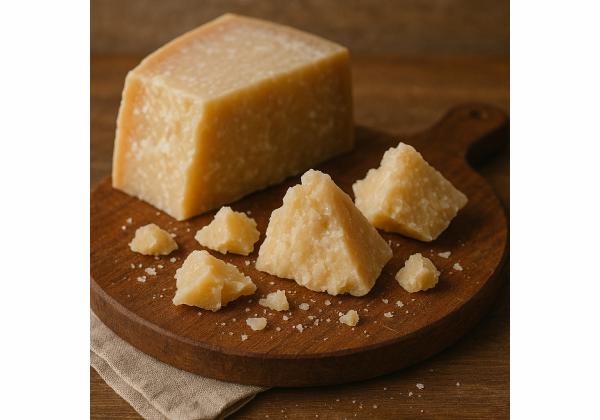
Parmigiano Reggiano—often called the “King of Cheeses”—is a hard, slow-ripened Italian cheese with a protected designation of origin (PDO). Made from partially skimmed cow’s...
Partridge eggs nutrition, benefits and safety: complete guide with cooking tips
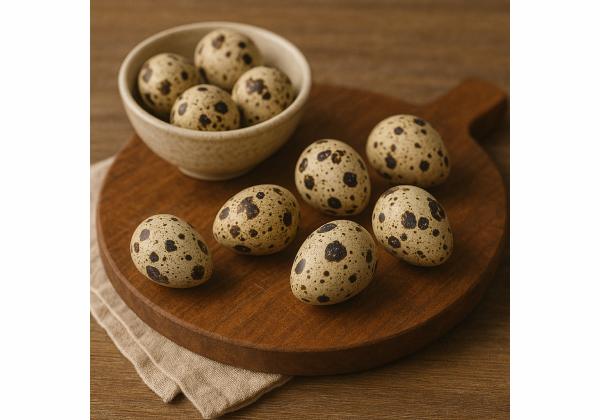
Partridge eggs are petite, speckled, and packed with high-quality protein, essential vitamins, and minerals. Per 100 g, their macronutrient balance closely mirrors that of...
Pecorino Romano Cheese nutrition facts and health benefits, calories, protein, calcium, and sodium explained
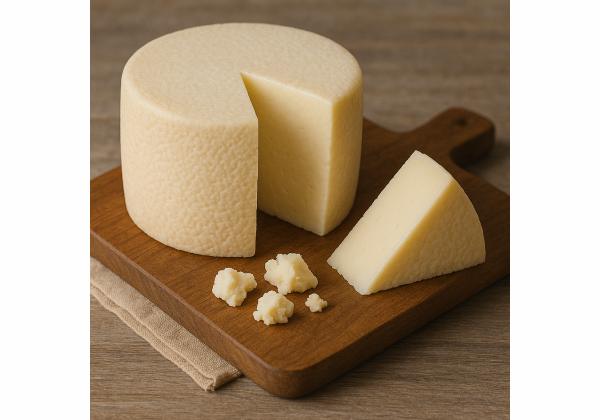
Pecorino Romano is Italy’s iconic sheep’s-milk grating cheese—salty, piquant, and intensely savory. Made under protected designation of origin (PDO) rules primarily in Sardinia, Lazio,...
Pheasant eggs nutrition facts and health benefits: protein, choline, lutein, safety
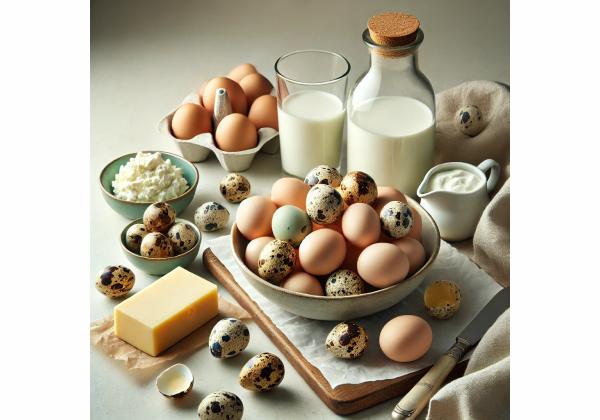
Pheasant eggs are a rare treat with a devoted following among hunters, chefs, and curious home cooks. About the size of two quail eggs,...
Pigeon eggs benefits and risks, nutrition per 100 g, cooking tips, and storage guide
Pigeon eggs are a small, delicate ingredient that cooks prize for their tender whites and rich, creamy yolks. Compared with a standard hen’s egg,...
Pont-l’Évêque cheese calories, protein, calcium, benefits and risks with serving tips
Pont-l’Évêque is one of Normandy’s classic washed-rind cheeses—square, soft, and richly aromatic. Made from cow’s milk under France’s protected designation (AOP), it ripens to...
Provolone Cheese nutrition facts and health benefits: calories, protein, calcium, sodium, and more
Provolone is a semi-hard Italian cow’s milk cheese known for its clean melt, buttery tang, and a spectrum of styles—from mild dolce to sharper,...
Quail eggs benefits and nutrition facts explained for health, cooking, and safety
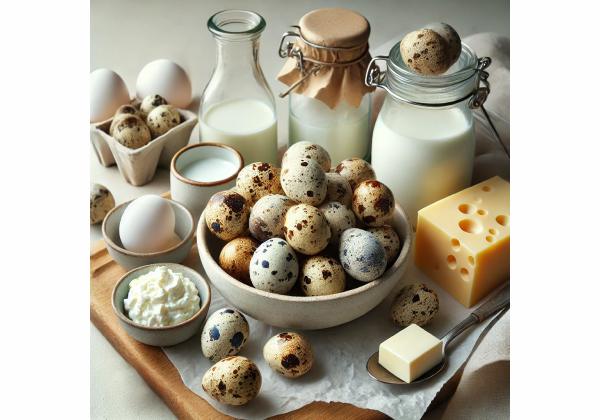
Quail eggs are petite, speckled, and surprisingly nutrient-dense. Despite their small size—about 9 grams each—they provide high-quality protein, a generous amount of choline for...
Quark Cheese benefits and nutrition facts: protein, calcium, calories, and lactose explained
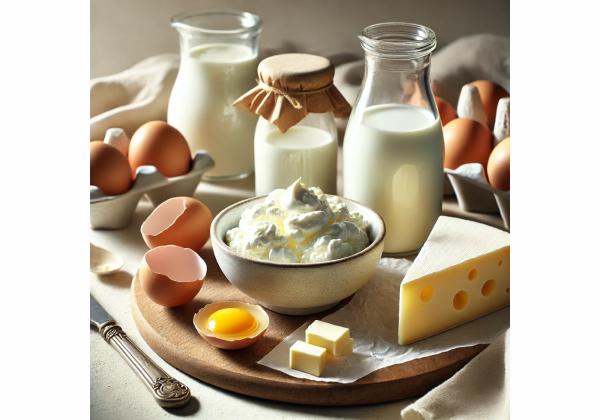
Quark cheese is a fresh, tangy, spoonable dairy staple that sits somewhere between Greek yogurt and ricotta. Made by gently acid-setting pasteurized cow’s milk,...
Queso Blanco Cheese benefits and risks, serving sizes, and smart ways to use it
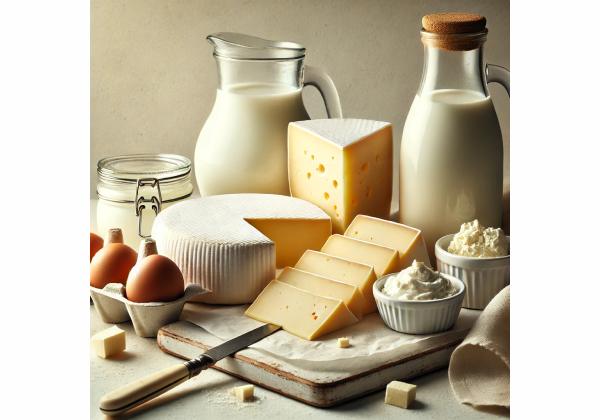
Queso blanco is a fresh, mild Latin-style cheese known for its clean dairy taste, creamy crumb, and distinctive non-melting character. Made by heating milk...
Queso Fresco Cheese nutrition per 100 g, calories, protein and calcium with safe use tips
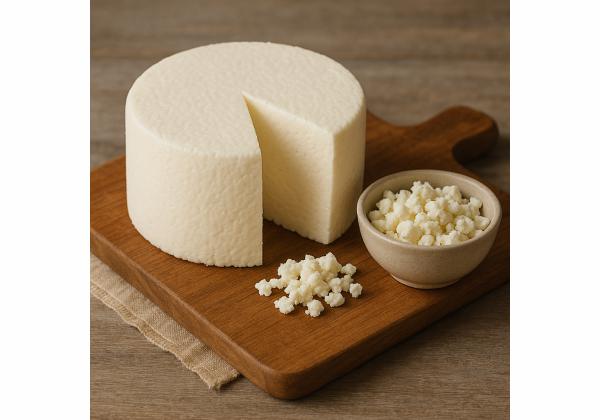
Queso fresco is the bright, fresh crumble that brings contrast and lift to tacos, roasted vegetables, tostadas, and summer salads. Mild, slightly tangy, and...
Queso Oaxaca Cheese: Calories, Protein, Calcium, and Healthy Ways to Enjoy It
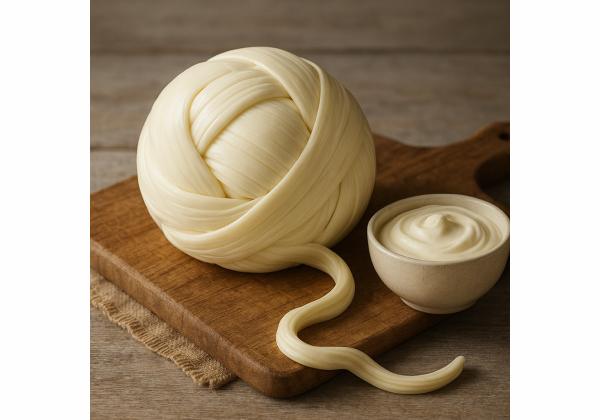
Queso Oaxaca—also called quesillo—is Mexico’s beloved string cheese: silky, gently elastic, and purpose-built for that satisfying cheese pull. It belongs to the pasta filata...
Raclette Cheese melting uses and nutrition facts: heart health insights, risks, and storage guide
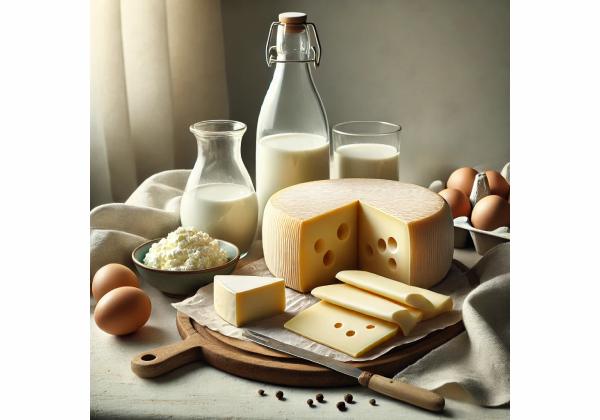
Raclette is the alpine original for cozy, crowd-pleasing melts—a supple, washed-rind cheese that turns silky under gentle heat and blankets potatoes, vegetables, bread, and...
Reblochon Cheese calories protein calcium per 100 g, health effects and pregnancy safety
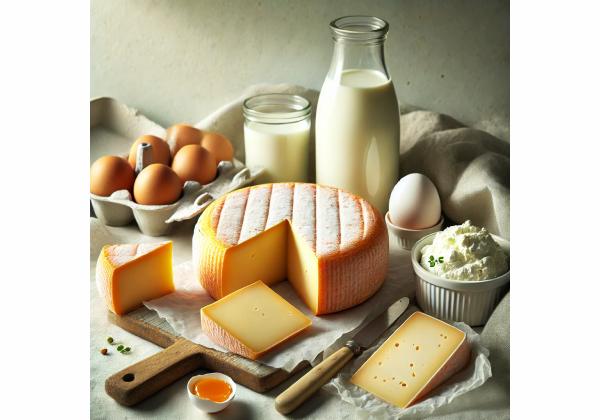
Reblochon is a soft, washed-rind cow’s milk cheese from the French Alps, famous for its creamy interior, nutty aroma, and gentle funk. Beyond its...
Reindeer Milk benefits and nutrition facts, lactose content, uses, and safety
Reindeer milk is one of the richest mammalian milks, evolved to nourish calves through Arctic winters. It is naturally concentrated in protein and fat,...
Rhea eggs nutrition facts, benefits and safety for cooking and storage
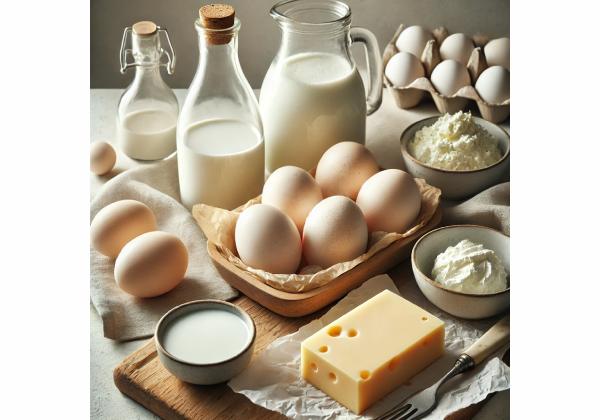
Rhea eggs are uncommon in most markets, but they have a long culinary and cultural history across parts of South America where greater rhea...