
Lutein and Zeaxanthin for Healthy Aging: Eye and Brain Support
Modern longevity is about protecting what lets you live well: clear vision, steady attention, and the ability to learn and adapt. Lutein and zeaxanthin—yellow...
Magnesium for Longevity: Sleep, Recovery, and Metabolic Health
Magnesium touches almost every system that shapes how well we age. It helps set our body clock, relaxes muscles after training, stabilizes blood sugar,...
Melatonin for Longevity: Sleep and Circadian Health in Aging
Melatonin is more than a sleep aid—it is a nightly time signal that helps the brain and body stay in sync. As we age,...
Microdose Lithium Orotate and Longevity: Evidence, Controversies, and Safety

Lithium has a long history in psychiatry at prescription doses, yet in recent years very low “microdose” supplements—most often as lithium orotate—have drawn attention...
NAC for Longevity: Oxidative Stress, Detox, and Resilience
N-acetylcysteine (NAC) has been used in hospitals for decades, yet its role in everyday health is less clear. As a precursor to glutathione—the cell’s...
NAD Plus in Aging: NR, NMN, Niacin, and Niacinamide Explained
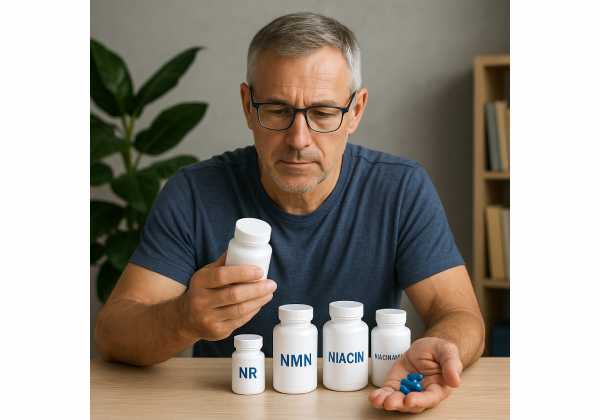
Aging changes how our cells make and spend energy. Nicotinamide adenine dinucleotide (NAD) sits at the center of that story. NAD supports mitochondrial ATP...
NMN and NR for Longevity: Evidence, Use Cases, and Regulatory Status
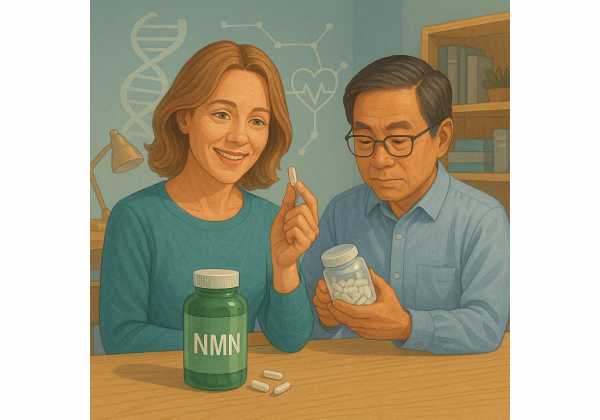
Aging gradually lowers cellular NAD, a cofactor that powers energy metabolism and stress responses. Two vitamin B3–family precursors—nicotinamide mononucleotide (NMN) and nicotinamide riboside (NR)—aim...
Omega 3s for Healthy Aging: EPA, DHA, and the Omega 3 Index
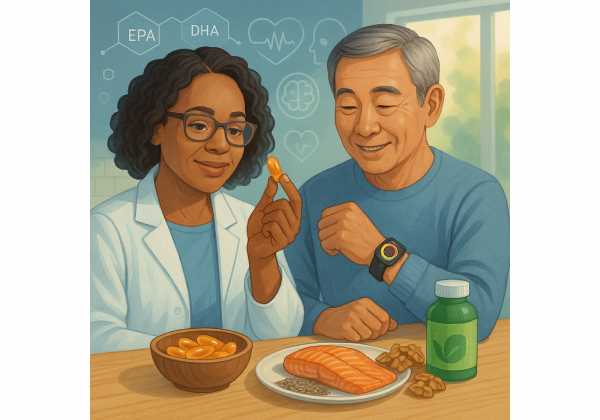
If you care about healthy aging, omega 3s are hard to ignore. Eicosapentaenoic acid (EPA) and docosahexaenoic acid (DHA) build cell membranes, modulate inflammation,...
Phosphatidylserine for Cognitive Aging: Memory and Stress Regulation
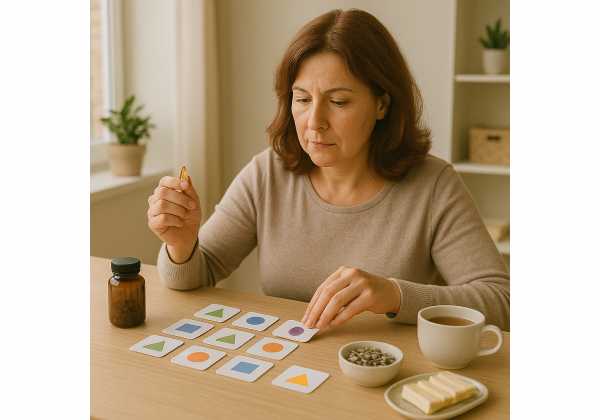
Aging challenges the brain’s resilience long before disease is diagnosed. People notice slower recall, more mental fatigue, and a sharper stress response. Phosphatidylserine (PS)...
PQQ for Longevity: Mitochondrial Biogenesis, Promise, and Limits

Longevity is not just “more years”—it is the energy, clarity, and resilience to use them well. Pyrroloquinoline quinone (PQQ) is a small, redox-active compound...
Prebiotics and Postbiotics for Longevity: Inulin, GOS, and Butyrate
Aging does not occur in isolation—it unfolds alongside changes in the trillions of microbes that inhabit the gut. Diet, medications, stress, and illness can...
Probiotics for Healthy Aging: Strains, Functions, and Evidence
A healthy gut changes how we age. As the years pass, microbial diversity often narrows, low-grade inflammation rises, and the gut barrier can become...
Pterostilbene for Healthy Aging: How It Compares to Resveratrol
Aging changes how our cells handle energy, stress, and inflammation. Many people know resveratrol—the red-grape polyphenol linked to cardiometabolic health. Pterostilbene is its close...
Quercetin for Longevity: Senotherapeutic Mechanisms and Safety
Quercetin is a dietary flavonol found in onions, capers, apples, and tea. It has drawn attention in longevity circles because it intersects two themes...
Resveratrol for Longevity: Mechanisms, Human Evidence, and Safety
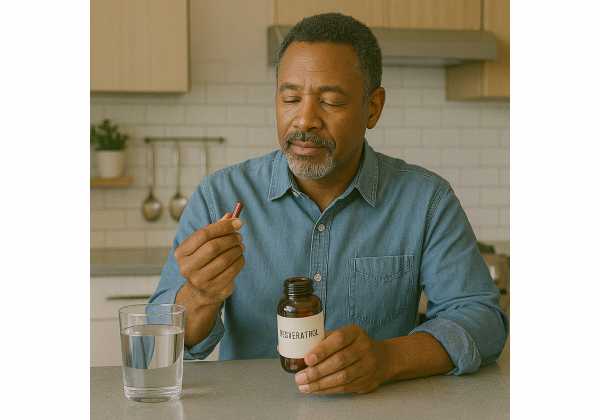
Resveratrol has traveled an unusual path—from a grape-skin compound linked to the “French Paradox” to one of the most studied nutraceuticals touching metabolism, vascular...
Rhodiola for Healthy Aging: Stress Resilience and Recovery

Rhodiola rosea has a long history in high-latitude folk medicine, where people used its root to stay sharp during long winters and heavy workloads....