
Peach nutrition data, vitamin C and fiber insights, and healthy recipes and storage

Peaches deliver summertime flavor with everyday practicality. A ripe peach is mostly water, light in calories, and rich in vitamin C, potassium, and protective...
Pear calories, carbs, fiber, and vitamins explained with serving sizes and tips

Pears are one of the few fruits picked firm and ripened off the tree, which makes them unusually forgiving to buy and easy to...
Persimmon nutrition facts and proven benefits, serving sizes, storage, and preparation
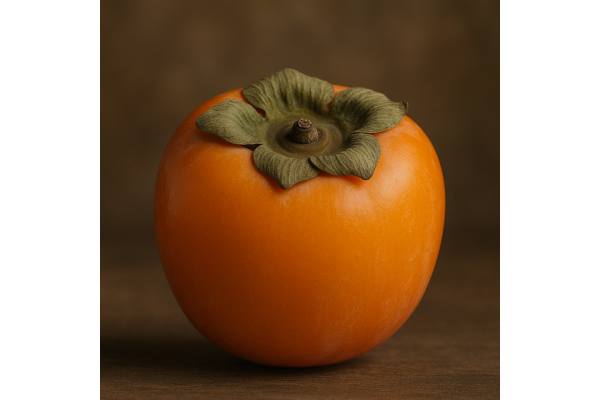
Persimmons bring a bright, honeyed sweetness to late-autumn tables. Whether you bite into a crisp Fuyu like an apple or spoon a jelly-soft Hachiya...
Pineapple nutrition facts and proven benefits, serving sizes, storage, and preparation
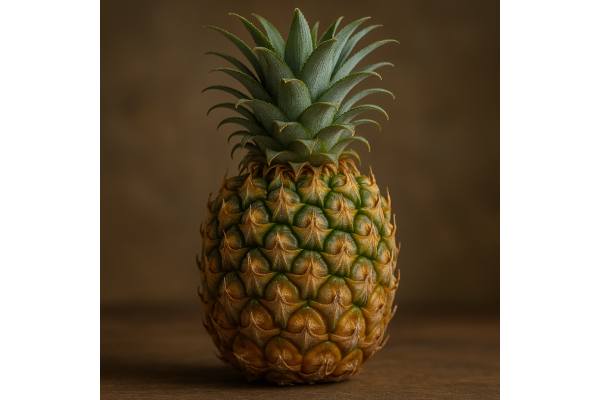
Sun-bright and unmistakably tangy-sweet, pineapple brings color and freshness to everything from fruit bowls to grilled mains. Beyond flavor, it offers practical nutrition: vitamin...
Plantain nutrition facts and health benefits explained, serving sizes, cooking tips, and safety

Plantains are the sturdy, savory cousin of dessert bananas—the workhorse starch that anchors meals across West and Central Africa, the Caribbean, and Latin America....
Plum nutrition facts and health benefits explained, evidence based uses, safety tips, and smart cooking

Plums are small stone fruits with outsized range. From crisp, tart skins to honeyed centers, they run the spectrum from bright red and gold...
Pomegranate health benefits and nutrition facts explained, plus safe uses and side effects
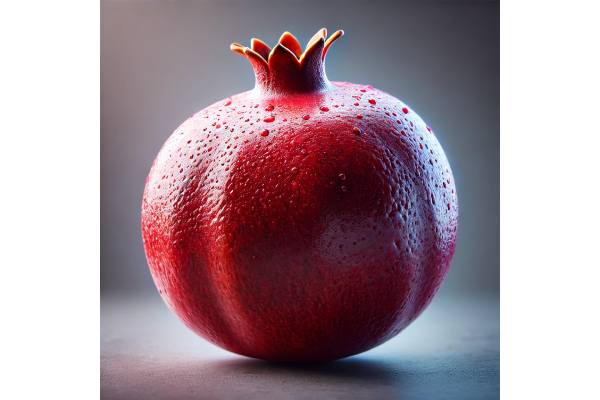
Juicy, jewel-red pomegranate arils bring a bright pop of sweetness, crunch, and color to both savory and sweet dishes. Beyond the flavor, this fruit...
Pomelo nutrition and vitamin C: calories, carbs, glycemic index, and practical uses
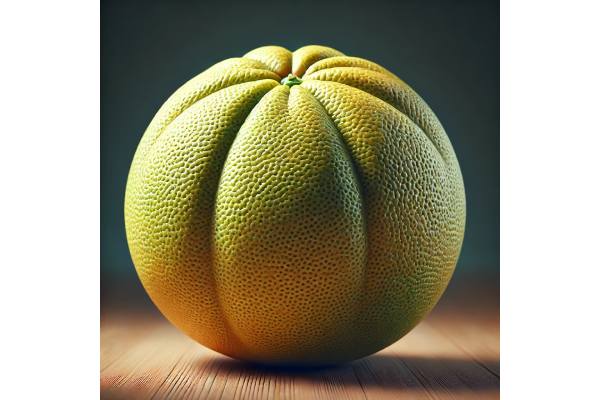
Pomelo (Citrus maxima), the largest citrus fruit, brings a mellow sweetness, floral aroma, and gentle bitterness that set it apart from grapefruit. Its thick...
Prickly pear benefits, nutrition facts, and how to use it safely

Prickly pear (the fruit of Opuntia ficus-indica) is a colorful, sweet-tart cactus fruit with a surprisingly rich nutrition profile. Beneath its spiny skin, the...
Pumpkin nutrition facts and health benefits explained, uses, risks, and smart cooking tips

Pumpkin is more than a fall decoration—it’s a versatile, nutrient-dense squash with year-round value in the kitchen. Its bright orange flesh is naturally low...
Quince nutrition and benefits: calories, vitamins, how to cook, and safety

Quince is an old-world fruit with modern appeal. Firm, fragrant, and astringent when raw, it transforms with heat into silky slices the color of...
Rambutan nutrition profile and wellness perks: vitamins, antioxidants, glycemic impact, and tips

Sweet, perfumed, and faintly floral, rambutan looks like a tiny sea urchin and eats like a juicy grape. Native to Southeast Asia and now...
Raspberry calories and carbs with fiber and vitamin C: fresh vs frozen, benefits, and safety
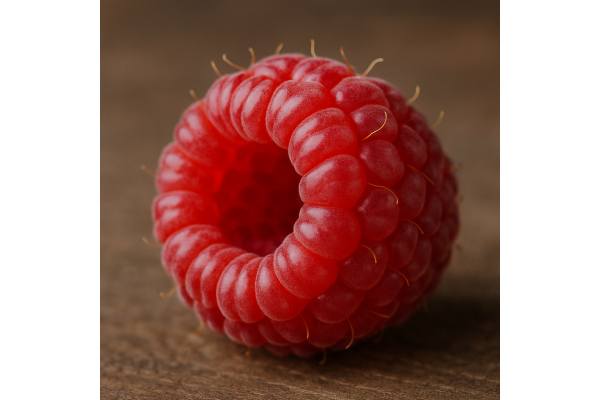
Raspberries are small, fragrant powerhouses that bring color, texture, and surprising nutrition to everyday meals. Behind their delicate drupelets lies an unusual combination for...
Soursop benefits and side effects: evidence-based guide to nutrition, risks, and smart servings
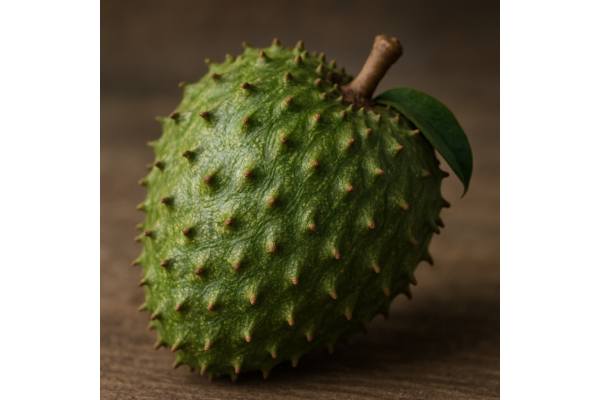
Soursop (Annona muricata), also called guanábana or graviola, is a tropical fruit prized for its sweet-tart flavor and creamy, custard-like pulp. Beyond taste, it...
Star fruit nutrition and health benefits, uses, and safe intake explained

Star fruit (Averrhoa carambola) is one of those rare foods that looks playful yet works hard for your health. Slice it crosswise and you...
Strawberry nutrition facts and health: vitamin C, fiber, antioxidants, and low glycemic options
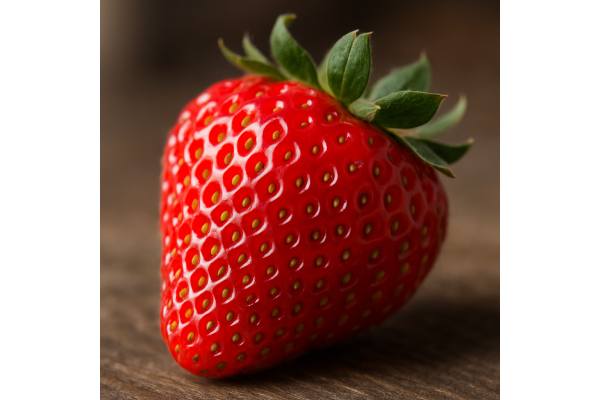
Strawberries bring bright flavor, balanced sweetness, and a surprising amount of nutrition for very few calories. A 100-gram serving (about ¾ cup, sliced) provides...
Tamarind benefits and side effects explained with nutrition facts

Tamarind is a sweet–tart fruit that adds bright acidity and complexity to dishes from India, Southeast Asia, the Caribbean, and beyond. Inside a brittle...
Tangerine nutrition facts per 100 g: vitamins, minerals, glycemic index, and serving tips

Tangerines (Citrus reticulata) offer a bright, sweet flavor, easy-to-peel skin, and seedless or low-seed varieties that fit snacks, salads, and desserts. One medium fruit...
Tomatillo nutrition and health benefits: calories, vitamins, lutein and cooking tips
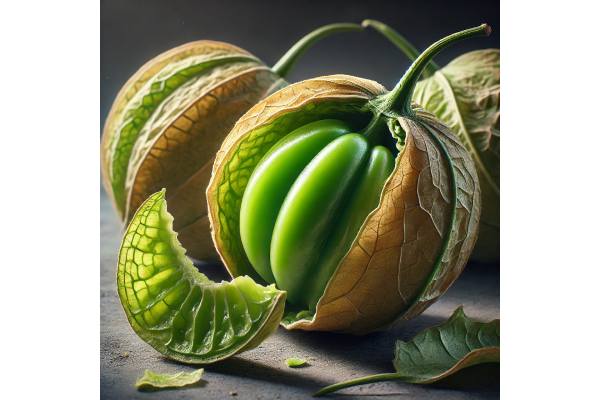
Bright, tart, and citrusy, tomatillos (Physalis philadelphica/ixocarpa) are the heart of salsa verde and a staple of Mexican and Central American cooking. Wrapped in...
Tomato nutrition facts per 100 g: macros, vitamins, minerals and serving ideas
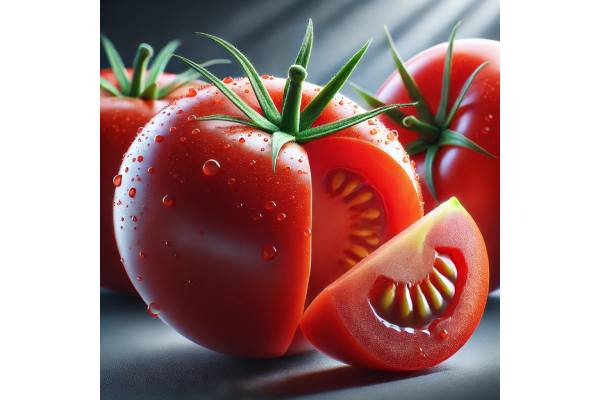
Juicy, sweet-acid, and deeply versatile, tomatoes are among the most-cooked fruits in home kitchens and professional restaurants alike. From crisp salads and quick pan...