
Queso Blanco Cheese benefits and risks, serving sizes, and smart ways to use it
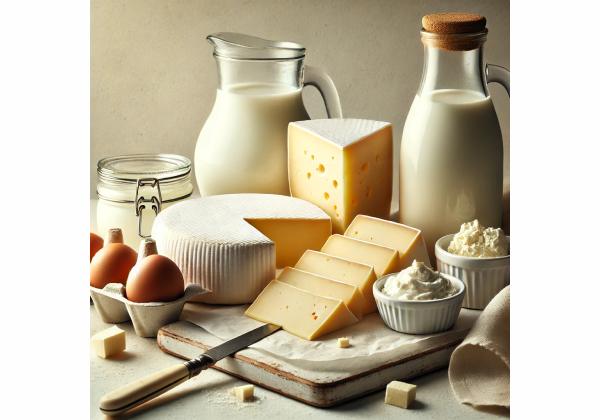
Queso blanco is a fresh, mild Latin-style cheese known for its clean dairy taste, creamy crumb, and distinctive non-melting character. Made by heating milk...
Queso Fresco Cheese nutrition per 100 g, calories, protein and calcium with safe use tips
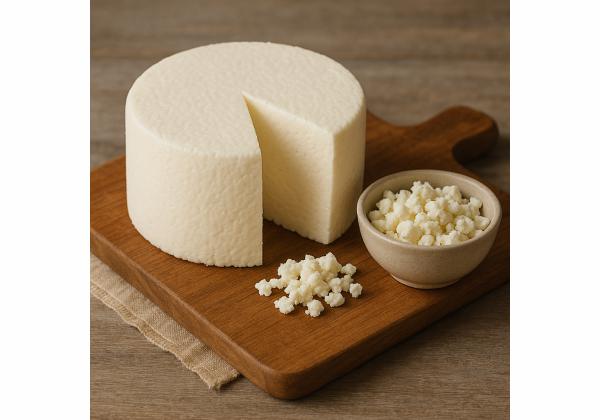
Queso fresco is the bright, fresh crumble that brings contrast and lift to tacos, roasted vegetables, tostadas, and summer salads. Mild, slightly tangy, and...
Queso Oaxaca Cheese: Calories, Protein, Calcium, and Healthy Ways to Enjoy It
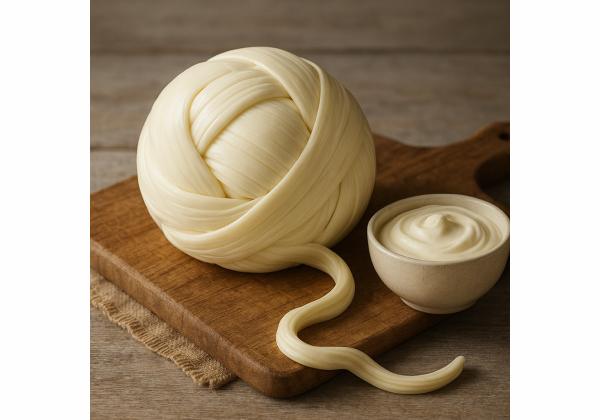
Queso Oaxaca—also called quesillo—is Mexico’s beloved string cheese: silky, gently elastic, and purpose-built for that satisfying cheese pull. It belongs to the pasta filata...
Raclette Cheese melting uses and nutrition facts: heart health insights, risks, and storage guide
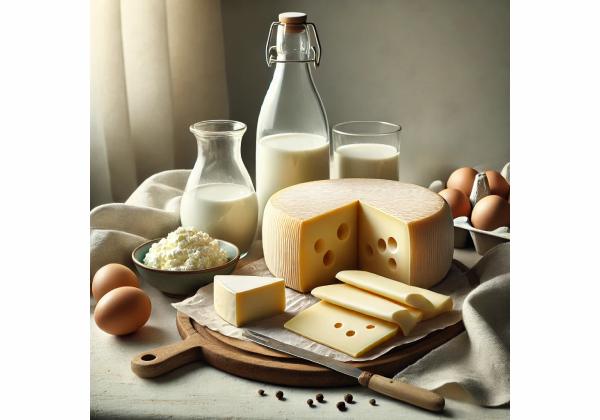
Raclette is the alpine original for cozy, crowd-pleasing melts—a supple, washed-rind cheese that turns silky under gentle heat and blankets potatoes, vegetables, bread, and...
Reblochon Cheese calories protein calcium per 100 g, health effects and pregnancy safety
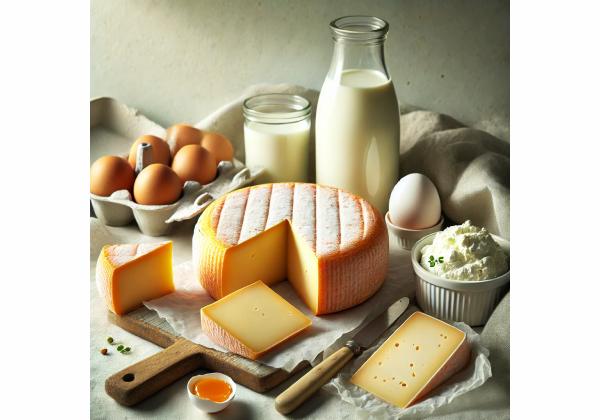
Reblochon is a soft, washed-rind cow’s milk cheese from the French Alps, famous for its creamy interior, nutty aroma, and gentle funk. Beyond its...
Reindeer Milk benefits and nutrition facts, lactose content, uses, and safety
Reindeer milk is one of the richest mammalian milks, evolved to nourish calves through Arctic winters. It is naturally concentrated in protein and fat,...
Rhea eggs nutrition facts, benefits and safety for cooking and storage
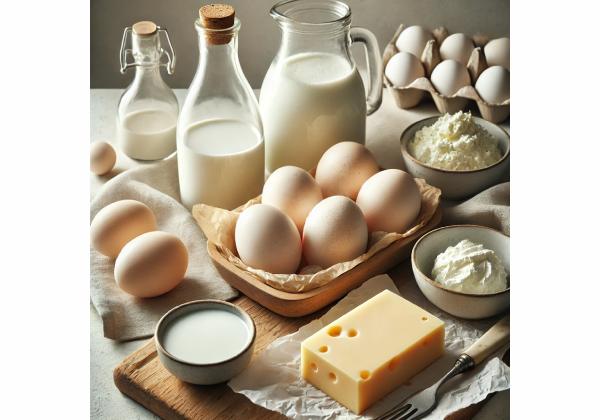
Rhea eggs are uncommon in most markets, but they have a long culinary and cultural history across parts of South America where greater rhea...
Ricotta Cheese nutrition profile, calories and protein per 100 g with healthy ways to use it
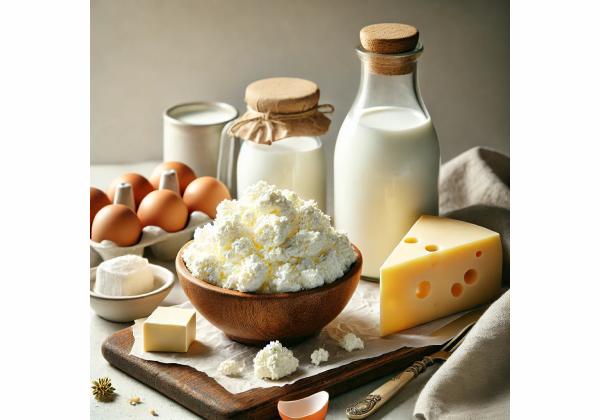
Ricotta is the gentle, cloud-like cheese that gives lasagna its creamy lift, cannoli their lush filling, and ricotta toast a satisfying, protein-rich base. Traditionally...
Roquefort Cheese nutrition and benefits explained with per 100 g values, safe portions and cooking tips
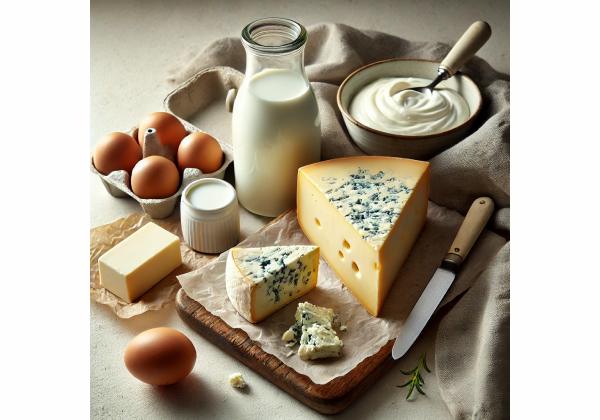
Roquefort is the original French blue cheese—aromatic, veined with sapphire mold, and famous for its protected origin. Made from raw Lacaune sheep’s milk and...
Saint-Nectaire Cheese benefits and nutrition facts: calories, protein, calcium, safety and serving tips
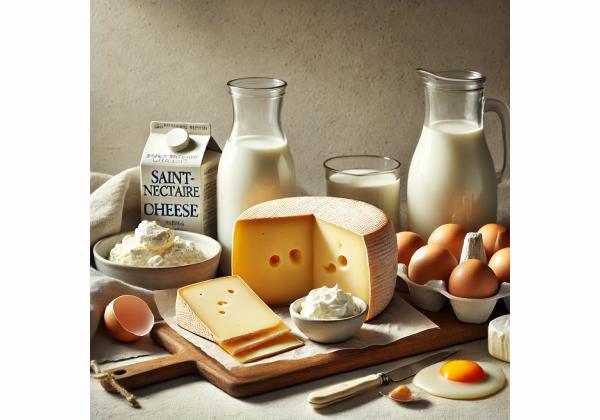
Saint-Nectaire is a semi-soft, washed-rind cow’s milk cheese from the volcanic uplands of Auvergne, France. Its rustic rind and supple, buttery paste carry aromas...
Scamorza Cheese benefits, nutrition, calories, protein, and healthy ways to use it
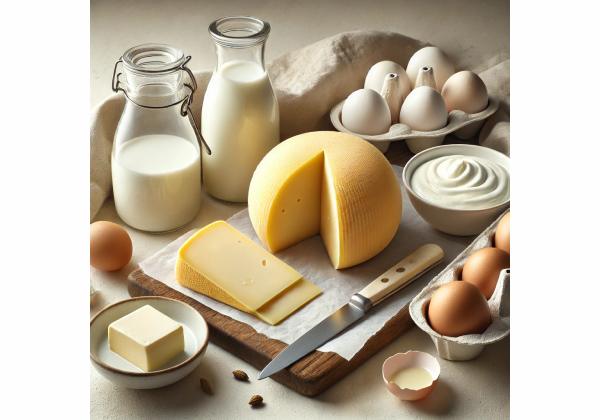
Scamorza is a Southern Italian, pasta filata (“stretched curd”) cheese with a gentle tang and a springy bite that turns irresistibly silky when heated....
Set Yogurt benefits and risks, macros per 100 g, and best ways to use
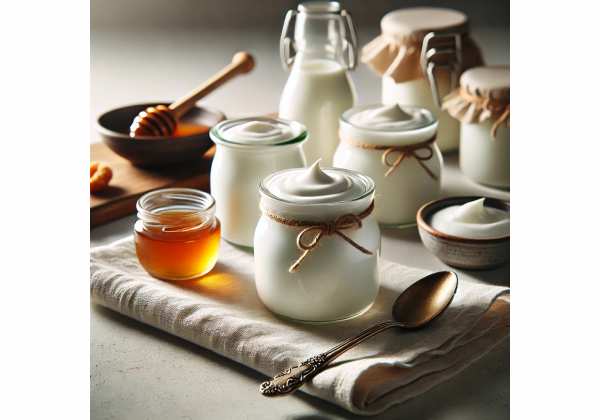
Set yogurt is the classic, spoonable yogurt that ferments directly in its cup. That in-package fermentation creates a delicate, custard-like gel that holds its...
Sheep Butter nutrition facts and benefits: calories, saturated fat, vitamins, and smart uses
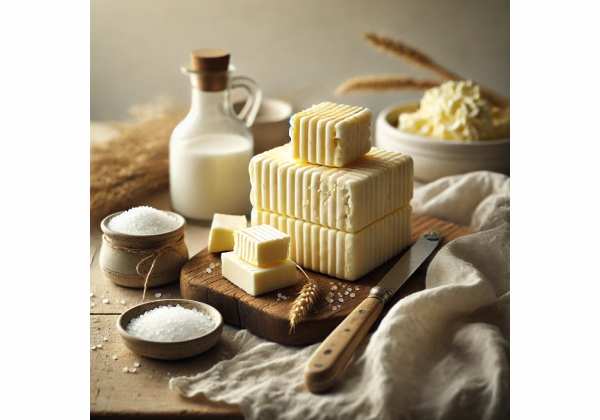
Sheep butter is a richly flavored, pale-gold spread churned from sheep milk cream. Thanks to sheep milk’s naturally higher solids (fat and protein), it...
Sheep Milk nutrition facts and comparisons: protein, calcium, lactose tolerance, and best uses
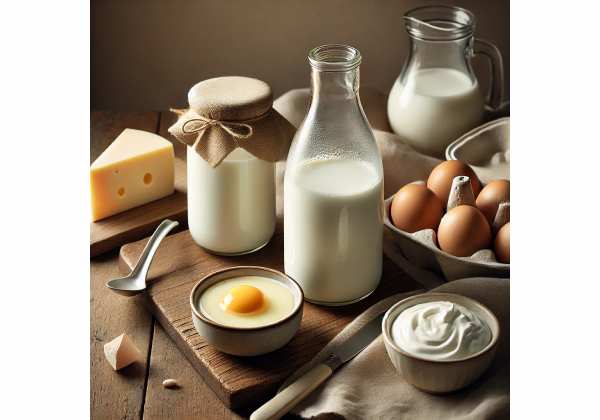
Sheep milk is a naturally rich, creamy dairy with distinct nutrition compared with cow and goat milk. Per 100 g, it typically delivers more...
Sheep Yogurt benefits and nutrition: protein, calcium, iodine, and probiotic uses explained
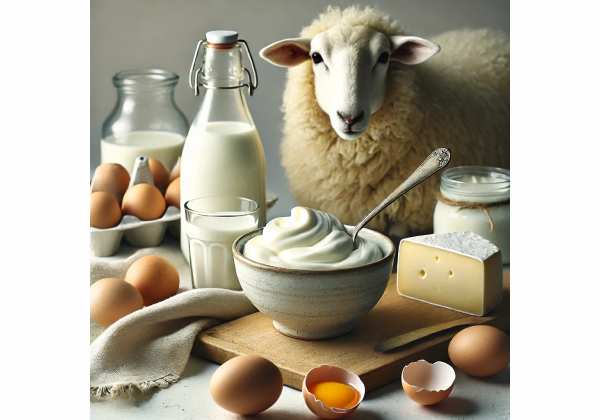
Sheep yogurt offers a rich, gently tangy spoonful with naturally higher protein and minerals than most cow-milk yogurts. Its creaminess comes from sheep milk’s...
Sirene Cheese health benefits and risks: sodium control, calcium, protein, portions, and safety tips
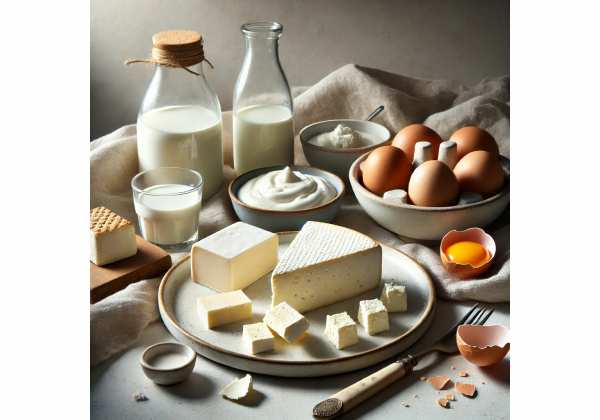
Sirene—Bulgaria’s iconic white brined cheese—is tangy, creamy, and pleasantly salty, with a delicate crumble that holds together better than many fetas. Traditionally made from...
Stilton Cheese health benefits and risks: sodium control, saturated fat, lactose tolerance, and portion tips
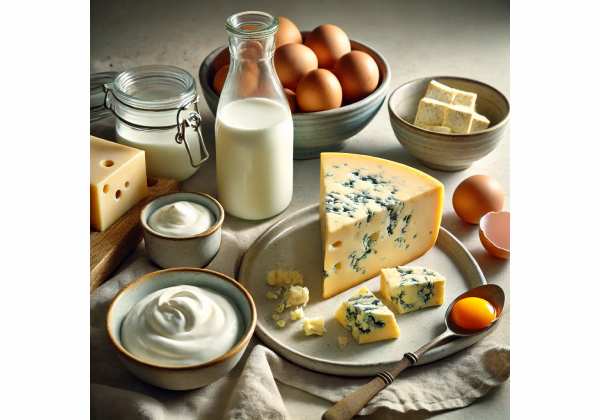
Stilton is England’s most famous blue, prized for a mellow tang, honeyed creaminess, and elegant blue veining. Protected by name and tradition, authentic Blue...
Stirred Yogurt benefits, protein, calcium, and live cultures for gut and bone health
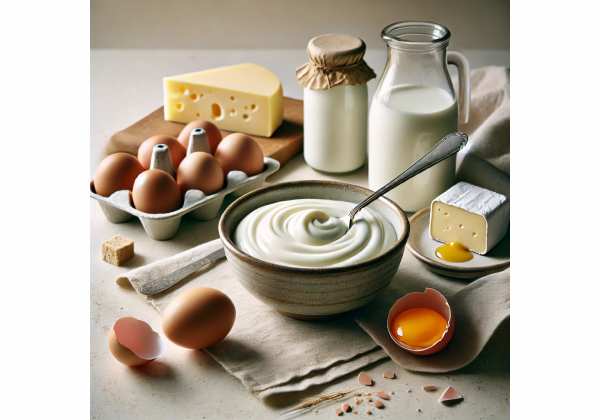
Stirred yogurt is the familiar, creamy spoonable yogurt you find in most cups and tubs. After fermentation in tanks, it’s gently mixed—hence “stirred”—to create...
Süzme Yogurt nutrition facts, protein and calcium benefits, and healthy uses explained
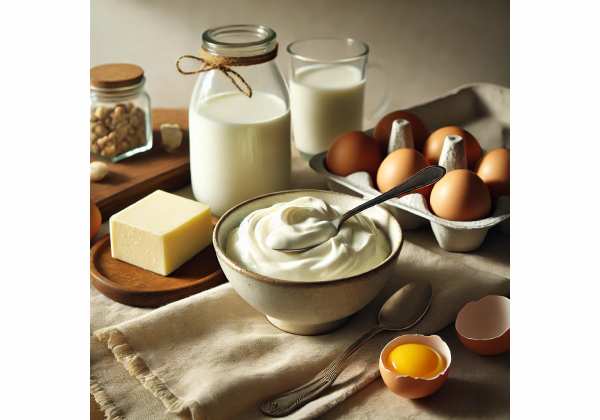
Süzme yogurt is the thick, creamy strained yogurt found across Türkiye and neighboring cuisines. Made by slowly draining the whey from cultured milk, it...
Taleggio Cheese calories protein calcium sodium per 100 g with health benefits and cautions
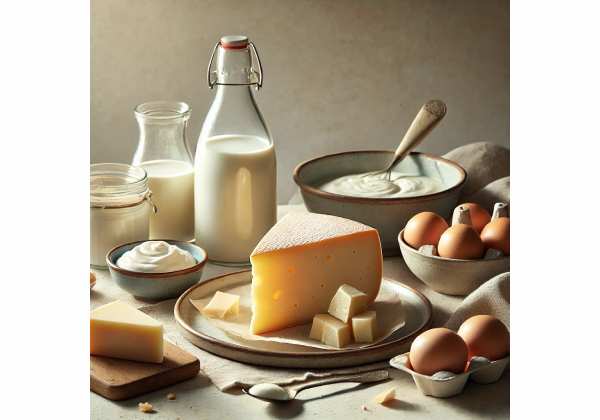
Taleggio is a semi-soft, smear-ripened Italian cow’s milk cheese with a thin washed rind, buttery body, and a lush aroma that hints at yeast,...