
Magnesium Gluconate: Daily Supplement Uses, Optimal Intake, Safety Notes, and Comparisons
Magnesium gluconate is a well-tolerated magnesium salt that pairs elemental magnesium with gluconic acid, a compound derived from glucose. Like all magnesium supplements, its...
Magnesium Glycerophosphate: Evidence-Based Benefits, Best Timing, Daily Dose, and Risks

Magnesium glycerophosphate is a soluble, well-tolerated magnesium salt that pairs elemental magnesium with glycerophosphoric acid, a compound related to the phosphate backbone in cells....
Magnesium Glycinate: What It Helps, Proper Use, Dosage Ranges, and Side Effects
Magnesium glycinate (also called magnesium bisglycinate) is a chelated form of magnesium in which each magnesium ion is bound to the amino acid glycine....
Magnesium Lactate: Health Benefits, How to Use, Recommended Dosage, and Safety

Magnesium lactate is a well-absorbed form of magnesium in which the mineral is bound to lactic acid. This pairing creates a salt that dissolves...
Magnesium Malate: Absorption, Benefits for Sleep and Migraine, Dosage, and Interactions

Magnesium malate combines elemental magnesium with malic acid—the same organic acid that gives green apples their tart snap. This pairing aims to deliver two...
Magnesium Orotate: Heart Health Support, Bioavailability Facts, Recommended Doses, and Side Effects

Magnesium orotate pairs elemental magnesium with orotic acid, a nucleotide precursor once called “vitamin B13.” This form is marketed as a heart-friendly, well-tolerated option...
Magnesium Oxide: Uses for Constipation and Heartburn, Optimal Doses, and Side Effects

Magnesium oxide is one of the most common and affordable magnesium salts. It delivers a high amount of elemental magnesium per tablet, yet it...
Magnesium Phosphate: Bioavailability, Best Uses, Recommended Dosage, and Interactions
Magnesium phosphate sits at the intersection of nutrition and formulation science. It provides elemental magnesium—the mineral behind muscle relaxation, nerve signaling, energy metabolism, and...
Magnesium Sulfate: Laxative and Medical Uses Explained, Optimal Doses, and Side Effects

Magnesium sulfate—better known as Epsom salt in its heptahydrate crystal form—is a time-tested compound used in two very different worlds: clinical medicine and home...
Magnesium Threonate: Brain Health Benefits, How to Use, Optimal Dosage, and Safety

Magnesium threonate (often labeled as magnesium L-threonate or “Magtein”) is a specialty form of magnesium bound to L-threonic acid, a vitamin C metabolite. It’s...
Magnesium: Evidence-Based Benefits, Daily Intake Guide, Interactions, and Risks

Magnesium is an essential mineral that quietly powers more than 300 enzyme reactions. It steadies your heartbeat, calms overactive nerves, supports muscle relaxation, and...
Magnolia Bark: Sleep Support, Stress Relief, Dosage, and Side Effects

Magnolia bark—traditionally used in East Asian medicine—has moved into modern wellness for sleep support, calmer moods, and stress resilience. The bark of Magnolia officinalis...
Magnolol: What It Is, Science-Backed Benefits, Recommended Intake, and Precautions
Magnolol is a bioactive compound concentrated in the bark of Magnolia officinalis, a tree long used in East Asian medicine. As a neolignan, magnolol...
Mai Men Dong: Evidence, Benefits for Throat Dryness, Proper Dosage, and Risks

Mai Men Dong (Ophiopogon japonicus) is a classic East Asian herb valued for soothing dryness and rebuilding fluids. Traditionally, it “nourishes yin,” a shorthand...
Malabar Kino: Metabolic Health Benefits, Proper Use, Dosage Guidelines, and Safety

Malabar kino (Pterocarpus marsupium) is a traditional Ayurvedic remedy used for metabolic support, especially healthy blood sugar. The heartwood and bark contain polyphenols such...
Malabar Nut benefits for cough and asthma, dosage, uses, and safety explained

Malabar Nut (Adhatoda vasica, also called Justicia adhatoda or Vasaka) is a classic respiratory herb long used across Ayurveda and Unani traditions. Modern lab...
Malic Acid benefits, uses, dosage, and side effects for energy, skin, and dry mouth
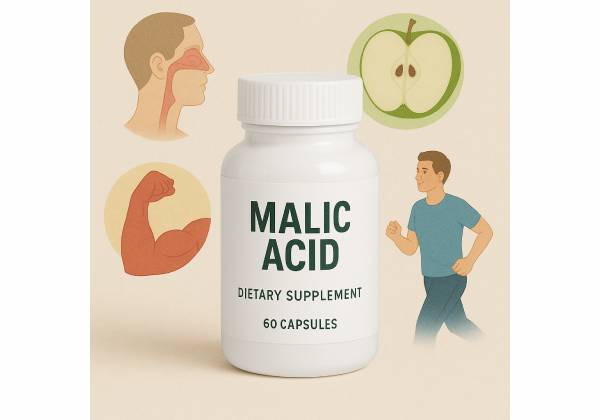
Malic acid is a tart-tasting organic acid found naturally in apples, berries, and many other fruits. Inside the body, its biologically active L-form (L-malic...
Malus domestica extract for skin and heart health: proven benefits, ideal dosage, how to use, and safety
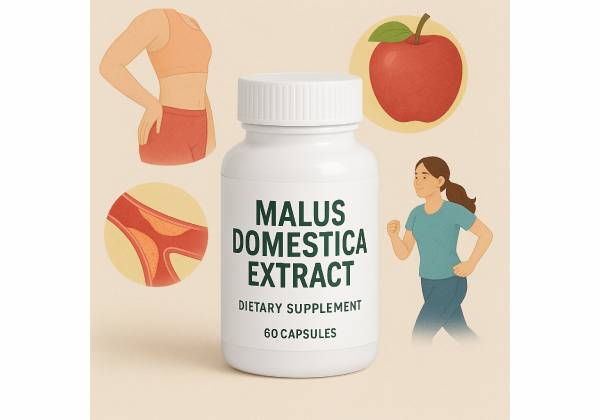
Malus domestica extract—often labeled as apple polyphenol extract or apple peel extract—concentrates the bioactive compounds that make apples a staple of heart-smart, skin-supportive nutrition....
Malvidin anthocyanin guide: real health effects, how to take it, dosage, and side effects
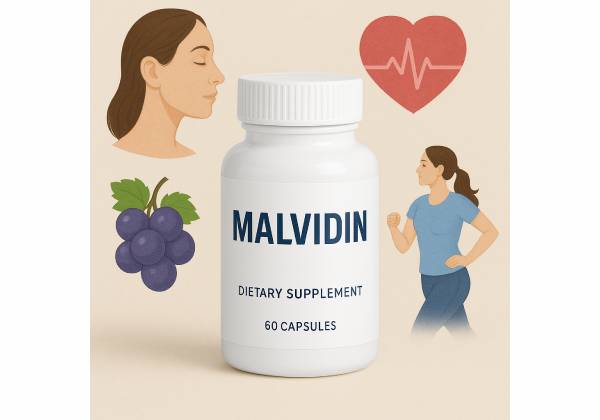
Malvidin is the deep-violet anthocyanidin that gives many red and blue fruits their jewel-toned color—especially red grapes, blueberries, and bilberries. In plants, malvidin and...
Mandelic Acid benefits and uses for acne, hyperpigmentation, and sensitive skin explained

Mandelic acid is an alpha-hydroxy acid (AHA) originally derived from bitter almonds and now produced synthetically for consistency and purity. Because its molecule is...