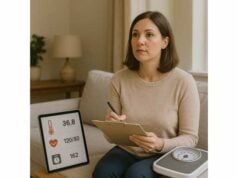
A long life loses much of its value when the final years are dominated by frailty, confusion, pain, or dependence. A healthy life is not the same as a disease-free life, either. Many people live well with treated blood pressure, replaced joints, hearing aids, or carefully managed diabetes. The more useful aim is a life with enough physical capacity, mental clarity, emotional steadiness, and social connection to keep participating in the activities that give life shape.
Longevity describes how long a person lives. Healthspan describes how much of that life is spent in good enough health to function, adapt, recover, and make choices. The two overlap, but they do not always rise together. Modern medicine has become very good at keeping people alive. The harder work is preserving mobility, cognition, metabolic health, and independence for as many of those years as possible.
Table of Contents
- Lifespan and Healthspan Defined
- Why Extra Years Can Become Fragile Years
- The Healthspan Skills Worth Protecting
- How to Measure Healthspan in Real Life
- The High-Return Levers
- Where Longevity Advice Goes Wrong
- A Practical Healthspan Playbook
- Bringing Longevity and Healthspan Together
Lifespan and Healthspan Defined
Lifespan is the total number of years lived. It has a clear end point: death. Healthspan is harder to pin down because health is not a single switch that turns off at a certain age. A person might have excellent mobility and poor sleep, strong memory and high blood pressure, or a cancer history but a full and active life.
Healthspan is best understood as the period of life when health supports daily function instead of repeatedly limiting it. It includes:
- Moving around safely and confidently
- Thinking clearly enough to work, learn, plan, and connect
- Maintaining muscle, bone, balance, and stamina
- Recovering from infections, injuries, poor sleep, and stress
- Managing risk factors before they become disability
- Staying socially and emotionally engaged
This definition avoids an unrealistic standard. A 72-year-old with treated hypertension, good leg strength, stable mood, close friendships, and the ability to hike, cook, travel, and care for grandchildren has a strong healthspan. A 52-year-old with untreated sleep apnea, rising glucose, weak grip strength, chronic fatigue, and increasing isolation has warning signs, even if no major diagnosis has arrived yet.
Healthspan also differs from “peak performance.” The body’s fastest sprint, highest VO₂max, and quickest reaction time usually appear earlier in adulthood. Healthy aging does not require keeping the body at its 25-year-old maximum. It means slowing the loss of reserve so normal life remains manageable and setbacks do not cause a permanent drop.
| Concept | What it measures | Why it matters | Common mistake |
|---|---|---|---|
| Lifespan | Total years lived | Captures survival and mortality risk | Assuming more years always mean better years |
| Healthspan | Years lived with good function and manageable disease burden | Captures independence, capacity, and quality of life | Defining it as perfect health with no diagnosis |
| Functional reserve | Extra capacity above daily needs | Protects against illness, injury, surgery, and stress | Waiting until function is already lost before training it |
| Healthy longevity | Long life plus preserved function | Combines survival with lived ability | Chasing biomarkers while ignoring strength, sleep, and relationships |
A useful longevity plan respects both sides. Lifespan without healthspan risks prolonged dependence. Healthspan without attention to major disease prevention leaves preventable heart disease, stroke, cancer, dementia, and kidney disease unchecked.
Why Extra Years Can Become Fragile Years
Longer life has become common because sanitation, vaccines, antibiotics, safer childbirth, cardiovascular treatment, cancer screening, trauma care, and better chronic disease management have pushed many deaths later in life. These gains are real. They also create a new challenge: more people now live long enough to accumulate several chronic conditions at once.
The healthspan gap appears when extra years include more time with disability, pain, fatigue, cognitive decline, or dependence. This gap is not caused by age alone. It reflects the slow accumulation of risks across decades: high blood pressure, insulin resistance, smoking, low fitness, poor sleep, weak muscles, loneliness, hearing loss, untreated depression, medication burden, and unsafe environments.
Aging biology adds another layer. Cells and tissues face gradual changes in DNA repair, protein quality control, mitochondrial energy production, immune regulation, inflammation, stem cell function, nutrient sensing, and cellular cleanup. These processes do not act in isolation. They interact with food, movement, sleep, toxins, infection, stress, and disease. A plain-language overview of the hallmarks of aging helps explain why aging affects many body systems at once.
The important point is that healthspan decline often starts before a dramatic diagnosis. Early clues include needing longer to recover from ordinary tasks, losing walking speed, avoiding stairs, gaining waist size, sleeping poorly, forgetting names more often, or needing more medications each year. None of these signs proves disaster. Together, they show shrinking reserve.
Compression of morbidity
The ideal pattern is called compression of morbidity: a person lives a long, active life and experiences serious illness or disability for a shorter period near the end. This does not mean avoiding all disease. It means delaying the point when disease takes over daily life.
A compressed decline might look like this: an 84-year-old remains mobile, socially engaged, mentally sharp, and mostly independent until a serious illness develops in the final year or two. An expanded decline looks different: back pain, poor balance, uncontrolled diabetes, social withdrawal, and repeated hospitalizations start in the early 60s and gradually narrow life for 20 years.
The second path is not destiny. Many healthspan levers work because they preserve reserve before a crisis arrives.
Disease control and function are different jobs
Medical care often measures disease control: blood pressure, cholesterol, A1c, scans, kidney function, cancer markers, and medication response. These are essential. They do not fully describe how well a person lives.
Function asks different questions:
- How fast do you walk?
- How easily do you get off the floor?
- Do you climb stairs without pulling yourself up the rail?
- Do you hear conversations in noisy rooms?
- Do you sleep enough to recover?
- Do you have people who notice when you are not well?
- Do you still learn, plan, and solve problems?
Both forms of tracking matter. The skill is connecting surrogate markers and real-world outcomes so the numbers serve daily life instead of becoming the whole project.
The Healthspan Skills Worth Protecting
Healthspan becomes easier to improve when it is broken into trainable skills. The body and brain need enough capacity to meet ordinary demands with room left over for surprises.
Mobility: the freedom to move through the world
Mobility includes joint range of motion, balance, coordination, walking speed, leg strength, foot function, and confidence. It determines whether a person keeps shopping, traveling, visiting friends, using public transport, gardening, and managing a home.
Loss of mobility often creates a downward spiral. Pain or fear reduces movement. Reduced movement weakens muscle and balance. Weakness raises fall risk. Fall risk increases fear. Life gets smaller. The earlier mobility is protected, the easier it is to maintain.
Strong mobility does not require athletic identity. It requires repeated exposure to useful movements: squatting to a chair, hinging at the hips, carrying groceries, stepping up, rotating safely, walking on uneven ground, and getting down to and up from the floor.
Strength and power: the reserve that protects independence
Strength is the ability to produce force. Power is the ability to produce force quickly. Both decline with age unless trained. Power often declines faster, which matters because real life demands quick responses: catching a stumble, crossing a street, lifting luggage, or reacting when a child runs toward you.
Muscle is not only for appearance. It supports glucose control, joint stability, bone loading, metabolic rate, and recovery after illness. Low muscle mass and weak grip strength often travel with frailty, falls, hospitalization, and loss of independence.
Aging adults benefit from training major muscle groups at least twice weekly, with enough effort to challenge the body while keeping technique safe. The exact exercises matter less than consistency, progression, and recovery.
Cardiorespiratory fitness: the engine for daily stamina
Cardiorespiratory fitness reflects how well the heart, lungs, blood vessels, and muscles deliver and use oxygen. Higher fitness makes ordinary life easier. A brisk walk, airport transfer, staircase, hill, dance class, or long day with family costs less when the engine is larger.
Low fitness turns daily tasks into near-max efforts. That leaves less reserve for illness, heat, travel, poor sleep, or emotional stress. Aerobic training also supports blood pressure, insulin sensitivity, mood, brain blood flow, and mitochondrial function.
A balanced program includes easy-to-moderate aerobic work, harder intervals when appropriate, and plenty of ordinary walking. The best plan is one the person repeats for years.
Cognitive and emotional function: the ability to steer life
Brain healthspan is not only memory. It includes attention, judgment, processing speed, mood, emotional regulation, social cognition, language, and the ability to adapt. Depression, anxiety, poor sleep, hearing loss, loneliness, high blood pressure, diabetes, and inactivity all chip away at cognitive reserve.
Protecting the brain includes medical basics, but also a rich daily life: conversation, learning, music, movement, sunlight, meaningful tasks, and enough sleep. A narrow routine with little novelty, little movement, and little connection weakens the brain’s environment even when lab tests look fine.
Recovery capacity: the hidden marker of resilience
Recovery capacity is the ability to return to baseline after stress. It shows up after a bad night, hard workout, infection, travel day, emotional shock, or minor surgery. Younger bodies often recover automatically. Older bodies need more deliberate support.
Poor recovery looks like lingering soreness, repeated injuries, appetite changes, mood swings, rising resting heart rate, worse glucose control, or needing days to bounce back from normal demands. Good recovery comes from sleep regularity, protein, hydration, gradual training, stress skills, sunlight, social support, and planned easier weeks.
How to Measure Healthspan in Real Life
Healthspan does not fit into one lab value. The best snapshot combines function, symptoms, medical risk, and daily life. A small set of repeatable measures beats an expensive panel that never changes behavior.
Start with a baseline. Record results, choose priorities, and repeat every 3 to 6 months for behavior-linked measures or yearly for slower-moving markers.
| Area | Simple measure | Why it matters | Reasonable tracking rhythm |
|---|---|---|---|
| Strength | Grip strength, push-ups, loaded carry, chair stands | Reflects muscle reserve and independence | Every 8–12 weeks |
| Mobility | Gait speed, balance hold, sit-to-stand, floor transfer | Signals fall risk and daily function | Every 8–12 weeks |
| Aerobic fitness | Resting heart rate, 6-minute walk, step test, field VO₂ estimate | Shows stamina and cardiovascular reserve | Every 3–6 months |
| Metabolic health | Waist-to-height ratio, blood pressure, A1c, fasting glucose, lipids | Tracks cardiometabolic disease risk | Every 3–12 months, based on risk |
| Sleep and recovery | Sleep duration, wake time regularity, daytime energy, resting heart rate | Shows whether the body restores itself | Weekly trend review |
| Life function | Activities you still do without avoidance | Captures lived ability, not just numbers | Monthly reflection |
Functional tests deserve special attention because they reveal capacity directly. Grip, gait speed, and sit-to-stand tests are low-cost and repeatable. They also catch issues that lab work misses. A person interested in structured tracking should consider grip, gait speed, and sit-to-stand alongside broader simple fitness tests.
For metabolic risk, waist size adds useful context because visceral fat strongly affects insulin resistance, blood pressure, inflammation, and fatty liver risk. A home tape measure is often more actionable than a scale. Tracking waist measures with blood pressure and glucose markers gives a clearer view of metabolic healthspan.
Blood tests help when they answer a decision. A1c, fasting glucose, fasting insulin, lipids, kidney markers, liver enzymes, vitamin B12, vitamin D, thyroid markers, and inflammatory markers all have a place in the right context. They become less useful when repeated without a plan. For glucose risk, A1c, fasting glucose, and fasting insulin help distinguish normal blood sugar from early insulin resistance.
Wearables help most when they reveal patterns: sleep timing, resting heart rate, activity consistency, and recovery trends. They are less reliable as judges of exact sleep stages or readiness scores. Treat devices as feedback tools, not authorities. A practical approach to sleep and wearables focuses on trends that change behavior.
The High-Return Levers
The strongest healthspan levers are not exotic. They work because they affect many systems at once and compound over time.
Train muscle twice weekly or more
Strength training protects muscle, bone, glucose control, joint capacity, balance, and confidence. A useful weekly minimum includes 2 full-body sessions that train squat or sit-to-stand patterns, hinges, pushes, pulls, carries, and core control. Older adults often do well with 2 to 4 sets per movement, 6 to 12 controlled reps for many exercises, and a level of effort that leaves 1 to 3 good reps in reserve.
Beginners should start below their true capacity and build gradually. Soreness is not proof of success. Better signs include improved technique, steadier joints, easier stairs, stronger carries, and fewer aches during daily life. A structured strength plan turns this into a repeatable weekly routine.
Build an aerobic base
Aerobic training supports the heart, blood vessels, brain, mitochondria, insulin sensitivity, mood, and endurance. Most adults benefit from 150 to 300 minutes per week of moderate-intensity aerobic activity, 75 to 150 minutes of vigorous activity, or a blend of both. Moderate intensity means breathing harder but still speaking in short sentences.
Zone 2 training is a practical way to build the aerobic base without crushing recovery. It usually feels sustainable, rhythmic, and controlled. Brisk walking, cycling, rowing, swimming, incline treadmill work, and easy jogging all work when matched to the person’s current fitness. A beginner might start with 20 minutes 3 times weekly. A fitter person might use 45 to 60 minutes several times weekly. The right Zone 2 training dose supports life instead of draining it.
Protect sleep like a recovery system
Sleep is when the brain and body repair, regulate appetite, consolidate memory, manage immune activity, and restore emotional balance. Adults generally do best with 7 to 9 hours of sleep opportunity, stable wake times, morning light, evening dimness, and a bedroom that is cool, dark, and quiet.
Sleep problems deserve earlier attention than most people give them. Loud snoring, witnessed breathing pauses, morning headaches, high blood pressure, daytime sleepiness, and waking unrefreshed point toward sleep apnea screening. Chronic insomnia responds best to behavioral treatment, especially CBT-I, rather than long-term reliance on sedatives.
Eat to preserve muscle and metabolic health
Healthspan nutrition is not a purity contest. It should support lean mass, stable energy, cardiometabolic health, digestion, and enjoyment.
Most adults benefit from a pattern built around:
- Protein at each meal, often 25–40 g depending on body size and needs
- High-fiber plants, including beans, lentils, vegetables, fruit, nuts, seeds, and whole grains
- Unsaturated fats from olive oil, nuts, seeds, avocado, fish, and similar foods
- Fermented foods when tolerated
- Fewer ultra-processed foods, sugary drinks, and low-protein snack meals
- Enough total food to avoid unplanned muscle loss
Older adults often need more protein than the standard adult minimum, especially during weight loss, illness, or heavy training. Many do well around 1.0–1.2 g/kg/day, with higher ranges used in selected cases under professional guidance. Kidney disease, advanced liver disease, and complex medical conditions require individualized advice.
Keep blood pressure, lipids, and glucose out of the danger zone
Cardiovascular and metabolic disease are major threats to both lifespan and healthspan. High blood pressure injures arteries, kidneys, heart muscle, and the small vessels of the brain. High ApoB or non-HDL cholesterol raises atherosclerosis risk. Insulin resistance increases the odds of type 2 diabetes, fatty liver, hypertension, and vascular disease.
Lifestyle has real power, but medication is not failure. Treating blood pressure, lipids, glucose, and atrial fibrillation at the right time prevents strokes, heart attacks, kidney decline, vision loss, and disability. The healthspan-focused view is simple: use the safest effective tools early enough to prevent irreversible damage.
Invest in connection and purpose
Social connection is not a soft extra. It affects behavior, stress biology, mood, cognition, sleep, and survival. People with meaningful relationships often move more, recover better, seek care earlier, and maintain routines more easily.
Purpose does not need to be grand. It might be caregiving, craft, faith, mentoring, gardening, volunteering, learning, or building something useful. The protective effect comes from having reasons to stay engaged and people who expect your presence.
Where Longevity Advice Goes Wrong
Longevity culture often jumps toward advanced tests, supplements, fasting protocols, cold plunges, biological age clocks, peptides, and drug experiments. Some tools deserve study. Many are marketed far ahead of proof. The problem is not curiosity. The problem is poor sequencing.
Optimizing tiny signals while ignoring large risks
A person who sleeps 5 hours, has untreated blood pressure, avoids strength training, drinks heavily, and has no primary care plan gains little from obsessing over a marginal supplement. The biggest risks deserve first attention because they have the largest effect on future independence.
The highest-priority basics are often boring: blood pressure control, tobacco avoidance, walking, strength training, protein, fiber, sleep, dental care, hearing checks, vaccinations, medication review, and social support. These do not trend online as often as experimental therapies, but they protect real life.
Confusing weight loss with healthspan
Weight loss helps when excess body fat drives high blood pressure, glucose problems, fatty liver, sleep apnea, pain, or low mobility. But weight loss that strips muscle harms healthspan. Rapid dieting, low protein, no resistance training, and repeated weight cycling leave people lighter but weaker.
The better target is body composition and function: less visceral fat, more or preserved muscle, better fitness, stronger legs, improved waist-to-height ratio, lower blood pressure, and steadier glucose. The scale belongs in the toolkit, not on the throne.
Using stress as medicine without dosing it
Exercise, heat, cold, fasting, altitude, and other stressors work only when the body adapts. More stress is not automatically better. A hard workout after poor sleep, under-eating, emotional strain, and a sauna session might exceed recovery capacity.
Hormetic stress should leave the person stronger over time. Warning signs of overreach include declining performance, poor sleep, irritability, repeated illness, loss of appetite, persistent soreness, and dread before training. In those cases, the longevity move is not more intensity. It is recovery, food, sleep, and a smaller dose.
Collecting data without decisions
Health data should lead to action. A wearable score, lab marker, or scan result has limited value unless it changes a decision: train differently, treat a risk factor, adjust sleep timing, improve nutrition, repeat a test, or seek medical evaluation.
A simple rule helps: before ordering a test, ask what you will do with each likely result. If the answer is “nothing,” wait. If the result will guide treatment, behavior, or follow-up, it has a clearer role.
A Practical Healthspan Playbook
A strong healthspan plan starts with the current bottleneck, not the most fashionable intervention. The best first move is the one that removes the largest constraint on future capacity.
Step 1: Name the function you refuse to lose
Choose concrete abilities. Examples include:
- Walk 3 miles without pain
- Get off the floor without using furniture
- Carry two bags of groceries up stairs
- Travel without exhaustion
- Play actively with grandchildren
- Keep blood pressure controlled with or without medication
- Stay sharp enough to work, learn, and manage finances
- Maintain friendships and weekly social contact
These statements make healthspan visible. They also guide training. A person who wants to hike needs aerobic base, leg strength, balance, foot tolerance, and gradual exposure to hills. A person who wants to avoid falls needs power, vision checks, home safety, medication review, and balance practice.
Step 2: Build a baseline
Measure only what you are ready to use. A strong starter baseline includes:
- Blood pressure measured correctly at home
- Waist-to-height ratio
- A1c or fasting glucose, plus fasting insulin when insulin resistance is suspected
- Lipids, ideally including ApoB or non-HDL cholesterol
- A simple strength marker, such as sit-to-stand or grip
- A walking or step test
- Sleep duration and wake-time regularity
- A list of current medications and supplements
- A short inventory of pain, mood, energy, and social connection
This baseline supports triage. Someone with very high blood pressure needs medical attention before an aggressive fitness challenge. Someone with normal labs but poor gait speed needs more strength, balance, and walking capacity. Someone with good workouts but poor sleep needs recovery repair.
Step 3: Choose one primary lever for 8 to 12 weeks
Healthspan improves through repeated behaviors, not annual bursts of motivation. Select one primary lever and two supporting habits.
Examples:
- Primary lever: strength training twice weekly. Supporting habits: protein at breakfast and a 10-minute walk after dinner.
- Primary lever: sleep regularity. Supporting habits: morning outdoor light and caffeine cutoff by early afternoon.
- Primary lever: blood pressure control. Supporting habits: home readings 4 days per week and 30 minutes of walking most days.
- Primary lever: social reconnection. Supporting habits: one standing weekly call and one in-person activity.
Eight to 12 weeks is long enough to see a signal and short enough to stay focused. This is also the right time frame to begin building a longevity plan that links goals, bottlenecks, actions, and follow-up.
Step 4: Progress slowly enough to keep going
The body adapts to repeated manageable stress. A plan that causes injury, dread, or exhaustion fails even if it looks ideal on paper. Progress by small steps: 5 more minutes, 1 more set, a slightly heavier weight, one extra serving of vegetables, one earlier bedtime, one more social commitment.
Consistency creates identity. The person who walks every morning, trains twice weekly, checks blood pressure, and protects sleep becomes someone who maintains healthspan by default.
Step 5: Review and adjust
Every month, ask:
- What improved?
- What became easier?
- What still blocks progress?
- Which habit felt too hard?
- Which number changed?
- Which daily function changed?
- What needs medical input?
A review prevents two common errors: abandoning a plan too early and repeating a plan that is not working. Healthspan work is iterative. It needs feedback.
Bringing Longevity and Healthspan Together
The best aging strategy does not choose between lifespan and healthspan. It aims for both: fewer preventable deaths and fewer years lost to disability. That means treating disease risk seriously while also training the capacities that make life feel livable.
A healthy longevity plan has three layers.
The first layer is risk prevention. It includes blood pressure control, lipid management, glucose control, tobacco avoidance, cancer screening when appropriate, vaccinations, dental care, sleep apnea treatment, kidney protection, and safe medication use. This layer protects survival.
The second layer is capacity building. It includes strength, aerobic fitness, balance, mobility, protein, sleep, and recovery. This layer protects independence.
The third layer is life design. It includes relationships, purpose, environment, routines, access, finances, safety, and meaning. This layer protects participation.
These layers reinforce each other. Better sleep improves training and glucose control. Stronger legs increase social activity. Social activity protects mood and cognition. Lower blood pressure protects brain function. Protein supports muscle. Walking improves insulin sensitivity. Medical care prevents silent risks from becoming sudden disability.
Healthy aging is not a single protocol. It is a long negotiation between biology, behavior, environment, medicine, and values. The right question is not how to live forever. It is how to keep enough capacity, clarity, and connection to use the years you are likely to have.
References
- GHE: Life expectancy and healthy life expectancy 2024 (Official Data)
- Definitions of healthspan: A systematic review 2025 (Systematic Review)
- Healthspan-lifespan gap differs in magnitude and disease contribution across world regions 2025 (Review)
- Resistance Training and Mortality Risk: A Systematic Review and Meta-Analysis 2022 (Systematic Review)
- WHO guidelines on physical activity and sedentary behaviour 2020 (Guideline)
- Protein intake and exercise for optimal muscle function with aging: Recommendations from the ESPEN Expert Group 2014 (Guideline)
Disclaimer
This article is educational and does not replace care from a qualified health professional. Longevity and healthspan plans should account for medical history, medications, injuries, kidney function, cardiovascular risk, and personal limitations. Seek medical guidance before making major changes to exercise, diet, medications, supplements, or testing.