
Nira (Allium tuberosum) Benefits for Digestion, Nutrition, and Safe Use
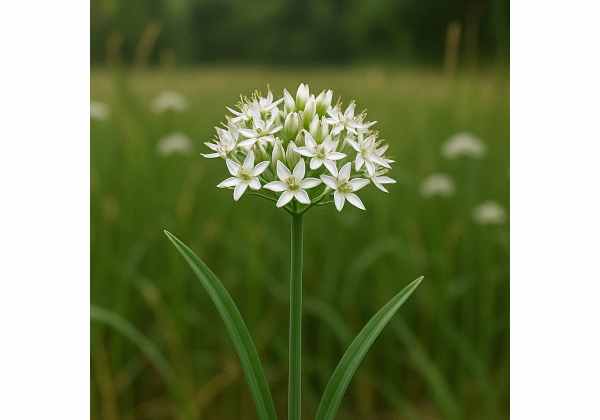
Nira, better known internationally as garlic chives or Chinese chives, is a fragrant allium with flat green leaves, white flowers, and a mild garlic-onion...
Ninebark Uses for Bark Remedies, Topical Care, and Safe Practice
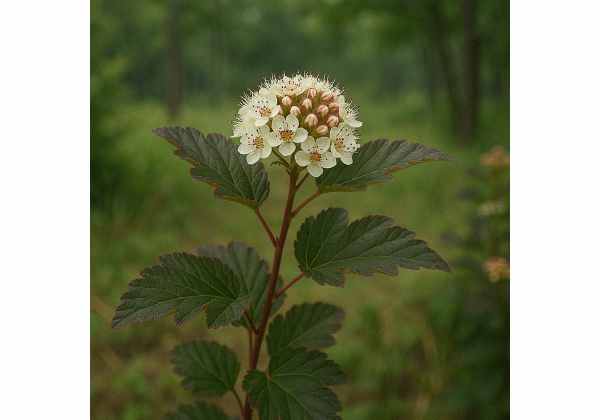
Ninebark, or Physocarpus opulifolius, is a North American shrub better known in gardens than in modern herbal medicine. Its peeling bark, clusters of pale...
Nimtree Medicinal Properties, Key Ingredients, Uses, and Precautions
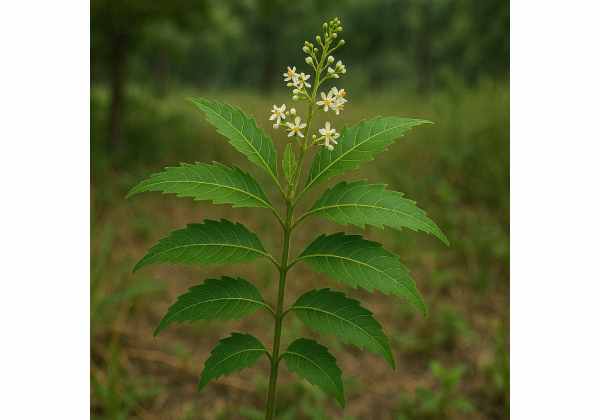
Nimtree is a tricky common-name label because it can point readers in two different botanical directions. In most traditional and popular usage, it refers...
Nightshade (Solanum nigrum) benefits, key ingredients, medicinal properties, uses, and side effects
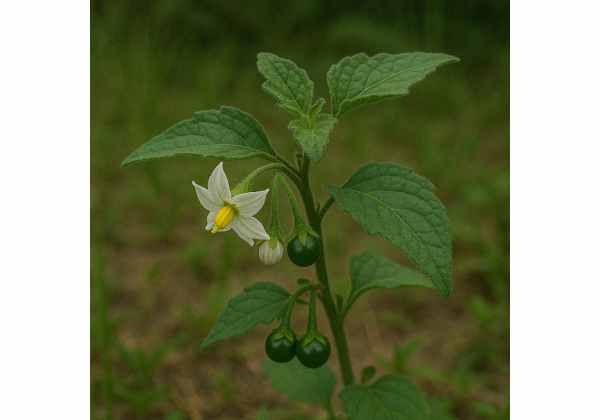
Nightshade, in this article referring specifically to Solanum nigrum, is one of those herbs that demands both curiosity and caution. In traditional systems of...
Nigella for Blood Sugar, Cholesterol, Inflammation, and Safe Use
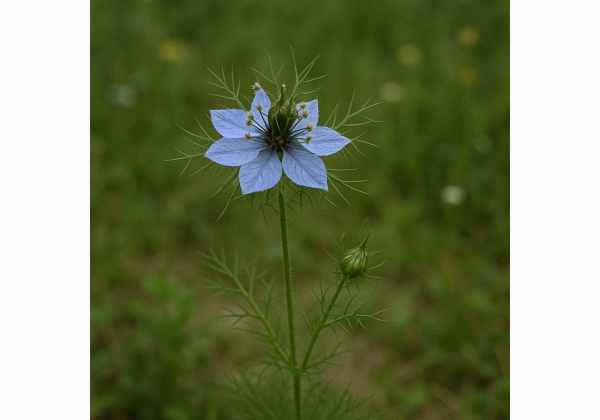
Nigella, better known as Nigella sativa, black seed, or black cumin, sits in a rare category of plants that are both culinary and medicinal....
Nibung Palm Benefits, Medicinal Properties, Uses, and Safety Guide

Nibung, Oncosperma tigillarium, is not a classic soft-stemmed herb but a spiny coastal palm with a long practical history in Southeast Asia. In places...
New Jersey Tea (Ceanothus americanus) Benefits for Digestion, Tissue Tone, and Safe Use
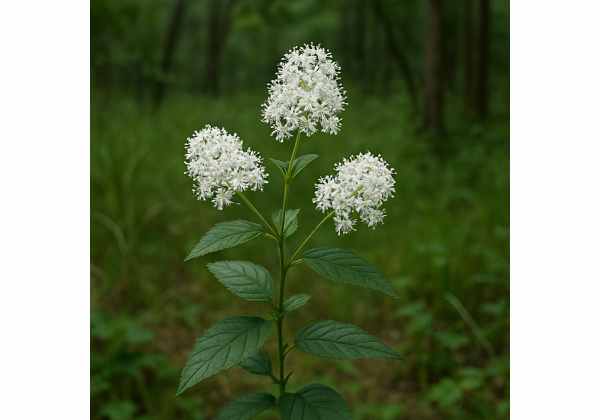
New Jersey tea, Ceanothus americanus, is a small North American shrub with a long history that connects food, folk medicine, and plant science. During...
Nettle Uses for Urinary Support, Joint Comfort, and Safety
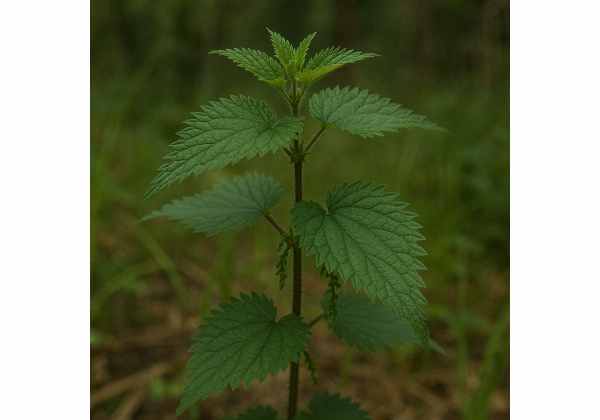
Nettle, or Urtica dioica, is one of those herbs that manages to be both humble and remarkably useful. It grows wild in many temperate...
Nerve Root Guide to Benefits, Botanical Identity, Uses, and Safety
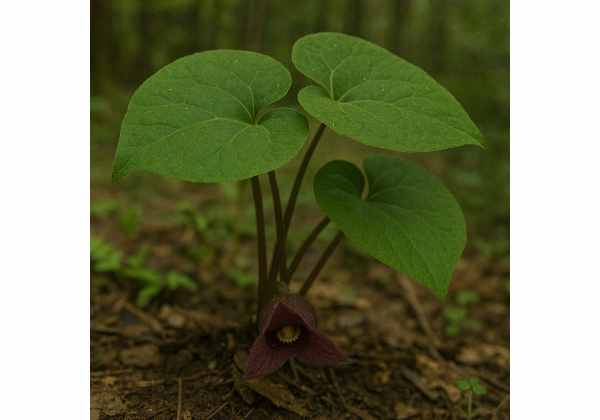
Nerve Root, in the form named here as Asarum canadense, belongs to a small group of aromatic woodland plants better known today as wild...
Neroli essential oil benefits, key ingredients, uses, dosage, and side effects
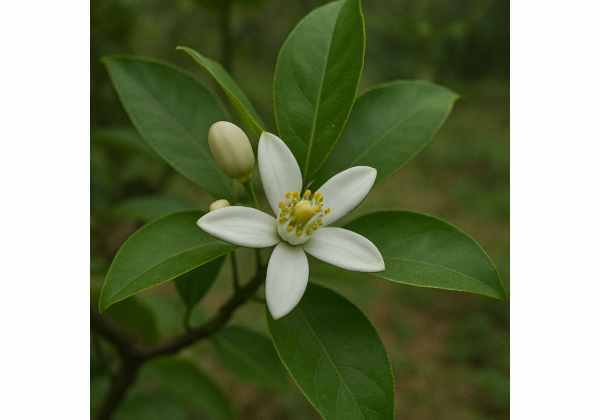
Neroli is the fragrant essential oil distilled from the fresh blossoms of bitter orange, Citrus aurantium. It is one of the most elegant plant...
Nepalese Alder Medicinal Properties, Digestive Uses, Dosage, and Side Effects
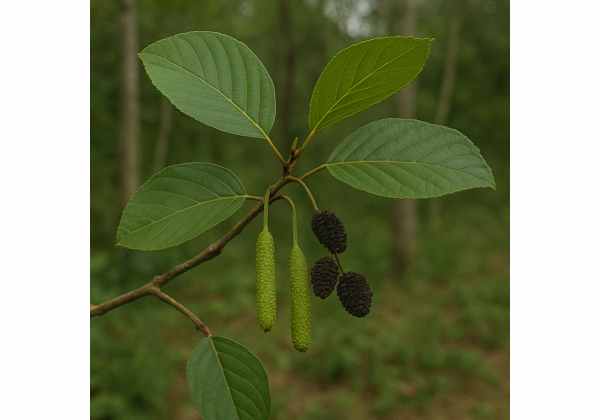
Nepalese alder, or Alnus nepalensis, is a fast-growing Himalayan tree better known in forestry and traditional medicine than in modern wellness marketing. Its bark,...
Nepal Trumpet Flower Medicinal Properties, Key Ingredients, and Toxicity Guide
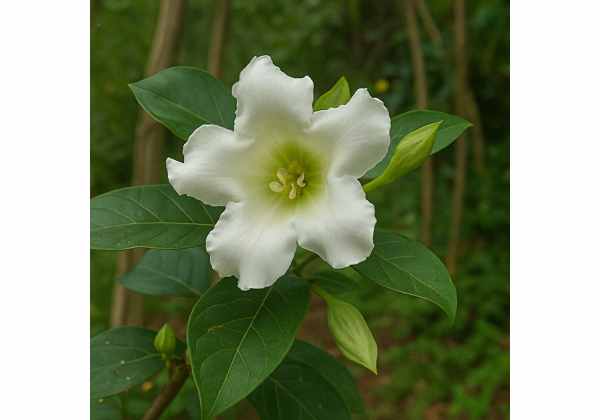
Nepal Trumpet Flower, or Beaumontia murtonii, is a striking tropical climber known for its large cream-white trumpet flowers, glossy foliage, and vigorous growth. It...
Nepal Pepper Benefits for Digestion, Traditional Uses, Dosage, and Safety
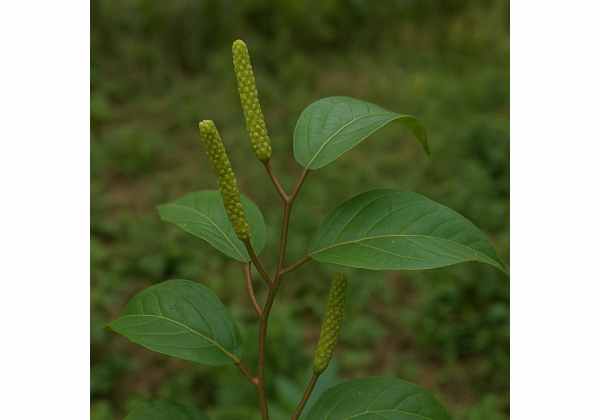
Nepal pepper is a lesser-known Himalayan Piper species traditionally used as both a wild food and a folk remedy. Older literature usually names it...
Nepal Cinquefoil (Potentilla nepalensis) Benefits, Active Compounds, Traditional Uses, and Safety
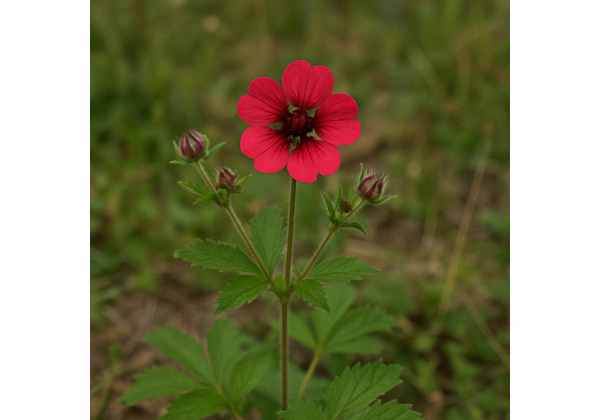
Nepal cinquefoil, or Potentilla nepalensis, is a Himalayan flowering herb in the rose family that is better known in gardens than in mainstream herbal...
Neem Medicinal Properties, Skin and Oral Uses, and Safety Tips
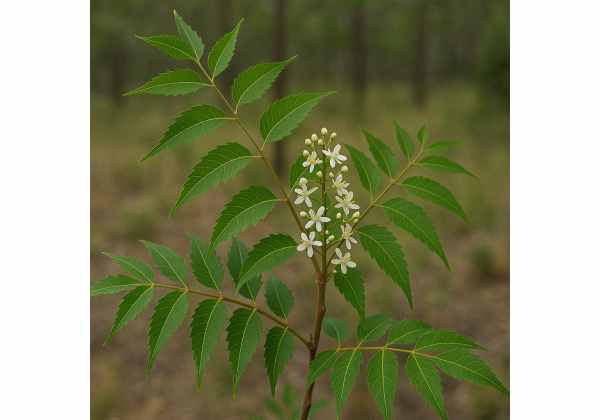
Neem, or Azadirachta indica, is one of the most recognized medicinal trees in South Asian herbal practice, where its leaves, bark, flowers, twigs, and...
Needle Bush Benefits for Topical Care, Bush Medicine, and Safe Use
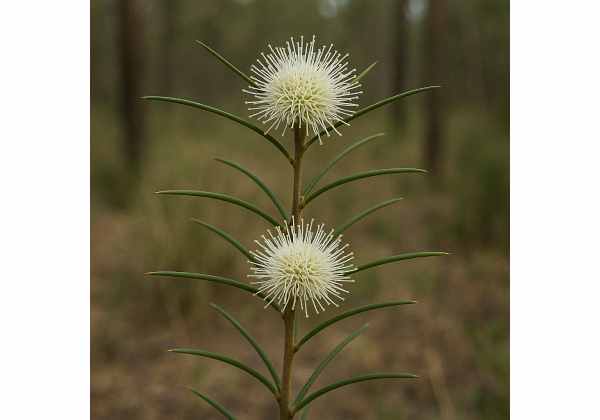
Needle Bush, usually identified as Hakea leucoptera, is an Australian dryland shrub or small tree with rigid needle-like leaves, pale flowers, and a long...