
Paraguay Tea for Energy, Focus, Metabolic Support, and Safe Use
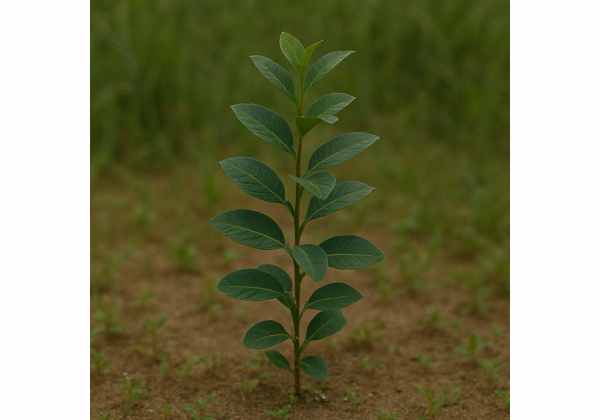
Paraguay tea, better known globally as yerba mate, is a traditional South American infusion made from the leaves and small stems of Ilex paraguariensis....
Paprika for Health Benefits, Eye Support, Metabolic Effects, and Dosage
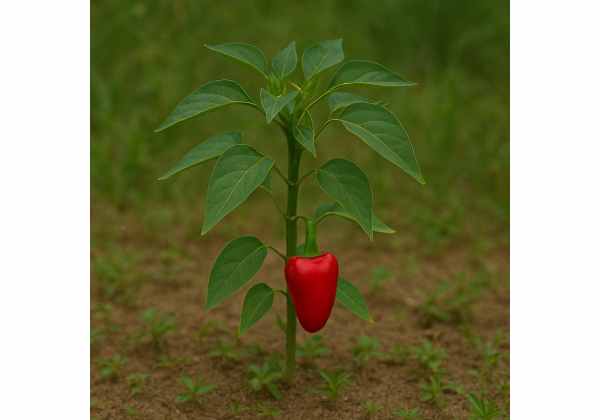
Paprika is the deep red spice made from dried and ground peppers in the Capsicum annuum family. Depending on the variety, it can be...
Papaya Medicinal Properties, Digestive Benefits, Dosage, and Side Effects
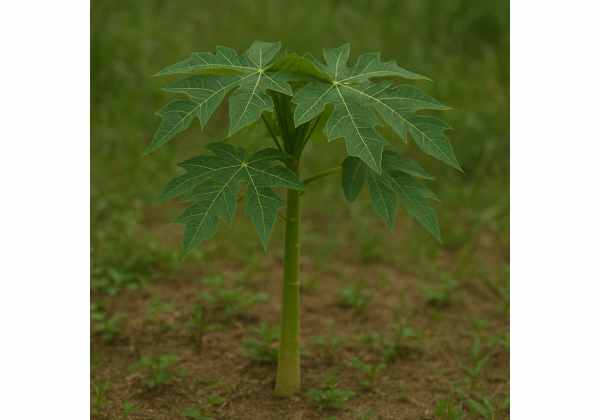
Papaya is a tropical fruit, but it is also much more than a sweet breakfast food. Carica papaya contains vitamin C, carotenoids, fiber, and...
Papalo Uses, Nutrition, Medicinal Properties, and Safety Explained
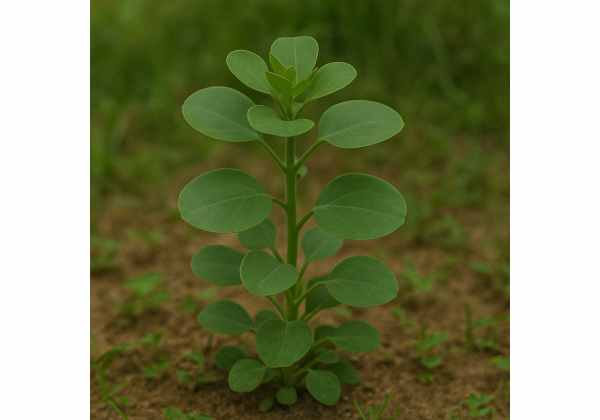
Papalo, also called Porophyllum ruderale or papaloquelite, is a bold, aromatic herb used in Mexican and broader Latin American food traditions. Its flavor is...
Pandan Active Ingredients, Herbal Uses, Research, and Safety
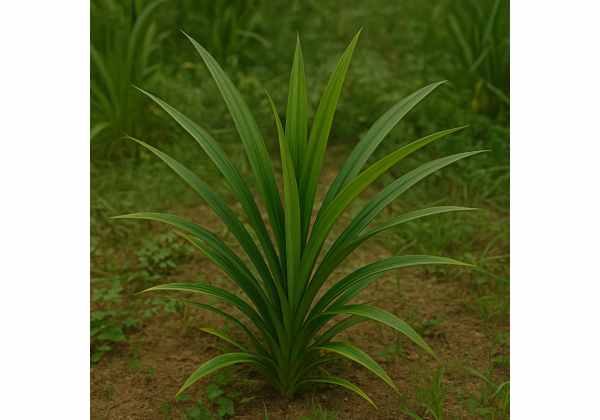
Pandan, scientifically known as Pandanus amaryllifolius, is a tropical aromatic plant best known for the sweet, warm, rice-like scent of its long green leaves....
Pampas Grass Folk Benefits, Key Ingredients, Preparation, and Safety
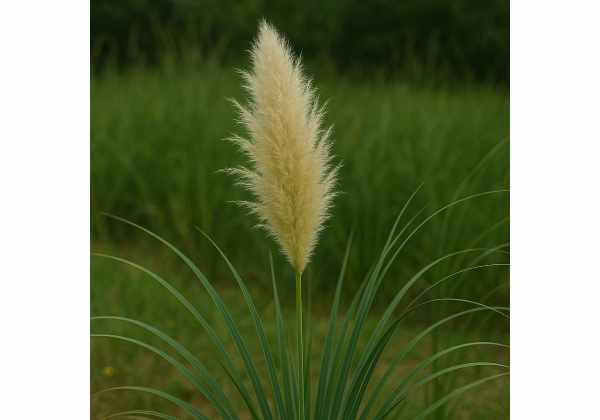
Pampas grass, or Cortaderia selloana, is a tall South American ornamental grass best known for its feathery plumes and dramatic landscape presence. It is...
Palmarosa Health Benefits, Skin Uses, Active Ingredients, and Safety Guide
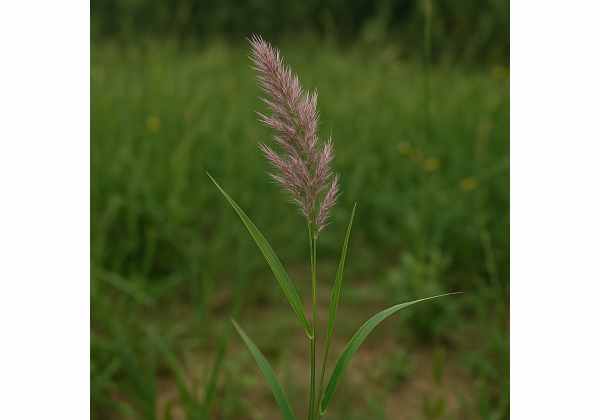
Palmarosa is a fragrant tropical grass best known for the essential oil distilled from its leaves and flowering tops. Although it belongs to the...
Pallid Spurge Medicinal Properties, Potential Benefits, Dosage, and Side Effects
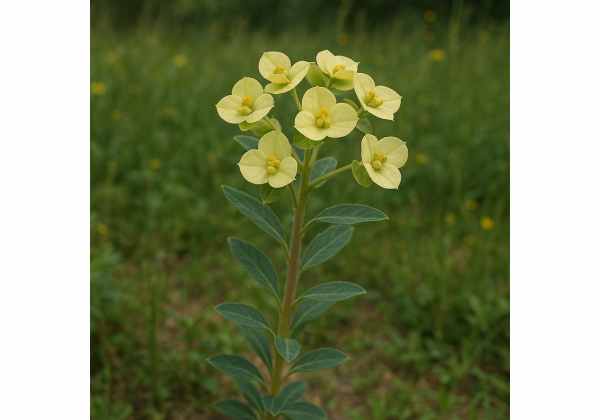
Pallid spurge is a lesser-known member of the spurge family that appears in older botanical literature as Euphorbia pallida. In modern plant databases, that...
Painted Nettle Medicinal Uses, Active Compounds, Dosage, and Side Effects
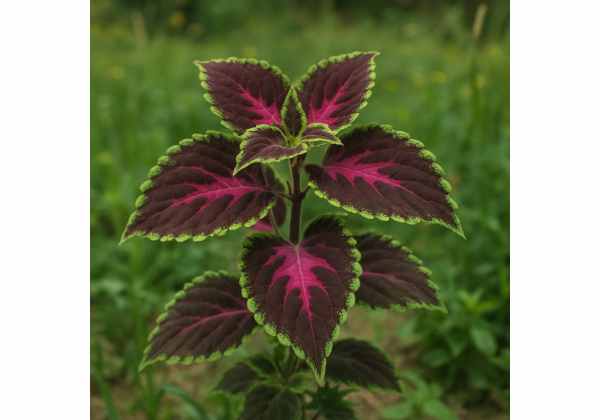
Painted nettle, better known to many gardeners as coleus, is usually admired for its vivid leaves rather than discussed as a medicinal herb. Yet...
Painted Daisy Uses, Pyrethrin Compounds, Health Effects, and Safety Considerations
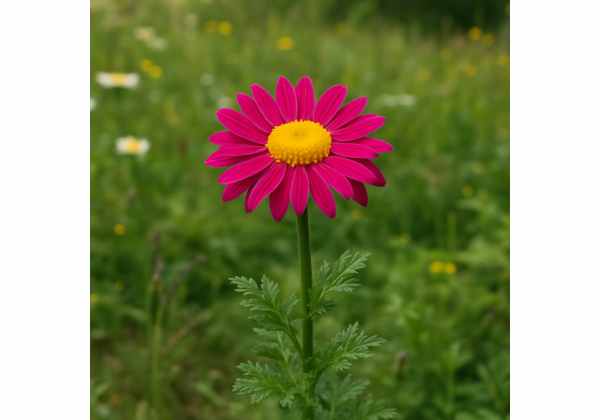
Painted daisy, also called Tanacetum coccineum, is a bright flowering member of the Asteraceae family and a close botanical relative of pyrethrum daisy, feverfew,...
Oysterleaf (Mertensia maritima): Culinary Value, Bioactive Compounds, Uses, and Safety Guide
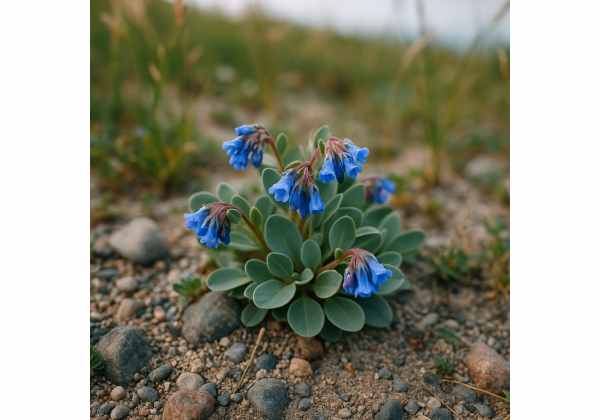
Oysterleaf, botanically known as Mertensia maritima, is one of the more unusual edible coastal plants in northern climates. It is prized less for a...
Oyster Plant Root Benefits, Inulin Content, Dosage, and Safety
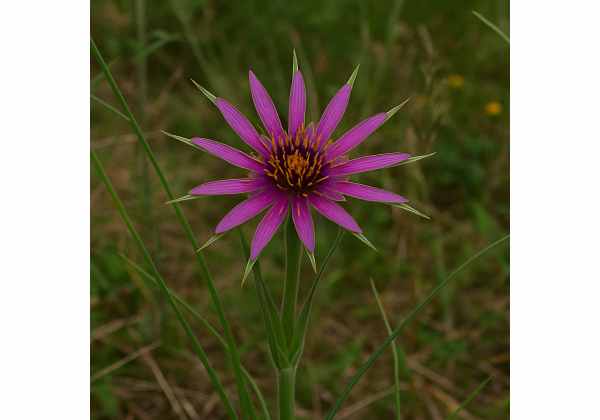
Oyster plant, better known to many cooks as salsify, is a traditional root vegetable with a surprisingly complex health profile. Botanically identified as Tragopogon...
Oyster Mushroom (Pleurotus ostreatus): Culinary Uses, Supplement Forms, and Evidence-Based Benefits
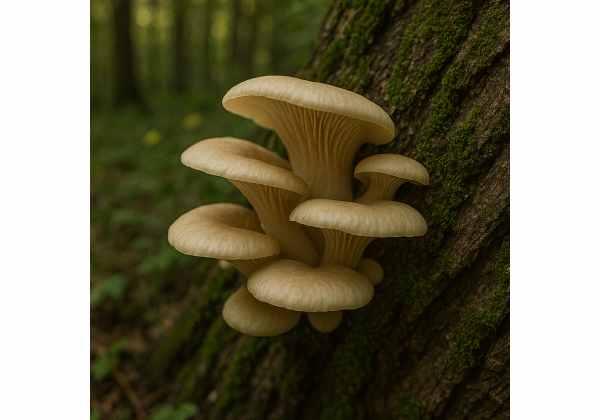
Oyster mushroom, Pleurotus ostreatus, is not an herb in the classic botanical sense but an edible medicinal fungus with an unusually strong bridge between...
Oxtongue Key Ingredients, Preparation Methods, and Safety Tips
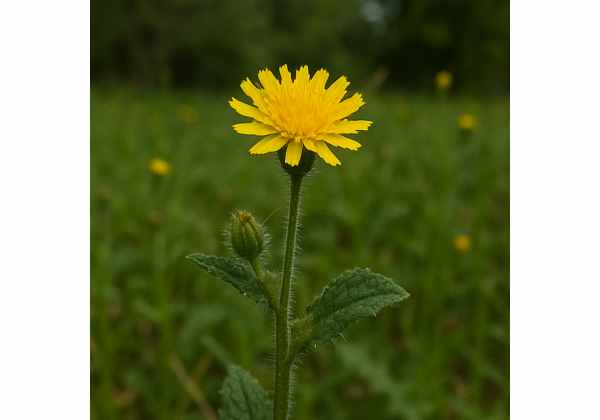
Oxtongue, now more often classified as Helminthotheca echioides and formerly widely listed as Picris echioides, is a rough-leaved member of the daisy family that...
Oxlip for Colds, Expectorant Support, Dosage, and Side Effects
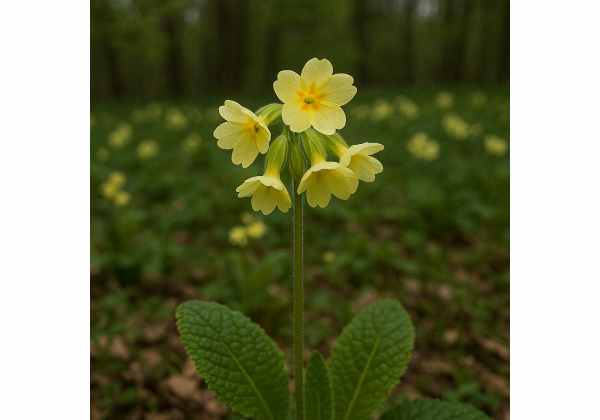
Oxlip, Primula elatior, is one of those herbs that sits in an interesting space between folk tradition and modern caution. It belongs to the...
Ox-Eye Daisy Leucanthemum vulgare Benefits, Uses, and Practical Safety Advice
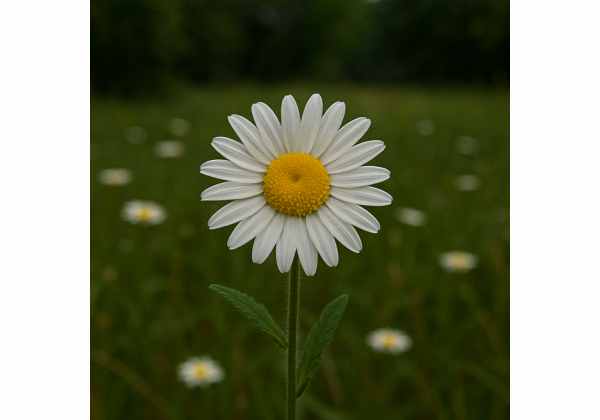
Ox-eye daisy, or Leucanthemum vulgare, is a familiar meadow flower with white rays and a yellow center, but its story does not end in...