
Frost Grape polyphenols, traditional uses, and side effects
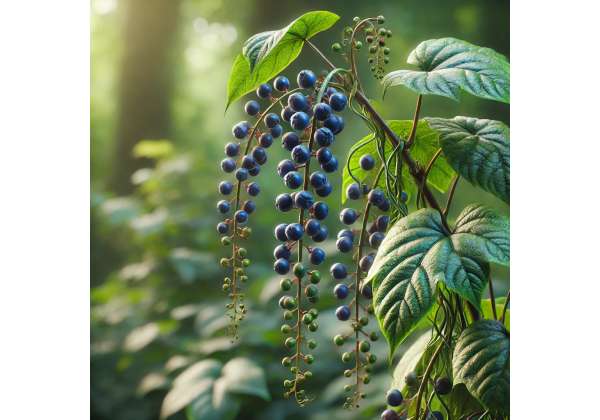
Frost grape, or Vitis vulpina, is a wild North American grape valued more as a functional food and traditional folk plant than as a...
Frogfruit for skin support, digestion comfort, dosage, and safety
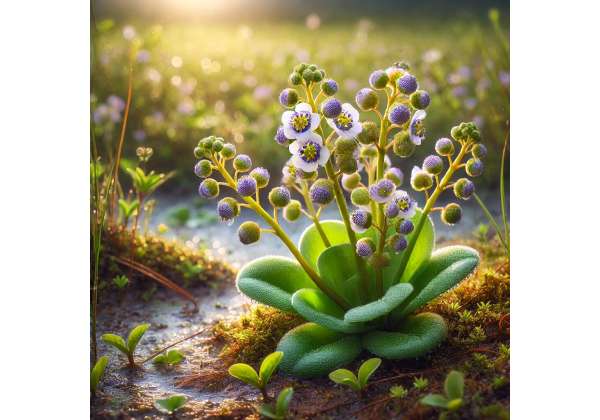
Frogfruit, botanically known as Phyla nodiflora, is a creeping herb that grows close to the ground in warm, moist places and has a long...
Fringed Spiderflower for Pain Relief, Skin Support, Active Compounds, and Safety

Fringed spiderflower, botanically known as Cleome rutidosperma, is a small flowering herb that grows widely in tropical and subtropical regions and is often treated...
Fringed Pink for urinary support, fluid balance, dosage, and risks
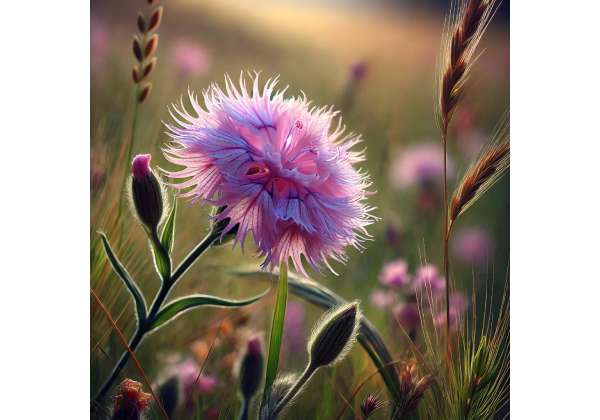
Fringed pink, Dianthus superbus, is a striking perennial known for its deeply cut, fragrant petals, but in traditional East Asian medicine it is valued...
Fringecup (Tellima grandiflora) Medicinal Properties, Traditional Uses, and Safety Guide
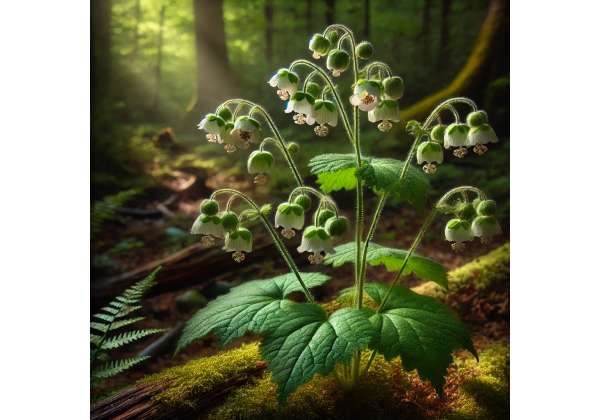
Fringecup, Tellima grandiflora, is a woodland perennial native to the Pacific Northwest and nearby western North America. Most people know it as a graceful...
Fringe Tree for Gallbladder Support, Digestive Bitters, Dosage, and Side Effects
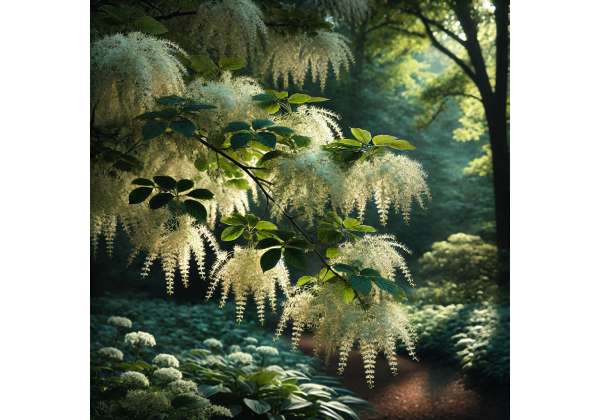
Fringe tree, or Chionanthus virginicus, is a small North American tree with a long but somewhat forgotten place in traditional herbal medicine. Most modern...
Fringe Sage traditional uses, key ingredients, and safety facts
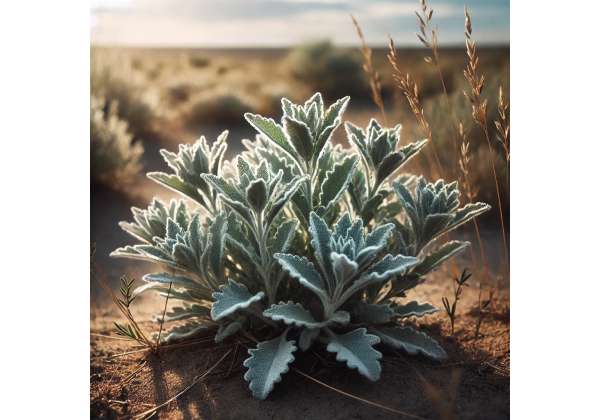
Fringe sage, botanically known as Artemisia frigida, is a small silvery Artemisia with a long record of use in steppe and northern herbal traditions,...
French Tarragon for Digestion, Uses, Safety, and Side Effects
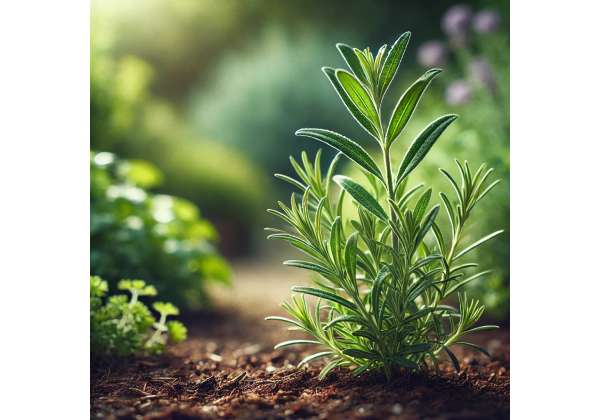
French tarragon is one of those herbs that people know first for flavor and only later for its medicinal side. Best known as the...
French Sorrel (Rumex scutatus) Medicinal Properties, Nutrition, Uses, and Risks
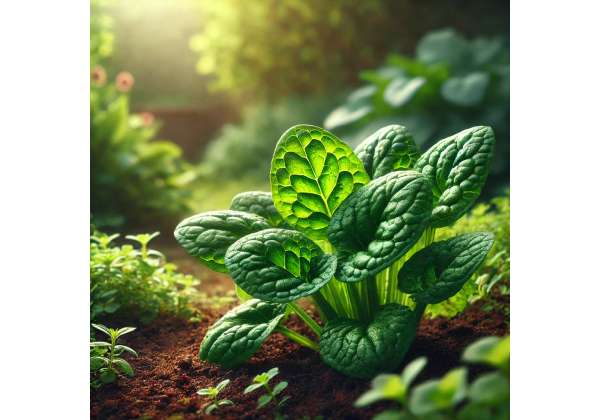
French sorrel, or Rumex scutatus, is a bright, lemony leaf that sits somewhere between herb, salad green, and old-world medicinal plant. In the kitchen,...
French Rose for skin hydration, anti-aging support, dosage, and precautions
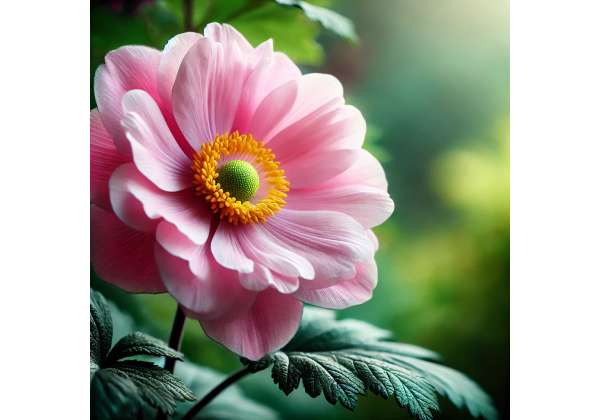
French Rose, botanically known as Rosa gallica, is one of the oldest cultivated roses in Europe and a classic medicinal flower in traditional Western...
French Marigold (Tagetes patula) Benefits for Skin, Active Compounds, and Side Effects

French marigold, Tagetes patula, is one of those plants people often recognize before they truly know. It is familiar in borders and containers for...
French Lavender for Relaxation, Digestion, Aromatherapy, Dosage, and Safety
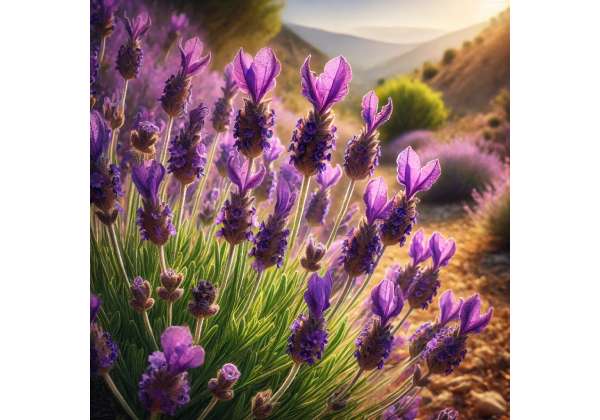
French lavender, the aromatic Mediterranean herb known botanically as Lavandula stoechas, is one of the most visually distinctive lavenders, with compact flower heads topped...
French Honeysuckle uses, active compounds, and dosage guide
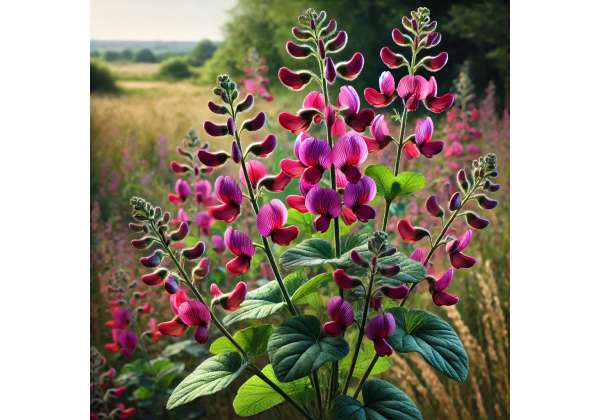
French honeysuckle, botanically known as Hedysarum coronarium, is a Mediterranean legume better known to farmers as sulla than to herbal shoppers as a standard...
Freedom Flower for relaxation, sleep support, stress relief, dosage, and safety
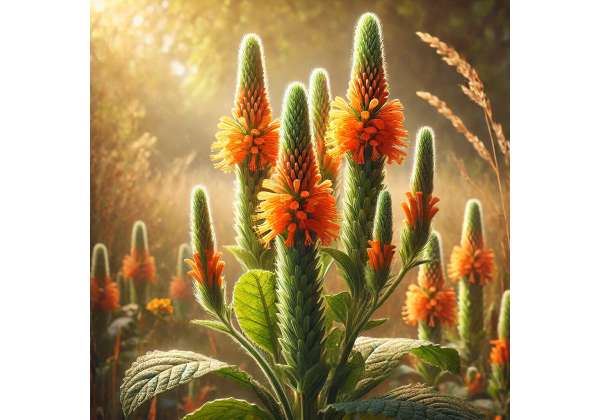
Freedom Flower, Leonotis leonurus, is a striking member of the mint family best known for its bright orange whorled flowers and its long history...
Fraxinella (Dictamnus albus) Medicinal Properties, Traditional Uses, Risks, and Safety

Fraxinella, better known to botanists as Dictamnus albus, is one of those herbs that sits at the border between fascination and caution. It is...
Frankincense (Boswellia sacra), joint pain relief, inflammation support, dosage, and side effects

Frankincense is one of the world’s oldest medicinal resins, valued in ritual, perfumery, and traditional healing long before modern herbal products existed. In this...
Fragrant Sumac (Rhus aromatica) Benefits, Medicinal Uses, Dosage, and Side Effects
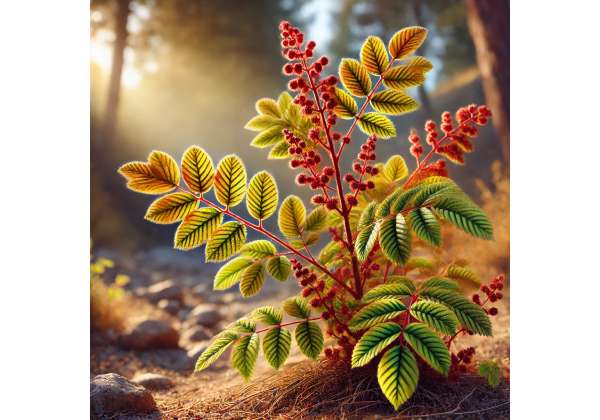
Fragrant sumac, or Rhus aromatica, is a North American shrub best known for its lemon-scented leaves, bright red fruits, and longstanding place in traditional...
Fragrant Bedstraw Benefits for Sleep Support, Digestion, and Safe Herbal Use
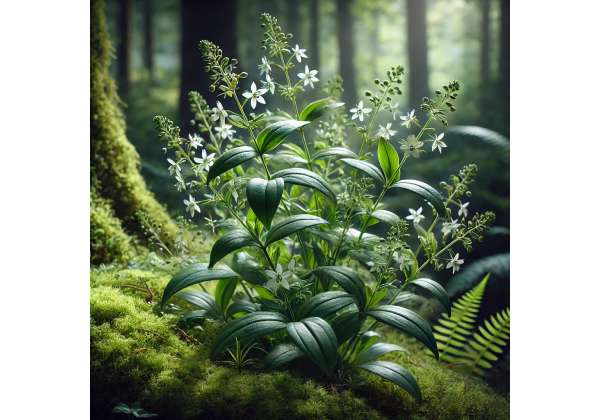
Fragrant bedstraw, better known in many herbal traditions as sweet woodruff, is a shade-loving woodland herb valued as much for its aroma as for...
Foxtail Millet benefits for diabetes, digestion, and heart health
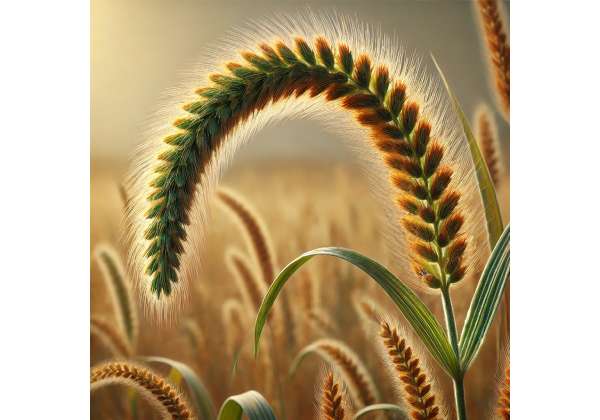
Foxtail millet is an ancient small-seeded cereal that has moved from traditional kitchens into modern nutrition conversations for good reason. Although it is often...
Foxnut (Euryale ferox) Nutrition, Traditional Uses, Medicinal Properties, and Safety

Foxnut, the seed of Euryale ferox, sits at an interesting crossroads between food and traditional medicine. It is widely known as makhana or gorgon...