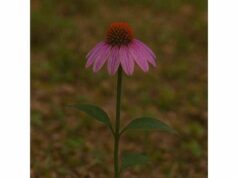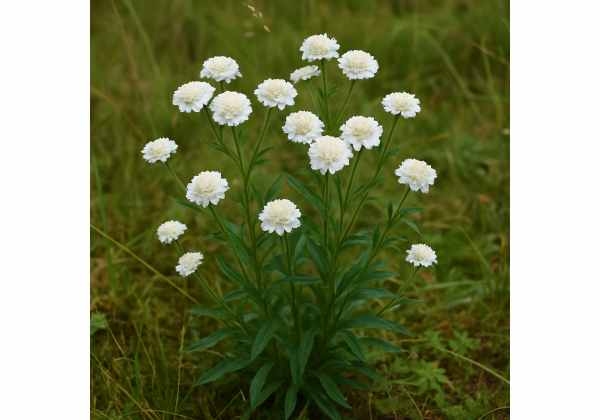
Pellitory, in this case Achillea ptarmica, is the old European herb more often called sneezewort. It belongs to the daisy family and to the broader Achillea group that includes yarrow, which already hints at its character: aromatic, slightly bitter, traditionally useful, and more interesting than its delicate white flowers suggest. Historically, the plant was valued for two very different effects. Taken in gentle herbal preparations, it was used for minor digestive and inflammatory complaints. Used more directly, especially as a chewed root or powdered herb, it produced a sharp tingling or sneezing response that made it notable for oral discomfort and head-cold traditions.
Modern research supports the idea that Achillea ptarmica contains biologically active compounds, especially alkamides, flavonoids, and volatile constituents. What it does not support is broad, high-confidence medical marketing. Pellitory is best understood as a traditional herb with plausible anti-inflammatory, antimicrobial, and sensory effects, but with limited human clinical evidence. That makes careful use, realistic expectations, and good species identification especially important.
Quick Overview
- Pellitory may help with minor oral discomfort and mild digestive complaints, but the evidence is mostly traditional and preclinical.
- Its tingling alkamides and aromatic compounds help explain its long use for mouth, catarrh, and inflammation-related purposes.
- A cautious traditional-style infusion is about 1 to 2 g dried herb per cup, though no modern evidence-based dose has been established for Achillea ptarmica itself.
- People with Asteraceae allergies, pregnancy, breastfeeding, or plans to use concentrated extracts or snuff-like preparations should avoid it unless guided by a qualified clinician.
Table of Contents
- What Pellitory Is and Why the Name Often Causes Confusion
- Key Ingredients and Medicinal Properties
- Pellitory Health Benefits and Where the Evidence Still Falls Short
- Traditional Uses for the Mouth, Digestion, and Minor Inflammatory Complaints
- How Pellitory Is Prepared and Used
- Dosage and Practical Use Limits
- Safety, Side Effects, and Who Should Avoid It
What Pellitory Is and Why the Name Often Causes Confusion
One of the first challenges with pellitory is that the name is not botanically tidy. In older herb writing, “pellitory” may refer to more than one plant, which can easily scramble the evidence. The subject here is Achillea ptarmica, a perennial herb in the Asteraceae family, commonly called sneezewort. It is related to yarrow and shares some of the broader Achillea reputation for digestive, anti-inflammatory, and topical folk uses. If you want a nearby botanical comparison, common yarrow as a close Achillea relative helps show the sort of medicinal territory this family often occupies.
The plant itself is modest in appearance: narrow leaves, clusters of white flower heads, and a long history in European gardens and herbal traditions. Its Greek-derived species name, ptarmica, points to sneezing, which already tells you something important. This was not just a decorative daisy. It was a plant known for provoking a sensory response. In older practice, dried herb preparations were sometimes used as sternutatories, meaning substances intended to trigger sneezing and clear the head. That practice is far outside normal modern self-care, but it helps explain why sneezewort acquired such a distinctive herbal identity.
Pellitory also has a second notable feature: when parts of the plant, especially root-rich preparations, are chewed or tasted, they can create a tingling, prickling, or mildly numbing sensation in the mouth. That is one reason it became associated with toothache and oral discomfort in folk medicine. This effect is not just folklore. It aligns well with the alkamide chemistry identified in modern phytochemical studies.
Still, this is where readers need to be careful. The existence of a strong sensory effect does not make a plant automatically safe or broadly therapeutic. It simply means the plant is biologically active in a way people can feel. That activity may be useful in a narrow context, irritating in another, and poorly studied overall.
The right way to place Achillea ptarmica is somewhere between food herb, sensory herb, and medicinal wildflower. It has a traditional record, a plausible chemical basis for some of its uses, and a clear place in European herbal history. What it does not have is the kind of modern clinical evidence that would justify bold disease-treatment claims.
So before asking whether pellitory “works,” it helps to define what kind of herb it is. It is not a mainstream daily tonic. It is not a well-standardized pharmaceutical botanical. It is a specialized traditional herb whose most interesting actions are oral, aromatic, and mildly anti-inflammatory, with enough uncertainty that identification and dosing matter from the start.
Key Ingredients and Medicinal Properties
The medicinal interest in Achillea ptarmica comes mainly from its chemistry, especially its N-alkylamides, also called alkamides. These are the compounds most strongly linked to the plant’s tingling, prickling, and mildly numbing oral sensation. Modern profiling work has shown that sneezewort contains a diverse set of these lipophilic amides in roots and aerial parts. That matters because alkamides are not just flavor compounds. Across medicinal plants, they are often associated with sensory stimulation, mild analgesic interest, immune effects, and anti-inflammatory activity.
In practical terms, alkamides help explain why pellitory feels active so quickly in the mouth. They are the best bridge between traditional oral uses and modern phytochemistry. That does not prove clinical benefit by itself, but it gives the herb a more solid basis than many old remedies that rely only on folklore.
Beyond alkamides, pellitory belongs to a chemically rich genus. Reviews of Achillea species point to several other important constituent groups:
- Flavonoids, which are often linked with antioxidant and anti-inflammatory effects
- Phenolic acids, which may contribute to free-radical scavenging and tissue-protective activity
- Sesquiterpene lactones, which can add bioactivity but may also increase the risk of sensitization in allergy-prone people
- Volatile compounds and essential-oil constituents, which influence aroma, irritation profile, and possible antimicrobial effects
- Other minor compounds, including coumarin-related or bitter-aromatic substances that shape traditional digestive uses
This combination gives pellitory a medicinal profile that is plausible, but not yet sharply defined. The most realistic list of its medicinal properties is:
- Sensory stimulating
- Mildly anti-inflammatory
- Potentially antimicrobial
- Traditionally digestive-supportive
- Potentially spasm-relieving
- Potentially irritating or allergenic in sensitive people
That last point deserves equal weight. Plants in the daisy family often contain compounds that are both useful and troublesome. The same chemistry that can help explain a traditional anti-inflammatory effect may also explain mouth irritation, sneezing, or contact sensitivity. This balance is common in Asteraceae herbs. A gentler example of the same broad family pattern appears in chamomile and its active compounds, although chamomile is much better studied and generally milder in use.
Another important nuance is that Achillea ptarmica is not interchangeable with all other Achillea species. Yarrow, sneezewort, and related plants share some chemistry, but not in identical proportions. That means many claims made for “Achillea” in general should be treated as background context, not automatic proof for pellitory.
So when people ask about key ingredients, the short answer is alkamides first, followed by the usual Achillea matrix of flavonoids, aromatics, and lactones. When they ask about medicinal properties, the honest answer is narrower: a plant with clear sensory activity and credible preclinical anti-inflammatory promise, but with limited direct clinical proof.
Pellitory Health Benefits and Where the Evidence Still Falls Short
The phrase “health benefits” can make pellitory sound more settled than it really is. For Achillea ptarmica, the strongest evidence does not come from large human trials. It comes from chemistry, traditional use, and a small number of experimental studies. That means the best way to discuss benefits is carefully, separating what is plausible from what is proven.
The most believable benefit is short-term sensory support for the mouth. Pellitory’s tingling alkamides make it reasonable to understand why people historically chewed the root or used small local preparations for tooth discomfort or a dull, stagnant mouth feeling. This is not the same as saying it is a proven dental analgesic. It means the traditional use fits the chemistry unusually well.
A second plausible benefit is mild digestive support. Across the Achillea genus, herbs are often used for flatulence, abdominal discomfort, sluggish digestion, and mild spasm-like symptoms. Pellitory seems to fit into that broader tradition, though it is not the best-studied member of the group for this purpose. For readers who want a better-established digestive herb, fennel for bloating and digestive comfort is a more evidence-friendly comparison.
A third area is anti-inflammatory and antioxidant potential. Reviews of Achillea species and studies of sneezewort-related compounds support the idea that this herb has biologically relevant anti-inflammatory chemistry. That may help explain its folk reputation for minor inflammatory complaints and external uses. It is a credible phytochemical claim, but still not a strong clinical claim.
Then there is antimicrobial or antiparasitic interest. One of the more notable Achillea ptarmica studies found in vitro antiprotozoal activity in a dichloromethane extract from flowering aerial parts, with some alkamides identified as key contributors. This is scientifically interesting, but it should not be turned into casual self-treatment advice for infections or parasitic disease. Laboratory activity is not the same thing as safe, effective human therapy.
So where do the limits show?
- There is very little direct human clinical evidence for sneezewort itself.
- Most therapeutic claims are borrowed from genus-level research or folk use.
- The strongest plant-specific evidence is preclinical, not clinical.
- Sensory activity can be mistaken for therapeutic depth. Feeling the plant work is not the same as proving medical benefit.
That balance matters because pellitory is exactly the kind of herb that can be oversold online. Its mouth-tingling effect is memorable. Its old uses sound distinctive. Its chemistry is genuinely interesting. Put those together, and it becomes easy to inflate the story. The more accurate version is still worthwhile: pellitory may offer limited support for oral discomfort, mild digestive sluggishness, and minor inflammation-related uses, but the evidence remains narrow and mostly traditional.
Used that way, the plant is interesting and credible. Used as a cure-all, it quickly outruns what the evidence can support.
Traditional Uses for the Mouth, Digestion, and Minor Inflammatory Complaints
Pellitory’s traditional uses make much more sense once you understand its sensory chemistry. Unlike many gentle bitter herbs, sneezewort announces itself quickly. Older herbal systems used plants like this not only because they contained active compounds, but because those compounds produced immediate, noticeable effects that people could connect with relief.
One of the clearest traditional roles was for the mouth and teeth. Fresh or dried root preparations were used for toothache, dull oral discomfort, or a sense of stagnation in the mouth. The goal was not necessarily long-term cure. Often it was short-term stimulation, saliva flow, and a counterirritant effect that distracted from pain. This is exactly the sort of use where pellitory’s tingling alkamides fit the historical record. Even so, anyone looking for a more familiar and better-supported herb for local oral discomfort would usually be better served by clove and its pain-relief tradition.
Another traditional role was as a sternutatory, or sneezing herb. This is how sneezewort earned its best-known common name. Powdered plant material was used in older practices to provoke sneezing and help clear the head in catarrhal states. This is an old-fashioned use that modern readers should understand historically, not imitate casually. Repeated nasal irritation is not a modern wellness strategy, and this is one of the clearest examples of why herbal history and current self-care should not always be treated as the same thing.
The herb also appears in traditions for digestive support, especially where there is mild spasm, heaviness, or sluggish digestion. This wider use fits well with the broader Achillea reputation. Bitter-aromatic herbs often occupy this space because they combine mild digestive stimulation with anti-inflammatory and antispasmodic potential. Pellitory seems to belong here, but it is not the first herb most practitioners would reach for today.
A more general traditional role is minor inflammatory or topical support. In the old herbal pattern, plants with pungent, bitter, or aromatic chemistry were often used for aches, superficial discomforts, and sluggish tissue states. Pellitory fits that pattern conceptually, although the direct human evidence remains limited.
The most useful way to read these traditions is by grouping them into likely actions:
- Mouth stimulation and transient oral relief
- Head-clearing or sternutatory use
- Digestive stimulation and mild spasm support
- Minor anti-inflammatory folk applications
What traditional use does not tell us is whether these preparations are ideal for routine unsupervised use today. Traditional medicine often made room for stronger sensory plants because options were limited and people accepted more irritation as part of treatment. Modern users usually have better choices. If a gentler herb can do the job with a clearer safety profile, it often makes sense to choose that instead.
That said, pellitory still has value as an herbal teacher. It shows how sensory phytochemistry, folk practice, and modern pharmacology can align without producing a broad modern clinical evidence base. That is a useful lesson in itself.
How Pellitory Is Prepared and Used
Pellitory has historically been used in several forms, but not all of them make equal sense today. The safest and most realistic modern approach is to favor mild preparations and to avoid older, harsher uses unless there is a very good reason and skilled guidance.
Infusions and light herbal preparations
The gentlest way to use pellitory is as a mild infusion or tea-style preparation of the aerial parts. In this form, it fits into the same general category as other modest bitter-aromatic herbs: something taken in small amounts for digestive heaviness or general herbal interest rather than as a high-dose remedy. The taste is not especially pleasant to everyone, which already limits how commonly it is used.
Local oral use
Historically, root chewing or small local preparations were used for tooth discomfort and oral numbness. This makes sense chemically because alkamides produce a fast tingling response. In practice, though, this is a category where people often overestimate safety. Strong oral stimulation can easily turn into irritation, especially if the plant is misidentified, too concentrated, or used on damaged tissue. What feels medicinal at first can quickly become simply irritating.
Older snuff-like uses
Sneezewort’s old sternutatory role is one of the least suitable uses to revive. Powdered herb taken to provoke sneezing belongs more to the history of medicine than to practical home herbalism. Modern users should treat this as an ethnobotanical fact, not as everyday advice.
Tinctures and concentrated extracts
Concentrated preparations are where caution increases. Pellitory is not a mainstream standardized herb with a well-defined extract profile. The more concentrated the preparation, the less predictable the experience may be, especially because the plant’s desirable effects and irritating effects sit close together. This is not the ideal herb for casual homemade concentrates.
Topical use
There is some logic to external or topical experimental use, given the broader Achillea literature on skin and inflammation, but pellitory itself is not especially established here. For people specifically seeking a daisy-family herb for external soothing, calendula as a topical flower herb is usually a more practical and gentle option.
A sensible modern use hierarchy looks like this:
- Mild internal infusion for traditional digestive-style use
- Occasional, cautious oral spot use only if you understand the irritation risk
- Avoidance of harsh sneezing-powder methods
- Avoidance of concentrated extracts unless guided
This hierarchy matters because pellitory is a plant whose identity is strongly tied to sensation. That can tempt people to think stronger use equals better results. In reality, the opposite is often true. The herb is most credible in restrained, selective, traditional-style use. It becomes less convincing as the preparation becomes more aggressive.
So although pellitory can be prepared in several ways, the practical message is narrow: mild preparations first, specialized use second, and curiosity always balanced with caution.
Dosage and Practical Use Limits
Dosage is the most uncertain part of a pellitory article because Achillea ptarmica does not have a well-established modern clinical dosing standard. There are no robust human trials that define a best dose for tooth discomfort, digestive complaints, inflammation, or any other common use. That means the most honest dosage advice has to be conservative.
The first thing to say clearly is this: there is no validated evidence-based dose for Achillea ptarmica itself in routine self-care.
What can be offered is traditional-style guidance, used cautiously and with the understanding that it is partly extrapolated from broader Achillea practice rather than from strong sneezewort-specific trials.
Mild infusion range
A conservative herbal infusion can be made with about 1 to 2 g dried herb in 150 to 250 mL of hot water, usually taken up to 2 times daily if tolerated. This should be viewed as a light traditional range, not a confirmed therapeutic dose. Because pellitory is more sensory and potentially irritating than gentler tea herbs, starting at the lower end makes sense.
Oral spot use
Historically, fresh root or small local preparations were used briefly in the mouth for tooth discomfort. Modern guidance here should be more restrained. There is no reliable standardized amount, and repeated application can irritate oral tissue. For that reason, it is better to treat this use as historical knowledge rather than as a routine self-care recommendation.
Tinctures or extracts
There is no dependable public dosing standard for concentrated pellitory extracts. If a commercial product exists, the label should be followed exactly, but even then the evidence remains thin. This is not a herb where “a little more” is likely to be wise.
Duration
Because good long-term safety data are limited, pellitory is better treated as a short-duration herb rather than something to take daily for months. If a mild infusion is used at all, it is more reasonable to think in terms of several days to a couple of weeks, then reassess. A longer course would usually need a stronger reason than tradition alone.
A good real-world rule is:
- Start low
- Use mild forms
- Use for short periods
- Stop at the first sign of irritation or allergy
This is one of those cases where dosage limits are as important as dosage amounts. The plant’s sensory appeal can create a false sense of precision. People sometimes assume that because they can feel the herb, they must be near the right dose. That is not how safe dosing works.
If your main goal is everyday digestive calm, another herb such as peppermint for digestive and cramp-like symptoms is usually easier to dose and easier to tolerate. Pellitory belongs more in the category of selective traditional use than daily wellness routine.
So the dosage conclusion is simple: a cautious infusion range exists in traditional-style practice, but sneezewort still lacks a modern, well-validated dosing framework. Use that uncertainty as a reason for restraint, not improvisation.
Safety, Side Effects, and Who Should Avoid It
Pellitory is not one of the most dangerous herbs in traditional practice, but it is also not one of the most forgiving. Its active chemistry means that irritation, allergy, and misuse are more relevant than people sometimes expect from a small white daisy-family plant.
The first safety issue is Asteraceae sensitivity. Like other members of the daisy family, Achillea ptarmica may be a poor fit for people who react to ragweed, chamomile, feverfew, chrysanthemums, marigolds, or yarrow-like herbs. In some people, this can mean skin reactions. In others, it can mean mouth irritation, digestive upset, or broader hypersensitivity. That family pattern is one reason people with known daisy-family reactions should be cautious from the start.
The second issue is local irritation. Pellitory’s tingling action is part of its appeal, but also part of its risk. What begins as stimulation can become burning, prickling, soreness, or lingering oral discomfort if the preparation is too strong or used too often. This is especially relevant for people with mouth ulcers, damaged gums, or sensitive mucous membranes.
The third issue is improper route of use. Older sneezing-powder methods are not good candidates for casual modern use. Repeated nasal irritation is unnecessary, and anyone with asthma, chronic sinus disease, or airway sensitivity should avoid that style of exposure entirely.
People who should avoid pellitory or use it only with professional guidance include:
- Anyone with known Asteraceae allergy
- Pregnant or breastfeeding people, because reliable safety data are lacking
- Children, especially for concentrated or sensory preparations
- People with chronic oral irritation, ulcers, or unstable dental conditions
- People planning to use strong extracts or snuff-like preparations
Potential side effects include:
- Mouth tingling that becomes unpleasant
- Burning or soreness in the gums or tongue
- Sneezing or nasal irritation
- Mild digestive upset
- Contact or hypersensitivity reactions in susceptible individuals
Drug-interaction data for sneezewort specifically are limited, which means caution is wiser than confidence. Lack of formal interaction reports does not prove lack of risk. It often just means the herb has not been studied enough.
One practical safety principle works especially well here: the more strongly you can feel pellitory, the more carefully you should question whether you need it. This is not a herb that rewards forceful use. It rewards informed, narrow, and short-term use, if it is used at all.
For readers who like daisy-family herbs but want a clearer clinical niche, feverfew and its more defined use pattern shows how different species in the same broader family can vary widely in evidence and risk profile.
References
- Phytochemistry and Evidence-Based Traditional Uses of the Genus Achillea L.: An Update (2011–2021) 2021 (Review)
- Achillea Species as Sources of Active Phytochemicals for Dermatological and Cosmetic Applications 2021 (Review)
- N-alkylamide profiling of Achillea ptarmica and Achillea millefolium extracts by liquid and gas chromatography–mass spectrometry 2017
- Antiprotozoal activity of Achillea ptarmica (Asteraceae) and its main alkamide constituents 2014
- A review on phytochemistry and medicinal properties of the genus Achillea 2011 (Review)
Disclaimer
This article is for educational purposes only and is not medical advice, diagnosis, or treatment. Pellitory, especially Achillea ptarmica, is a traditionally used herb with limited direct human clinical evidence. Its tingling and irritating effects do not guarantee safety or effectiveness, and the common name “pellitory” is used for more than one plant, which increases the risk of confusion. Speak with a qualified healthcare professional before using this herb medicinally, especially if you are pregnant, breastfeeding, have allergies to daisy-family plants, or plan to use concentrated preparations for mouth, skin, or digestive complaints.
If you found this article useful, please share it on Facebook, X, or any other platform you prefer.