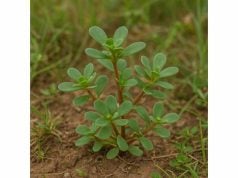
Prickly lettuce, Lactuca serriola, is a bitter, milky-sapped plant in the daisy family that has long lived in two worlds at once: as a common roadside weed and as a traditional medicinal herb. It is closely related to cultivated lettuce and is often grouped with “wild lettuce,” though that label can blur important species differences. Herbal interest in prickly lettuce centers on its milky latex and bitter compounds, especially lactucin-type sesquiterpene lactones that may contribute to calming, pain-relieving, and smooth-muscle effects.
Traditionally, the plant has been used for restlessness, mild pain, coughs, digestive cramping, and general nervous tension. Modern research does not yet support broad medical claims, but it does offer a plausible chemical basis for some of those older uses. The strongest evidence is still preclinical, not clinical, so the most responsible approach is cautious and practical. Prickly lettuce is best understood as a mildly sedating, bitter, resinous herb with a narrow lane: short-term support, modest expectations, and careful attention to dose, product quality, and safety.
Quick Facts
- Prickly lettuce may offer mild calming and sleep-supportive effects, especially when restlessness and tension overlap.
- Its bitter latex and sesquiterpene lactones may also support mild pain relief and smooth-muscle relaxation.
- There is no standardized human dose, but traditional tincture use is usually kept low, often around 0.5 to 1 mL to start.
- People who are pregnant, breastfeeding, highly sensitive to sedatives, or allergic to Asteraceae plants should avoid self-treatment.
Table of Contents
- What prickly lettuce is and how it differs from wild lettuce
- Key compounds and medicinal properties of prickly lettuce
- Prickly Lettuce for relaxation, sleep, and mild pain
- Digestive, respiratory, and smooth-muscle uses
- How to prepare and use prickly lettuce
- Dosage, timing, and practical best practices
- Safety, side effects, interactions, and who should avoid it
What prickly lettuce is and how it differs from wild lettuce
Prickly lettuce is an annual or biennial herb in the Asteraceae family. It forms a basal rosette first, then sends up a tall flowering stalk that can easily reach chest height or more. Its leaves are deeply lobed, often twist vertically on the stem, and have a characteristic row of prickles along the underside of the central midrib. When cut, the plant releases a white milky latex. That latex is one reason the herb has been used medicinally, because it contains much of the plant’s bitter chemistry.
One of the most important things readers should know is that prickly lettuce is often confused with other “wild lettuce” species, especially Lactuca virosa. In everyday herbal conversation, people sometimes treat them as interchangeable. They are related, and they share some bitter constituents, but they are not identical. Lactuca virosa has a stronger historical reputation as a sedative latex plant, while Lactuca serriola is more common, more widespread, and often the species people actually harvest by mistake or on purpose. That does not make prickly lettuce useless. It does mean that some dramatic claims online may reflect species confusion more than good herbal accuracy.
Prickly lettuce is also the wild ancestor, or at least a close wild relative, of cultivated lettuce. That connection matters because it helps explain why some of the same bitter compounds appear in both. If you want a broader look at how lettuce-family plants share calming and bitter constituents, the lettuce medicinal profile provides useful context.
The plant has a long traditional record in folk medicine. Different cultures have used it for restlessness, insomnia, cough, digestive complaints, mild pain, and muscular tension. Young leaves have also been eaten as a bitter green in some regions, though older leaves are usually too tough and bitter for most palates. The medicinal focus, however, is not the salad value. It is the latex, seeds, and aerial parts harvested when the plant is mature and chemically richer.
Prickly lettuce is best understood as a bitter, mildly narcotic-leaning herb in the old herbal sense, not in the modern opioid sense. It does not act like opium, and it should not be marketed that way. Its traditional nickname as a “lettuce opium” or “wild opium” substitute has led to a lot of exaggeration. A more honest description is this: it is a modest traditional herb with sedative, bitter, and smooth-muscle effects that may be helpful in selected situations, but it is far less predictable and far less powerful than marketing language often suggests.
Key compounds and medicinal properties of prickly lettuce
The chemistry of prickly lettuce explains much of its traditional reputation. The best-known compounds are sesquiterpene lactones, especially lactucin, lactucopicrin, and related dihydro derivatives. These compounds contribute to the plant’s bitterness and are the main reason researchers keep returning to Lactuca species when studying mild sedative and analgesic effects.
Lactucin is often described as a major marker compound in prickly lettuce latex. Lactucopicrin is especially interesting because related research across the Lactuca genus suggests it may have stronger analgesic and sedative activity than some related compounds. These molecules are not unique to Lactuca serriola, but they are central to how the plant is understood pharmacologically.
Beyond lactucin-type compounds, prickly lettuce also contains:
- phenolic compounds that may contribute antioxidant activity
- flavonoids that may help explain some of the plant’s broader protective effects
- triterpenoids and sterol-like constituents in some extracts
- fatty acids and volatile compounds that vary by plant part
- minerals and vitamins in the edible green parts, though this matters more nutritionally than medicinally
From a practical herbal perspective, the main medicinal properties usually discussed are these:
- mild sedative or calming effects
- modest pain-relieving potential
- antispasmodic or smooth-muscle relaxing activity
- possible bronchodilator and vasorelaxant effects in preclinical models
- antioxidant and limited antimicrobial activity in lab settings
The key phrase is “in preclinical models.” That matters. Much of the modern evidence comes from animal studies, isolated tissue experiments, or chemical profiling, not from high-quality human trials. So while the chemistry is intriguing, it does not justify overselling the herb.
The way these compounds behave also helps explain why product form matters so much. A fresh milky latex preparation, a tincture of flowering tops, a seed extract, and a dried-herb tea may not feel alike at all. The more a preparation concentrates the bitter latex fraction, the more likely it is to align with the herb’s classical calming reputation. A weak tea from tired old leaves may do very little.
This is also why prickly lettuce is sometimes compared with other calming botanicals, but the comparison is only partial. Unlike a classic nervine such as valerian for deeper calming support, prickly lettuce has a more bitter, weedy, and variable personality. It is not primarily a fragrant relaxant or a gentle tonic. It is more of a specific-use herb for people who want modest calming or pain support from a bitter latex-bearing plant.
The bottom line is that prickly lettuce’s medicinal identity depends on its sesquiterpene lactones, supported by a wider background of phenolics and other phytochemicals. That chemistry makes its traditional uses plausible, but still not fully proven in people.
Prickly Lettuce for relaxation, sleep, and mild pain
This is the section most readers care about, and it is also where restraint matters most. Prickly lettuce has a real traditional reputation for helping with restlessness, tension, difficulty winding down, and low-grade pain. Modern research supports that reputation just enough to take it seriously, but not enough to treat it as established medicine.
Animal research on Lactuca serriola latex and seed extracts suggests sedative, anxiolytic, and central nervous system depressant activity. Some studies show longer sleep duration, reduced sleep latency, and calmer behavior in test animals. This lines up well with the herb’s longstanding use in folk medicine for nervousness and sleeplessness. It also fits the known activity of lactucin-type compounds across the broader lettuce family.
For pain, expectations should stay modest. Prickly lettuce is not a strong analgesic. It is better understood as a plant that may soften discomfort at the edges, especially when pain is linked with tension, agitation, or difficulty relaxing. People looking for intense relief are often disappointed, especially when using low-quality products or weak homemade preparations. The herb makes more sense when the goal is “take the sharpness down a notch” rather than “erase the pain.”
A realistic picture of potential benefits looks like this:
- easier mental settling before sleep
- mild reduction in bodily tension
- less fidgety or restless feeling
- some support for minor aches that feel worse at night
- a calmer response to discomfort rather than a dramatic numbing effect
This is why prickly lettuce is sometimes compared with bedtime herbs rather than daytime adaptogens. Still, it is not automatically the best choice. If the main problem is stress-driven insomnia and racing thoughts, California poppy for gentler sleep support may be easier to dose and often feels more predictable. Prickly lettuce becomes more interesting when there is a blend of mild pain, nervous tension, and sleep disruption.
Another important point is that the herb is variable. Two tinctures may differ widely depending on species certainty, harvest stage, extraction strength, and whether the latex-rich parts were actually captured well. This is one reason anecdotes about prickly lettuce range from “it helped me sleep” to “it did absolutely nothing.” Both experiences can be true.
The evidence also has limits. There are no strong human clinical trials showing that prickly lettuce reliably treats insomnia, anxiety disorders, or chronic pain. That means it belongs in the category of cautious herbal self-care, not disease treatment. People with persistent insomnia, severe anxiety, or recurrent pain need better assessment than an herb alone can provide.
Used thoughtfully, prickly lettuce may be helpful when you want a mild evening herb, not a heavy hitter. It is most convincing when the symptoms are mild, the user is patient, and the goal is short-term support rather than daily dependence.
Digestive, respiratory, and smooth-muscle uses
Prickly lettuce has a broader traditional use profile than many people realize. Beyond calming and sleep support, it has been used for coughs, bronchial irritation, digestive spasm, intestinal cramping, and even vascular tension. Modern pharmacology does not prove every one of these uses, but it does suggest that the plant may influence smooth muscle in ways that help explain the tradition.
In experimental tissue studies, Lactuca serriola extracts have shown both spasmogenic and spasmolytic effects depending on dose and context, along with bronchodilator and vasorelaxant activity. In plain language, the plant appears to have compounds that can affect the contraction and relaxation of smooth muscle. That makes traditional use for cramping, gut tension, and some breathing discomfort more understandable.
The digestive side is the easiest to picture. Bitter plants often stimulate digestion, but prickly lettuce may do more than simply taste bitter. Traditional users have turned to it for:
- abdominal tightness
- mild gut cramping
- uneasy digestion with tension
- sluggish, irritable digestive patterns
That does not make it a first-line digestive herb. In most cases, people reach for gentler and better-studied options first. If the primary complaint is bloating, peppermint, fennel, or chamomile often make more practical sense. A comparison with peppermint for digestive and airway comfort highlights the difference: peppermint is more aromatic and immediate, while prickly lettuce is more bitter, heavier, and potentially sedating.
For respiratory use, folk medicine has described prickly lettuce as expectorant, cough-soothing, and mildly bronchodilating. The herb’s traditional lane is not severe asthma or infection. It is closer to dry, tense coughing, irritated airways, or cough that worsens when the whole body is keyed up and unable to settle. In that sense, the herb may help not only by acting on airways, but by calming the nervous agitation that can make coughing feel more relentless.
Its respiratory use is best seen as supportive rather than primary. If the main symptom is thick mucus, fever, wheezing, chest pain, or shortness of breath, a self-care trial with prickly lettuce is not enough. If the problem is a dry, nagging, tension-linked cough, it may be more reasonable.
This broader smooth-muscle profile is one of the most distinctive things about prickly lettuce. It helps explain why the herb appears in such different traditional settings: sleep, digestion, cough, and pain. All of those involve some mix of tension, irritation, and nervous-system reactivity. The plant does not solve them all equally well, but its chemistry gives a coherent reason for why older herbal systems kept it around.
How to prepare and use prickly lettuce
How prickly lettuce is prepared makes an enormous difference. This is not a plant where every form is equivalent. The young leaves can be eaten as a bitter green, but food use is not the same as medicinal use. The more medicinal preparations usually focus on the aerial parts near flowering, the seeds, or the latex-rich stems.
Common ways people use prickly lettuce include:
- weak or moderate teas from dried aerial parts
- tinctures from fresh or dried herb
- concentrated latex preparations
- powders or capsules made from dried plant material
- occasionally syrups or blended sleep formulas
Tea is the easiest place to start, but it is not always the most effective. The herb’s milky latex chemistry is not captured as efficiently in a mild tea as it is in a tincture or a more concentrated preparation. Tea tends to be gentler, which can be a benefit if you are testing tolerance, but it can also lead to the common complaint that prickly lettuce “doesn’t work.”
Tinctures are often more practical because they preserve a wider range of constituents and allow smaller, adjustable doses. That said, tinctures vary a lot in strength. One manufacturer’s product may be far more concentrated than another’s, especially if it emphasizes latex-rich flowering material.
Fresh latex preparations are the most traditional but also the least beginner-friendly. They require correct plant identification, proper timing, and careful handling. They also carry the highest risk of inconsistency. For most people, they are not the best starting point.
A useful way to think about form choice is this:
- Start with the least concentrated form that fits your goal.
- Use it for a short, specific purpose rather than as a vague tonic.
- Reassess honestly after a few days.
- Do not keep escalating just because the herb has a “natural” reputation.
Harvest timing also matters. Prickly lettuce is generally considered more active as it bolts and flowers, when latex flow and bitter intensity are greater. The young rosette stage is better for edible greens; the later medicinal stage is better for traditional sedative use.
If you like working with bitter herbs more broadly, there is some overlap with dandelion as a food-and-medicine bitter, but the tone is different. Dandelion is more digestive and food-like. Prickly lettuce is more sedative and specific.
Another practical point is sourcing. Wildcrafting from roadsides, sprayed lots, or polluted ground is a bad idea. This plant often grows exactly where contamination is likely. A clean source matters more here than with many cultivated herbs because prickly lettuce is so often gathered from opportunistic environments.
The best use strategy is simple: choose a clearly identified product, match the form to the goal, and keep the first trial small and time-limited.
Dosage, timing, and practical best practices
Dosage is the hardest part of prickly lettuce because there is no standardized, evidence-based human dose for Lactuca serriola itself. That is the single most important fact in this section. If you see very confident dosing rules online, they are usually based on tradition, extrapolation from related species, or product marketing rather than strong clinical research.
The best practical approach is to think in terms of conservative use, product form, and timing.
For traditional self-care, people usually work with one of these patterns:
- tea from dried aerial parts
- tincture in small measured doses
- capsule or extract according to the label
- blended evening formulas where prickly lettuce is not the only herb
A reasonable low-and-slow approach is:
- Start with the smallest suggested amount on the product label.
- Use it in the evening first, when any sedative effect is less disruptive.
- Wait long enough to assess the effect before repeating the dose.
- Increase only if clearly tolerated and clearly useful.
In practical herbal use, tincture doses are often started around 0.5 to 1 mL and adjusted carefully. Tea users often begin with a weak infusion rather than a strong decoction. These are not standardized medical doses; they are cautious, traditional starting points. Stronger doses do not always produce better results and may simply increase grogginess, dizziness, or nausea.
Timing depends on the goal:
- for sleep support, take it 30 to 60 minutes before bed
- for tension-linked discomfort, use it during the part of the day when symptoms reliably build
- for cough or cramping, use it when symptoms are active rather than on a rigid schedule
- for any first trial, avoid combining it with alcohol or other sedating herbs
Short-term use makes the most sense. A few evenings or a brief symptom-specific trial is far more sensible than taking prickly lettuce nightly for months. If you need an herb every night to sleep, that suggests a bigger issue that deserves evaluation.
Common mistakes include:
- assuming prickly lettuce is the same as Lactuca virosa and dosing aggressively
- stacking it with multiple sedatives
- using a poor-quality product and then overcorrecting upward
- treating it as a daily tonic instead of a specific-use herb
- expecting pharmaceutical-strength pain relief
For readers mainly interested in traditional pain support, willow bark for more established pain-focused use is often easier to dose rationally than prickly lettuce. That comparison is useful because it shows prickly lettuce’s real niche: it is not the strongest herb in any one category, but it may be helpful when mild pain, tension, and restlessness overlap.
The most responsible dosage advice is not a big number. It is a method: start low, keep the purpose narrow, avoid mixing sedatives, and stop if the benefit is weak or inconsistent.
Safety, side effects, interactions, and who should avoid it
Prickly lettuce is sometimes described as a harmless weed remedy, but that is too casual. Its risks are not extreme for most healthy adults using small amounts, yet the herb is clearly active enough to deserve respect. Most safety problems come from three sources: poor identification, excessive dosing, or unsafe combinations.
Possible side effects include:
- drowsiness
- dizziness or lightheadedness
- nausea or stomach discomfort
- dry mouth
- headache
- next-day grogginess in sensitive users
Because the herb may have central calming effects, its interaction potential matters. Use extra caution or avoid self-treatment if you take:
- prescription sleep medicines
- anti-anxiety medications
- opioids
- sedating antihistamines
- alcohol in meaningful amounts
- other strongly sedating herbs
Combining these does not guarantee harm, but it increases the risk of excessive sedation, impaired coordination, or unpredictable effects. This is especially relevant because prickly lettuce products are not well standardized.
Certain groups should avoid self-treatment altogether:
- people who are pregnant
- people who are breastfeeding
- children and teenagers
- anyone with a history of strong reactions to Asteraceae plants
- people with severe liver disease or complex medication regimens
- people driving, operating machinery, or working in situations where drowsiness is unsafe
Allergy deserves more attention than it usually gets. Prickly lettuce belongs to the same broad family as ragweed, chamomile, calendula, and many other daisy-family plants. Not everyone allergic to one member reacts to all, but the possibility is real. If you already know you react to Asteraceae herbs such as chamomile and related daisy-family plants, prickly lettuce is not a casual experiment.
There is also a product-quality issue. Some products sold as wild lettuce may not clearly distinguish species, plant part, or extraction strength. That makes both benefit and safety harder to predict. A bottle labeled “wild lettuce extract” tells you far less than you may think.
Another important caution is the temptation to use prickly lettuce as an opioid substitute or recreational sedative. That is a poor fit for the plant and an unsafe way to frame it. Traditional use does not support reckless high-dose experimentation, and the herb is far too inconsistent to be treated that way safely.
Seek medical care instead of self-treating if symptoms involve:
- severe insomnia lasting weeks
- chest pain or significant breathing problems
- severe or unexplained pain
- confusion, fainting, or unusual neurologic symptoms
- allergic swelling, wheezing, or hives after use
The safest summary is this: prickly lettuce may be reasonable for short-term, low-dose use in a healthy adult who wants a cautious trial for mild restlessness or tension-linked discomfort. It is not a benign everyday tea for everyone, and it is not a substitute for diagnosis when symptoms are persistent, intense, or escalating.
References
- Edible Herbal Medicines as an Alternative to Common Medication for Sleep Disorders: A Review Article 2024 (Review)
- Evaluation of the Anxiolytic and Anti-Epileptogenic Potential of Lactuca Serriola Seed Using Pentylenetetrazol-Induced Kindling in Mice and Metabolic Profiling of Its Bioactive Extract 2022 (Preclinical Study)
- Chemical composition of different plant part from Lactuca serriola L. – focus on volatile compounds and fatty acid profile 2023 (Phytochemical Study)
- Sedative Effects of Latexes Obtained from Some Lactuca L. Species Growing in Turkey 2020 (Preclinical Study)
- Pharmacological Effects of Lactuca serriola L. in Experimental Model of Gastrointestinal, Respiratory, and Vascular Ailments 2013 (Preclinical Study)
Disclaimer
This article is for educational purposes only and is not a substitute for medical advice, diagnosis, or treatment. Prickly lettuce is not a proven treatment for insomnia, anxiety disorders, chronic pain, asthma, or serious digestive disease. Because human dosing is not standardized and products vary widely, speak with a qualified healthcare professional before using it if you are pregnant, breastfeeding, take medication, have chronic illness, or are considering repeated use.
If you found this article useful, please share it on Facebook, X, or any other platform you prefer.