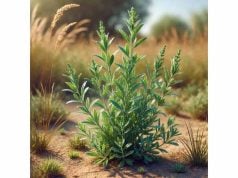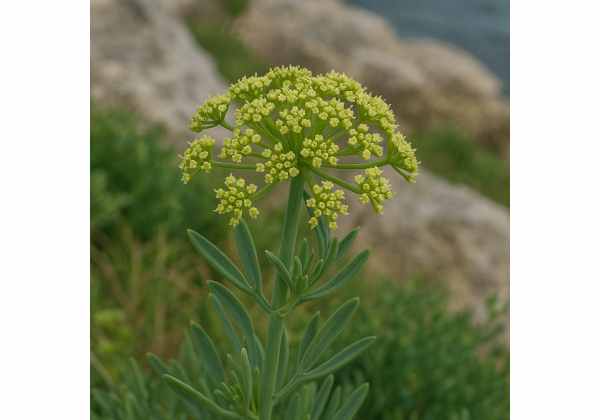
Rock samphire, also known as Crithmum maritimum and often called sea fennel, is a fleshy coastal herb that grows on sea cliffs and salty shorelines. For centuries it has been valued as both a food and a folk remedy, especially around the Mediterranean and Atlantic coasts. Its appeal is easy to understand: the leaves are aromatic, saline, slightly citrusy, and naturally rich in plant compounds that give the herb both culinary character and potential wellness value.
What makes rock samphire especially interesting today is not that it behaves like a strong medicinal drug, but that it bridges several worlds at once. It is an edible halophyte, a traditional digestive herb, a source of essential oils and phenolic compounds, and an increasingly studied ingredient in functional foods. The most realistic benefits linked to it include antioxidant support, gentle digestive usefulness, and nutrient diversity from a mineral-rich coastal plant. At the same time, evidence in humans remains limited, so it is best approached as a smart food-forward herb with promising bioactivity rather than a proven treatment for disease.
Core Points
- Rock samphire may add antioxidant compounds and aromatic phytonutrients to meals.
- Its traditional strengths are culinary use, digestive support, and food-preservation value.
- A practical serving is about 10–30 g fresh shoots, or 1–2 tablespoons of pickled rock samphire.
- People with celery, carrot, or fennel-family allergy and those on sodium-restricted diets should be cautious, especially with preserved products.
Table of Contents
- What rock samphire is and why it stands out
- Key ingredients and medicinal properties
- Rock samphire health benefits and what the evidence suggests
- Culinary, traditional, and modern uses
- Dosage, serving size, and preparation
- Common mistakes and product considerations
- Safety, side effects, and who should avoid it
What rock samphire is and why it stands out
Rock samphire is a perennial halophyte, meaning it is a salt-tolerant plant adapted to harsh coastal environments. It grows where many herbs would struggle: on rocky cliffs, near sea spray, and in soils shaped by salinity, wind, and summer dryness. Those conditions help explain both its sensory character and its chemistry. The leaves are succulent, divided, and strongly aromatic, with a flavor many people describe as a meeting point between fennel, celery, citrus peel, and the sea.
It is also a herb with a long cultural life. Across Mediterranean and Atlantic coastal regions, rock samphire has been eaten fresh, blanched, pickled, and preserved in vinegar or brine. It has also appeared in folk medicine as a digestive, a mild diuretic, and a general tonic herb. Those traditional uses are worth noting, but they should be read with care. In modern terms, rock samphire is better understood as a food-herb with promising functional properties than as a clinically established medicinal plant.
A useful distinction is that rock samphire is not the same as marsh samphire. The names are often mixed up in casual writing, but they come from different plants with different textures, chemistry, and culinary behavior. Rock samphire belongs to the Apiaceae family, the same broad family as fennel, carrot, celery, dill, and parsley. That helps explain its fragrant, spice-like character and why its volatile oils matter so much.
Its modern appeal comes from three overlapping qualities:
- it is an edible coastal green with a distinctive savory flavor
- it contains phenolic compounds, essential oils, pigments, and minerals
- it is being studied as an ingredient for functional foods, sauces, preserves, extracts, and cosmetic applications
The plant also reflects a larger shift in nutrition and herbal interest. People increasingly want ingredients that are both flavorful and biologically interesting, especially plants that can fit into realistic meals rather than only into capsules. Rock samphire fits that trend well. It behaves more like a smart garnish, pickle, condiment, or aromatic green than a “hero supplement.”
For readers who enjoy assertive greens, it can fill a niche similar to watercress as a flavorful nutrient-dense green, though rock samphire is more aromatic, salt-marked, and usually used in smaller amounts. That difference matters. It is not a bulk salad base for most people. It is a concentrated coastal herb that works best when its strong personality is respected.
The most accurate first impression, then, is this: rock samphire is an old shoreline herb newly appreciated for its flavor, chemistry, and functional-food potential. It stands out not because it promises dramatic healing, but because it offers something rarer and often more useful — culinary pleasure with plausible health value.
Key ingredients and medicinal properties
Rock samphire’s medicinal profile begins with its chemistry. Studies on Crithmum maritimum consistently point to a mix of volatile compounds, phenolic acids, flavonoids, pigments, minerals, fatty acids, and fiber-like components. This is why the herb is discussed both as a food ingredient and as a biologically active plant.
Among the most important compounds are its essential-oil constituents. Depending on where the plant grows and which part is analyzed, major volatile compounds may include limonene, sabinene, gamma-terpinene, and terpinen-4-ol. In some populations, other compounds such as dillapiole can also become more prominent. This variation matters because it means rock samphire does not have one perfectly fixed chemical identity across all regions. Geography, growing conditions, harvest time, and plant part all influence the final profile.
Its non-volatile compounds are just as important. Phenolic acids, especially chlorogenic acid and related quinic acid derivatives, appear repeatedly in studies. These compounds help explain why the herb is often discussed for antioxidant potential. Rock samphire also contains pigments such as chlorophylls, xanthophylls, and carotenes, along with notable mineral content and a naturally salty profile shaped by its coastal habitat.
Taken together, these compounds support several plausible medicinal properties:
- Antioxidant activity, linked mainly to phenolics and pigments
- Mild digestive usefulness, likely related to aromatic compounds and traditional bitter-saline herb use
- Antimicrobial and preservative potential, especially in essential-oil and extract research
- Anti-inflammatory promise, though mostly shown in laboratory work rather than robust human studies
- Functional-food value, because the herb delivers flavor and bioactive compounds at the same time
A key point is that “medicinal properties” does not automatically mean proven clinical benefit. In rock samphire, many attractive biological effects have been demonstrated in test systems, extracts, essential oils, food models, or cell-based work. That is scientifically meaningful, but it is not the same as saying the average person who eats a spoonful of pickled samphire will experience a measurable therapeutic effect.
Its aromatic chemistry also places it in a familiar botanical neighborhood. As with fennel and other aromatic Apiaceae herbs, much of the plant’s character comes from essential oils that shape both flavor and function. That family resemblance is useful, but rock samphire is not interchangeable with fennel, dill, or celery. Its saline habitat gives it a different nutritional and sensory identity.
The most grounded way to describe rock samphire’s medicinal properties is to say that it is rich in promising bioactives, especially volatile oils and phenolic compounds, and that these support traditional uses related to digestion, preservation, and general tonic value. What they do not support is exaggerated language about it being a proven anti-cancer, anti-aging, or detox herb in everyday human use.
In other words, the chemistry is genuinely interesting. The leap from chemistry to confident clinical claims is where restraint is needed.
Rock samphire health benefits and what the evidence suggests
The strongest case for rock samphire lies in its role as a bioactive edible herb. The evidence suggests several likely benefits, but most of them belong in the category of “promising and practical” rather than “proven therapeutic.”
The first likely benefit is antioxidant support. Rock samphire contains phenolic compounds, carotenoid-like pigments, and other plant molecules that help explain the antioxidant activity reported in multiple studies. In daily life, that means it may contribute useful phytochemicals when eaten as part of a varied diet. This is probably its most defensible health benefit, especially because it aligns with both its chemistry and its food use.
The second likely benefit is digestive support. Traditional use often describes rock samphire as a stimulating, aromatic, and mildly digestive herb. Its taste profile makes this plausible. Salty, bitter, and aromatic plants often encourage salivation, sharpen appetite, and pair well with rich or oily foods. Rock samphire has long been served with fish, preserved foods, and savory dishes for exactly that reason. It may help meals feel lighter and more digestible, though this is better understood as a culinary-digestive effect than as a formal treatment.
A third area of interest is antimicrobial and preservative activity. Extracts and essential oils from rock samphire have shown activity in laboratory settings, and the plant has been studied as an ingredient in sauces, preserves, and other food systems. This does not make it a household antibiotic, but it does strengthen the case for its value in functional food design and traditional preservation.
A fourth possible benefit is prebiotic or gut-related potential. Some recent work suggests that rock samphire may have interesting interactions with beneficial microbes or food matrices. This is still early and should be treated cautiously, but it adds another reason the herb is being explored as more than a flavoring.
What the evidence does not support strongly is the common temptation to turn these findings into sweeping disease claims. There is not enough human clinical research to say that rock samphire reliably treats inflammation, lowers blood sugar, protects the liver, improves cognition, or prevents chronic disease in ordinary use. Those ideas are mostly driven by preclinical data, not by strong human outcome studies.
That matters because food-like herbs often get overmarketed. Rock samphire does not need hype to be valuable. A realistic summary looks like this:
- most credible: antioxidant contribution and functional-food value
- plausible: digestive usefulness and meal-balancing effect
- promising but early: antimicrobial, prebiotic, and anti-inflammatory activity
- not established: major clinical disease treatment claims
If you already enjoy green, aromatic herbs, rock samphire can fit into the same conversation as parsley as a compound-rich everyday herb, though rock samphire is more niche, more saline, and less suited to large servings. Its benefits are likely strongest when it is part of good food, not when it is treated as a shortcut around the basics of health.
Culinary, traditional, and modern uses
Rock samphire is a herb that makes immediate sense in the kitchen. Its flavor is vivid, briny, aromatic, and slightly resinous, so it works best as an accent rather than a bulk vegetable. Traditional use reflects this perfectly. It has long been blanched, pickled, or preserved in vinegar and served with fish, shellfish, eggs, potatoes, breads, or cold meat platters. In many coastal food traditions, it plays the role that capers, olives, or sharp herb relishes play elsewhere.
Fresh or lightly cooked rock samphire can be used in several practical ways:
- folded into grain or potato salads
- served beside oily fish
- added to green sauces and herb dressings
- chopped into butter or soft cheese spreads
- pickled as a sharp condiment
- blanched and dressed with olive oil and lemon
One reason it works so well in savory dishes is that it combines three useful sensory qualities at once: salinity, aroma, and bitterness. That means a small amount can bring brightness and contrast without heavy seasoning. It also makes preserved rock samphire especially attractive for people who enjoy strong, clean, coastal flavors.
Traditional folk use extends beyond food. Historical descriptions often mention digestive support, mild diuretic use, or general tonic value. Some traditions also treated it as a spring herb or stimulating green. These uses are still part of its identity, but they should not be read as clinically validated prescriptions. They are best treated as culturally important background that helps explain why the herb remains interesting.
Modern uses go further. Food researchers are exploring rock samphire in:
- fermented and unfermented preserves
- ready-to-eat sauces
- aromatic powders and seasonings
- herbal infusions and decoctions
- food-preservation systems
- nutraceutical-style extracts
- cosmetic and fragrance applications tied to its essential oils
This wider interest comes from its chemistry as much as its flavor. A plant that tastes good, tolerates salty conditions, and contains interesting bioactives is naturally attractive to food innovation.
Still, the best use remains the simplest one: food. Rock samphire is usually more convincing on a plate than in a supplement pitch. A small spoonful beside fish, a chopped garnish in a tomato-based dish, or a sharp addition to roasted vegetables often expresses the herb better than any wellness capsule could.
If you like savory, pungent accompaniments, its flavor logic is not far from ginger as a concentrated culinary-medicinal accent, though the chemistry and effect profile are very different. The common point is that a small amount can shift the whole meal.
That is where rock samphire’s uses make the most sense: traditional enough to feel rooted, modern enough to feel relevant, and practical enough to be genuinely useful.
Dosage, serving size, and preparation
Rock samphire does not have a clinically established medicinal dose in the way some better-studied herbs do. That is the most important starting point. Most sensible dosing guidance is therefore culinary, traditional, or based on how extracts and infusions are prepared in research rather than on standardized human treatment protocols.
For food use, a practical serving framework looks like this:
- Fresh tender shoots or leaves: about 10–30 g per serving
- Blanched or cooked samphire: about 20–50 g as a side or salad component
- Pickled rock samphire: about 1–2 tablespoons at a time
- Chopped as garnish or relish: 1–3 teaspoons, depending on saltiness and intensity
These amounts reflect the fact that rock samphire is strong in taste and often already salted by nature or preservation. It usually works best in modest portions.
For infusion-style use, caution is wiser than enthusiasm. Studies examining infusion and decoction have used a preparation made from 5 g dried plant material in 500 mL boiling water, steeped or boiled for 30 minutes. That is useful as a research reference, but it should not be mistaken for an established therapeutic recommendation. For home use, many people prefer food-style use over tea because the herb’s flavor is easier to balance in meals than in a concentrated hot drink.
Preparation method matters a great deal:
- Rinse fresh plants well to remove sand and excess surface salt.
- Blanch briefly if you want a softer texture and milder salt profile.
- Pickle or marinate carefully, because the finished product can become very salty.
- Use with low-salt base foods so the herb is not competing with other strong seasonings.
- Treat essential oil as a different product altogether, not as a food equivalent.
Fresh rock samphire is often best when barely handled. A quick blanch followed by olive oil, citrus, or vinegar lets the aromatic notes come through without turning the herb mushy. Preserved forms are more intense and should be used like a condiment.
Duration is simple: use it as a food when it fits the meal. There is no strong reason to take rock samphire every day in concentrated form, especially when human safety and efficacy data are still limited. In that sense, it behaves more like a seasonal specialty herb than like a daily tonic.
For people seeking a classic bitter-green digestive routine, dandelion in tea and digestive use has a clearer tradition for repeated herbal dosing. Rock samphire is more naturally at home as a culinary support herb.
The best dose, then, is the one that preserves both pleasure and proportion. Enough to add character, not so much that the plant overwhelms the dish or turns a food herb into an improvised medicine.
Common mistakes and product considerations
Rock samphire is easy to misuse conceptually, even when it is hard to misuse in ordinary food amounts. Most mistakes begin with confusion about what kind of plant it is.
The first common mistake is treating all “samphire” as the same thing. Rock samphire and marsh samphire are different plants with different textures, flavors, and chemical profiles. Someone who reads about one and buys the other may end up disappointed or misled. Accurate plant identity matters more here than many shoppers expect.
The second mistake is confusing food use with extract or essential-oil use. Fresh rock samphire on a plate is one thing. A concentrated aromatic extract is another. Essential oils can be chemically potent, irritating, and unsuitable for casual internal use. This matters because modern marketing sometimes takes a culinary herb and presents it as if a concentrated extract were simply “more of the same.” It is not.
The third mistake is ignoring salt. Because rock samphire is a halophyte and is often sold preserved in brine or vinegar, sodium load can become significant very quickly. A person who thinks they are adding “just an herb” may actually be adding a condiment-level amount of salt. This is especially relevant for people with hypertension, edema, kidney concerns, or prescribed sodium restriction.
The fourth mistake is overselling preclinical research. Laboratory findings on antioxidant activity, enzyme inhibition, antimicrobial effects, and cell models are valuable, but they are not permission to market rock samphire as a treatment for chronic disease. It is a plant with potential, not a finished answer.
The fifth mistake is buying for novelty instead of fit. Rock samphire works best for people who genuinely enjoy bold coastal flavors and who will use it in real cooking. If you dislike bitter-saline, aromatic greens, the herb may sound better on paper than it performs at the table.
When choosing a product, keep a few practical rules in mind:
- choose clearly labeled preserved or fresh rock samphire rather than vague “sea herb” blends
- check ingredients for added salt, vinegar, sugar, and preservatives
- prefer culinary products from reputable food producers
- be cautious with capsules or oils that make sweeping health claims
- refrigerate after opening when the product label requires it
Freshness also matters. Tender young shoots are more pleasant than older, fibrous growth. Preserved products vary widely, from delicately aromatic to harshly brined, so quality can affect the whole experience.
In a way, rock samphire is best when treated with the same respect you would give any strong condiment herb: choose it carefully, use it intentionally, and do not expect one jar or one extract to do work that belongs to the whole diet.
Safety, side effects, and who should avoid it
Rock samphire is generally best described as safe in ordinary food amounts for healthy adults, especially when used as a fresh herb or condiment. The stronger safety questions begin when intake becomes frequent, highly preserved, or concentrated into extracts or essential oils.
The most practical safety issue is sodium. Fresh rock samphire naturally reflects its salty habitat, and preserved versions can be much saltier still. For most healthy people this simply means portion awareness. For people with high blood pressure, kidney disease, significant fluid retention, or medically advised sodium restriction, it becomes more important. A small garnish may be fine, while repeated brined servings may not be.
Allergy is the second major point. Rock samphire belongs to the Apiaceae family, so people with known allergy to celery, carrot, fennel, coriander, dill, or related plants should be cautious. Cross-reactivity is not guaranteed, but it is plausible enough to justify care, especially if reactions to aromatic family herbs have happened before.
Possible side effects from larger or poorly chosen servings include:
- stomach irritation from overly concentrated pickles or extracts
- excess salt intake from preserved products
- mouth or digestive discomfort from very strong aromatic preparations
- allergic skin or digestive reactions in sensitive people
Essential oil deserves separate treatment. It should not be assumed safe for casual internal use just because the plant itself is edible. Food herbs and essential oils do not share the same safety margin. Concentrated oils can irritate tissues and may behave unpredictably outside properly formulated products.
Pregnancy and breastfeeding are another area where restraint is appropriate. Food amounts in normal culinary use are the safest boundary. Medicinal-style use, concentrated extracts, and essential-oil preparations are harder to justify because human safety evidence is too limited. The same caution applies to children, who should be offered only ordinary food use, not improvised herbal dosing.
Medication interactions specific to rock samphire are not well defined, but that lack of data should not be read as proof of no risk. Anyone using prescription medicines, especially while experimenting with concentrated extracts, should stay on the cautious side.
A sensible “who should avoid it” list includes:
- people with Apiaceae-family allergy
- those on sodium-restricted diets, especially with preserved products
- pregnant or breastfeeding people considering medicinal doses
- children given non-food preparations
- anyone planning to ingest essential oil without professional guidance
The broad message is reassuring but measured. Rock samphire is a low-risk food herb when used as food. It becomes more uncertain when removed from that context. Respecting that boundary is what keeps the herb both enjoyable and sensible.
References
- Sea Fennel (Crithmum maritimum L.) as an Emerging Crop for the Manufacturing of Innovative Foods and Nutraceuticals 2023 (Review)
- Nutritive Value and Bioactivities of a Halophyte Edible Plant: Crithmum maritimum L. (Sea Fennel) 2024 (Experimental Study)
- Exploiting the Crithmum maritimum L. Aqueous Extracts and Essential Oil as Potential Preservatives in Food, Feed, Pharmaceutical and Cosmetic Industries 2023 (Experimental Study)
- Chemical Profiling of Sea Fennel (Crithmum maritimum L., Apiaceae) Essential Oils and Their Isolation Residual Waste-Waters 2023 (Phytochemical Study)
- Crithmum maritimum L.: Phytochemical Profile, Biological Activities, and Therapeutic Potential 2025 (Review)
Disclaimer
This article is for educational purposes only and is not medical advice. Rock samphire is an edible herb with interesting nutritional and phytochemical properties, but it has not been established as a proven treatment for disease. Food use is different from medicinal use, and preserved products are different from concentrated extracts or essential oils. Speak with a qualified healthcare professional before using medicinal-style preparations if you are pregnant, breastfeeding, taking prescription medicines, managing kidney or blood-pressure conditions, or following a sodium-restricted diet.
If you found this article useful, please share it on Facebook, X, or your preferred platform to help more readers find practical and evidence-aware herbal information.