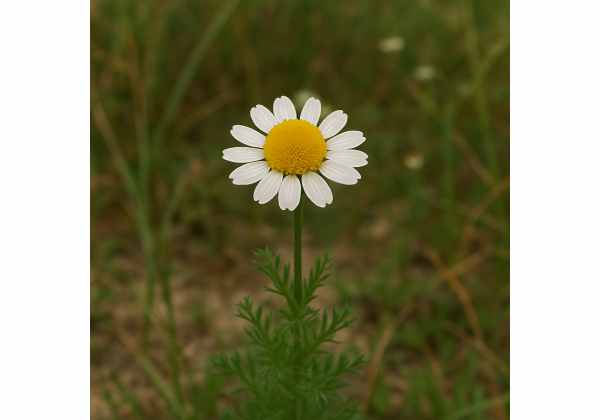
Roman chamomile is a low-growing aromatic herb in the daisy family, valued for its apple-like scent, soft flower heads, and long history in traditional European herbal medicine. Unlike the more widely studied German chamomile, Roman chamomile has a slightly different chemical profile and a more distinct reputation as a gentle digestive, relaxing, and topical-soothing herb. It is most often used as a tea, tincture, liquid extract, compress, or essential oil for external use.
What makes Roman chamomile appealing is not dramatic potency but versatility. It is commonly chosen for mild digestive upset, bloating, tension-related discomfort, and a calmer evening routine. Topically, it appears in products for sensitive skin, minor irritation, and mouth or throat rinses. At the same time, modern evidence is uneven. Some traditional uses are supported by official herbal monographs, but much of the broader sleep, anxiety, and anti-inflammatory research often mixes Roman chamomile with German chamomile or studies “chamomile” without clearly separating species. Roman chamomile is best understood as a gentle, specific herb whose value depends on the form used, the dose, and realistic expectations.
Essential Insights
- Roman chamomile is most credible as a gentle digestive and spasm-soothing herb for mild bloating, flatulence, and stomach tension.
- It may also support relaxation and topical calming, but Roman chamomile-specific clinical evidence is more limited than many product labels suggest.
- A typical tea range is 1 to 4 g dried flowers in 100 to 150 mL hot water, up to 3 times daily.
- People with allergies to ragweed or other Asteraceae plants should avoid it or use it very cautiously.
- Pregnancy, breastfeeding, and concentrated essential-oil use call for extra caution.
Table of Contents
- What Roman Chamomile Is and How It Differs
- Key Compounds and Medicinal Properties
- Roman Chamomile Benefits and What the Evidence Actually Shows
- Traditional Uses and Modern Forms
- Dosage, Preparation, and Timing
- Side Effects, Interactions, and Who Should Avoid It
- How to Use Roman Chamomile Wisely
What Roman Chamomile Is and How It Differs
Roman chamomile is the flower of Chamaemelum nobile, a perennial herb in the Asteraceae family. It is native to parts of western Europe and has been cultivated for centuries for herbal, aromatic, and cosmetic use. The part used most often is the dried flower head, though some specialty products also use its essential oil or extracts made from the flowers.
One of the most important things to understand about Roman chamomile is that it is not the same plant as German chamomile. Both are called chamomile in everyday language, both smell pleasant, and both are used for calming and digestive support. But they are botanically distinct, and their chemistry is not identical. That matters because modern articles and supplements often blur the line between them.
A simple way to think about the difference is this:
- Roman chamomile is usually described as more aromatic, more ester-rich, and somewhat more closely associated with gentle digestive and external soothing uses.
- German chamomile is more heavily studied in modern clinical literature and is often richer in compounds such as chamazulene and bisabolol derivatives.
This difference does not mean Roman chamomile is weak or unimportant. It means that some of the strongest claims people hear about “chamomile” may actually come from another species or from mixed-species reviews. That is especially relevant for sleep, anxiety, and skin claims, where Roman chamomile is frequently marketed more confidently than it has been studied.
Roman chamomile is commonly sold as:
- loose dried flowers for tea,
- tea bags,
- liquid extracts and tinctures,
- essential oil for external use or inhalation,
- and creams, balms, or diluted topical formulas.
The form matters because the herb behaves differently depending on how it is prepared. A warm tea is mainly a digestive and comfort-focused option. A tincture is more concentrated. An essential oil is aromatic and highly potent but not interchangeable with the tea. A topical cream is meant for local use, not systemic effects.
For readers exploring gentle evening herbs, Roman chamomile often ends up compared with lemon balm for stress and wind-down support. That comparison can be useful, but it only works if you start with the right premise: Roman chamomile is a specific herb with specific strengths, not a generic substitute for every calming plant.
The best way to approach Roman chamomile is with botanical precision. Know the species, know the plant part, and know the form. Once those pieces are clear, its benefits and limits become much easier to understand.
Key Compounds and Medicinal Properties
Roman chamomile’s medicinal value comes from a layered mix of volatile oils, flavonoids, coumarins, phenolic acids, and other secondary metabolites. It is not a one-compound herb. Instead, its effects seem to come from the combined action of aromatic and non-aromatic constituents, which is one reason tea, tincture, and essential oil can feel quite different in practice.
The first group to know is the volatile oil fraction. Roman chamomile is notable for an essential oil rich in esters, especially angelic-acid and tiglic-acid derivatives. These compounds help explain its sweet, fruity, apple-like aroma and its long-standing use in perfumery and aromatherapy. Compared with German chamomile, Roman chamomile oil is generally described as lighter in color and more ester-dominant.
The second major group is flavonoids. Roman chamomile contains compounds such as apigenin, luteolin, and quercetin, though typically in lower amounts than German chamomile. These flavonoids are relevant because they are associated with antioxidant activity and may contribute to the herb’s mild relaxing, anti-inflammatory, and tissue-soothing profile.
Roman chamomile also contains coumarins and phenolic acids. These compounds often appear in herbal discussions because they help explain why the plant is used for mild irritation, digestive unease, and topical soothing. In practical terms, they support Roman chamomile’s reputation as a herb that helps calm rather than stimulate.
More recent phytochemical research has also highlighted sesquiterpene lactones and other specialized metabolites. These findings do not automatically translate into proven clinical effects, but they do show that Roman chamomile has a richer chemistry than its “gentle bedtime tea” reputation might suggest.
From a practical standpoint, Roman chamomile is most often described with these medicinal properties:
- mild antispasmodic,
- carminative,
- anti-inflammatory,
- soothing,
- mildly sedative or relaxant,
- and gentle topical anti-irritant.
That list needs careful interpretation. “Mildly sedative” does not mean it acts like a sleep medication. “Anti-inflammatory” does not mean it has proven clinical power against major inflammatory disease. Roman chamomile tends to fit best where the problem is modest, functional, and fluctuating: a tense stomach, post-meal bloating, mild nervous unrest, or minor local irritation.
One useful comparison is with peppermint for digestive cramping and gas. Peppermint often feels cooler, sharper, and more directly digestive. Roman chamomile usually feels softer and more calming, especially when stress and digestive discomfort overlap.
In short, Roman chamomile’s medicinal properties are real, but they are easy to overstate. It is a layered, elegant herb with plausible mechanisms and long-standing traditional use. Its best fit is gentle support, not dramatic symptom suppression.
Roman Chamomile Benefits and What the Evidence Actually Shows
Roman chamomile is often promoted for digestion, relaxation, sleep, skin comfort, menstrual cramps, and general inflammation. Some of those uses are well rooted in traditional herbal practice. Some are supported by laboratory and mechanistic research. But modern Roman chamomile-specific human evidence is much thinner than many people assume.
The clearest evidence-backed role is mild digestive support. Official herbal monographs recognize Roman chamomile flower as a traditional herbal medicinal product for mild, spasmodic gastrointestinal complaints, including bloating and flatulence. That makes digestive use the most defensible place to start. When people describe Roman chamomile as a “settling” herb, this is usually what they mean: it may help a tense, gassy, slightly crampy stomach feel less reactive.
Relaxation is the next most common reason people use it, but this is where the evidence becomes more complicated. Roman chamomile has a long reputation as a calming herb, and its aroma is widely used in inhalation products and evening rituals. Still, the stronger clinical literature on chamomile for anxiety and sleep often leans more heavily on chamomile in general or on German chamomile specifically. For Roman chamomile, it is more accurate to say that it is traditionally calming and plausibly relaxing, rather than clinically established as a stand-alone sleep aid.
Topical soothing is another reasonable use. Roman chamomile appears in creams, diluted oils, and skin-calming preparations because its aromatic and polyphenolic components are associated with anti-inflammatory and anti-irritant effects. Newer research on Roman chamomile residues also suggests antioxidant and cosmetic potential, especially for anti-aging and whitening applications in formulations. That does not mean a home chamomile rinse will transform skin, but it does support the idea that Roman chamomile belongs more comfortably in gentle topical care than in aggressive treatment claims.
The same cautious framing applies to broader anti-inflammatory claims. Preclinical work suggests Roman chamomile extracts may influence inflammatory pathways and oxidative stress. This is biologically interesting, but most of it is still early-stage evidence rather than strong human outcome data.
A realistic summary of Roman chamomile benefits looks like this:
- Most grounded: mild digestive upset, bloating, flatulence, and crampy stomach discomfort
- Reasonably plausible: relaxation support, especially when used as part of an evening routine
- Useful in context: mild topical soothing for sensitive or irritated skin
- Promising but not proven: broader anti-inflammatory, cognitive, or cosmetic claims
That evidence profile places Roman chamomile closer to a gentle support herb than a targeted therapeutic powerhouse. If your main goal is deeper sleep support, you may find more direct comparisons in herbs like valerian for stronger sleep-focused use. Roman chamomile still has a place, but it usually shines in people who want a softer, more tolerable option.
The most honest takeaway is simple: Roman chamomile may help, especially for digestion and gentle calming, but it is best used with modest expectations and clear product selection.
Traditional Uses and Modern Forms
Roman chamomile has been used for centuries in European herbal traditions as a bitter-aromatic, soothing, and digestive-supportive flower. Older herbal texts describe it for stomach discomfort, wind, menstrual tension, and external uses for irritated skin and mucous membranes. In many homes, it also became a comfort herb: something brewed at the end of the day or used when the body felt “tight,” unsettled, or overtaxed.
Those traditional uses still shape the way Roman chamomile is used today. The difference is that modern consumers encounter it in many forms, each with a different purpose and strength.
The most common form is herbal tea. This is usually the best starting point because it is gentle, familiar, and easy to dose. Tea fits Roman chamomile’s traditional role well, especially when the goal is mild digestive support or evening calm.
Tinctures and liquid extracts are more concentrated. These are often chosen when someone wants the herb’s effects without drinking several cups of tea. They can be useful, but they also increase the need for careful dosing and product quality.
Topical products are another major category. Roman chamomile appears in:
- diluted facial or body oils,
- creams for sensitive or reactive skin,
- bath blends,
- mouth or throat rinses,
- and compresses made from a cooled infusion.
Then there is the essential oil. This deserves special attention because it is the form most likely to be misunderstood. Roman chamomile essential oil is highly concentrated and is mainly used for inhalation, fragrance, or careful topical dilution. It is not the same thing as drinking the herb, and it should not be assumed safe for internal use just because the tea is gentle.
One reason Roman chamomile remains popular is that it overlaps several needs at once. A warm infusion can be mildly bitter, gently aromatic, and psychologically comforting all at the same time. That kind of “multi-layered” effect is common in traditional herbs and easy to miss in modern supplement language.
Roman chamomile also fits naturally alongside other soothing herbs. For example, topical blends sometimes place it next to calendula for gentle skin support, while evening teas may combine it with lemon balm or lavender. In those cases, the goal is usually not to make Roman chamomile stronger, but to broaden the type of comfort the formula offers.
The key point is that Roman chamomile is not just one product. It is a flower that can be prepared in ways that highlight digestion, aroma, local soothing, or ritual relaxation. Choosing the right form is part of using the herb well.
Dosage, Preparation, and Timing
Roman chamomile dosing is most reliable when you match the form to the purpose. A tea, a tincture, a liquid extract, and an essential oil do not share the same dose logic, and treating them as interchangeable is one of the most common mistakes people make.
For traditional digestive use, one of the clearest official ranges is a tea made from 1 to 4 g of dried Roman chamomile flowers in 100 to 150 mL of boiling water, taken up to 3 times daily between meals. This is a practical adult range for mild spasmodic gastrointestinal complaints such as bloating, flatulence, and gentle crampy discomfort.
Liquid extracts are also recognized in traditional herbal guidance. A common official range is 1 to 4 mL, up to 3 times daily, depending on the specific preparation. The label matters here because extraction strength, solvent, and standardization can vary substantially.
A helpful way to organize use is by goal:
- For mild digestive support
Use tea between meals or after a meal that tends to leave you bloated or tense. - For evening winding down
Use tea 30 to 60 minutes before bed. The effect is usually subtle and works better as a routine than as an emergency sleep fix. - For topical soothing
Use a cooled infusion as a compress, rinse, or wash, or choose a diluted prepared topical product. - For aroma and mood support
Inhalation or a diffuser can be reasonable, but essential oil should stay diluted and external.
A few practical rules make dosing safer and more useful:
- Start at the lower end if you are sensitive to herbs or prone to allergy.
- Use the dried flowers or a clearly labeled extract, not an undefined “chamomile blend.”
- Do not ingest essential oil unless it is a professionally formulated product specifically intended for that use.
- Reassess if symptoms continue beyond 2 weeks rather than simply increasing the dose.
Roman chamomile is often gentler than many herbs, but gentle does not mean limitless. If you find yourself taking more and more without a clear effect, that usually signals one of two things: the herb is not a good match, or the problem needs a different kind of support.
For people building a bedtime ritual, Roman chamomile is often paired conceptually with lavender for evening calm and aromatic support. That can be a useful comparison because both herbs are better at softening the edges of tension than at acting like a sedative drug.
The best dosing mindset is simple: use enough to notice a benefit, not enough to force one. Roman chamomile tends to work best when approached consistently, modestly, and with the right goal in mind.
Side Effects, Interactions, and Who Should Avoid It
Roman chamomile is generally described as a gentle herb, but that description can create a false sense of safety. Its risks are usually modest, yet they are real, and the most important safety issue is hypersensitivity.
The clearest concern is allergy. Roman chamomile belongs to the Asteraceae family, which also includes ragweed, daisies, chrysanthemums, and calendula. People who react to that plant family may also react to Roman chamomile. Reactions may range from mild itching or mouth irritation to more obvious allergic symptoms such as rash, swelling, wheezing, or worsening asthma-like discomfort.
Possible side effects include:
- nausea in sensitive people,
- mouth or throat irritation from strong infusions,
- contact irritation from topical use,
- and allergy-related symptoms.
Another area that deserves caution is concentrated use during pregnancy and breastfeeding. Official monographs note that safety has not been established in these groups, so the prudent approach is to avoid medicinal-strength use unless a qualified clinician recommends it.
Children under 12 are another group where official traditional guidance is limited. That does not mean a tiny amount of chamomile tea is always harmful, but it does mean self-directed medicinal use should be more cautious than adult use.
Interactions are less clearly documented than allergy, but caution is still reasonable. Roman chamomile is sometimes discussed alongside:
- sedative medicines,
- anticoagulant or antiplatelet medicines,
- and other allergy-prone botanicals.
The strongest evidence for serious interactions is limited, but practical caution still makes sense, especially with concentrated extracts or essential oils. If you take prescription medicines with narrow safety margins, it is smarter to check before experimenting.
Essential oil deserves a separate warning. Roman chamomile essential oil is not a casual internal product. It is highly concentrated, can irritate skin if undiluted, and is far more likely than the tea to cause problems when used carelessly.
A short list of people who should generally avoid self-directed medicinal use includes:
- people with known Asteraceae allergy,
- pregnant or breastfeeding people,
- children under 12 for medicinal dosing,
- people with severe or unexplained digestive symptoms,
- and anyone planning to ingest concentrated essential oil.
Also, Roman chamomile should not be used to cover up symptoms that need evaluation. Persistent abdominal pain, ongoing insomnia, recurrent vomiting, severe mouth irritation, or repeated allergic reactions are not problems for self-treatment with tea.
Roman chamomile is safest when used in a form that matches its traditional profile: mild, measured, and short of excess. The more concentrated the product becomes, the more careful the user should become too.
How to Use Roman Chamomile Wisely
Roman chamomile works best when you use it like a precise herb, not a vague wellness symbol. That means choosing one clear purpose, one suitable form, and a reasonable trial period. Most disappointments with Roman chamomile come from expecting it to do too much, too fast, or in the wrong preparation.
A useful first question is this: what do you actually want from it?
If the answer is “I want a gentler stomach after meals,” tea is usually the best fit.
If the answer is “I want a calming evening ritual,” tea or inhalation may make sense.
If the answer is “I want something for sensitive skin,” a topical preparation is more logical than drinking it.
That simple matching process prevents a lot of confusion.
Roman chamomile also benefits from being used in context. It tends to help most when the problem is mild and functional, not severe and structural. A nervous stomach, gentle bloating, and a restless evening are classic Roman chamomile situations. Severe abdominal pain, panic disorder, chronic insomnia, and inflamed skin disease are not.
A few practical guidelines help:
- Choose the simplest form first.
Start with dried flowers or a clearly labeled tea before moving to concentrated extracts. - Keep the trial period realistic.
Give it several days to two weeks for digestion or routine relaxation before judging it. - Use one new herb at a time.
This helps you tell whether Roman chamomile is actually helping. - Respect the species issue.
Do not assume every claim about “chamomile” applies equally to Roman chamomile. - Treat essential oil as a separate product.
It is aromatic and concentrated, not the same as a cup of tea.
One of Roman chamomile’s real strengths is that it integrates easily into life. It is approachable, pleasant-smelling, and compatible with slower routines. But that same friendliness can tempt people to overlook precision. The herb is at its best when it remains specific: a digestive tea, a calming aroma, a gentle rinse, or a topical support product.
It is also worth remembering that Roman chamomile is not the only gentle herb in this space. Sometimes the better move is another plant, another form, or a basic habit change. Roman chamomile does not lose value because it has limits. In fact, its usefulness becomes clearer when those limits are respected.
That is the most balanced way to use it: as a mild but meaningful herb that supports comfort, especially in digestion and everyday calming, without pretending to be more proven or more powerful than it is.
References
- A Comprehensive Study of Therapeutic Applications of Chamomile 2022 (Review)
- Phytochemical Investigation of Chamaemelum nobile L. and Evaluation of Acetylcholinesterase and Tyrosinase Inhibitory Activity 2025
- Phytochemicals of Roman chamomile: Antioxidant, anti-aging, and whitening activities of distillation residues 2025
- Addendum to Assessment report on Chamaemelum nobile (L.) All. (Anthemis nobilis L.), flos 2020 (Guideline)
- Community herbal monograph on Chamaemelum nobile (L.) All., flos 2012 (Guideline)
Disclaimer
This article is for educational purposes only and is not a substitute for medical advice, diagnosis, or treatment. Roman chamomile may interact with allergies, medications, and concentrated essential-oil products in ways that are easy to underestimate. Because clinical evidence is limited for some of its most popular uses, especially when species are not clearly separated, talk with a qualified healthcare professional before using Roman chamomile medicinally if you are pregnant, breastfeeding, taking prescription medicines, or managing persistent digestive, sleep, skin, or allergy-related symptoms.
If this article helped you, please share it on Facebook, X, or your preferred platform so more readers can use Roman chamomile with clearer expectations and safer judgment.