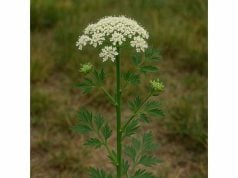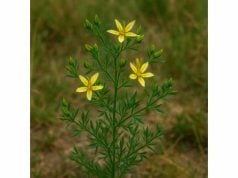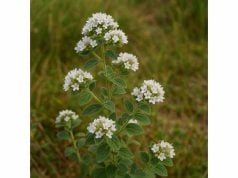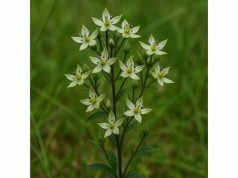
Sarsaparilla is the root of a tropical climbing plant in the Smilax genus, long used in traditional medicine and once famous in herbal tonics, bitters, and old-style root beverages. In modern wellness culture, it is often promoted for skin health, joint comfort, “detox,” hormonal balance, and general inflammatory support. Some of those claims have a plausible botanical basis. Others are much stronger in tradition and marketing than in human clinical proof.
That balance is important. Sarsaparilla contains steroidal saponins, flavonoids, and other plant compounds that help explain its longstanding reputation as a cooling, cleansing, and anti-inflammatory root. Yet the best modern evidence still comes mostly from phytochemistry, cell studies, animal work, and broader research on related Smilax species rather than large, well-controlled human trials focused specifically on Smilax officinalis.
For most readers, the useful question is not whether sarsaparilla is magical, but whether it is a reasonable, carefully used herb for certain goals. The answer is yes, in some cases, especially when expectations stay realistic, doses stay moderate, and safety is taken seriously.
Quick Overview
- Sarsaparilla may help support inflammatory balance and skin comfort, but the strongest evidence is still mostly preclinical.
- Its key compounds include steroidal saponins and flavonoids that may contribute to antioxidant and immune-modulating effects.
- A common traditional range is about 1 to 2 g dried root, up to 3 times daily, or one cup of decoction 2 to 3 times daily.
- Avoid medicinal use during pregnancy and breastfeeding, and use extra caution with kidney disease, heart disease, and prescription medications.
Table of Contents
- What sarsaparilla is and why its history still matters
- Key compounds and medicinal properties
- Sarsaparilla health benefits that are most plausible
- Where sarsaparilla claims are often overstated
- How sarsaparilla is used in tea, tinctures, capsules, and formulas
- Dosage, timing, and how long to use it
- Safety, side effects, interactions, and who should avoid it
What sarsaparilla is and why its history still matters
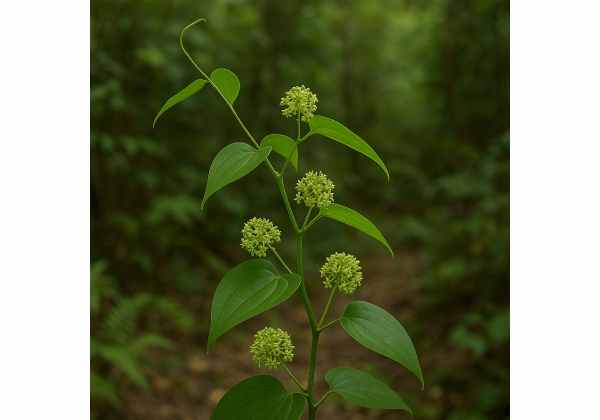
Sarsaparilla usually refers to the dried root or rhizome of certain Smilax species, with Smilax officinalis being one of the best-known names linked to traditional American and European materia medica. The plant is a woody vine native to tropical regions of Central and South America. Its underground parts, rather than its leaves or berries, are the main medicinal material.
One reason sarsaparilla can be confusing is that the name is used loosely in commerce. Different products sold as “sarsaparilla” may come from different Smilax species, and that matters because chemistry and research coverage are not identical across the genus. In practice, this means many modern claims about sarsaparilla are really a blend of species-specific knowledge, historical herb use, and broader Smilax research.
Historically, sarsaparilla was used as a blood purifier, a tonic for skin eruptions, a support for rheumatic pain, and a remedy associated with chronic infectious disease. Today, the phrase “blood purifier” sounds outdated, but it reflected an older herbal idea: supporting elimination, inflammatory balance, and the body’s ability to recover from slow, stubborn conditions. In that sense, sarsaparilla belongs to the same broad traditional family as other classic alterative roots that were used gradually rather than dramatically.
It is also worth separating medicinal sarsaparilla from the flavor profile many people know from old-fashioned soft drinks. Modern “sarsaparilla soda” often contains little or no true medicinal root. The herb itself has a deeper, earthier, more resinous profile than the sweet beverage suggests.
From a modern evidence standpoint, sarsaparilla sits in an interesting middle ground. It is not an obscure plant with no research at all, but neither is it a clinically well-established herb with multiple large human trials. The root has documented steroidal saponins and other bioactive compounds, and related Smilax species have been studied for anti-inflammatory, antioxidant, antimicrobial, and immunomodulatory effects. Still, the jump from traditional reputation to proven therapeutic outcome remains incomplete.
That is why history still matters here. Sarsaparilla makes the most sense when it is viewed through three lenses at once:
- as a traditional root medicine with a long global reputation
- as a phytochemically interesting plant with plausible biological actions
- as a herb whose modern human evidence remains limited
Readers who understand those three points tend to use sarsaparilla more wisely. They are less likely to expect miracle results, less likely to confuse folklore with proof, and more likely to see the plant for what it is: a respectable traditional herb with enough modern support to justify interest, but not enough to justify exaggerated certainty.
Key compounds and medicinal properties
Sarsaparilla’s medicinal reputation begins with its chemistry, especially its steroidal saponins. These soap-like plant compounds are the best-known constituents in Smilax officinalis and related species, and they help explain many of the herb’s traditional uses. In species-specific and genus-level research, compounds such as sarsasapogenin, smilagenin, neotigogenin, and related sapogenins appear again and again.
Steroidal saponins matter because they are linked to several biological themes that show up in the literature:
- membrane activity and surfactant-like behavior
- immune and inflammatory signaling effects
- antimicrobial and antifungal potential
- possible influence on absorption and tissue interaction
These compounds are one reason sarsaparilla is so often described as cleansing, cooling, or clearing in older herbal language. The older terms are not scientific, but they often pointed toward plants that affected inflammation, skin expression, and elimination.
Sarsaparilla is not only about saponins, though. Depending on the species and preparation, Smilax roots may also contain flavonoids, phenolic compounds, phytosterols, and minor trace constituents that contribute antioxidant effects. In broader Smilax research, flavonoids and phenolics are frequently tied to free-radical scavenging, cell protection, and anti-glycation interest. That does not automatically translate into a dramatic clinical effect, but it gives the plant a plausible biochemical foundation.
The main medicinal properties most often associated with sarsaparilla are these:
- Anti-inflammatory potential: several Smilax preparations and constituents have shown activity in experimental inflammatory models
- Antioxidant support: related species demonstrate measurable activity against oxidative stress and reactive compounds
- Immunomodulatory interest: some constituents may influence immune signaling in ways that help explain long traditional use
- Skin-directed traditional action: likely tied to inflammatory balance, immune effects, and the long herbal custom of using sarsaparilla in chronic skin states
- Mild diuretic and eliminative reputation: more strongly traditional than clinically proven, but still part of how the herb has been framed for centuries
One of the most important nuances is that not every marketed claim belongs equally to Smilax officinalis alone. Some well-known findings come from Smilax glabra, Smilax china, or Smilax ornata, while some chemistry is directly tied to Smilax officinalis. So when people ask what the “active ingredient” is, the best answer is not a single compound but a family of related constituents, led by steroidal saponins and supported by flavonoids and phenolic compounds.
This also helps explain why sarsaparilla is usually used as a root decoction, powder, or extract rather than as a culinary herb. Dense roots and rhizomes often need heat, time, and stronger extraction to release their characteristic compounds. That preparation logic is common across traditional root medicines.
In practical terms, sarsaparilla’s medicinal profile is broader than one simple category. It is not just a skin herb, not just a joint herb, and not just a “detox” herb. It is better understood as a root with overlapping anti-inflammatory, antioxidant, and tonic properties, supported by chemistry that makes its historical reputation believable even when the clinical proof remains incomplete.
Sarsaparilla health benefits that are most plausible
Among the many claims attached to sarsaparilla, a few stand out as more plausible than others. “Plausible” is the right word here. It means the benefits are supported by traditional use, plant chemistry, and some preclinical evidence, but not always by strong human trials.
The first is inflammatory balance and joint comfort. This is one of the most believable uses, especially because several Smilax species have shown anti-inflammatory activity in experimental models. Traditionally, sarsaparilla was used for rheumatic pain, stiffness, and chronic inflammatory complaints. That does not make it a replacement for better-studied options, and it should not be presented as equal to therapies with stronger clinical backing. Still, for someone exploring gentle adjunctive herbs for long-standing inflammatory discomfort, it makes more sense than many of the more dramatic claims. Compared with better-studied joint-support botanicals, sarsaparilla is less proven but still pharmacologically interesting.
The second is skin support, especially when the skin issue is framed in old herbal terms as hot, inflamed, congested, or recurrent. This is where sarsaparilla’s traditional reputation is strongest. Herbalists historically used it for eczema-like states, psoriasis-like states, and chronic eruptions. Modern science does not yet confirm that sarsaparilla reliably improves these conditions in humans, but the combination of anti-inflammatory and immune-related activity makes the traditional use understandable.
The third is antioxidant and general tonic support. Sarsaparilla is not a nutrient powerhouse in the way some food plants are, but its root compounds may help reduce oxidative burden and support broader tissue resilience. This benefit is subtle and usually matters more over time than from a single dose.
A fourth possible benefit is mild support for metabolic and glycation-related stress, but this is still early and more relevant to the broader Smilax genus than to Smilax officinalis alone. Some recent work suggests phenolic-rich Smilax extracts may have antioxidant and advanced glycation end-product inhibitory activity. That is interesting, especially in a modern diet context, but it is not yet a reason to treat sarsaparilla as a blood sugar herb.
These benefits are most believable when three conditions are met:
- The herb is used as part of a broader plan, not as a stand-alone cure.
- The expectation is steady support, not immediate transformation.
- The user respects the gap between preclinical promise and proven clinical effect.
In other words, sarsaparilla may be a reasonable supporting herb for people interested in inflammatory tone, skin patterns, and general botanical tonic use. It is much less convincing when marketed as a solution for major disease, rapid hormonal change, or dramatic cleansing. Used conservatively, it may offer real value. Used as a miracle herb, it quickly becomes overstated.
Where sarsaparilla claims are often overstated
Sarsaparilla has one of those herbal reputations that can easily drift from reasonable to inflated. The plant’s history is long, its name is familiar, and its traditional uses are vivid. That combination makes it especially vulnerable to modern exaggeration.
The most common overstatement is the idea that sarsaparilla is a true detox herb in the modern, commercial sense. Traditional herbalists did use the language of blood purification, but that did not mean a root could somehow pull toxins out of the body in a literal or universal way. A more grounded interpretation is that sarsaparilla may support normal elimination and inflammatory balance in some people. That is a very different claim. It is closer to how people use other traditional cleansing herbs as gentle support rather than as miracle purifiers.
A second exaggerated area is hormonal balance and testosterone support. Sarsaparilla’s steroidal saponins led to decades of speculation that it could directly raise testosterone or act like a plant hormone source. That idea is popular in bodybuilding lore and older supplement marketing, but the evidence in humans is weak. The presence of steroid-like plant compounds does not mean the body converts them into meaningful sex hormone changes. This is a classic case where chemistry sounds dramatic but the clinical implication is much less impressive.
A third overstatement involves sexual performance and libido. Sarsaparilla has a long reputation as an aphrodisiac in some traditions, but that reputation is not backed by strong modern human trials. It may fit old tonic formulas aimed at vitality, but it should not be sold as a reliable sexual-enhancement herb.
Then there is the historical association with syphilis and chronic infection. Sarsaparilla was once used in periods when medical options were extremely limited, and that history is real. But it should stay in history. It is not a treatment for sexually transmitted infections, Lyme disease, or other modern infectious conditions. At most, modern reviews that mention sarsaparilla note that data are limited, formulations are inconsistent, and clinical evidence is lacking.
Even skin claims can be overstated. Sarsaparilla may make sense as a supportive herb in chronic inflammatory skin patterns, but saying it “treats psoriasis” or “cures eczema” goes too far. Skin disease is complex, and a herb with plausible anti-inflammatory action is not automatically a primary therapy.
The safest way to judge sarsaparilla claims is to ask a simple question: is the claim describing support, or is it promising a cure? Support may be reasonable. Cure language is where problems begin.
That distinction protects both accuracy and the user. Sarsaparilla deserves interest, but not mythmaking. It is a traditional root with meaningful botanical actions, not a shortcut around diagnosis, standard treatment, or common sense.
How sarsaparilla is used in tea, tinctures, capsules, and formulas
Sarsaparilla is most often used from the dried root or rhizome, and the form matters more than many people realize. A loose-cut root for decoction, a powdered capsule, and an alcohol tincture may all be called sarsaparilla, yet they can feel quite different in practice.
The most traditional form is decoction. Because sarsaparilla is a dense root, it is usually simmered rather than simply steeped. This method suits the plant well and matches its long history in folk medicine. Decoctions are especially useful for people who want a classic whole-herb approach and do not mind the earthy, slightly bitter, resinous taste.
The second common form is powder or capsules. These are convenient and easy to dose, but they are not always ideal for everyone. Powders can be harder on digestion in some people, especially if taken in large amounts or on an empty stomach. Capsules are practical for travel and for users who dislike decoctions.
The third form is tincture or liquid extract. This can be a good choice when someone wants smaller servings, easier blending with other herbs, or more precise control. A tincture may also be easier to add to formulas aimed at skin, joints, or general tonic use.
Sarsaparilla is often combined with other herbs rather than used alone. In traditional and modern herbal practice, it may appear in formulas for:
- blemish-prone or reactive skin
- rheumatic or inflammatory discomfort
- spring tonics and bitter formulas
- digestive and eliminative blends
It is sometimes paired with roots and leaves that share its slow, system-wide style of action, including herbs such as nettle for inflammatory and skin support. In that kind of formula, sarsaparilla usually plays a grounding, tonic, or clearing role rather than acting as the sole star ingredient.
A simple home decoction approach is usually the safest place to start:
- Measure the dried root.
- Add it to water in a small pot.
- Bring it to a gentle boil, then reduce to a simmer.
- Simmer for 15 to 30 minutes.
- Strain and drink warm.
Users should also remember that medicinal sarsaparilla is not the same as flavored soft drinks, syrups, or candies labeled with the same name. Those products may capture the idea or taste tradition, but they usually are not meaningful herbal preparations.
In practical herbal use, sarsaparilla tends to work best when the form matches the goal. Tea or decoction fits traditional tonic use. Capsules suit convenience. Tinctures work well in formulas and measured routines. Whichever form is chosen, quality matters. A clear species label, trustworthy sourcing, and a product that identifies the plant part are all worth looking for.
Dosage, timing, and how long to use it
Sarsaparilla dosing is less standardized than many supplement users expect. There is no widely accepted evidence-based clinical dosage for Smilax officinalis supported by large human trials. That means most practical dosing still comes from traditional use patterns and commercial herbal practice rather than strong medical consensus.
For dried root, a common traditional range is about 1 to 2 g per dose, up to 3 times daily. This can be taken as a decoction, powder, or capsule depending on the preparation. Some sources use broader ranges, but the most sensible strategy is to start low rather than chase the upper edge.
For a decoction, many people use one cup 2 to 3 times daily. Because roots vary in cut size and density, it is more useful to think in terms of a mild to moderate decoction than an aggressive brew. Stronger is not automatically better, and with old tonic herbs like sarsaparilla, steady use often matters more than intensity.
For tinctures and extracts, follow the product label unless you are working with a qualified herbal practitioner. Extraction ratios differ widely, so copying a dose from one product to another is not reliable.
Timing depends on the reason for use:
- For general tonic use, morning and midday doses are often easiest.
- For skin or inflammatory support, consistency matters more than time of day.
- For people prone to digestive sensitivity, taking it with or after food can help.
How long should someone use sarsaparilla? A fair trial is usually 2 to 4 weeks for general support, provided the herb is tolerated well. If the goal is longer-term skin or inflammatory support, some people use it for several weeks and then reassess rather than taking it indefinitely without a reason.
A few practical dosing rules make sarsaparilla safer and more useful:
- Start with the lower end of the range.
- Use one form at a time so you can judge tolerance clearly.
- Avoid stacking it immediately with several other new herbs.
- Reassess if nothing meaningful changes after a reasonable trial.
Because this herb does not have strong clinical dosing studies, it should be treated with humility. A modest, traditional dose is more defensible than a large, supplement-style escalation. If someone is looking for a highly standardized, evidence-anchored intervention, sarsaparilla is not the best example. It works better as a carefully used traditional botanical than as a precision modern supplement.
Safety, side effects, interactions, and who should avoid it
Sarsaparilla is generally described as a moderately gentle herb when used in traditional amounts, but that should not be mistaken for proven safety in every context. The main issue is not widespread evidence of serious harm. It is the lack of strong modern human safety data, especially for long-term use, concentrated extracts, and combination formulas.
The most likely side effects are relatively mild:
- stomach irritation or nausea
- loose stools or digestive upset
- headache in sensitive users
- allergy or intolerance, though this appears uncommon
Some people tolerate decoctions well but react more strongly to capsules or tinctures. Others find the root drying or irritating when taken at higher doses. These problems are usually managed by lowering the dose, taking it with food, or stopping use.
Several groups should be more cautious.
Pregnant and breastfeeding people should avoid medicinal use because safety has not been established. Traditional use is not enough to fill that gap.
Children should not use sarsaparilla medicinally without professional guidance. There is too little direct evidence to support routine self-treatment.
People with kidney, liver, or heart disease should use extra caution. Not because sarsaparilla is clearly toxic to these organs, but because concentrated herbs can complicate fluid balance, medication response, and symptom interpretation.
Anyone taking prescription medications should think carefully before using it regularly. Direct interaction evidence is limited, but caution is reasonable with diuretics, heart medications, blood sugar drugs, and medications with narrow therapeutic ranges. Some modern reviews of herbal supplement use also emphasize that many such products are variable in dose and may create additive risks when combined with conventional care.
Another safety point is quality control. Since the name sarsaparilla may cover several species and preparation styles, consumers need to look for transparent labeling. Products should identify the plant clearly, list the preparation type, and avoid vague proprietary blends. Low-quality formulas make both efficacy and safety harder to judge.
A good safety checklist looks like this:
- Do not use it in pregnancy or breastfeeding.
- Start with a low dose and one product at a time.
- Avoid replacing diagnosis or treatment with the herb.
- Stop use if you develop persistent stomach upset, rash, dizziness, or worsening symptoms.
- Ask a clinician before using it with regular medication or chronic disease.
Sarsaparilla is best viewed as a supportive herb, not a harmless wellness drink and not a substitute for medical care. That framing keeps it in its proper place: useful for some people, cautiously used, and much less impressive when pushed beyond what the evidence can honestly support.
References
- The genus Smilax L.: A comprehensive review of traditional uses, phytochemistry, pharmacological activities, and toxicity 2026 (Review)
- Smilax china L.: A review of its botany, ethnopharmacology, phytochemistry, pharmacological activities, actual and potential applications 2024 (Review)
- Smilax glabra Roxb.: A Review of Its Traditional Usages, Phytochemical Constituents, Pharmacological Properties, and Clinical Applications 2022 (Review)
- A Comprehensive Review of Herbal Supplements Used for Persistent Symptoms Attributed to Lyme Disease 2023 (Review)
- Steroidal saponins from Smilax officinalis 1996
Disclaimer
This article is for educational purposes only and is not medical advice. Sarsaparilla is a traditional botanical with limited modern human clinical research, and commercial products may vary in species, strength, and quality. It should not be used to diagnose, treat, or delay care for skin disease, arthritis, infection, hormonal problems, or any other medical condition. Speak with a qualified healthcare professional before using sarsaparilla medicinally if you are pregnant, breastfeeding, have a chronic illness, or take prescription medication.
If you found this article helpful, please share it on Facebook, X, or another platform you prefer.