Senega snakeroot, or Polygala senega, is a North American medicinal root best known for its long history as a stimulating expectorant. Traditional herbal systems used it when coughs turned heavy, mucus became thick, and the chest felt tight or difficult to clear. That reputation still shapes how the herb is discussed today. Senega is not a gentle tea herb for casual daily use, but a more active botanical with a specific traditional role.
Its most important compounds are triterpene saponins, especially senegins and related senegasaponins. These help explain the root’s classic use for bronchial congestion and its broader experimental effects on inflammation, immunity, and metabolism. Still, the modern evidence is narrower than the folklore. Most support for senega comes from traditional use, pharmacognosy, and preclinical studies rather than large human clinical trials.
For most readers, the practical takeaway is simple: senega may still have value for short-term respiratory support in the right context, but it should be used carefully, in modest amounts, and with more attention to stomach tolerance and contraindications than many common cough herbs require.
Top Highlights
- Senega snakeroot is best known for helping loosen thick mucus and support more productive coughing.
- Its saponins also show anti-inflammatory and immune-active effects in preclinical research.
- Traditional adult intake often falls around 1 to 3 g of dried root per day, depending on the form used.
- Avoid internal use during pregnancy, and avoid self-use with ulcers, inflammatory bowel disease, or significant stomach sensitivity.
Table of Contents
- What senega snakeroot is and why it still matters
- Key compounds and medicinal properties
- Senega snakeroot health benefits with the strongest support
- Other possible uses and where the claims get ahead of the evidence
- How senega is used in teas, syrups, tinctures, and combination formulas
- Dosage, timing, and how long to use it
- Safety, side effects, interactions, and who should avoid it
What senega snakeroot is and why it still matters
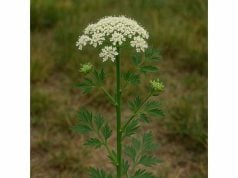
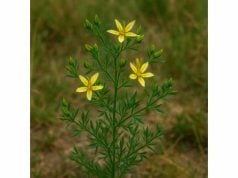
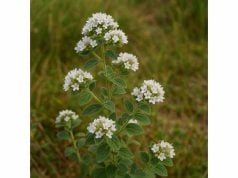
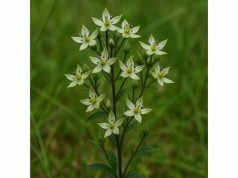
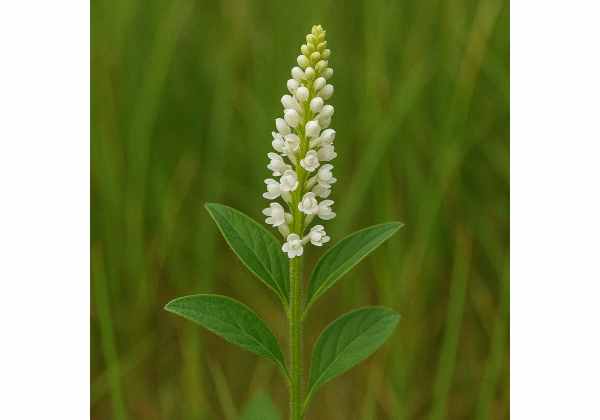
Senega snakeroot is the dried root of Polygala senega, a perennial plant native to parts of eastern and central North America. It grows low to the ground, with narrow leaves and small clustered flowers, but the part used medicinally is underground. The root has a twisted, knotted look and a sharp, somewhat acrid taste that already hints at its stronger pharmacological character.
Historically, senega occupies an important place in North American herbal medicine. The plant’s common name reflects its association with Indigenous medicinal knowledge, especially traditions that linked the root with respiratory and other practical uses. Later, European and North American herbal systems adopted senega into materia medica as a stimulating expectorant, especially in chronic bronchial states where mucus was thick, sticky, and hard to move. This was not the sort of herb people reached for when a throat merely felt scratchy. It was used when the chest sounded loaded, the cough was tiring, and the body needed help shifting secretions.
That older distinction is still useful now. Senega is not best understood as a general wellness tonic. It is more of a problem-solving herb with a narrow traditional lane: difficult expectoration. In that sense it belongs with classic respiratory plants that were used for function rather than comfort alone. Someone exploring the wider world of traditional chest herbs may also notice overlap with mullein and other expectorant-support plants, but senega is usually considered the more stimulating and more irritating option.
Modern interest in senega persists for three main reasons. First, its respiratory use is longstanding and consistent across herbal references. Second, its chemistry is well enough studied to explain why people used it that way. Third, its saponins have attracted research attention beyond coughs, especially in immunology and experimental pharmacology.
At the same time, senega matters today partly because it reminds us how older herbs should be interpreted carefully. A plant can have a legitimate tradition and real biological activity while still being imperfect for modern self-care. Senega can irritate the stomach, it is not appropriate for everyone, and it is much less supported by controlled human trials than many readers may expect.
That is why senega still matters, but in a disciplined way. It remains relevant as a traditional expectorant root, a source of unusual saponins, and a useful example of how older herbal medicine often worked: targeted, active, and sometimes rougher at the edges than today’s gentler botanical favorites.
Key compounds and medicinal properties
The core chemistry of senega snakeroot centers on triterpene saponins. These are the compounds most closely linked to the herb’s traditional expectorant action and to many of its modern experimental effects. In practical herbal terms, they are the reason senega behaves like a stimulating root rather than a bland soothing one.
Among the best-known constituents are senegins and senegasaponins, along with sapogenin-related structures derived from polygalic acid and presenegenin-type backbones. These saponins are not just chemically interesting. They help explain several of senega’s characteristic medicinal properties:
- stimulation of bronchial secretions
- expectorant activity in thick, difficult mucus states
- local gastrointestinal irritation at higher doses
- broader immune and membrane-related biological activity
The classic explanation for senega’s respiratory action is partly reflexive. Saponin-rich herbs can mildly irritate the stomach lining, and in response the body may increase secretions in the respiratory tract. In traditional terms, this helps “loosen” phlegm. In modern terms, it may reduce the sense of chest stagnation and make a cough more productive. This is one reason senega has historically been chosen for rattling, stubborn bronchial congestion rather than for a purely dry, scratchy throat.
Senega also shows wider pharmacological interest. Studies on isolated senega saponins have reported immunological adjuvant effects, and other experimental work suggests possible influences on glucose handling, alcohol absorption, gastric function, and inflammatory pathways. These are interesting findings, but they do not all translate into everyday herbal indications. A compound can be active in a lab or animal model without becoming a useful general supplement.
Another important point is that senega is not primarily valued for aromatic oils or soothing mucilage. This makes it different from herbs such as thyme or marshmallow. Its personality is more penetrating and stimulating. If you compare senega with aromatic respiratory herbs such as thyme, the contrast is helpful: thyme works partly through volatile compounds and direct airway relevance, while senega’s signature is more strongly tied to saponins and secretory reflex effects.
The herb’s medicinal properties are often summarized as:
- expectorant
- secretolytic or mucus-moving
- mildly stimulating
- experimentally anti-inflammatory
- immunologically active in preclinical settings
Still, the chemistry that gives senega value is also what creates caution. Saponins can irritate mucous membranes and the gastrointestinal tract, especially at higher doses or with prolonged use. That means the same compounds responsible for benefit can also drive unwanted effects. This is not a contradiction. It is simply how many stronger roots behave.
So, when people ask what the “active ingredients” in senega are, the clearest answer is triterpene saponins, especially senegins and related senegasaponins. Everything else flows from that. They explain the old expectorant reputation, the newer research interest, and much of the herb’s safety profile as well.
Senega snakeroot health benefits with the strongest support
Of all the claims attached to senega snakeroot, the most credible and historically grounded is respiratory support in coughs with thick, difficult mucus. This is the use that defines the herb. It appears again and again in older monographs, pharmacopoeial discussions, and modern summaries of traditional practice.
The key word is productive. Senega has usually been used when the chest feels full, secretions are stubborn, and coughing is no longer efficient. In those situations, a stimulating expectorant may help thin or mobilize mucus enough to make the cough more effective. That is different from suppressing a cough. Senega does not fit the profile of a quieting, sedating cough herb. It is more about moving what is stuck.
This makes it relevant to long-standing herbal approaches to bronchitis-like states, post-infectious chest congestion, and phlegm-heavy respiratory irritation. Even here, however, balance matters. Traditional use is strong, but modern clinical trials on senega as a stand-alone therapy are limited. The strongest support is not from large placebo-controlled human studies. It is from long therapeutic use backed by a pharmacological rationale.
A second plausible benefit is mucolytic support in combination formulas. Senega has often been used with other respiratory herbs rather than alone. That is practical, because stimulating expectorants can work better when paired with plants that soothe irritated tissue or support bronchi more gently. Herbs discussed alongside senega in respiratory traditions often include demulcents, aromatics, or broncho-relaxing plants such as other traditional chest-support herbs that complement rather than duplicate its action.
A third area with some real, though nontraditional, interest is immune activity. Senega saponins have been studied as immunological adjuvants, meaning they may help strengthen immune responses in experimental settings. This is scientifically significant, but it should not be confused with routine immune support for consumers. It is more relevant to pharmacology and formulation science than to home herbalism.
The herb may also have modest anti-inflammatory relevance, especially in airway irritation where inflammation and thick mucus travel together. But again, this support is more mechanistic and preclinical than clinically proven.
The best practical summary is this:
- Senega’s strongest traditional use is for hard-to-expectorate mucus.
- It is better suited to heavy, congested coughs than to light throat irritation.
- It is most convincing as a short-term respiratory herb, not a long-term tonic.
- The herb’s research profile supports biological plausibility more than strong clinical certainty.
This is exactly why senega still shows up in cough discussions even though it is no longer a household staple. It has a clear job. When used appropriately, that job is to help move bronchial secretions. What it does not do especially well is serve as a general-purpose respiratory panacea. Readers who keep that distinction in mind are more likely to use it wisely and less likely to expect it to do what it was never meant to do.
Other possible uses and where the claims get ahead of the evidence
Once an herb develops a long reputation, it often accumulates more claims than the evidence can support. Senega snakeroot is a good example. Its traditional respiratory role is fairly clear, but beyond that the conversation becomes more speculative.
One area of interest is blood sugar and metabolic response. Some experimental work on senega saponins suggests effects on glucose handling in animal models. This is scientifically interesting and helps show that senega is more than a simple cough herb. But it does not justify presenting senega as a diabetes remedy. There are no strong clinical standards for that use, and the herb’s gastrointestinal irritation potential makes self-experimentation especially unwise.
A second area is anti-inflammatory and anti-cancer research. Extracts and isolated constituents of Polygala senega have been studied in laboratory settings for effects on inflammation, cell signaling, and tumor-related processes. These findings matter for researchers, especially those interested in natural-product chemistry and saponin pharmacology. But for readers looking for practical health advice, the message should stay conservative: senega has experimental promise, not established anti-cancer use.
A third area is immune modulation. As noted earlier, senega saponins have shown adjuvant activity in preclinical work. This makes them relevant in vaccine science and immunological research. It does not mean a cup of senega tea functions as a meaningful immune booster in everyday life. That leap is common in supplement marketing, but it is not well supported.
Senega is also sometimes mentioned for circulatory or stimulant actions, though these descriptions usually come from older herbal language rather than robust modern trials. Historically, many stimulating expectorants were assumed to “wake up” sluggish systems in more than one way. Modern interpretation should be narrower.
This is where it helps to separate four levels of evidence:
- Traditional use: strong for respiratory expectoration
- Pharmacological plausibility: strong for saponin-driven activity
- Preclinical expansion into other uses: interesting but not decisive
- Human clinical confirmation: limited
That fourth point is the one that keeps senega from becoming a broad modern recommendation. A plant can have a fascinating chemical profile and still lack the kind of clinical proof that would justify widespread use for unrelated conditions.
It is also worth noting that some people lump senega into vague “detox” or “cleansing” language. That is not especially helpful. Historically, plants that loosen secretions or stimulate elimination often picked up those labels. In practice, senega is much better understood as a targeted expectorant root than as a catch-all purifier. Readers looking for gentle support for digestion, liver comfort, or long-term inflammatory balance would usually find better candidates in roots such as other better-defined traditional botanicals that match those goals more directly.
So, can senega do more than help with thick mucus? Possibly, and the science suggests it has real pharmacological depth. But the farther you move from its classic respiratory role, the more caution you need with both the claims and the herb itself.
How senega is used in teas, syrups, tinctures, and combination formulas
Senega snakeroot has traditionally been used in several forms, but not all of them are equally practical for modern readers. Because the active root contains saponins and has a fairly intense taste, the preparation method influences both usefulness and tolerance.
Decoction or strong infusion is one of the older forms. The dried root is cut or crushed and simmered or steeped to pull out its active constituents. This approach fits the plant’s traditional identity, but it can also highlight its stomach-irritating side if made too strong. Senega is not the kind of root that benefits from a “more is better” approach.
Fluid extracts and tinctures became popular because they make dosing easier and help standardize potency somewhat. These forms are common in professional herbal practice and in older pharmacopoeial use. They also fit senega well because the doses can stay small.
Syrups and cough mixtures are historically important. Senega was often blended into syrups for productive coughs and chronic chest congestion. This is still one of the most logical ways to use it, because a formula can soften senega’s harshness with complementary herbs. Demulcents and soothing roots such as marshmallow in respiratory formulas help balance the stimulating action of senega and make the overall preparation more tolerable.
Capsules and powders are less traditional but still available. These can be convenient, though they may not be ideal for sensitive stomachs. With senega, swallowing a powder is not always gentler than drinking a decoction. Sometimes it is the opposite.
A sensible way to think about preparation is to match the form to the goal:
- For a classic traditional approach, use a mild decoction.
- For measured short-term use, tinctures or fluid extracts are often more practical.
- For combination respiratory support, a syrup or blended formula may make the most sense.
- For people with delicate digestion, senega may be a poor fit regardless of the form.
The herb is usually best used when mucus is already present and hard to shift. It is less suited to situations where the throat is merely dry and irritated without congestion. In those cases, a softening herb would often be a better first choice.
Another practical rule is to avoid stacking senega with several other strong stimulating expectorants at once unless you know exactly why. Too many sharp, irritating herbs in a single formula can turn an already inflamed respiratory state into an uncomfortable digestive one.
In real-world herbal use, senega works best as a specialist rather than a star. It is the root you add when there is a specific need for stronger expectoration, not the one you reach for simply because someone has coughed for a day or two. That narrower role is part of what makes it useful and part of what keeps it from being a universal household herb.
Dosage, timing, and how long to use it
Senega snakeroot dosing should stay conservative. Although traditional monographs and herbal references do provide ranges, the herb is strong enough that dosing is best treated as a starting framework, not as permission to push upward casually.
For crude dried root, a common traditional adult range is about 1 to 3 g per day, usually divided across the day. That may be used in infusion, mild decoction, or powdered form depending on the preparation. For fluid extract, older monographs commonly place intake around 0.3 to 1 mL per day, while tincture ranges are often given around 2.5 to 5 mL per day, depending on extract strength and standard used. Product labels vary, so equivalence matters.
In practice, the most useful dosing principles are these:
- Start at the lower end.
- Use senega only when the symptom pattern actually matches the herb.
- Increase only with a clear reason.
- Stop early if the stomach objects.
Timing usually works best after food or with some form of nourishment. Because senega can irritate the stomach lining, taking it on an empty stomach often makes little sense. If the herb is going to help loosen secretions, it does not need to do so at the cost of nausea.
Daily use is usually spread across 2 to 3 doses, especially when the goal is steady support for bronchial secretions during a short acute phase. For cough formulas, practitioners often prefer smaller repeated doses rather than one large serving.
Duration matters almost as much as dose. Senega is generally best suited to short-term use for a defined respiratory need. When a cough is lingering because mucus is thick and hard to move, the herb may make sense for several days. If nothing meaningful changes, or if symptoms worsen, simply taking more senega is not the right next move. The condition needs reassessment.
It is also worth noting what senega is not ideal for:
- long-term daily use without a clear reason
- casual “immune support”
- dry throat irritation without mucus
- unsupervised use in frail or highly sensitive people
Some users make the mistake of treating all cough herbs as interchangeable. They are not. Senega is more stimulating and more irritating than many popular respiratory plants. Compared with a smoother herb such as licorice used for soothing and chest comfort, senega feels more targeted and less forgiving.
The best dosing mindset is restrained and situational. Use enough to test whether the root helps loosen secretions, but not so much that the digestive tract becomes the bigger problem. With senega, effectiveness and tolerance need to stay in balance. Once that balance is lost, the herb stops being helpful very quickly.
Safety, side effects, interactions, and who should avoid it
Safety is the part of senega snakeroot that readers should not skim. This is not a highly dangerous herb when used properly, but it is one of those traditional roots whose usefulness is closely tied to its irritant nature. The main problem is gastrointestinal intolerance.
The most common side effects are:
- nausea
- stomach irritation
- abdominal discomfort
- loose stools or diarrhea
- vomiting at higher doses
These effects are not random. They are connected to the same saponin-rich chemistry that gives the herb its expectorant activity. In other words, senega’s benefits and side effects come from the same pharmacological character. That is why dosing and timing matter so much.
Several groups should avoid senega or use it only with professional guidance.
Pregnant and breastfeeding people should avoid medicinal use. Traditional sources often caution against it in pregnancy, and the safety data are not strong enough to override that concern.
People with peptic ulcer disease, gastritis, or inflammatory bowel disease should also avoid it. Senega’s irritant action can make those conditions worse rather than better.
Children should not be given senega routinely unless a qualified clinician specifically recommends it. The herb’s narrow safety margin compared with gentler cough herbs makes casual use a poor idea.
People with severe respiratory symptoms should not self-treat with senega in place of proper care. If wheezing is significant, breathing is labored, fever is high, or chest pain is present, a strong expectorant root is not a substitute for evaluation.
Drug interaction data are not especially robust, but caution is still reasonable. Senega may aggravate stomach irritation when combined with medications already known to upset the gastrointestinal tract. It also makes sense to be careful when combining it with other strong expectorants, emetics, or irritating herbs.
A few practical safety rules go a long way:
- Do not take senega on an empty stomach.
- Do not use large doses to force a faster effect.
- Stop if nausea or stomach burning develops.
- Use it for short-term respiratory need, not indefinite tonic use.
- Choose a gentler herb when the picture does not clearly call for senega.
This is also where herb selection matters. If a person mainly needs soothing, moisture, or recovery after coughing, senega may be the wrong tool. For milder cases, or for people with sensitive digestion, gentler respiratory choices often make more sense than a stimulating saponin root.
Overall, senega snakeroot is best viewed as a specialized herb with a real traditional role and a real need for caution. Used well, it can support productive coughing when thick mucus is the problem. Used carelessly, it can cause more trouble in the stomach than relief in the chest.
References
- WHO Monographs On Selected Medicinal Plants – Volume 2 2007 (Monograph)
- A review on the phytopharmacological studies of the genus Polygala 2020 (Review)
- New biofunctional effects of oleanane-type triterpene saponins 2023 (Review)
- Adjuvant activities of saponins from the root of Polygala senega L 2007 (Preclinical Study)
- Bioactive saponins and glycosides. I. Senegae radix. (1): E-senegasaponins a and b and Z-senegasaponins a and b, their inhibitory effect on alcohol absorption and hypoglycemic activity 1995 (Preclinical Study)
Disclaimer
This article is for educational purposes only and is not medical advice. Senega snakeroot is a traditional expectorant herb with limited modern clinical evidence and a meaningful risk of gastrointestinal irritation. It should not be used to diagnose, treat, or delay care for bronchitis, pneumonia, asthma, COPD, or any other medical condition. Speak with a qualified healthcare professional before using senega if you are pregnant, breastfeeding, taking medication, or living with a digestive, respiratory, or inflammatory disorder.
If this article helped you, please share it on Facebook, X, or your preferred platform so others can find it too.