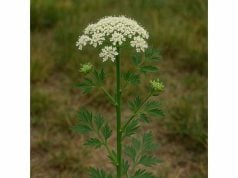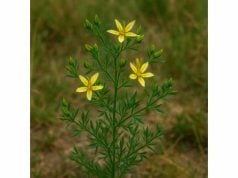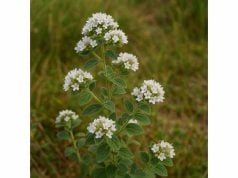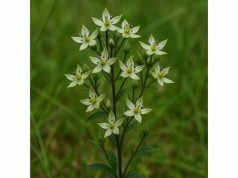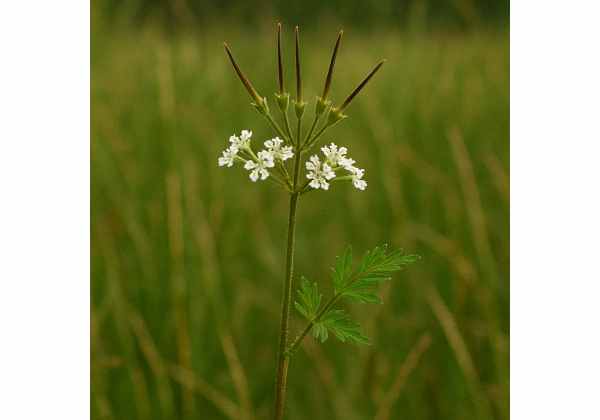
Shepherd’s needle, or Scandix pecten-veneris, is a slender annual herb in the parsley family that has long been gathered as a wild food in parts of the Mediterranean and nearby regions. Its young aerial parts have been eaten as greens, while traditional medicine records describe decoctions and other preparations for digestive, urinary, and inflammatory complaints. Modern interest in the plant comes from two angles at once: it is both a culturally important wild edible and a lightly studied medicinal herb with measurable flavonoids, phenols, tannins, minerals, and antioxidant activity. What matters most, though, is perspective. The available research is promising but still early, and most of it comes from ethnobotanical reports and laboratory studies rather than human clinical trials. That means shepherd’s needle is best approached as a useful traditional food herb with possible medicinal value, not as a proven stand-alone treatment. This guide explains what it is, what its key compounds appear to be, what benefits are plausible, how it has been used, and how to think about dosage and safety with appropriate caution.
Quick Overview
- Traditionally eaten as a wild green and used in folk medicine for digestive, urinary, and inflammatory complaints.
- The plant provides fiber, minerals, and phenolic compounds, and its extracts show antioxidant and antimicrobial activity in laboratory studies.
- No standardized medicinal dose has been established, so cautious use starts small, such as about 2 to 4 g dried herb per 150 to 250 mL infusion.
- Medicinal use is best avoided during pregnancy and breastfeeding, in children, and in people with strong Apiaceae allergies or uncertain plant identification.
Table of Contents
- What shepherd’s needle is and where it fits among edible herbs
- Key ingredients and nutritional profile
- Potential health benefits and what the evidence says
- Traditional uses and modern applications
- How to prepare shepherd’s needle for food and tea
- Dosage, timing, and duration
- Safety, side effects, interactions, and who should avoid it
What shepherd’s needle is and where it fits among edible herbs
Shepherd’s needle is a member of the Apiaceae family, the same broad plant family that includes culinary herbs and vegetables such as parsley, fennel, celery, and coriander. Botanically, it is an annual herb with finely divided leaves, small white flowers arranged in umbels, and long narrow fruits that give the plant its “needle” common name. It typically grows in arable fields, wasteland, and dry or disturbed sites, especially on loam, sandy, and clay-rich soils. It is native to Eurasia and has long been associated with traditional gathering cultures in the Mediterranean basin.
Its identity as both a weed and a food plant is part of what makes it interesting. In several Mediterranean settings, Scandix pecten-veneris was not merely tolerated in the landscape; it was actively collected for the table. Ethnobotanical sources place it among the wild Apiaceae traditionally eaten in Greece, Crete, Cyprus, and other neighboring regions. These records matter because they place shepherd’s needle in a real food tradition rather than in a purely speculative supplement narrative.
Historically, the plant has a long cultural memory. Older botanical and ethnographic literature describes its use in Greece going back more than two thousand years and notes references to the broader Scandix group in classical sources. That does not prove medical effectiveness, but it does show that the plant was known, gathered, and considered useful over a very long period. In practical terms, shepherd’s needle sits between a wild vegetable and a folk medicinal herb. That middle ground explains why modern discussions of the plant should avoid extremes. It is neither a mere field weed with no value nor a clinically established remedy with standardized dosing and proven outcomes.
Another useful point is that shepherd’s needle is still a relatively under-studied herb. The phytochemical literature describes it as a less studied wild edible herb. That gap helps explain why many online claims about the plant sound more certain than the literature really supports. When people ask what it “is,” the best answer is simple: it is an edible traditional Mediterranean herb with preliminary pharmacological interest, but it remains far better documented as a wild food and ethnobotanical species than as a modern therapeutic agent.
Key ingredients and nutritional profile
The most important “ingredients” in shepherd’s needle are not proprietary actives or branded compounds. They are the plant’s natural mix of nutrients and phytochemicals. The literature describes the edible parts as containing moisture, modest protein, fiber, carbohydrates, minerals, fatty acids, phenolic compounds, and small amounts of antinutritional factors. In one nutrient profile often cited in the botanical literature, the plant contained about 81.31% moisture, 3.82% protein, 3.82% crude fiber, 7.32% total carbohydrate, and 0.63% total lipids. The same work also notes total saturated, monounsaturated, and polyunsaturated fatty acids, which helps explain why the plant has sometimes been discussed as a nutritionally interesting wild green rather than just a medicinal curiosity.
Mineral content appears meaningful, although it varies by geography. Published analyses report substantial potassium, calcium, magnesium, iron, and phosphorus values in samples from different regions, with noticeable variation between locations. That detail matters because it means you should not assume every wild-collected shepherd’s needle plant has the exact same nutrient density. Soil, climate, harvest timing, and analytical method all seem to matter. This is common in wild herbs, including culinary relatives such as coriander, where growing conditions can shift both aroma and phytochemical intensity.
Modern phytochemical work adds another layer. Studies have identified flavonoids, tannins, terpenoids, steroids, coumarins, alkaloids, reducing sugars, and phenols in extracts of Scandix pecten-veneris. In one methanolic extract, researchers measured high levels of flavonoids along with meaningful amounts of alkaloids, tannins, and phenols. These numbers do not tell us the exact effect in the human body, but they do support the idea that the plant contains a chemically active matrix rather than being nutritionally empty.
At the same time, the plant is not nutritionally perfect. The leaves contain measurable oxalic acid and phytic acid. That is one reason food preparation matters. Cooking and moderate serving sizes are sensible, especially for people who are sensitive to oxalates or who already have mineral-balance concerns. In short, shepherd’s needle appears to offer a useful mix of fiber, minerals, polyphenols, and other phytochemicals, but its profile is best viewed as that of a traditional wild green with promising chemistry, not as a precisely standardized medicinal product.
Potential health benefits and what the evidence says
The strongest way to discuss shepherd’s needle benefits is to separate traditional use, laboratory findings, and human proof. Traditional use is fairly well documented. Laboratory findings are promising. Human proof is still missing. Once that framework is clear, the potential benefits become easier to understand without overstatement.
The most plausible benefit is antioxidant support. Extracts of shepherd’s needle have shown free-radical-scavenging activity in laboratory models, and researchers have found a clear connection between antioxidant capacity and the plant’s phenolic content. This does not mean drinking the herb will automatically produce a measurable health effect in people, but it does give a biochemical reason why traditional users may have viewed it as restorative or health-supportive.
A second plausible area is digestive and stomach support. Ethnobotanical records describe decoction-based use for anti-inflammatory, astringent, and eupeptic purposes, including gastric dyspepsia. Laboratory research has also reported notable urease inhibition, which has potential gastrointestinal relevance. Even so, this is the right way to interpret the evidence: there is enough to justify interest, but not enough to justify confident therapeutic claims.
A third area is antimicrobial and inflammation-related activity. Experimental studies have reported antibacterial activity against several organisms and particularly strong in vitro antifungal activity against Candida albicans. Other work has described lipoxygenase inhibition along with antioxidant and antimutagenic activity in lab testing. Together, these findings suggest that shepherd’s needle contains compounds worth further study for inflammatory and antimicrobial pathways. Still, these are bench findings, not clinical outcomes. They do not tell us whether a home tea, salad, or decoction will perform the same way in a person.
So what benefits are fair to say out loud?
- It may provide general antioxidant support as part of a varied diet.
- It has traditional digestive and urinary uses worth noting.
- Its extracts show preliminary antimicrobial and enzyme-inhibitory activity in vitro.
- It does not yet have human evidence strong enough to support disease treatment claims.
That distinction matters. Shepherd’s needle looks promising, especially as a food-like herb, but the evidence today supports curiosity and moderate use, not medical certainty. For digestive complaints with a stronger modern evidence base, more established herbs such as fennel are usually discussed with more direct guidance.
Traditional uses and modern applications
Traditional use is where shepherd’s needle has its clearest identity. Across Mediterranean sources, it appears first as a wild edible green and then as a simple medicinal plant. Historical reports describe the young leaves or aerial parts being eaten boiled with olive oil, used in pies, or added to salads. More recent reviews of wild edible plants in the Mediterranean also place Scandix pecten-veneris within a broader tradition of gathering edible umbellifers for household use.
This food use matters for modern readers because it suggests the plant was usually integrated into meals rather than treated like a high-dose extract. In that sense, shepherd’s needle resembles other long-used bitter or aromatic wild greens, including herbs sometimes compared with chicory in culinary traditions: plants valued not only for flavor, but also for the way they seem to “sit well” with digestion when eaten in modest amounts. That kind of use pattern tends to be gentler and more realistic than the supplement-style expectation that one herb should deliver a dramatic medicinal effect.
Ethnomedicinally, the records are varied but consistent enough to show a pattern. Traditional accounts from Sardinia and nearby regions describe root decoction and related preparations for anti-inflammatory and astringent purposes, as well as use in gastric dyspepsia and urinary complaints such as cystitis, nephritis, and pyelitis. These reports do not prove the plant treats those conditions, but they do show where traditional healers and local users placed it: mainly in the territory of digestion, urinary irritation, and mild inflammatory complaints.
Modern applications should stay close to that tradition. The most defensible present-day uses are:
- as a seasonal wild food when correctly identified,
- as a small-quantity culinary herb or cooked green,
- and, more cautiously, as an occasional folk-style infusion or decoction for mild digestive support.
What is not well supported is the idea of shepherd’s needle as a standardized capsule, high-potency extract, or evidence-backed treatment for infections, ulcers, kidney conditions, or inflammatory disease. The research has not reached that point. Modern application, then, should remain modest: food first, tradition second, claims last.
How to prepare shepherd’s needle for food and tea
Because shepherd’s needle has been used both as food and as folk medicine, preparation depends on your goal. The safest entry point is culinary use, not concentrated medicinal use. Traditional records describe the young aerial parts being boiled, cooked with olive oil, or folded into pies. That approach makes sense for a lightly studied herb because it keeps intake moderate and aligns with the way the plant has historically been consumed.
For food use, the practical sequence is simple:
- Harvest only from clean ground away from heavy traffic, industrial runoff, and sprayed fields.
- Use only confidently identified young aerial parts.
- Wash thoroughly.
- Lightly boil, sauté, or add to mixed wild greens rather than eating a very large portion alone.
This method is especially sensible because the plant contains oxalic acid and phytic acid in measurable amounts, and cooking is often a reasonable way to make wild greens gentler and more meal-friendly. If you already enjoy peppery or herbaceous wild plants such as garden cress, shepherd’s needle usually makes the most sense in that same food context.
For tea-style use, the literature points to both infusion and decoction traditions, but not to a universally accepted recipe. Ethnobotanical sources mention root decoction for digestive and urinary complaints, while broader surveys of traditional plant use in the region identify decoction and infusion as common herbal preparation styles overall. That means a warm-water preparation is traditional, but it does not mean there is a clinically proven formula.
A practical home approach, if a person still wants to use it as an herbal beverage, is to keep things plain and conservative: use dried herb, strain well, take it with food or after a meal, and avoid combining it with several other new herbs at once. That makes it easier to notice tolerance and reduces the temptation to escalate the dose too quickly. It is also wise to stop at the first sign of rash, mouth itching, stomach irritation, or headache. With shepherd’s needle, preparation should support caution. The plant is most credible when used in familiar, low-intensity formats, not in aggressive extraction schemes or improvised “detox” routines.
Dosage, timing, and duration
There is no standardized medicinal dosage for shepherd’s needle supported by human clinical trials. That is the single most important dosage fact to understand. The published literature documents food use, decoction, and infusion traditions, but it does not provide a validated modern dosing schedule in the way you might see for a well-studied supplement. Because of that gap, any practical dosage advice has to be conservative and framed as a cautious extrapolation from traditional preparation styles, not as a proven medical prescription.
A sensible food-first range is a small serving rather than a therapeutic dose: roughly 15 to 30 g fresh leaves, or about 1/2 to 1 cup cooked greens, taken with a meal. That keeps use close to its better-documented role as a wild vegetable. For most people, this is the more grounded way to start, especially when trying the plant for the first time.
For a cautious infusion, a reasonable practice-based range is 2 to 4 g dried herb in 150 to 250 mL hot water, steeped for about 10 minutes. Start with once daily. If it is well tolerated and there is a clear reason to continue, some herbal users would increase to twice daily, but there is no solid evidence that more is better. For a more traditional decoction-style preparation, especially if following older digestive or urinary-use patterns, 2 to 3 g dried root or mixed herb simmered in water for 10 to 15 minutes is a restrained approach. Again, this is a practical inference, not a trial-validated dose.
Timing matters less than moderation. Many people would do best taking shepherd’s needle:
- with food if using it for general digestive comfort,
- after meals if they are sensitive to bitter herbs,
- and for short periods, such as several days up to two weeks, before reassessing.
That short-duration approach is sensible because the herb does not have a strong safety dossier, and there is little reason to use it continuously for months. If symptoms persist, dosage is not the real issue; medical evaluation is.
The best working rule is this: keep the plant in the range of food or gentle folk preparation, not repeated high-dose self-medication. With a herb this lightly studied, restraint is not weakness. It is the correct dosage strategy.
Safety, side effects, interactions, and who should avoid it
Safety is the area where readers should be most conservative. Laboratory work suggests that shepherd’s needle has antioxidant and antimicrobial potential and does not raise obvious mutagenicity concerns in the specific test systems used. That is reassuring as far as it goes, but it is not the same as comprehensive human safety data. It does not tell us how repeated oral use affects pregnancy, liver function, medication metabolism, allergy risk, or long-term intake in real people.
The nutrient data add another practical caution. The leaves contain measurable oxalic acid and phytic acid. For most healthy adults eating modest cooked amounts now and then, that is unlikely to be a major issue. But very large intakes are a different matter, especially for people prone to calcium-oxalate kidney stones, those with mineral deficiency concerns, or those relying on wild greens in unusually high daily amounts. This is another reason moderate servings and food-style use make more sense than heavy medicinal dosing.
Who should avoid medicinal use altogether? The cautious list is fairly clear:
- people who are pregnant or breastfeeding,
- children, because there is no established pediatric dosing,
- anyone with a known Apiaceae allergy or strong sensitivity to related plants,
- people with a history of kidney stones or major kidney disease,
- and anyone taking multiple prescription drugs, especially where interaction risk would matter more than a lightly studied herb could justify.
Because shepherd’s needle has not been well tested for herb-drug interactions, extra caution is sensible with anticoagulants, diuretics, and drugs with narrow safety margins. This is not because a specific interaction has been well proved, but because the evidence base is too thin to rule problems out confidently.
Possible side effects are mostly the ones you would watch for with many wild or aromatic herbs: stomach upset, nausea, loose stools, mouth or skin irritation, or allergy-type symptoms. If any of those appear, stop using it. The bottom line is straightforward: shepherd’s needle looks reasonably promising as a traditional edible herb, but its safety data are incomplete. Use small amounts, avoid long courses, and do not use it to self-treat a serious digestive, urinary, infectious, or inflammatory problem.
References
- Wild Species from the Family Apiaceae, Traditionally Used as Food in Some Mediterranean Countries. 2024. (Review)
- Wild Edible Plants of Andalusia: Traditional Uses and Potential of Eating Wild in a Highly Diverse Region. 2023. (Review)
- Ethnopharmacobotany and Diversity of Mediterranean Endemic Plants in Marmilla Subregion, Sardinia, Italy. 2022. (Ethnobotanical Study)
- Phytochemical composition, biological potential and enzyme inhibition activity of Scandix pecten-veneris L. 2018. (In Vitro Study)
- Mutagenic, antimutagenic, antioxidant, anti-lipoxygenase and antimicrobial activities of Scandix pecten-veneris L. 2016. (In Vitro Study)
Disclaimer
This article is for educational purposes only and is not a substitute for medical advice, diagnosis, or treatment. Shepherd’s needle is a traditional food herb with limited modern clinical research, so its medicinal uses should be approached cautiously. Speak with a qualified healthcare professional before using it therapeutically, especially if you are pregnant, breastfeeding, have kidney problems or allergies, or take prescription medicines.
Please share this article on Facebook, X, or your preferred platform if you found it useful.