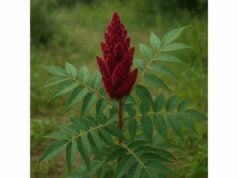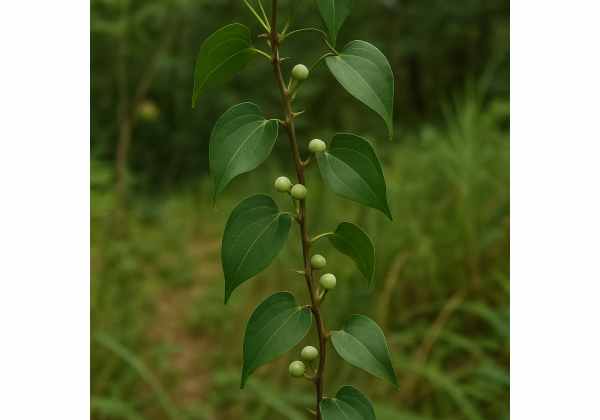
Smilax, most often sold as Jamaican sarsaparilla when the species is Smilax ornata, is a climbing vine whose root and rhizome have a long history in traditional medicine and herbal tonics. It has been used for generations in preparations aimed at joint discomfort, inflammatory skin problems, rheumatic pain, and general “blood-purifying” or restorative support. Modern research adds some credibility to that reputation, especially through animal studies on anti-inflammatory and analgesic effects and broader Smilax research on steroidal saponins, phenolics, and related compounds.
At the same time, smilax is a good example of a herb that deserves both interest and restraint. Its chemistry is rich, but human clinical evidence on Smilax ornata itself remains limited. Many online claims borrow too freely from research on other Smilax species or from old tonic traditions without separating folklore from proof. The most helpful way to approach this plant is to understand what part is used, what its key constituents are, which benefits have the best support, and where dosage and safety remain less certain than the marketing often suggests.
Top Highlights
- May help support inflammatory balance and pain relief, but the strongest direct evidence comes from animal studies rather than human trials.
- Traditionally used for rheumatic discomfort, chronic skin complaints, and restorative root tonics in Caribbean herbal practice.
- Traditional decoctions often use 1 to 4 g dried rhizome up to 3 times daily, but this is not a clinically validated human dose.
- Avoid self-use during pregnancy and breastfeeding, and use extra caution if you take prescription medicines or cannot verify product authenticity.
- Product quality matters because commercial sarsaparilla is vulnerable to substitution and adulteration.
Table of Contents
- What smilax is and why Smilax ornata matters
- Key ingredients and how smilax may work
- Health benefits and what the evidence actually supports
- Traditional uses, modern forms, and how people take it
- Dosage, timing, and how long to use smilax
- Safety, side effects, and quality concerns
- How to set realistic expectations for smilax
What smilax is and why Smilax ornata matters
Smilax ornata is a thorny, woody climbing vine in the Smilacaceae family, native to Mexico and Central America and widely known in trade as sarsaparilla or Jamaican sarsaparilla. Older literature and commercial sources may still use the synonym Smilax regelii. That naming overlap is not just a botanical detail. It affects labeling, sourcing, and how consumers interpret product claims.
The part used medicinally is the root or rhizome rather than the leaves or berries. In traditional practice, the dried root has been boiled into decoctions, blended into compound tonics, powdered, or extracted into alcohol-based preparations. In Jamaica and parts of the Caribbean, smilax is one of the plants associated with root tonic traditions, where it is combined with other botanicals for stamina, restorative support, and general vigor rather than used as a single isolated herb.
One reason smilax can be confusing is that the name “sarsaparilla” does not refer to a single species in casual trade. Several Smilax species, and sometimes even unrelated botanicals, may be sold under similar names. That matters because the evidence base for one species does not automatically transfer to another, and the safety profile of a correctly identified root is not the same as that of an adulterated commercial product. Authentication work has shown that sarsaparilla products are vulnerable to substitution, including products labeled as Smilax ornata.
This context shapes the whole article. Smilax is not a new wellness trend. It is a traditional root with a long ethnobotanical story, especially in the Caribbean and in broader Smilax use around the world. But that long history does not erase the need for species-specific caution. A person using Smilax ornata for joint pain, skin flares, or “detox” goals should know that much of the stronger modern evidence is either genus-level or preclinical.
It also helps to distinguish medicinal smilax from flavored beverages sold under the sarsaparilla name. A soda or syrup inspired by sarsaparilla is not the same thing as a decoction of authenticated root. The medicinal discussion belongs to the root, not the nostalgic drink. That may sound obvious, but many people searching for sarsaparilla health benefits are actually moving between those meanings without realizing it.
A useful mental model is to treat Smilax ornata as a traditional medicinal root with meaningful historical use, modest direct evidence, and a strong need for quality control. If you approach it that way, the claims around it become much easier to sort. If you approach it as a cure-all tonic, the confusion starts quickly.
Key ingredients and how smilax may work
The medicinal reputation of smilax begins with its chemistry. Across the genus, Smilax species are especially known for steroidal saponins, along with flavonoids, phenolic acids, stilbenoids, phenylpropanoids, and related secondary metabolites. Review papers on Smilax repeatedly highlight steroidal saponins as one of the defining constituent groups because they are both chemically characteristic and biologically active.
For practical purposes, the key ingredient groups can be understood in four layers.
Steroidal saponins are the best-known Smilax compounds. They are often discussed in connection with anti-inflammatory, antifungal, and cytotoxic effects in experimental research. They also help explain why smilax has long been placed in the category of deep-acting root herbs rather than simple culinary plants. In commercial herb research involving material supplied as Smilax ornata, steroidal saponins have been isolated and characterized, supporting the idea that saponin-rich chemistry is part of this plant’s medicinal identity.
Phenolic compounds and flavonoids add another important layer. Broader Smilax research shows that roots and rhizomes can contain phenolic acids and flavonoid-type compounds associated with antioxidant and immune-modulating effects. Much of this evidence comes from species such as Smilax glabra and Smilax china, so it should not be presented as exact proof for S. ornata. Still, it helps explain why the genus as a whole is often investigated for inflammatory and oxidative-stress pathways.
Sapogenin-related compounds are another reason smilax continues to interest pharmacology researchers. Saponins and their aglycones are often studied not because they prove a finished herbal product works, but because they offer plausible mechanisms for membrane interactions, inflammatory signaling effects, and antimicrobial activity. This is the level where smilax becomes scientifically credible, even when clinical data remain thin.
Mixed whole-root chemistry may matter as much as any single compound. Traditional preparations do not isolate one molecule. They deliver a broad extract from the root, which may create overlapping effects that are hard to reduce to one ingredient. That helps explain why smilax has such a wide traditional reputation, from rheumatic pain to chronic skin eruptions to restorative tonics.
The key point is that smilax is not famous because of vitamins or minerals. It is valued because of complex secondary metabolites, especially saponins and phenolic compounds. That sets it apart from more nutritive roots and places it closer to herbs used for long-term regulation rather than quick symptom suppression.
For readers comparing herbal categories, smilax’s chemistry makes it feel closer to older alterative and anti-inflammatory roots than to culinary spices. In that sense, it overlaps conceptually with burdock for skin and elimination support, though the chemistry and evidence base are not identical. The shared theme is steady support rather than fast relief.
Health benefits and what the evidence actually supports
The strongest mistake people make with smilax is assuming that every traditional use has already been confirmed in human studies. That is not true. The most defensible way to discuss benefits is to separate traditional uses, species-specific preclinical evidence, and broader genus-level plausibility.
The best direct evidence for Smilax ornata itself comes from animal studies on inflammation and pain. In rat research, methanol and ethyl acetate extracts of S. ornata showed significant anti-inflammatory and analgesic activity, with the methanol extract performing best overall. Follow-up work suggested that the acute anti-inflammatory effect of the methanol extract may involve bradykinin- and prostaglandin-related pathways rather than a strong effect on histamine-driven inflammation. These are meaningful findings, but they are still preclinical and do not establish a human dose or guaranteed outcome.
That said, these results do align well with smilax’s traditional use for rheumatic pain and chronic inflammatory complaints. This is one of the places where the old and the new line up reasonably well. A traditional claim does not become proven simply because an animal study points in the same direction, but it does become more plausible.
Traditional and ethnomedical uses also place smilax in a broader restorative category. In Jamaican herbal practice, Smilax ornata appears in root tonics and folk preparations associated with stamina, reproductive vigor, pain relief, and general strengthening. Review literature on Jamaican medicinal plants notes that such uses remain culturally important, but also stresses that dosage, pharmacokinetics, and condition-specific efficacy are still under-researched.
Beyond S. ornata specifically, Smilax reviews describe antioxidant, antimicrobial, antiviral, immunomodulatory, hepatoprotective, and even antidiabetic signals across the genus. These effects are intriguing and help explain why smilax has been used for skin disease, syphilis, rheumatism, and inflammatory disorders in multiple traditions. Still, most of those findings come from other species or from crude extracts tested in vitro or in animal models. They should be treated as supportive context, not as direct proof that Jamaican sarsaparilla does all of these things in people.
So what are the most realistic benefits to emphasize?
- support for inflammatory balance
- possible support for rheumatic or joint discomfort
- traditional use in chronic skin and “blood-cleansing” formulas
- broader tonic use in Caribbean root preparations
What should be downplayed?
- bold hormone claims
- reliable detox claims
- strong libido promises
- disease-treatment language
- any suggestion that smilax is clinically established for arthritis, psoriasis, or viral illness
If your main goal is joint comfort and you want an herb with clearer human evidence, boswellia for joint pain relief and dosing has a more defined modern evidence base. Smilax may still be useful, but it belongs more in the traditional-support category than in the well-standardized one.
Traditional uses, modern forms, and how people take it
Smilax has been used in more than one way for a long time, and the form matters. The root or rhizome is the medicinal part typically dried and prepared as a decoction, powdered, or extracted. Traditional use tends to emphasize longer simmering rather than a quick steep, which makes sense for a fibrous, woody root.
The classic form is a decoction. This means simmering the dried root in water long enough to pull out more of the heavier constituents. In Caribbean traditions, smilax may be taken alone or combined with other plants in compound root tonics. These formulas are usually intended as gradual restorative preparations rather than fast-acting symptom relievers. The effect, when people notice one, is often described as steady and cumulative.
Another form is powdered root, used in capsules or mixed into formulas. This is convenient, but it also makes quality harder to judge unless the product is well sourced and authenticated. Because sarsaparilla products can be substituted or mislabeled, a powder is not automatically safer than a whole cut root. In some ways it is harder for the buyer to verify.
Alcohol extracts or tinctures are also used. These are often marketed for joint support, skin support, or general cleansing formulas. The challenge is that extract ratios and manufacturing standards vary widely. Without clear labeling, one tincture can differ a great deal from another.
A fourth category is compound tonics, especially in Jamaican root-tonic traditions. In these, smilax is rarely the only herb. It is one component in a broader formula that may include warming, circulatory, digestive, or stimulant plants. That is important because people sometimes attribute the entire effect of a root tonic to smilax alone when the formula is doing the work together.
In modern supplement language, people usually take smilax for one of three reasons:
- as a traditional anti-inflammatory or joint-support root
- as part of a skin-support or alterative routine
- as a restorative tonic ingredient
Those use cases are not equally evidence-based, but they reflect real-world demand.
It is also worth separating medicinal use from flavor use. Sarsaparilla flavor has a long history in beverages, but a flavored drink is not a medicinal preparation of authenticated Smilax ornata root. The overlap in name is historically interesting, yet practically misleading.
If you are thinking in terms of traditional formula building, smilax is often paired with warming, digestive plants rather than taken in isolation. That is one reason it appears naturally beside ginger’s warming and digestive support profile in tonic-style preparations. The pairing makes traditional sense, though it does not replace the need for careful sourcing and realistic expectations.
Dosage, timing, and how long to use smilax
Smilax dosage is one of the areas where tradition is much clearer than clinical science. There is no well-established modern human dosing standard for Smilax ornata based on robust clinical trials. What exists is a mix of traditional practice, commercial labeling, and preclinical research.
A traditional range cited in pharmacology literature describes a decoction of 1 to 4 g of dried rhizome taken three times daily for chronic rheumatism, rheumatoid arthritis, psoriasis, and related complaints. This is useful as a historical reference point, but it should not be mistaken for a clinically validated dose. It tells you how the herb has been used, not what has been proven in modern controlled trials.
The animal studies on Smilax ornata used extract doses of 200 to 400 mg/kg in rats. Those figures help establish that the plant has pharmacological activity, but they are not a home-use dosing guide. Translating animal extract doses directly into consumer use is one of the easiest ways to overstate an herb.
For real-world use, the safest approach is conservative:
- start with a low traditional decoction amount rather than a large one
- use one product at a time
- keep the trial period defined
- stop if you notice stomach upset, unusual reactions, or no benefit after a reasonable window
Timing depends on the goal. For people using a decoction for steady support, dividing intake across the day makes more sense than taking a large amount all at once. Taking smilax with or after food is also reasonable for those with sensitive digestion, since woody roots and saponin-rich herbs can be rougher on the stomach in concentrated form.
How long should you use it? Since smilax is traditionally treated as a gradual herb, short trials of a day or two do not tell you much. A structured trial of 2 to 4 weeks is more realistic for assessing tolerance and whether it seems to help with joint stiffness, skin patterns, or general inflammatory heaviness. But that time frame should not turn into indefinite use without re-evaluation, especially if the product is a concentrated extract rather than a simple decoction.
A good practical rule is this: the less standardized the product, the more modest your expectations and dosing should be. Smilax is not a herb where more clearly means better. It is a herb where authenticity, preparation, and patience matter more than aggressive dosing.
Safety, side effects, and quality concerns
Smilax is often marketed as gentle, but that should not be confused with fully characterized safety. The strongest species-specific human safety data for Smilax ornata are limited, and much of the broader Smilax literature still notes a lack of rigorous toxicity and clinical studies. That means caution belongs in any responsible discussion of the herb.
The most likely side effects are digestive. Traditional roots rich in saponins and phenolic compounds can sometimes cause nausea, stomach upset, loose stools, or a heavy feeling in the gut, especially when taken in larger amounts or on an empty stomach. While these reactions are not always dramatic, they matter because they are the most realistic reason someone might discontinue the herb.
Pregnancy and breastfeeding are the clearest groups for caution. Because well-designed safety studies are lacking, it is better to avoid medicinal self-use during these periods unless guided by a qualified clinician. The same cautious logic applies to children.
People taking prescription medicines should also be more careful than marketing copy implies. That is not because there is a long, well-defined list of confirmed interactions with S. ornata, but because the herb is often used in mixed formulas, traditional tonics, or concentrated extracts where the total pharmacological picture becomes less predictable. If someone is managing inflammatory disease, autoimmune disease, chronic skin disease, or major pain with prescription therapy, smilax should be framed as an adjunct at most.
A major safety issue with sarsaparilla is not the plant alone but quality control. Authentication research has shown that commercial sarsaparilla products can be adulterated or substituted with other plant materials. That raises two separate risks:
- the buyer may not be getting the species they think they are getting
- the substitute may bring a different safety profile entirely
This is one of the strongest reasons to prefer reputable suppliers that specify the botanical name and provide meaningful quality assurance.
There is also a softer but still important safety issue: expectation drift. Smilax has accumulated a wide reputation over time, from blood purifier to aphrodisiac to arthritis herb to antiviral tonic. The broader and more dramatic the promise, the more likely someone is to use it in place of more appropriate care. That is not a side effect in the strict sense, but it is a real risk.
If your main concern is skin support or inflammatory cleansing traditions, smilax belongs to the same general herbal conversation as red clover’s older alterative and skin-support tradition. In both cases, the safest use is measured, not heroic.
How to set realistic expectations for smilax
Smilax is one of those herbs that can look either underrated or overhyped depending on how it is presented. The truth sits in the middle. It has real ethnomedical depth, species-specific animal data for pain and inflammation, and a broader genus chemistry that makes its traditional uses believable. But it does not yet have the kind of human clinical evidence that would justify strong claims for arthritis, psoriasis, detoxification, libido, or immune support.
The best reasons to consider Smilax ornata are traditional and practical rather than trendy. It may fit someone who wants a cautiously used root decoction or a simple, authenticated preparation for long-standing inflammatory or rheumatic patterns, especially when they understand that results, if any, are likely to be gradual. It may also make sense in the context of Caribbean-style tonic traditions, where its role is cultural and formula-based rather than narrowly clinical.
The weakest reasons to consider it are the flashy ones. Smilax is not a shortcut for hormone balance, not a proven blood purifier in modern biomedical terms, not a stand-alone solution for chronic skin disease, and not a substitute for evidence-based treatment of autoimmune or arthritic conditions. The moment the claims become sweeping, the evidence becomes thinner.
A realistic framework is simple:
- trust tradition, but do not confuse it with proof
- respect the chemistry, but do not let it substitute for human data
- care about the species name, because quality and authenticity matter
- keep the dose modest and the trial period defined
- stop if the herb is not clearly useful
That last point matters more than it seems. A good herbal trial should produce either a reason to continue or a reason to move on. Smilax should not become an indefinite habit simply because it sounds old, earthy, or cleansing.
Used thoughtfully, Smilax ornata can still earn a place in traditional herbal practice. Used vaguely, it becomes one more overpromised tonic. The better outcome is the first one: a carefully sourced root, used with realistic goals, within the limits of what the evidence actually supports.
References
- The genus Smilax L.: A comprehensive review of traditional uses, phytochemistry, pharmacological activities, and toxicity 2026 (Review)
- Smilax glabra Roxb.: A Review of Its Traditional Usages, Phytochemical Constituents, Pharmacological Properties, and Clinical Applications 2022 (Review)
- Antiviral Activity of Jamaican Medicinal Plants and Isolated Bioactive Compounds 2021 (Review)
- Genome skimming and NMR chemical fingerprinting provide quality assurance biotechnology to validate Sarsaparilla identity and purity 2020 (Quality and Authentication Study)
- Investigation of the anti-inflammatory and the analgesic effects of the extracts from Smilax ornata Lem. (Jamaican sarsaparilla) plant 2019 (Preclinical Study)
Disclaimer
This article is for educational purposes only and is not medical advice, diagnosis, or treatment. Smilax may interact with health conditions, mixed herbal formulas, or prescription medicines, and its traditional use does not guarantee safety or effectiveness for any specific disease. Speak with a qualified healthcare professional before using Smilax ornata if you are pregnant, breastfeeding, taking medications, managing chronic inflammatory or skin conditions, or considering concentrated extracts. Use only well-identified, quality-controlled products.
If you found this article useful, please share it on Facebook, X, or your preferred platform to help more readers find careful, evidence-aware herbal guidance.